

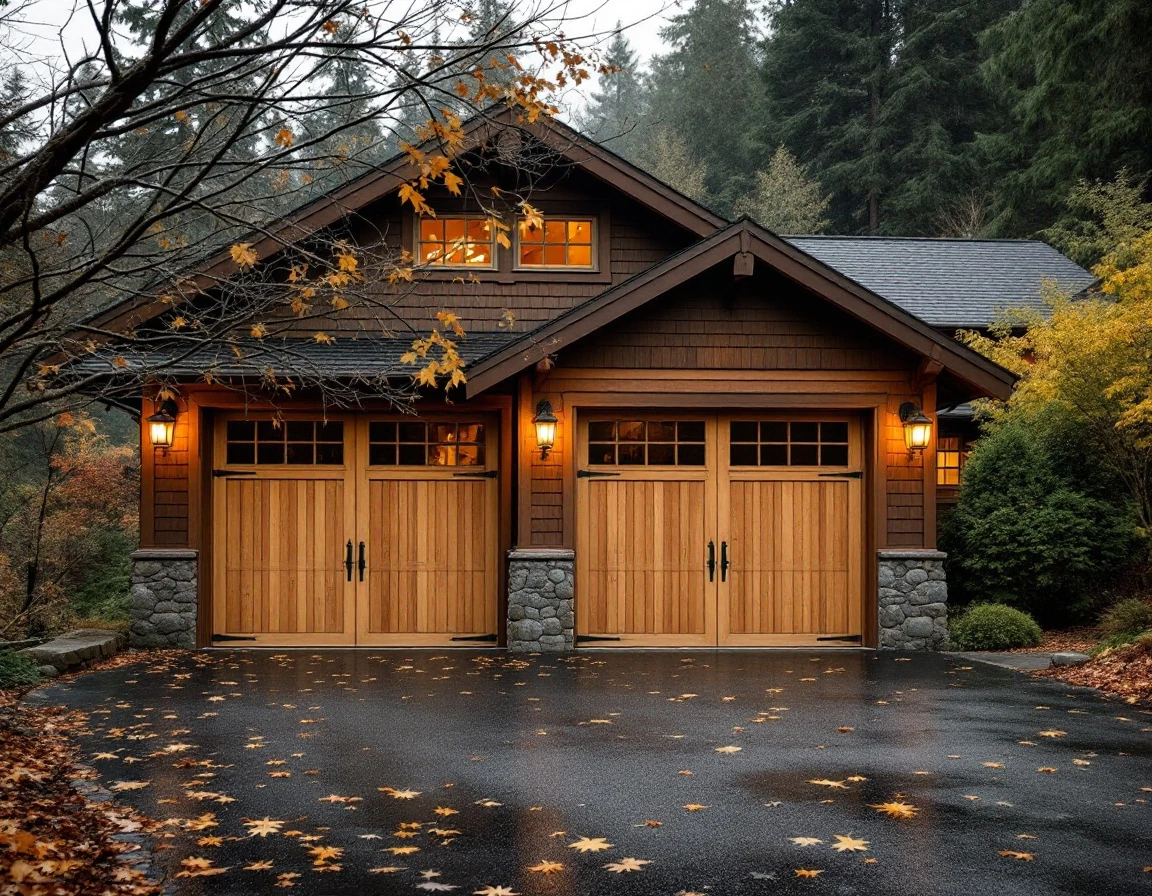
April Wind Season & White Salmon Garage Door Wind Damage
White Salmon’s location on the Washington bluffs overlooks one of the world’s premier windsurfing destinations—a distinction that comes with predictable and extreme wind conditions. The Columbia Gorge acts as a natural wind tunnel, funneling powerful east and west winds between the Cascade Mountains. During April and May, these winds regularly gust between 40 and 80 mph, creating conditions that attract kitesurfers and windsurfers from around the globe. While these winds fuel the local outdoor recreation economy, they simultaneously place extraordinary stress on residential garage doors, making White Salmon garage door wind damage a serious seasonal concern for homeowners.
These sustained high winds affect garage doors differeSprings that balance a door’s weight face lateral pr…essure they weren’t built to handle. Cables can fray where they contact pulleys during wind-induced vibration. Tracks bend when doors buffet against them during gusts. Rollers loosen in their brackets from repeated lateral force. This isn’t gradual deterioration—it’s accelerated stress that creates weak points homeowners won’t notice until a catastrophic failure occurs.
The timing creates a costly problem. Peak outdoor season coincides exactly with peak wind damage risk. When your garage door fails in late April, local repair companies face backlog from other wind-damaged properties, and Portland-based services charge premium travel fees to reach White Salmon.
What could have been a $150 spring inspection in March becomes a $600 emergency repair when you’re trying to load kayaks for a river trip.
Spring inspection before April winds arrive transforms seasonal damage from an emergency into a preventable maintenance item.
Four Critical Spring Inspection Tasks for High Wind Garage Door Maintenance
Your garage door faces its toughest test each spring when April-May winds arrive. A focused inspection now identifies damage before those first 50 mph gusts turn minor wear into complete failure. Here’s exactly what to check and why each task matters for wind-damage prevention during Columbia Gorge high wind season.
1. Visual Spring Tension and Wear Assessment
Start with your torsion spring (the horizontal bar above the door) or extension springs (running parallel to the tracks). Look for rust spots, gaps between coils, or any visible stretching. Healthy springs have consistent spacing and clean metal surfaces. Why does this matter? Corroded springs lose tension unpredictably, and when wind slams your door against weakened springs, they snap instead of absorbing the impact.
Test spring balance by disconnecting the opener and manually lifting the door halfway. It should stay in place. If it drops or shoots up, your springs need professional adjustment before wind season begins.
2. Track Alignment and Debris Removal
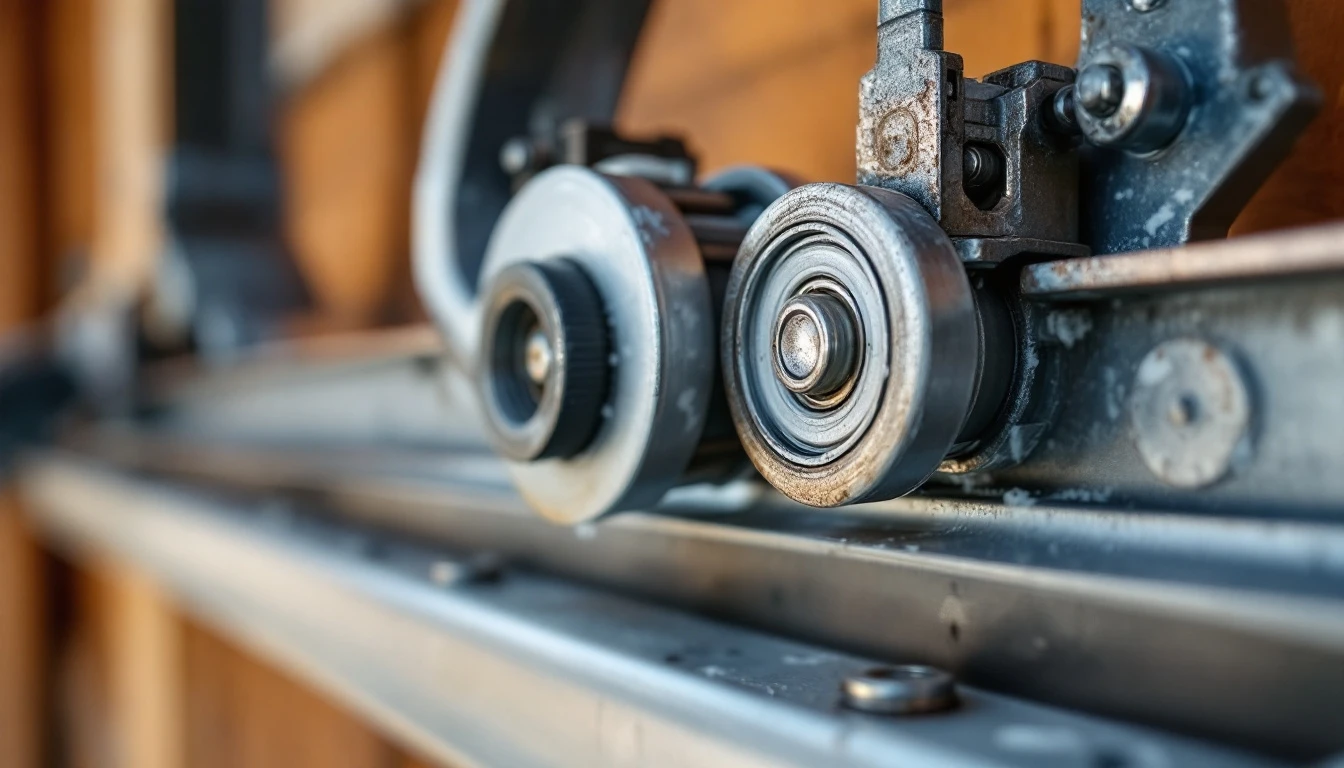
Examine both vertical tracks for plumb alignment using a level. Check horizontal tracks for debris, oil buildup, or dents. Run your finger inside the track channel—it should feel smooth without catching on rough spots. Misaligned tracks create friction points that jam under wind pressure, forcing your door to work harder against gusts. During high winds, a door that can’t move smoothly becomes a sail that tears hardware apart.
3. Hardware Inspection: Bolts, Brackets, and Hinges
Walk through every mounting bracket, roller hinge, and connection bolt with a socket wrench. Tighten any loose fasteners and look for rust or metal fatigue around bolt holes. Pay special attention to the brackets anchoring your torsion spring tube to the wall—these bear the highest stress loads. Loose bolts fail first when wind creates vibration and movement, turning small rattles into complete hardware separation.
4. Safety Reverse Test
Place a two-by-four flat on the ground in the door’s path and close it. Your opener should reverse immediately upon contact. This auto-reverse function prevents the door from slamming closed during wind gusts, protecting both the door and anything in its path. Test the photo-eye sensors by breaking the beam while closing—the door should stop and reverse. Before spring winds arrive, this safety system needs to respond perfectly every single time.
Spring Tension & Cable Assessment
Your garage door springs store immense tension that multiplies during high-wind events. Torsion springs mounted above the door should show no visible rust, fraying, or separation at attachment points—any of these signs indicate the spring is approaching failure. Extension springs running along each track require balanced tension on both sides; if one spring appears longer or looser than its partner, failure is imminent and could happen during the next windstorm.
Inspect cables for straightness with no kinks, fraying, or separation from pulleys. Metal strands poking out from the cable weave signal internal breakdown. Rust spots near springs indicate moisture damage that weakens the metal structure. Springs that appear shortened or sagging have lost tension and won’t withstand Gorge wind loads.
Never attempt DIY spring adjustments. These components remain under extreme tension even when the door is closed. Identifying spring wear now—before April gusts arrive—prevents catastrophic failure when you need your garage most.
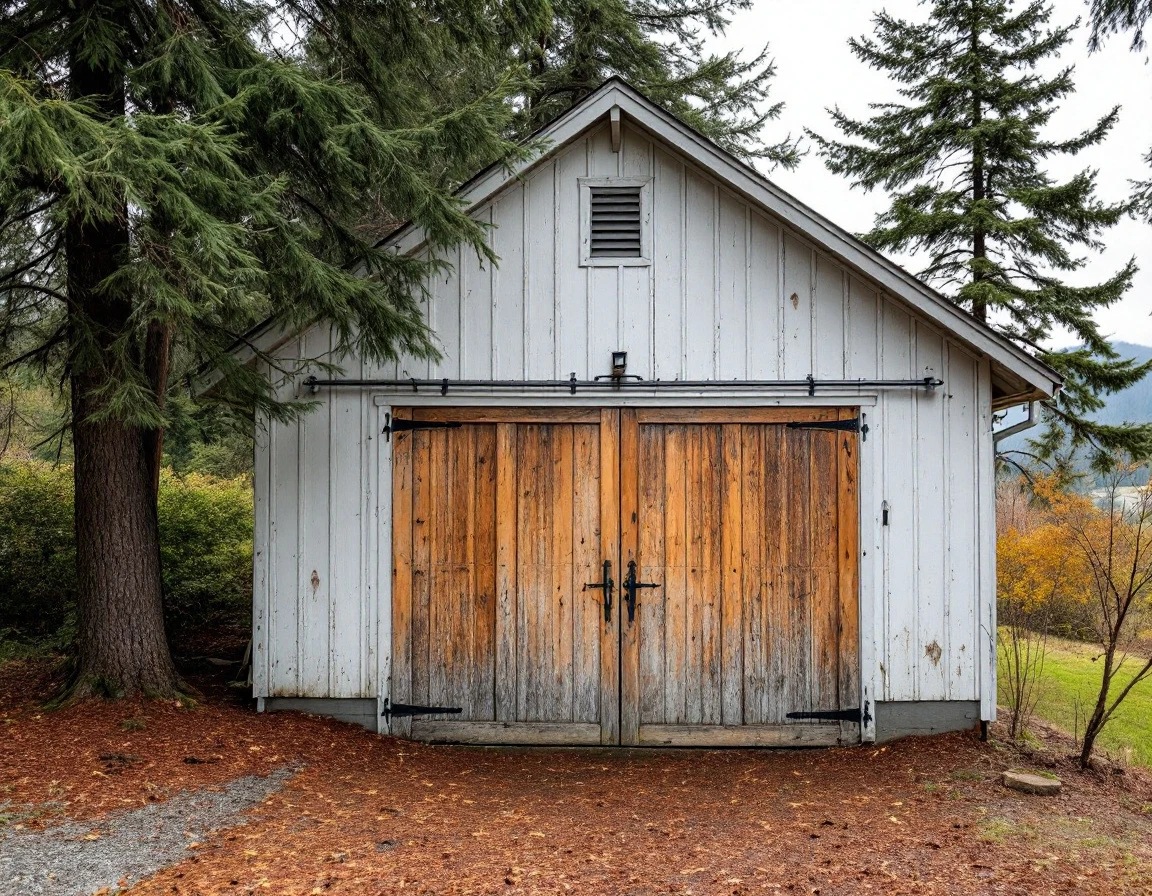
Track Alignment & Hardware Tightness
Garage door tracks must run perfectly straight and parallel from top to bottom. When tracks bend even slightly out of alignment, the door binds during operation—and that binding becomes worse when 40-80 mph Gorge winds push against the door surface. Walk along both tracks and sight down their length, looking for visible bends or sections that bow inward or outward.
Debris accumulation in tracks creates friction points that prevent smooth movement. Use a stiff brush to remove dust, grit, and accumulated debris from the track channel. Check for rust spots on track surfaces, which indicate moisture exposure that roughens the metal and increases resistance.
Test every bolt, hinge, and bracket with a wrench. If hardware turns easily, it’s loose—and loose hardware amplifies wind vibration. Each gust makes the problem worse, accelerating component failure. Tighten all mounting bolts until they’re snug but not overtightened, which can strip threads or crack brackets.
Wind Damage Warning Signs & Decision Points
You’ve completed your spring inspection—now you need to know what actually matters. Certain warning signs don’t just suggest future problems; they indicate immediate risk when April-May winds arrive.
- Rust on springs, bolts, or tracks signals corrosion that compromises metal strength under wind stress. Springs rely on steel’s tensile properties to manage thousands of pounds of door weight, and rust reduces that capacity unpredictably. When 60 mph gusts hit, corroded springs can snap without warning.
- Gaps between door sections or visible misalignment indicate structural compromise that wind exploits. Those gaps allow wind to force its way behind panels, “…creating lift pressure the door couldn’t withstand. What looks like a minor cosmetic issue becomes a failure point when Gorge winds turn your garage door into a sail.
- Slow opening, jerking motion, or hesitation during operation suggests springs losing tension or tracks binding. This isn’t just an inconvenience—it means your door can’t close quickly and securely when wind conditions deteriorate. The door gets stuck halfway, exposing your garage to wind-driven rain and debris.
If you observe any combination of these signs, schedule a professional assessment before April winds arrive.
These aren’t issues that improve with time. Early professional evaluation prevents emergency failures during peak windsurfing season when repair companies are backlogged and parts availability stretches timelines.
Contact us today for a pre-season assessment.
Spring Maintenance Costs vs Emergency Garage Door Repair White Salmon
Scheduling spring replacement in March offers the best value, with paired replacements completed efficiently at reasonable rates. Wait until April-May when Gorge winds create emergency failures, and you’ll face premium labor costs and extended service delays. Emergency calls during peak season encounter lengthy backlogs because every windsurfer and local homeowner needs repairs simultaneously.
Track alignment or hardware repair caught during your March inspection is far more affordable when addressed promptly. Ignore those same issues until they cause door binding under wind stress, and you’ll face escalating costs once the damage spreads to rollers, cables, and panels. The cost difference reflects labor time—simple adjustments versus extensive troubleshooting and component replacement.
DIY inspection saves you the $150-$200 service call fee if everything checks out. Professional assessment costs $100-$150 but prevents $800-plus failures by identifying worn springs or misaligned tracks before they break under load. Which approach makes financial sense? If your inspection reveals rust, gaps, or slow operation, that assessment fee becomes the best money you’ll spend before wind season arrives.
March scheduling guarantees availability. May emergency calls mean waiting while your door hangs crooked or won’t close, exposing your gear to weather and theft during White Salmon’s busiest outdoor season.
DIY Inspection vs Professional Service Decision
You can safely handle the following inspection tasks yourself:
- Visual checks for rust and cable fraying
- Track cleaning with a stiff brush
- Hardware tightness verification with a socket wrench
- Auto-reverse safety testing with a 2×4 block
These tasks require no special tools and pose minimal risk when performed carefully.
Never attempt spring tension adjustment or cable replacement yourself. Garage door springs store enough energy to cause severe injury or death if released unexpectedly. If your inspection reveals rust on springs, gaps in coils, or frayed cables, contact a professional immediately. Structural diagnosis of track damage or panel cracks also requires professional assessment.
Timing matters for safe DIY inspection. High winds make ladder work dangerous after March 31 in the Gorge. If your inspection is delayed past early April, defer to professionals who have equipment and experience working in wind. Scheduling professional assessment in March guarantees completion before peak season demand overwhelms local capacity.
Complete your inspection by mid-April and act on findings immediately. Contact Garage Harmony today to schedule professional service for any issues your inspection reveals.





Leave A Comment