

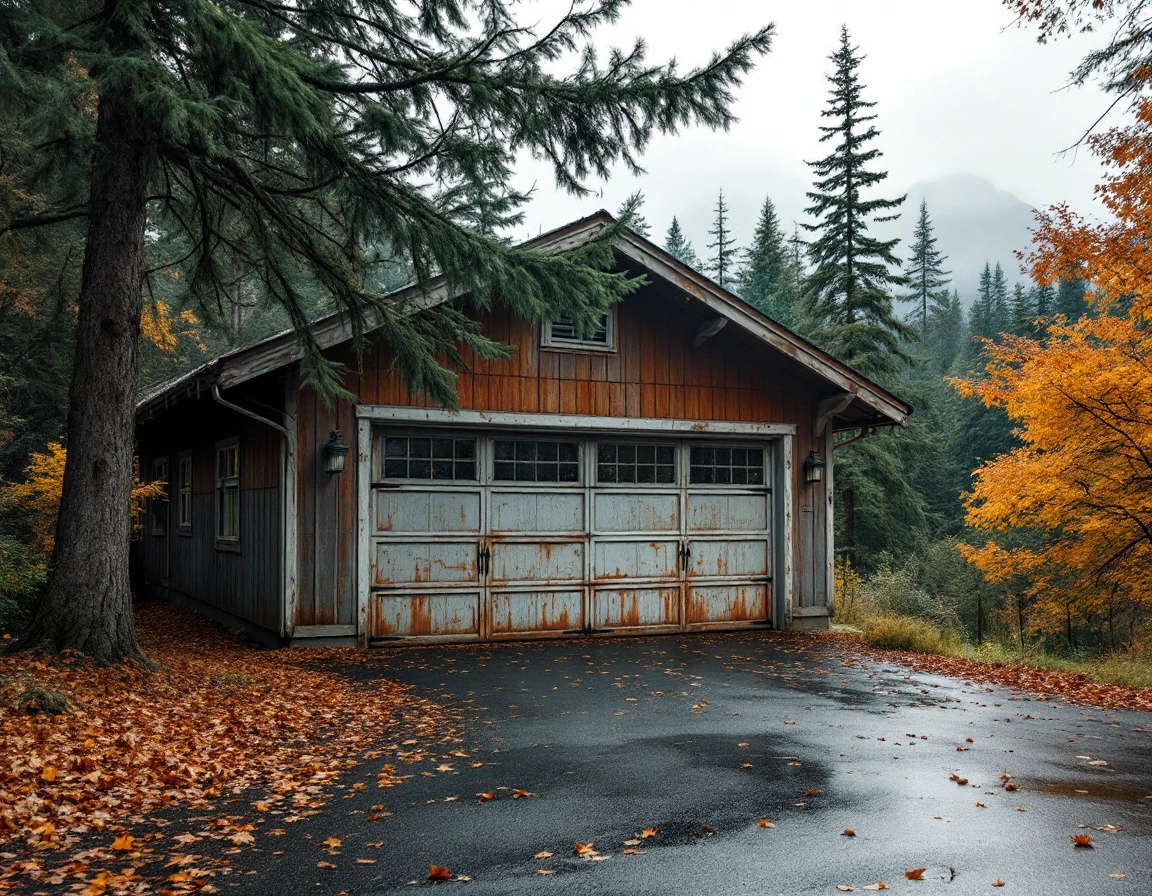
Stevenson Garage Door Wind Damage Prevention in the Columbia Gorge
Stevenson sits directly in the path of one of nature’s most powerful wind tunnels. The Columbia Gorge creates a unique geographic funnel effect that channels wind between the Cascade Mountains, accelerating as it passes through the narrow corridor. Understanding Stevenson garage door wind damage prevention is essential for homeowners facing these extreme conditions. While most of the Pacific Northwest experiences mild spring breezes, Stevenson homeowners face an entirely different reality.
From May through June and again from September through October, wind gusts regularly reach 40-80 mph. These aren’t occasional storm events—they’re predictable, recurring patterns that put intense strain on every component of your garage door system. Springs compress and extend constantly under the pressure, panels vibrate against their frames, and tracks gradually shift out of alignment.
This constant battering accelerates wear that would normally take years to develop. A garage door spring designed for 10,000 cycles might fail in half that time when fighting against Gorge winds. Panels that should last decades can work loose in seasons.
May inspection is your critical window—it’s the last chance to identify and repair weakened components before peak wind season arrives and transforms minor wear into catastrophic failures.
Five-Point Pre-Season Inspection for Columbia Gorge Spring Wind Garage Door Safety
Walking through your garage with a critical eye in early May gives you the knowledge to prevent wind damage before those first powerful gusts arrive. These five inspection points require no special tools—just your eyes, ears, and hands—to identify problems that could turn a spring windstorm into an expensive repair call.
Springs: Listen and Look
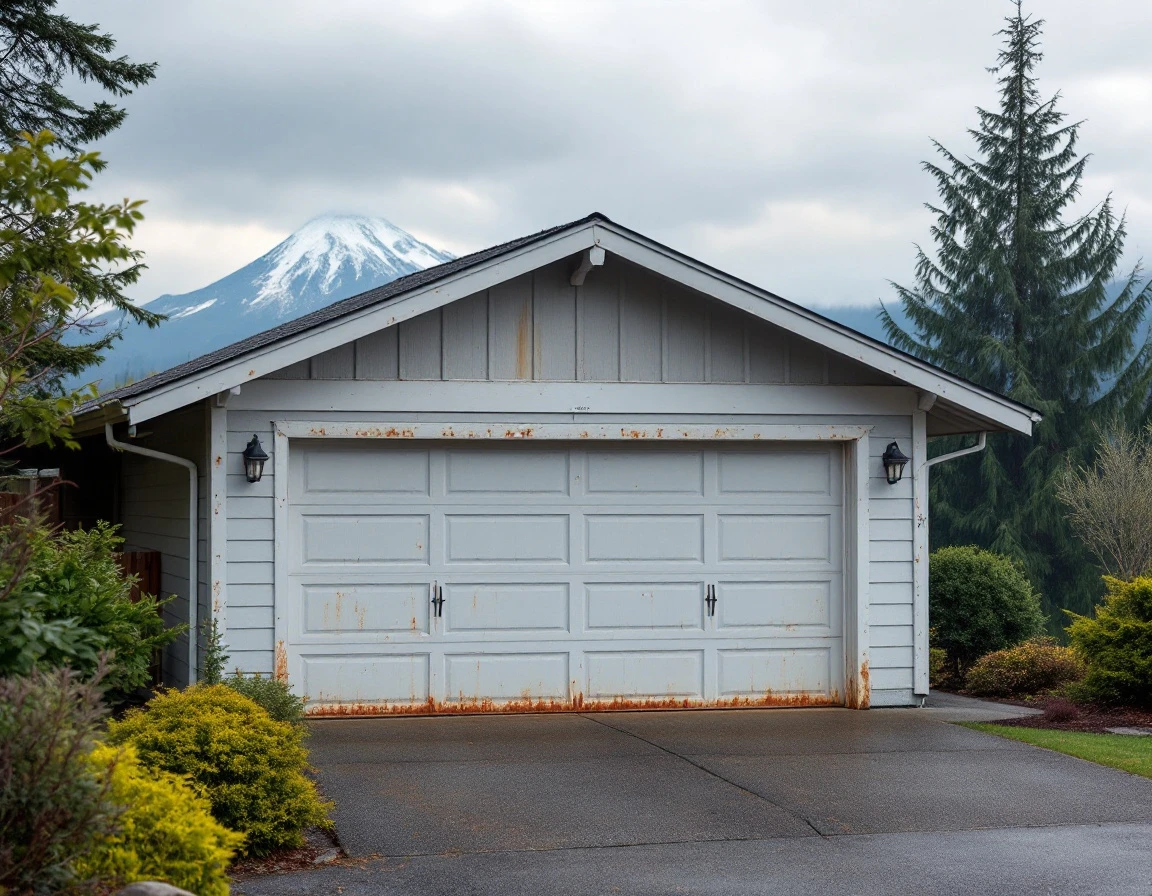
Weakened garage door springs announce themselves before they break. Stand inside your garage and manually lift the door about three feet, then release it. A healthy spring system holds the door in place. If the door drops or rises on its own, the springs have lost tension. Look closely at the tightly wound coils above the door. Fraying metal strands, visible gaps between coils, or surface rust indicate a spring nearing failure. When you open the door, listen for grinding or creaking sounds that weren’t there last season—these warn that internal spring components are wearing through their protective coating.
Panels: Feel for Movement
Press firmly on each door panel with both hands while the door is closed. Solid panels feel rigid with no flex or rattling. Compromised panels shift under pressure, produce audible rattling sounds, or show visible buckling at their centers. Check where panels connect to each other—gaps wider than a credit card edge suggest loosened fasteners or damaged hinges. These weak points become wind entry zones during Gorge gusts.
Tracks: Watch the Motion
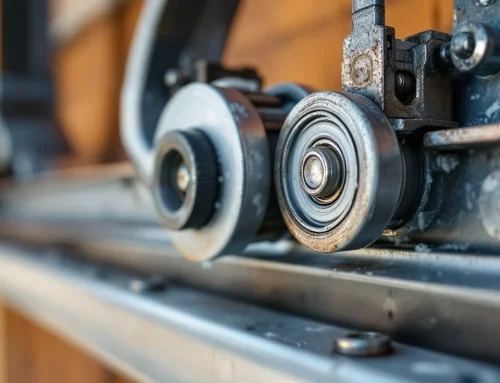
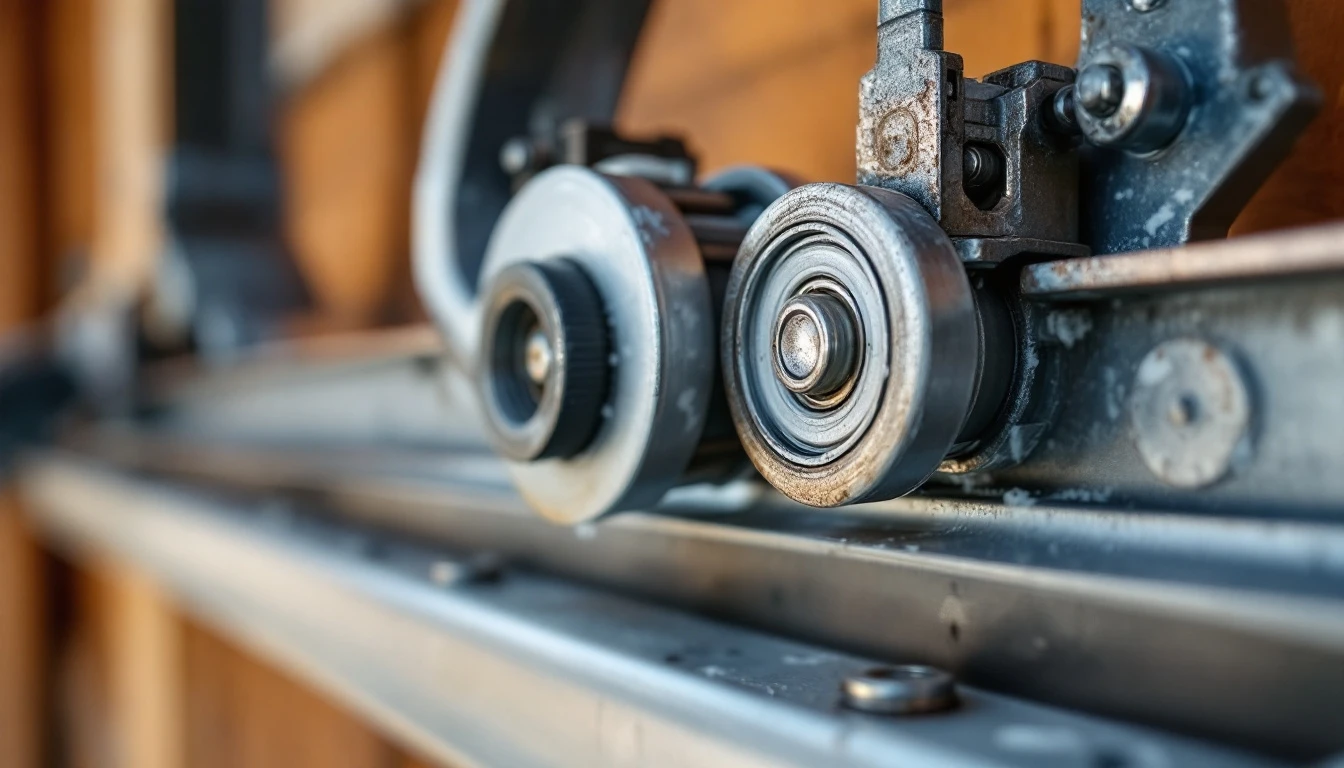
Operate your door slowly and watch both tracks simultaneously. The door should glide smoothly at consistent speed from bottom to top. Binding, jerking, or one side moving faster than the other signals misalignment. Visually inspect the gap between rollers and track edges—more than a quarter-inch indicates the track has shifted from its mounting brackets.
Weatherstripping and Hardware
Run your hand along all weatherstripping, feeling for cracks, missing sections, or hardened rubber that’s lost flexibility. Shine a flashlight along door edges in daylight—visible light means air (and wind) can penetrate. Examine every bolt, hinge, and cable bracket for rust—not just surface discoloration, but flaking or pitted metal that compromises structural integrity.
Address loose hardware and replace weatherstripping yourself. Call Garage Harmony for spring issues, panel damage, or track misalignment—these repairs require specialized tools and training to complete safely.
DIY vs Professional Repair
Some May inspection discoveries you can fix yourself. The following are safe homeowner tasks that require only basic tools and no specialized knowledge:
- Weatherstripping replacement
- Bolt tightening
- Track cleaning
Tightening loose hardware takes minutes and prevents panel rattling during Gorge gusts.
But spring replacement crosses into dangerous territory. Garage door springs store hundreds of pounds of tension—enough to cause severe injury if they snap during amateur repair.
The cost of a botched spring job (emergency room visit plus professional repair) far exceeds hiring qualified help upfront.
Track misalignment seems approachable but demands precision tools and expertise. Panels that wobble during operation need professional realignment to function safely in high winds. Schedule professional assessment before June when Gorge winds peak—Garage Harmony’s team handles the dangerous work while you maintain the simple preventive tasks.
Preventive Maintenance Cost-Benefit
What does it cost to prevent wind damage versus what does it cost to repair it? The numbers tell a compelling story for Stevenson homeowners.
A May inspection runs $0–150 for DIY using the checklist above, or $75–200 for a professional diagnostic. Preventive repairs like spring replacement, weatherstripping renewal, and track adjustment typically cost $200–600. These modest expenses happen on your schedule, before anything breaks.
Emergency wind damage repair tells a different story. When 60 mph Gorge gusts tear panels loose or collapse a door, you’re looking at $1,500–5,000 or more for panel replacement, structural repairs, and emergency service calls. That’s ten times the cost of prevention, often with days of exposure while you wait for parts.
A wind-rated door upgrade costs $1,200–3,000 upfront. But it functions as insurance. For that one-time investment, you eliminate wind damage risk for 15+ years. In the Columbia Gorge’s extreme wind environment, a wind-rated door pays for itself by avoiding even a single major repair event.
Wind-Rated Door Upgrade Path
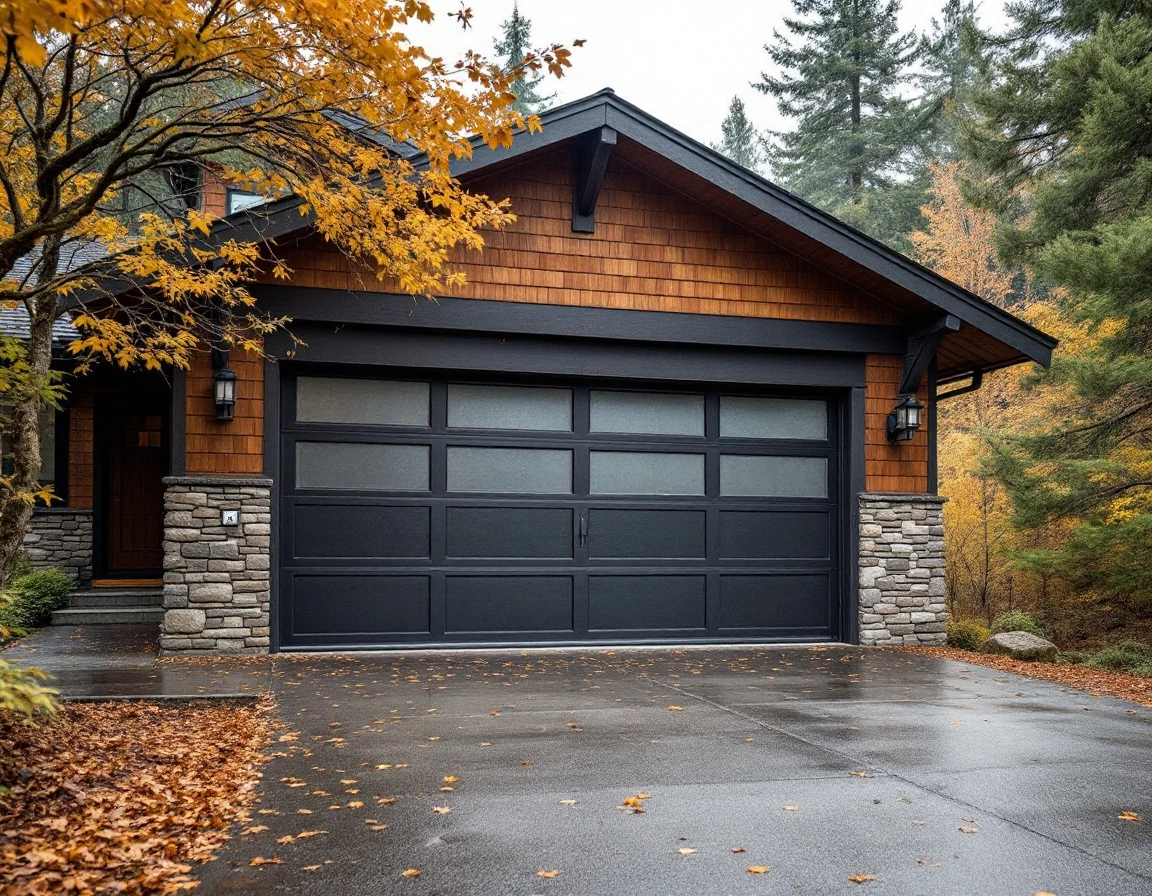
Wind-rated garage doors engineered for the Columbia Gorge withstand 120+ mph wind loads—double the capacity of standard residential doors. These doors feature reinforced steel panels that resist sustained pressure, heavy-duty hinges that hold under repeated wind cycling, and specialized hardware that won’t fail when gusts hammer your property.
What sets wind-rated doors apart? The engineering. Standard doors use hollow panels and light-duty hinges. Wind-rated models incorporate thicker steel, internal bracing, and industrial-grade springs rated for extreme load fluctuations. For Stevenson homeowners facing predictable 40-80 mph Gorge winds, this upgrade eliminates wind damage risk entirely.
Timing matters for budget planning. Installing a wind-rated door in May uses the pre-season window before peak wind exposure arrives. Alternatively, homeowners can wait until fall after wind season ends, spreading costs across the year. Check with your insurance provider—many carriers offer premium discounts or partial coverage for wind-resistant upgrades, offsetting installation costs while protecting your property investment long-term.
May Action Checklist for Garage Door Maintenance Before Wind Season
Now that you understand Stevenson’s wind risks and inspection priorities, here’s your timeline to prepare before the Gorge’s peak gusts arrive. Start week one or two of May with either a DIY walk-through using our five inspection points or a professional assessment—this early timing avoids the seasonal rush when repair companies book out weeks in advance.
During your inspection, document panel gaps, track alignment, and spring condition with photos. These reference images help professionals provide accurate quotes and create a baseline for tracking future wear. Weeks two through three. Obtain repair quotes from local professionals for any issues you identified—whether that’s spring replacement, track adjustment, or panel reinforcement.
Decide between targeted repairs and full wind-rated upgrades based on your door’s age and the cost comparisons we outlined. By the end of May. Complete repairs or installation so your door stands ready when June brings those 40-80 mph gusts screaming down the Columbia River corridor. This proactive timeline transforms potential wind damage into a preventable problem you’ve already solved.



Leave A Comment