

Central Oregon’s Extreme Temperature Swings
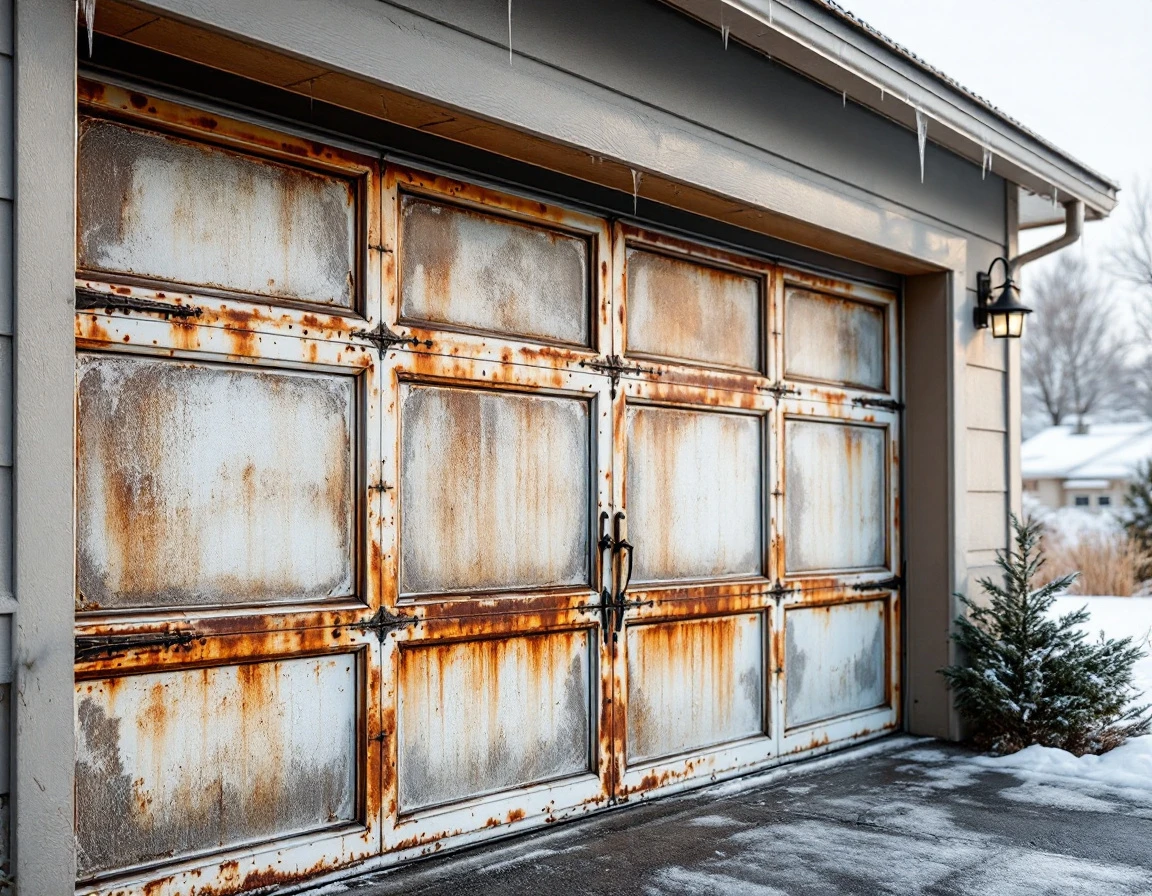
Madras sits in Oregon’s high desert, where your garage door springs face a punishing pattern that homeowners in Portland or Eugene never experience. The Madras garage door spring freeze thaw damage problem starts with what locals know well: while the afternoon sun warms your garage to 50°F or higher, temperatures plummet below freezing once night falls. These 40-degree temperature swings happen daily throughout winter, creating mechanical stress that accumulates with each cycle.
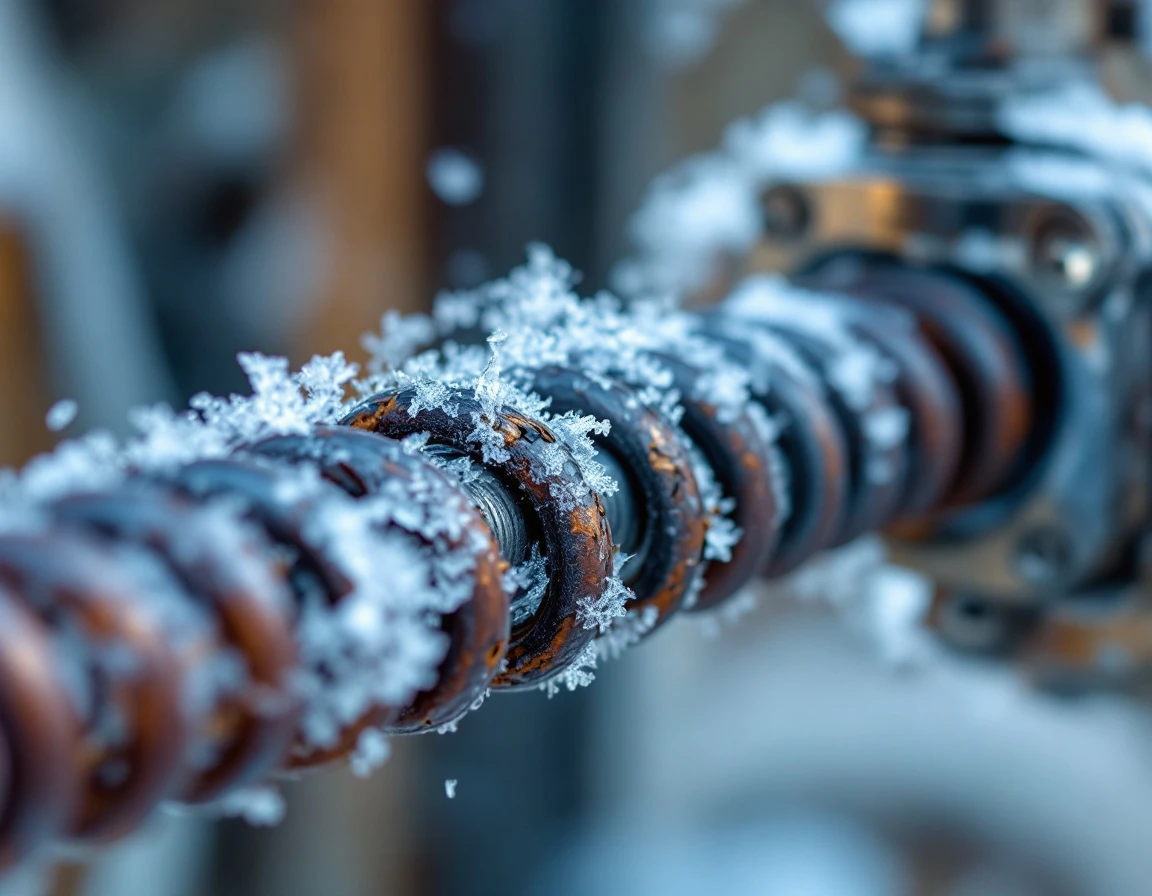
Here’s what happens to your garage door springs during these rapid changes: metal expands when temperatures rise during the day, then contracts when freezing temperatures return at night. This constant expansion and contraction fatigues the metal far faster than the gradual seasonal changes that occur in milder climates. Think of it like bending a paperclip back and forth—each cycle weakens the structure until it eventually snaps.
The high-desert freeze-thaw pattern makes Central Oregon particularly harsh on garage door components. Springs weaken with every temperature cycle, and this accumulated damage reduces spring lifespan measurably compared to regions with stable winter temperatures. A spring that might last 10,000 cycles in moderate climates can fail at 5,000-7,000 cycles here in Madras.
Understanding this unique climate challenge is your first defense against unexpected spring failures. When you know why springs fail faster in Central Oregon, you can watch for the warning signs and catch problems before you’re locked out of your garage on a cold May morning.
Why Garage Door Springs Fail Faster in Madras From Freeze Thaw Cycles
Metal fatigue is a cumulative problem that works like repeatedly bending a paperclip back and forth. Each freeze-thaw cycle stresses the steel coils, creating microscopic fractures that gradually weaken the spring’s structure. Over time, these tiny failures add up until the spring can no longer support your garage door’s weight.
In Madras, garage door springs face 150+ freeze-thaw cycles per winter season. Compared to just 20-30 cycles in Portland or Salem. This relentless cycling means your springs accumulate damage five to seven times faster than those in milder Oregon climates. A spring that might last 10-12 years in the Willamette Valley typically survives only 6-8 years in Central Oregon’s high desert conditions.
Every spring leaves the factory with minor imperfections—slight variations in coil tension, tiny surface irregularities, or microscopic inclusions in the steel. In mild climates, these manufacturing weaknesses rarely matter. But under Madras’s extreme temperature cycling, these pre-existing defects become critical failure points. What would remain a harmless flaw for a decade in Portland becomes a break point in half that time here.
Understanding this accelerated wear pattern helps explain why post-winter inspections are important for Madras homeowners. The damage isn’t visible until it’s nearly complete, making proactive replacement based on age and cycle count more reliable than waiting for warning signs.
Five Damage Indicators to Inspect in May
May is the perfect time to inspect your garage door springs for winter damage. With Madras’s harsh freeze-thaw cycles behind you, here are five warning signs to check before a complete spring failure leaves you stranded.
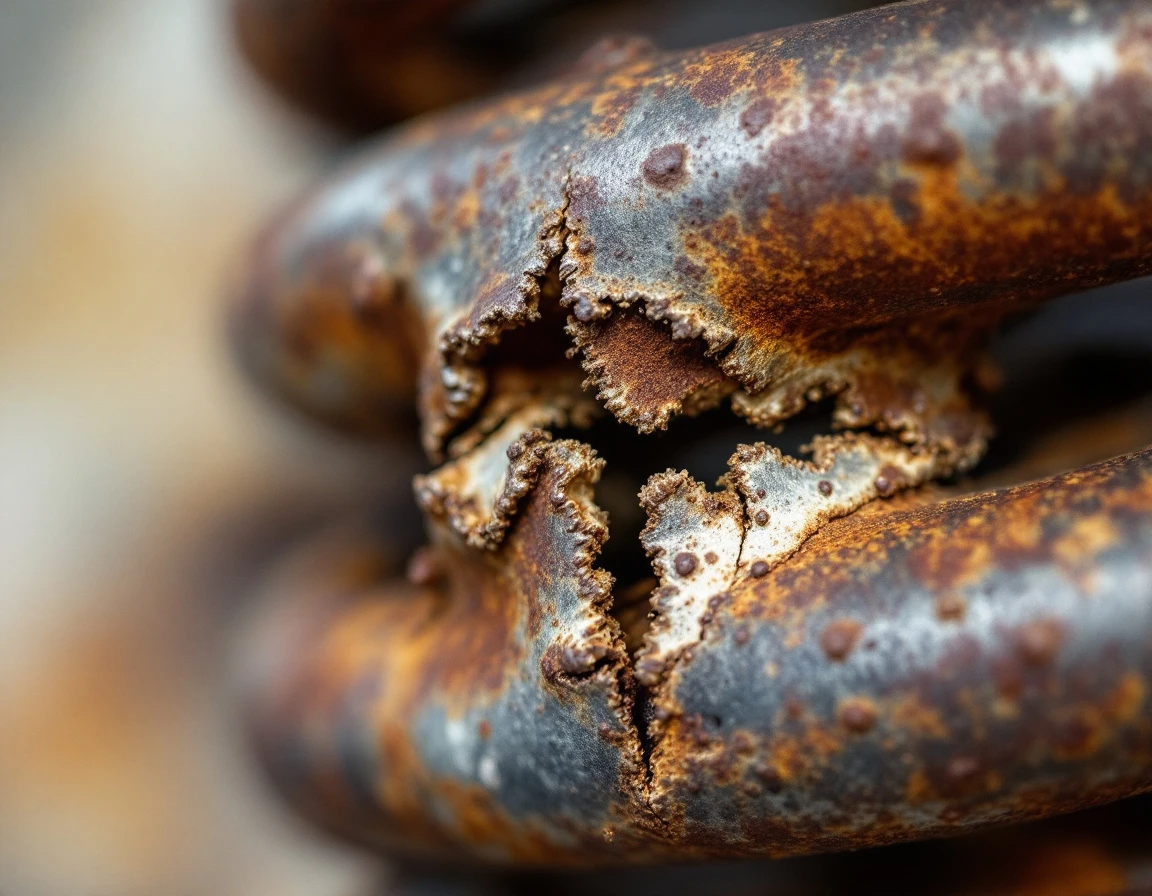
- Visible Rust or Pitting on Spring Surfaces: Look closely at the coils of your torsion springs mounted above the door. Rust doesn’t just make springs look bad—it creates weak points where breaks start. Freeze-thaw moisture cycles cause condensation that settles on metal surfaces overnight, then evaporates during the day. This constant wet-dry pattern eats through protective coatings and creates pitting. Shine a flashlight along the entire length of each spring, checking for orange-brown discoloration or small crater-like indentations in the metal.
- Audible Creaking or Popping Sounds: Does your garage door make unusual noises when opening or closing? Creaking, popping, or snapping sounds indicate internal fractures forming inside the spring coils. These micro-cracks develop when metal fatigues from repeated expansion and contraction. Stand inside your garage and manually operate the door slowly, listening carefully during the first few feet of travel when spring tension is highest.
- Uneven Door Height or Slow Opening: If one side of your garage door sits higher than the other when partially open, you likely have a weakening spring. Madras’s temperature swings don’t affect both springs equally—sun exposure and moisture patterns vary. A door that hesitates or moves sluggishly also signals declining spring strength. Test this by opening the door halfway and releasing it. A balanced door should stay put, not drift up or down.
- Jerky Motion or Sagging Appearance: Watch your door’s movement pattern carefully. Healthy springs provide smooth, consistent lifting force. When springs lose tension from freeze-thaw fatigue, doors jerk or lurch during operation. You might also notice the door sagging in the middle when closed, creating a visible gap at the bottom seal.
- Water Staining on Garage Ceiling Near Springs: Look up at the ceiling directly above and around your springs. Brown or yellow water stains indicate moisture accumulation that’s destroying rust protection. This happens when warm garage air meets cold metal during Madras’s winter nights, creating condensation that drips onto ceiling surfaces. These stains warn that your springs are experiencing the exact moisture exposure that accelerates corrosion and failure.
Safe Inspection Process for Homeowners
Garage door springs store hundreds of pounds of tension and can cause serious injury if mishandled.
Never attempt to adjust, touch, or repair springs yourself.
Visual inspection from ground level is completely safe and provides exactly what you need to share with a professional technician.
Stand at least six feet from the door and examine the springs mounted above the garage door opening. Use your phone camera to photograph any visible rust, gaps in coils, or areas where the spring coating appears damaged. Capture both springs from multiple angles in good lighting. These photos give technicians critical information before they arrive.
Schedule your May inspection before Central Oregon’s summer heat arrives. Early detection means you can plan repairs during mild weather rather than facing an emergency failure during a January cold snap when springs are under maximum stress from temperature extremes.
Professional Inspection After Winter
While homeowners can spot obvious damage during visual checks, professional technicians bring specialized equipment that measures spring tension, detects hairline fractures invisible to the naked eye, and assesses cable wear patterns. May is the ideal month for this service—early enough to schedule repairs before summer heat amplifies metal stress, but late enough that all winter damage has manifested.
A professional inspection typically costs $75-150 and includes tension testing, complete lubrication, and thorough pulley assessment. Compare this to a $300-500+ emergency repair when a spring snaps mid-season, and the value becomes clear. Technicians can identify springs operating at 80% capacity that will fail within months, allowing you to replace them on your schedule rather than during a weekend lockout.
For Madras homeowners who’ve identified warning signs during their garage door spring inspection after winter, scheduling professional service now prevents the inconvenience and expense of summer failures. Contact our Madras garage door repair team to assess winter damage before it becomes an emergency.
Spring Replacement & Prevention Steps
If your May inspection reveals rust, uneven door movement, or audible creaking, spring replacement protects you from winter emergency failures. In Madras, basic torsion spring replacement typically costs $200-400, though prices vary based on door weight and spring configuration. For homeowners facing repeated failures, upgrading to heavy-duty springs rated for 20,000+ cycles delivers better long-term value despite higher upfront costs. These high-cycle springs are specifically engineered to handle the rapid temperature swings that define Central Oregon’s climate.
Madras homeowners should plan replacement every 6-8 years rather than the typical 10-12 year cycle recommended for milder climates. This shortened timeline reflects the accelerated wear caused by those 150+ annual freeze-thaw cycles discussed earlier. When selecting replacement springs, ask your technician about models designed for extreme temperature fluctuations—these specialized components resist the expansion-contraction stress that destroys standard springs prematurely.
Beyond replacement, preventive maintenance extends spring life by 1-2 years. Lubricate your springs every six months using white lithium grease or spray lubricant designed for garage doors. This simple step reduces friction and prevents moisture accumulation that accelerates rust formation. Speaking of moisture, controlling humidity in your garage through proper ventilation helps protect metal components year-round.
May offers the ideal replacement window for Madras homeowners. Completing spring work now means you avoid emergency repairs during January’s bitter cold when springs fail most frequently. You’ll also dodge the intense summer heat that makes garage work miserable and stresses newly installed components during their critical break-in period.
Schedule your replacement or upgrade this month, and you’ll enter next winter with springs prepared to handle whatever Central Oregon’s climate delivers.




Leave A Comment