

Riverside Moisture & Accelerated Corrosion: Garage Door Rust Humidity in Kalama
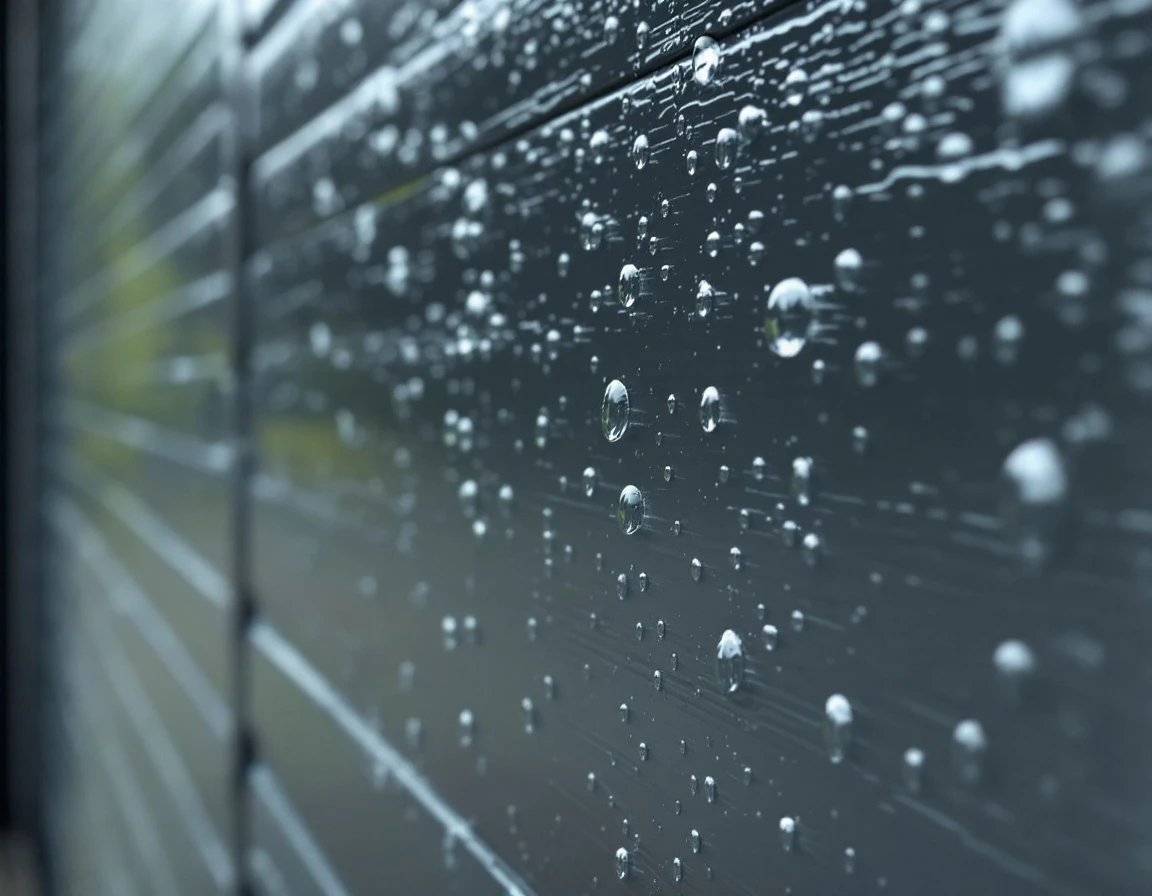
Living along the Kalama River comes with scenic beauty—and a hidden challenge for your garage door. Kalama’s riverside location creates persistent humidity 15-25% higher than inland North Clark County properties. Particularly during the spring and early summer months when fog settles along the river corridor from May through July. This moisture exposure accelerates garage door rust humidity challenges that coastal and riverside homeowners face year-round.
This isn’t a maintenance failure on your part. It’s basic material science. Steel panels and springs exposed to improved moisture levels experience accelerated rust formation that shortens their lifespan by 3-5 years compared to drier regions. The corrosion process begins microscopically—long before you notice visible staining on your panels.
Why does this happen? Water molecules interact with iron in steel components, creating iron oxide (rust) through an electrochemical reaction. Higher humidity means more frequent moisture contact, especially when fog creates condensation on metal surfaces. Understanding this riverside microclimate is the first step toward choosing rust-resistant materials and implementing maintenance routines that work with your environment rather than fighting against it.
Material Selection for High-Moisture Climates
Choosing the right door material is critical for extending lifespan in Kalama’s riverside environment. Here’s a practical decision framework based on your budget and maintenance tolerance.
- Galvanized or polyester-coated steel doors offer the best balance for most North Clark County homeowners managing garage door moisture protection. The protective coating resists rust formation for 7-10 years in humid conditions, compared to just 2-3 years for cheaper uncoated steel. Polyester coatings provide superior moisture barrier performance, while galvanized steel relies on sacrificial zinc protection that gradually depletes.
- Aluminum and composite doors eliminate corrosion worry entirely. These materials never rust, though they cost 20-30% more upfront. Over 15 years, this premium often balances out through eliminated repair expenses and longer replacement intervals.
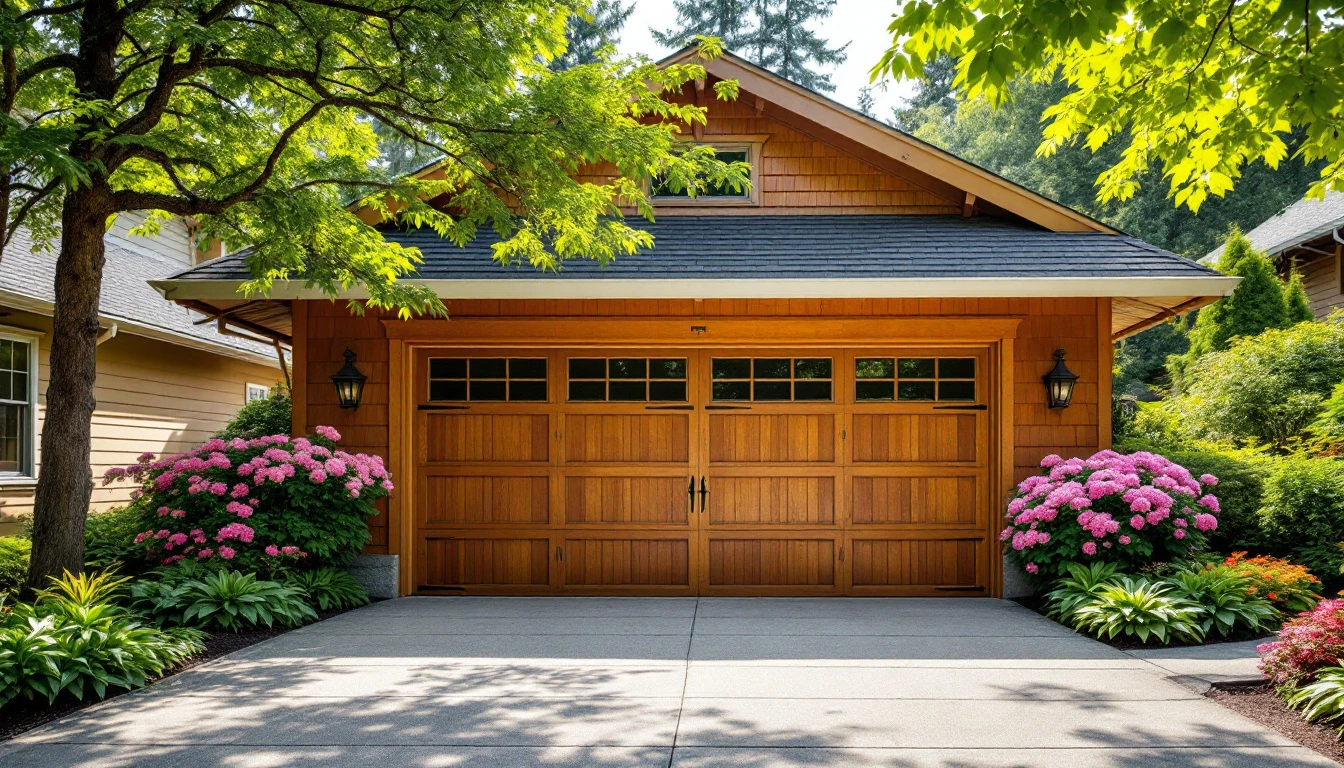
- Wood doors require specialized weather-resistant finishes and monthly inspection to survive Kalama’s humidity—making them impractical for most riverside properties.
- Insulated panels trap less internal condensation than single-layer construction, reducing moisture damage from within the door cavity itself.
Seasonal Humidity Management May–October
Kalama’s spring fog and summer humidity demand a month-by-month approach to garage door maintenance. Rather than reacting to rust after it appears, this calendar helps you stay ahead of moisture damage throughout the humid season. These seasonal steps address the unique challenges of preventing garage door rust in wet climates along the river.
May: Post-Winter Inspection Month
Start by inspecting all door panels for rust staining left by winter moisture. Clean out drain channels along the door bottom—these often clog with debris and trap water against steel components. Check weatherstripping for gaps or compression damage from freezing temperatures. Replace any cracked sections before June fog arrives.
June–August: Active Ventilation Period
June brings morning fog rolling off the Columbia River. Run exhaust fans or open garage windows during foggy hours to prevent moisture accumulation. In July and August, check weekly for condensation on the door’s interior surface and garage ceiling. Apply touch-up protective coating to any bare metal spots immediately—summer heat accelerates rust once it starts.
September–October: Pre-Winter Sealing
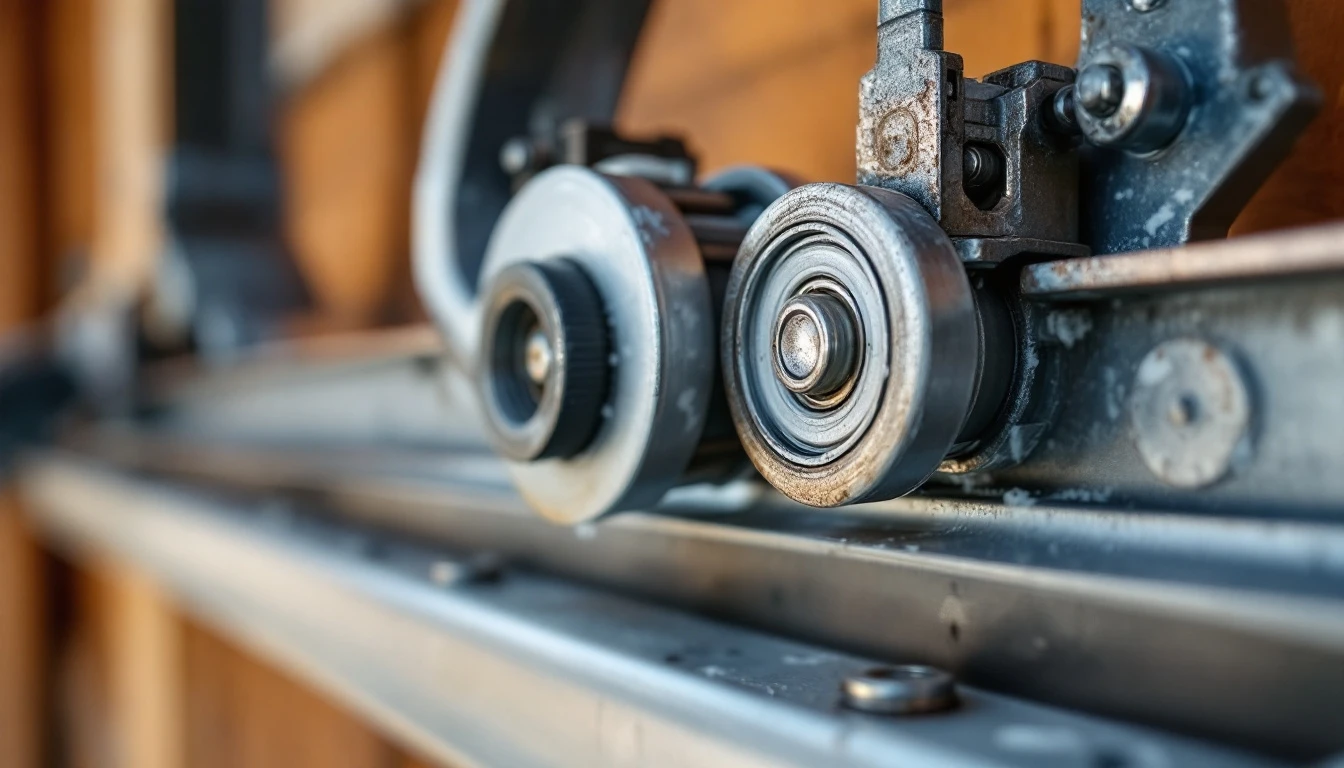
Test your garage door operation as temperatures drop. Listen for new grinding sounds that indicate moisture-swollen wood or corroded rollers. Seal any gaps in weatherstripping before October rains combine with falling temperatures. This preparation prevents water infiltration during winter freeze-thaw cycles.
Beyond seasonal tasks, inspect door surfaces weekly for new rust spots and examine protective coatings monthly. A quarterly deep cleaning removes salt residue and organic matter that trap moisture against steel panels.
Preventive Maintenance & Rust Stopping
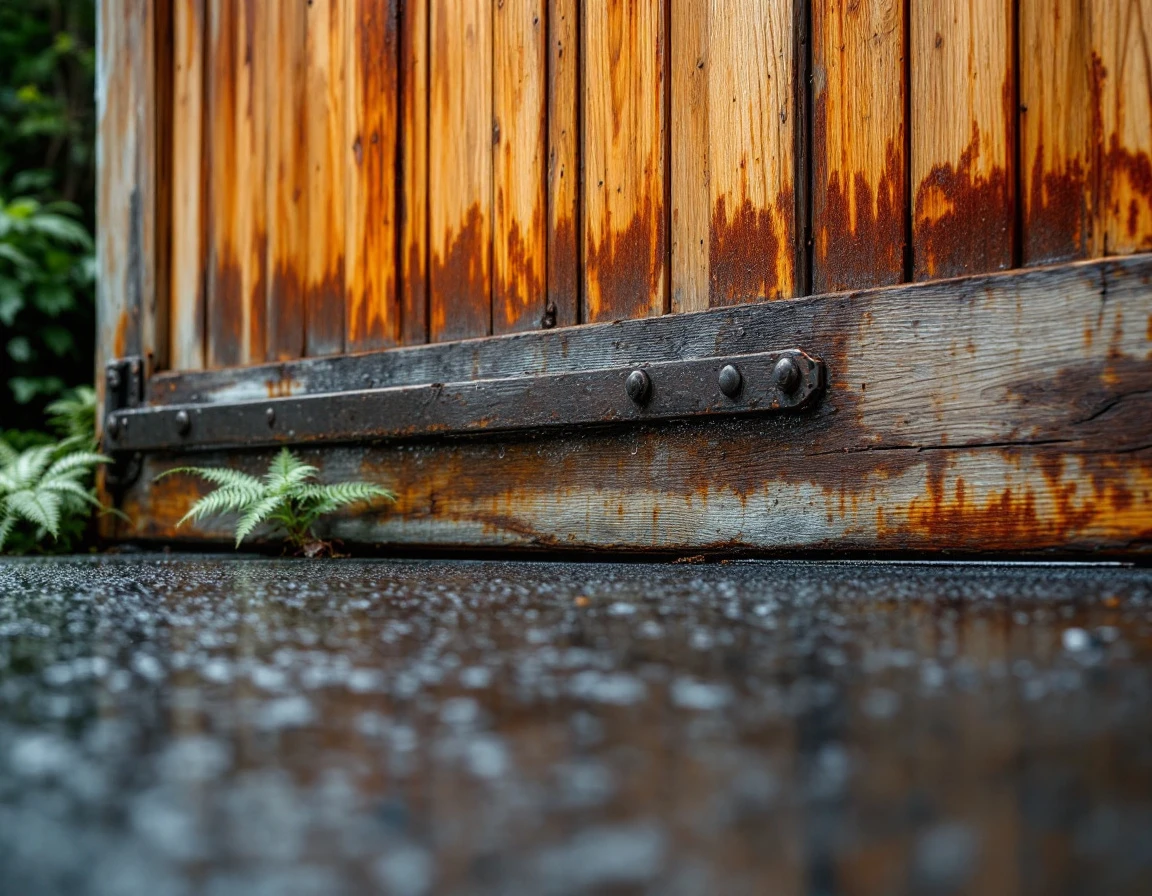
Monthly inspections catch rust at the reversible stage. Walk around your garage door and look for white oxidation film forming on steel panels, water stains pooling along bottom sections, or light brown discoloration where moisture collects near weatherstripping. These early warning signs appear months before structural damage begins.
Quarterly deep cleaning removes the invisible culprits that trap moisture against metal. Use a mild detergent mixed with warm water and a soft brush to scrub away mineral deposits from Kalama River humidity, pollen, and debris that creates corrosion pockets. Pay special attention to panel seams and horizontal surfaces where water sits.
When you spot bare metal, act immediately. Apply rust converter first—available at any hardware store for $8–12 per bottle—which chemically transforms surface rust into a stable coating. Once dry, cover with touch-up enamel matched to your door color. This two-step process takes 15 minutes per spot and stops corrosion from spreading beneath the paint.
Regular upkeep extends door life in riverside conditions. These three tasks require minimal material investment and a modest time commitment each quarter. Compare that to the cost of a full door replacement, and the case for preventive maintenance becomes compelling.
When to Repair vs. Replace
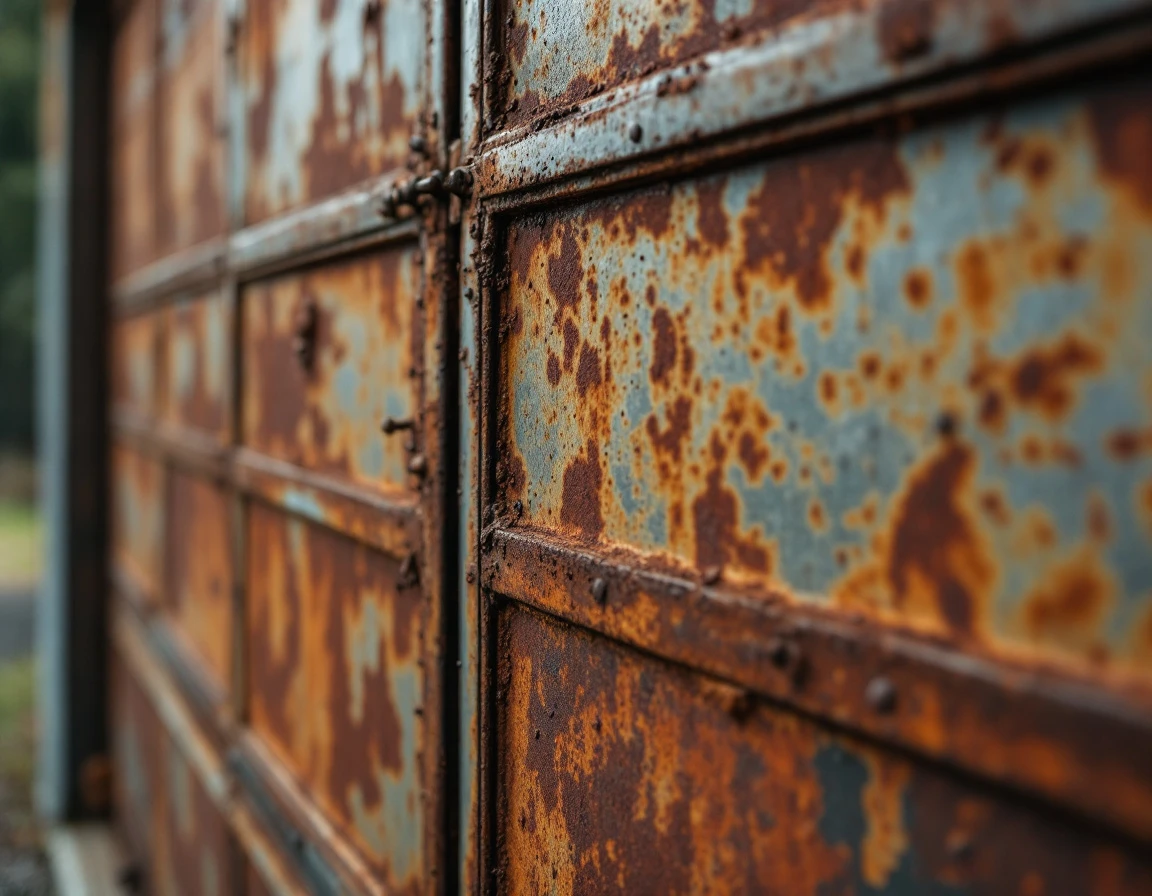
Not all rust damage requires a full door replacement. Surface rust without visible pitting responds well to treatment with rust converter and marine-grade enamel, costing $75–200 and typically restoring 5+ years of functional life. This approach works when corrosion affects only the outer paint layer and hasn’t compromised the metal underneath.
Once rust creates visible pitting or panel denting. You’re looking at panel replacement ($300–700 per panel) or full door replacement ($1,500–3,000). Riverside garage door maintenance in Kalama should prioritize replacing doors at 12–15 years rather than waiting for failure, because riverside humidity accelerates hidden internal corrosion on springs and cables even when panels appear intact from outside.
Structural rust on springs, cables, or tracks demands immediate professional inspection. This level of damage usually indicates 10+ years of moisture exposure and creates safety hazards. Understanding when to cut losses and invest in moisture-resistant replacement materials prevents sudden failure and protects your investment for the next decade.
Riverside Living: Long-Term Protection Strategy for Garage Door Rust Humidity
Combining material selection with consistent maintenance creates a realistic path to 15+ years of garage door performance in Kalama’s riverside climate. Choose polyester-coated steel or composite materials at installation, then commit to quarterly maintenance—cleaning drainage channels, applying coating touch-ups, and monitoring condensation from May through October. This investment costs $1,200–1,500 over ten years for maintenance supplies and one panel replacement, compared to $3,000–4,000 for premature full replacement caused by rust neglect.
Your next step depends on your door’s current condition. Use the repair-versus-replace checklist from the previous section to assess rust severity this May. If the door shows only surface oxidation, start the seasonal maintenance routine immediately. If structural rust appears in bottom panels or along edges, budget for replacement within twelve months and invest in moisture-resistant materials. Your riverside location won’t change—the maintenance routine becomes part of homeownership.
Contact a local Garage Harmony specialist for a professional moisture assessment if you’re uncertain about rust severity or material selection for replacement doors.


Leave A Comment