


Hillsboro’s Master-Planned Garages & Climate
The three-car attached garages in Hillsboro’s tech-corridor neighborhoods—places like Orenco Station and AmberGlen—come equipped with modern opener systems and torsion springs engineered for temperate climates. These components perform reliably in drier regions, but the Tualatin Valley’s weather tells a different story. Proper garage door maintenance in Hillsboro is essential for protecting your investment against the region’s unique moisture challenges.
With more than 40 inches of annual rainfall, persistent morning fog from October through March, and humidity that settles into valley floor communities, Hillsboro creates conditions that accelerate corrosion on circuit boards and weaken spring steel. The moisture doesn’t just cause typical wear—it triggers a distinct pattern of damage that catches many homeowners off guard.
Most residents don’t realize that Pacific Northwest moisture damage requires season-specific prevention protocols rather than standard maintenance routines. The electronics in modern openers cannot withstand the constant dampness that seeps into attached garages during our wet winters.
Emergency repair calls at Garage Harmony spike between November and January, when opener failures and spring breaks cluster together. The pattern is clear: foggy, damp weather creates the perfect environment for system failures. Homeowners who implement humidity-aware maintenance routines before winter avoid these costly breakdowns.
Four Critical Pre-Winter Maintenance Tasks for Garage Door Maintenance Hillsboro
Late September through early October offers the perfect window to prepare your garage door system for Hillsboro’s wet season. These four preventative tasks take less than an hour to complete but prevent emergency calls during winter months when fog and rain create the harshest conditions.
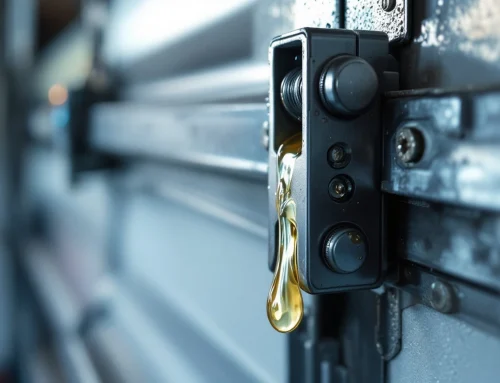
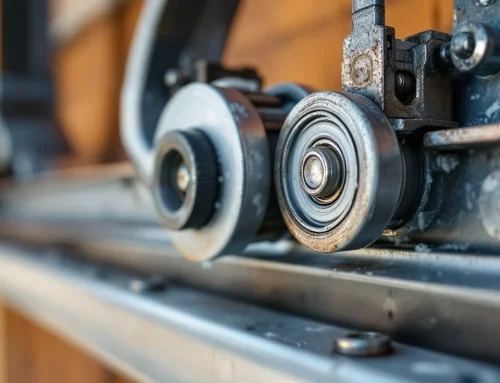
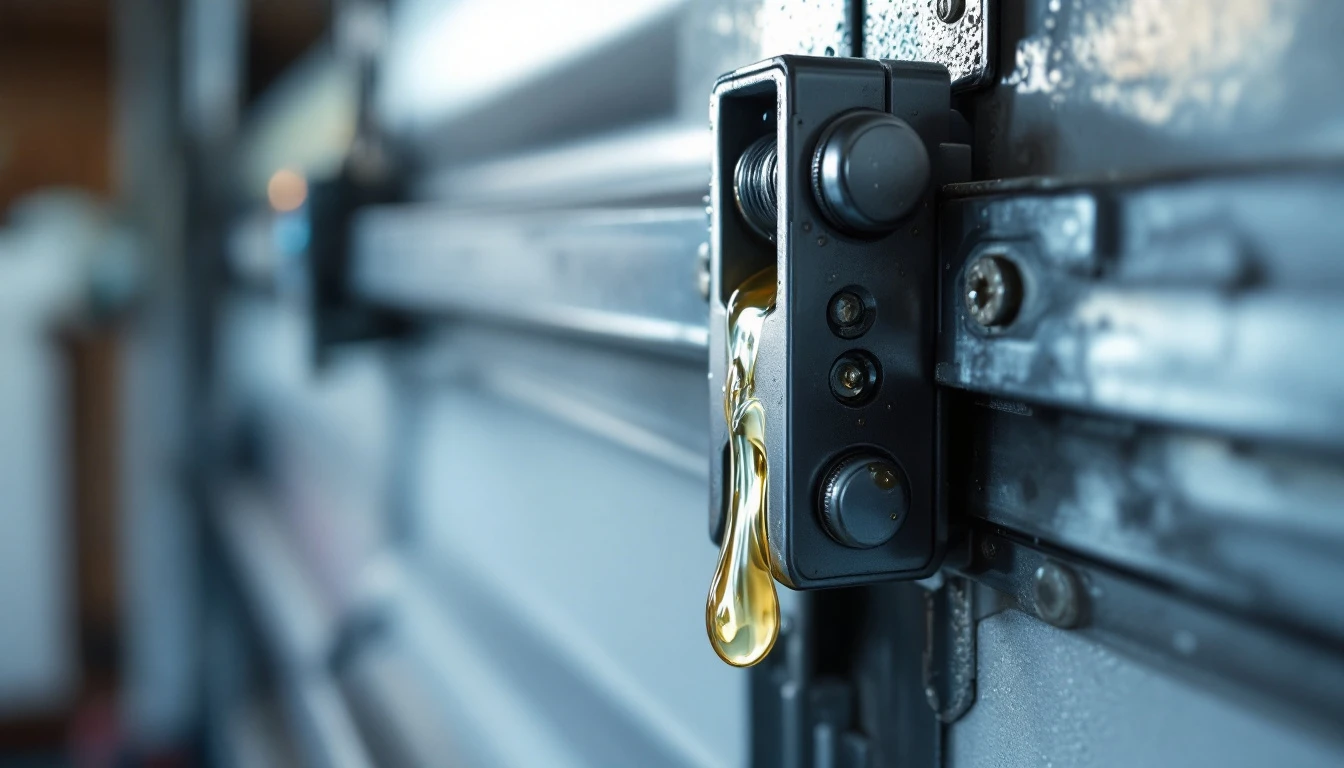
- Lubricate Moving Parts to Block Rust Formation – Apply silicone-based lubricant to all rollers, tracks, and hinges before moisture accumulates. Unlike oil-based products that attract dust, silicone repels water while keeping components moving smoothly. Focus on metal-to-metal contact points where rust typically begins during winter’s persistent dampness.
- Test and Clean Safety Sensors Monthly – Valley fog interferes with sensor beams, causing false stops that leave your door open to the elements. Test the auto-reverse function by placing a cardboard box under the closing door. Clean sensor lenses with a dry cloth, removing any moisture or debris that accumulated during summer months. This simple step prevents frustrating malfunctions during morning fog.
- Replace Weatherstripping Before Heavy Rains – Inspect the rubber seal along your door’s bottom edge and the weatherstripping around the frame. Cracked or brittle seals allow water to pool inside your garage, damaging stored items and promoting rust on door components. Replace compromised seals now rather than discovering leaks during November’s heaviest rainfall.
- Listen for Spring Fatigue Symptoms – Examine spring coils for gaps or stretching while the door operates. Listen for popping sounds or observe whether the door sags to one side. These symptoms indicate imminent spring failure, which happens most frequently when cold temperatures stress already-fatigued metal. Addressing spring issues in fall prevents dangerous mid-winter failures when emergency service costs more and response times stretch longer.
Winter Fog & Humidity: Electronics Protection in Wet Climates
Hillsboro’s persistent winter fog creates a specific threat to garage door electronics that many homeowners don’t anticipate. Garage door opener problems in wet climates stem directly from how moisture condenses onto circuit boards inside your opener unit. This condensation doesn’t just evaporate harmlessly—it creates pathways for electrical shorts and accelerates corrosion on delicate electronic components and battery contacts.
The problem intensifies with salt-laden air that drifts inland during winter storms. This moisture carries minerals that corrode battery terminals in your garage door remotes faster than dry-climate conditions would. If you’ve noticed your remote batteries dying more quickly than expected, humidity is likely the culprit. Replace remote batteries every October before winter fog season begins, rather than waiting for failure.
Watch for early warning signs that moisture has infiltrated your opener’s electronics. Does your garage door respond slowly when you press the wall button? Does it reverse unexpectedly mid-cycle? Do you need to press your remote button multiple times before the door responds? These behaviors signal that condensation is interfering with sensor and control circuits.
The cost difference between prevention and emergency repair is clear. Humidity damage to opener electronics demands mid-winter repairs that drain your budget, while preventative maintenance keeps your wallet intact year-round. Contact Garage Harmony before winter fog arrives to protect your investment.
Spring-Summer Monitoring & Rust Prevention
After you’ve completed your pre-winter maintenance, the Tualatin Valley’s May through August window gives you the perfect opportunity to catch rust before it becomes a problem. Why does timing matter? Lower humidity during these months means components dry faster between inspections, and you can apply protective treatments that actually cure properly instead of trapping moisture.
Check your door panels and springs monthly for early warning signs. Surface rust appears as light orange discoloration on steel components, while pitting creates small divots that weaken the metal. If you catch rust at the surface stage, you can reverse it with a wire brush and touch-up paint. Wait until pitting starts, and you’re looking at component replacement.
This is also the ideal season to deep-clean your tracks and reapply weather-protective sealant. The moderate temperatures help sealants bond properly to metal surfaces, creating a barrier that protects through fall and winter.
Listen during operation, too. Creaking or grinding sounds indicate track debris or spring corrosion that worsens with seasonal temperature cycling. Normal operation produces a smooth hum from the opener motor and occasional quiet clicks from rollers. Anything else deserves investigation.
When to Call a Professional for Three Car Garage Maintenance
Some garage door problems go beyond DIY scope, and knowing when to call for help keeps your family safe and prevents small issues from becoming expensive failures. Spring maintenance is strictly professional territory—if you notice sagging, hear popping sounds, or see visible cracks in torsion springs, contact a specialist immediately. DIY spring work is dangerous and voids warranties.
Does your opener still fail after you’ve replaced batteries and cleaned sensors? Persistent problems after basic maintenance often signal internal moisture damage to circuit boards. Which requires expert diagnosis and component replacement. Similarly, track misalignment, cable fraying, or panel warping in three car garage systems demand professional assessment due to system complexity and safety concerns.
Timing matters for Hillsboro homeowners. Schedule your professional inspection by October to avoid winter repair backlogs when fog and rain trigger equipment failures across the valley. Emergency service calls during December and January cost more and force longer wait times. Early fall inspections catch problems before they strand you in the driveway on a cold morning, and professionals can identify humidity damage that DIY checks might miss.
Seasonal Checklist for Tualatin Valley Homes
Bookmark this simple checklist and follow it month by month to prevent winter failures. Breaking maintenance into small seasonal tasks costs far less than emergency repairs when your garage door fails during a January ice storm.
September–October: Pre-Winter Preparation
- Lubricate all moving parts with lithium-based grease
- Test both safety sensors by blocking the beam during closing
- Inspect weatherstripping along the bottom seal and replace any cracked sections
- Check spring tension by disconnecting the opener and manually lifting the door halfway—it should stay in place without drifting down
This preparation window gives you time to address problems before wet weather begins.
November–March: Winter Monitoring
- Check sensor alignment and remote batteries monthly during the rainy season
- Look inside your garage for condensation on walls or the opener housing—moisture buildup signals ventilation problems that will damage electronics
- Avoid opening the door during heavy fog if possible, since dense moisture accelerates circuit board corrosion
April–May: Deep Cleaning Window
- Use the warming weather to deep clean tracks with a degreaser
- Inspect metal components for rust
- Reseal any exposed steel surfaces with rust-preventative spray
This post-winter inspection catches damage before it progresses.
June–August: Summer Maintenance
- Perform monthly visual inspections and listen for grinding or squeaking sounds during operation
- Address minor rust spots immediately with wire brushing and protective coating—small problems caught now prevent expensive winter replacements




Leave A Comment