


Moisture Challenges in Bingen’s Historic Homes
Bingen’s railroad and lumber-era homes face a unique threat that newer properties rarely encounter. Historic home garage maintenance in the Columbia Gorge requires specific attention because the region’s persistent damp climate creates relentless moisture exposure for pre-1970 structures, particularly those built without modern weathersealing standards. These historic garages were constructed when waterproofing meant little more than overlapping boards and basic shingles.
After this past winter’s saturation, May brings a critical window of visibility. Homeowners can now see the rust stains creeping across steel door panels, the soft spots forming in wooden frames, and the water marks tracking up foundation walls. One Bingen property owner discovered this too late—a neglected garage door allowed persistent moisture infiltration that spread rust through the entire track system and rotted the door jamb. The repair bill exceeded $5,000 for structural lumber replacement and new door installation.
Compare that to a neighboring historic home where the owner invested $300 in fresh weatherstripping and bottom seal replacement each spring. Five years later, the original door still operates smoothly with no rot or rust damage. The difference? Preventive maintenance performed right now, when winter damage becomes visible but before the next wet season compounds the problem.
This is your moment to assess vulnerability and prevent costly structural failure.
Spring Inspection Checklist for Period Garages
May in the Columbia Gorge marks the end of freeze-thaw cycles that stress older garage structures. This is your best window to spot damage while winter moisture patterns remain visible on surfaces. Walk through your detached garage on a dry afternoon when light enters at a low angle, making defects easier to spot.
- Metal Hardware and Door Panels: Check hinges, springs, tracks, and exposed panel edges for orange oxidation. Railroad-era garages in Bingen often have original steel hardware that shows rust first at the hinge plates where the door frame meets the structure. Run your finger along the track mounting brackets—any rough texture or flaking indicates active rust that needs wire brushing and primer before summer humidity accelerates corrosion.
- Wood Components: Press a screwdriver tip into door frames, window sills, and weatherstripping attachment points. Soft or spongy wood means rot has started. Pay special attention to the bottom door rail where it contacts the floor—gaps wider than a credit card suggest the wood has deteriorated or the door has sagged. Lumber-era construction used old-growth fir that resists rot better than modern materials, but once it starts, decay spreads quickly in damp Gorge conditions.
- Drainage Systems: Clear debris from perimeter drainage trenches and check that the garage floor slopes toward the door opening. Standing water against the foundation wicks into walls and floor plates. One Bingen homeowner who cleared blocked drainage in May avoided a $3,800 foundation repair. Their neighbor ignored similar pooling—by September, the back wall framing needed replacement.
- Door Seals and Weatherstripping: Close the door and look for daylight gaps. Rubber seals compressed by ice become brittle and tear. Replace any weatherstripping that stays flattened after you release finger pressure—it has lost its spring and will leak air all year.
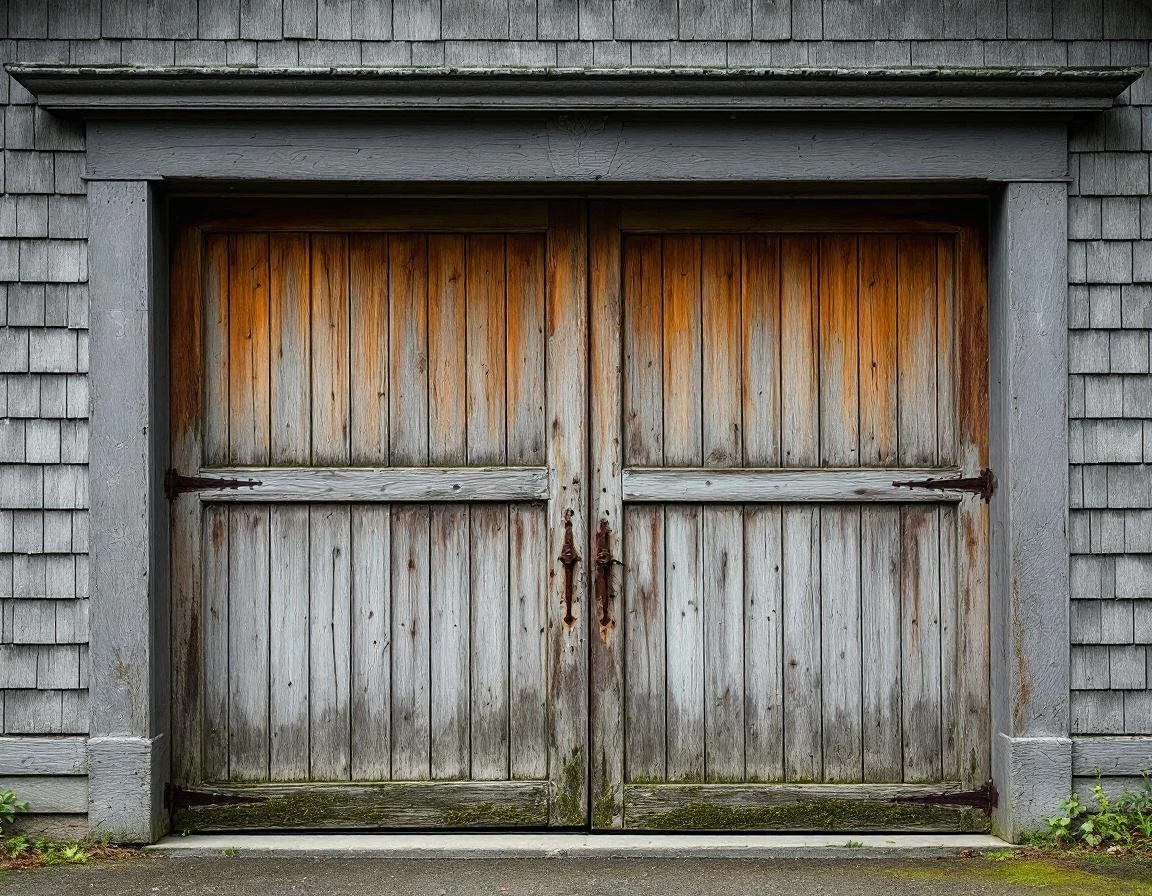
Garage Door Weatherstripping for Historic Properties
Weatherstripping serves as your primary defense against the Columbia Gorge’s persistent moisture. Older garage doors from Bingen’s railroad and lumber era lack the compression seals found on modern doors, leaving gaps that allow rain, snow, and humidity to penetrate storage areas and damage both the door structure and your belongings. Replacement weatherstripping for historic properties can maintain historic character while providing modern protection.
Your garage door needs seals in three locations, and each performs a specific function. The bottom seal keeps water from flowing under the door during storms and prevents snow melt from pooling inside. Side seals stop wind-driven rain from entering through the vertical gaps between the door and jamb—particularly important during Gorge wind events. The top seal prevents moisture from dripping down behind the header, where it causes wood rot in the framing.
Period-appropriate materials preserve original aesthetics. For a 1920s railroad-era garage in Bingen, you might source rubber seals with traditional profiles that match the door’s original design rather than modern vinyl. Felt and foam options exist for specific applications, though both degrade faster in damp climates and require annual inspection. Rubber typically lasts three to five years in Gorge conditions.
The cost-benefit calculation makes weatherstripping replacement an easy decision. A modest investment in complete weatherstripping prevents costly rust repair and wood rot replacement down the road. A local homeowner who replaced deteriorated seals last spring avoided the extensive jamb rot that affected a neighbor who delayed the same repair. Inspect your seals this May and replace any sections showing cracks, compression loss, or gaps.
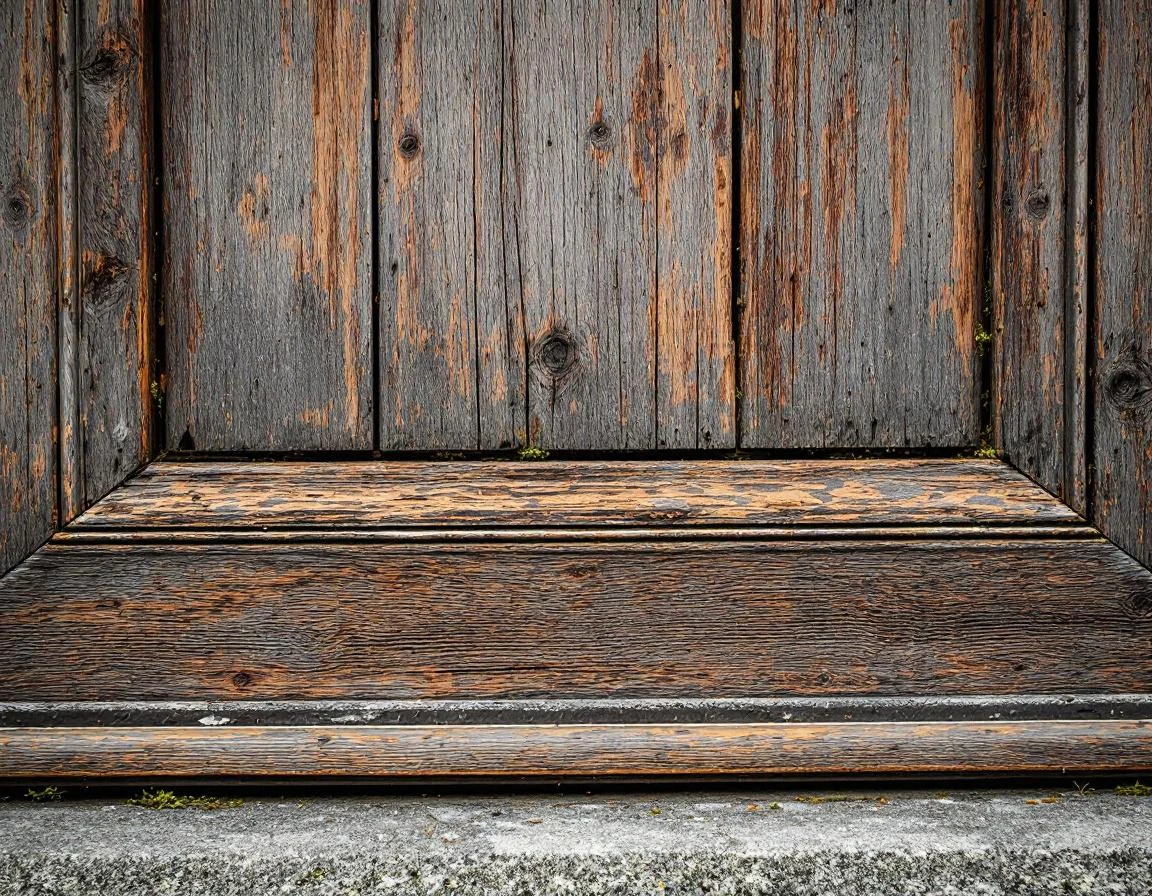
Rust and Rot Prevention in Damp Climate
The Columbia Gorge’s persistent moisture creates perfect conditions for garage deterioration. When humidity hovers above 90% during spring months, metal hardware oxidation begins within weeks of moisture exposure. Springs, hinges, and tracks develop rust spots that weaken structural integrity and cause mechanical failures.
Older Bingen properties face even greater risks when moisture damage prevention for older homes is delayed. Wood frame saturation leads to fungal growth and structural compromise in pre-1970 construction built with non-pressure-treated lumber. Soft spots in garage frames signal advanced rot that spreads rapidly through adjacent wood members.
The financial math is clear: $300 spent annually on weatherstripping replacement and hardware lubrication prevents $8,000+ foundation repairs from water infiltration. Preventive measures cost $200-500; structural repairs cost $5,000-15,000+. May offers the ideal window to address visible rust spots and soft wood before summer humidity accelerates damage. Catch problems early, and a weekend maintenance project prevents years of costly repairs.
Learn more about rust prevention strategies for your property.
DIY Maintenance Tasks and Professional Services
What can you safely handle yourself, and when should you call a professional? Understanding this distinction saves both money and prevents safety risks. This week, start with a thorough DIY inspection of your garage door system.
- Safe DIY tasks include inspecting weatherstripping for gaps or tears, replacing rubber seals on the bottom rail and sides, lubricating rollers and tracks with moisture-resistant silicone spray, and clearing debris from drainage paths and seal channels. These tasks require basic tools and cost $100-200 in materials. Check the door’s alignment by watching it move—if it hesitates or binds, note the location for professional assessment.
- Professional-only tasks include spring adjustment or replacement (under extreme tension and a safety hazard). Wood rot remediation that affects structural framing, full-scope rust conversion treatment requiring specialized acid-based products, and historic door restoration that preserves period character. These jobs require training and equipment beyond typical homeowner capabilities.
Here’s your May timeline: complete your DIY inspection this week, call Garage Harmony for a professional assessment this month, and schedule any needed repairs before July when service demand peaks. Investing $100-200 in preventive DIY maintenance now prevents the $5,000+ cost of delayed professional intervention after structural damage occurs. For a complete maintenance guide covering both DIY and professional tasks, visit our garage maintenance resources.
Sourcing Period-Appropriate Materials
Maintaining historic character while protecting against moisture damage requires specific materials that balance authenticity with performance. Reproduction weatherstripping profiles, hardware finishes, and wood stain colors designed for railroad and lumber-era doors preserve the original appearance while providing modern sealing technology. Rubber gaskets can be installed within traditional molding profiles, creating effective moisture barriers without visible modern components.
Regional suppliers familiar with Columbia Gorge climate requirements and historic preservation standards offer better material selections than big-box retailers. Specialty hardware stores in Hood River and White Salmon stock brass and bronze hardware finishes that match original Bingen installations, while local lumber yards understand which wood species withstand Gorge humidity patterns. These specialists can also connect homeowners with architectural salvage sources for authentic replacement components.
Period-correct materials typically cost $50-150 more than standard alternatives. But this premium protects both structural integrity and property value. Historic homes command higher resale prices when original character remains intact, making authentic weatherstripping and hardware a worthwhile investment that satisfies preservation goals while preventing rot and rust damage.
Next Steps: May Action Plan for Bingen Homeowners
May offers Bingen homeowners a critical window for historic home garage maintenance—winter damage is now visible, weather permits outdoor repairs, and scheduling ahead prevents summer contractor backlog. Here’s your concrete action plan to protect your historic property.
- This week: Conduct the visual inspection checklist outlined earlier. Photograph rust spots, rotted wood, drainage problems, and weatherstripping gaps. Document the current state of your garage door and structural elements while conditions are dry.
- By mid-May: Call for a professional assessment if you discovered active rust, wood rot, or major seal gaps. Getting on the schedule now means repairs happen before June’s moisture returns. An inspection typically costs $100-200 and identifies problems before they become structural emergencies.
- By end of May: Obtain contractor quotes for any needed repairs. Schedule structural work and weatherstripping replacement for completion by early June. This timing means your garage is sealed before summer storms arrive.
- Small investment now: Spending $300-500 this month on inspection and weatherstripping prevents the $5,000+ emergency repair later. Targeted maintenance protects the historic character and structural integrity that define Bingen’s railroad-era homes.
Establish an annual May routine—inspect, repair, seal. Contact Garage Harmony today for a professional assessment specific to Columbia Gorge conditions.”

Leave A Comment