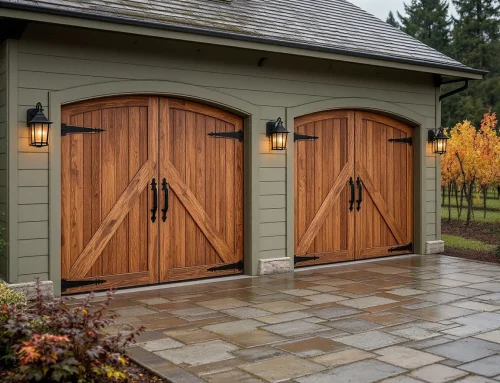
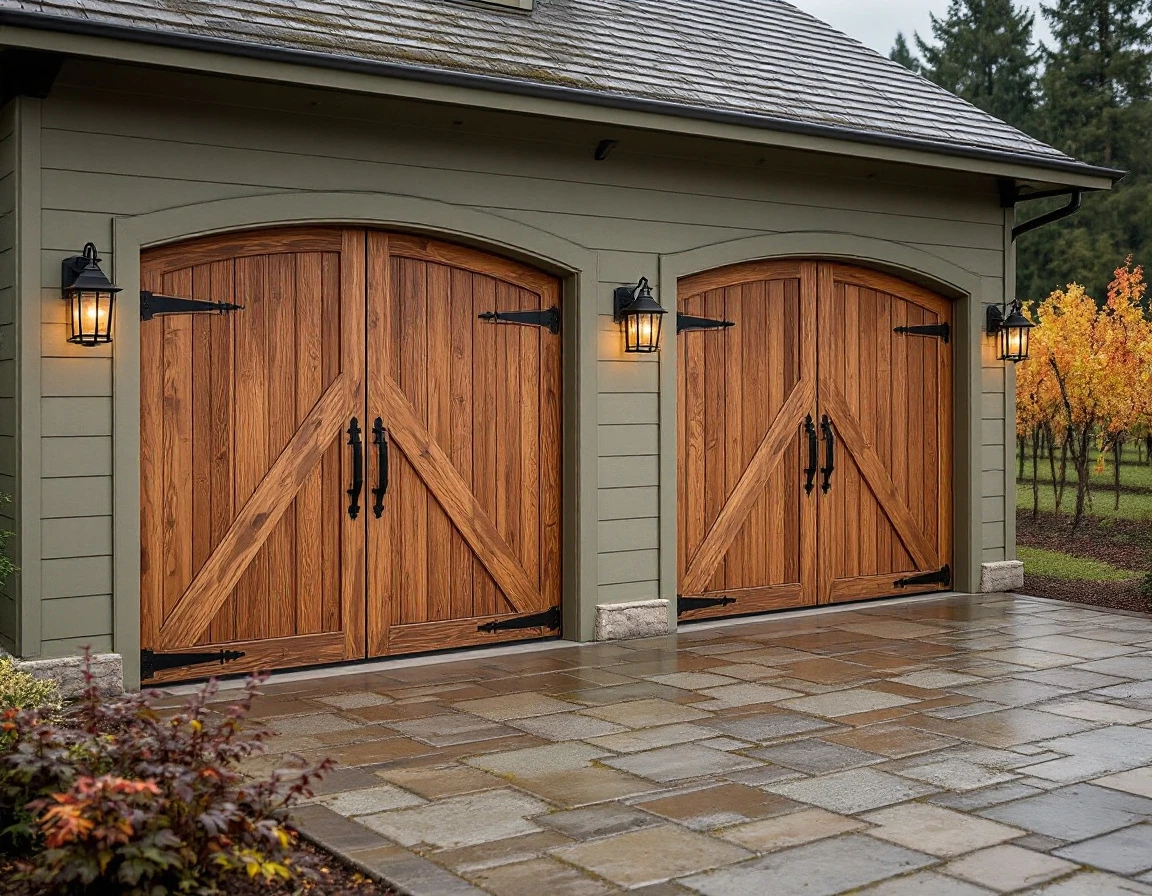
Why Camas Homeowners Choose Carriage Style Garage Doors
Carriage style garage doors Camas combine vintage charm with modern engineering, transforming homes with architectural character while demanding specialized maintenance to withstand Pacific Northwest weather conditions.
Carriage-style doors match Camas’s upscale aesthetic and newer luxury developments
Camas has transformed into one of Southwest Washington’s premier communities, with luxury developments along Prune Hill and Lacamas Shores featuring custom architectural details that demand premium garage doors. Carriage-style doors complement the upscale aesthetic of these neighborhoods, where homes routinely sell in the $500K-$700K range and curb appeal directly influences property valuations.
Premium carriage doors Camas Washington represent one of the highest-returning exterior upgrades homeowners can make. Real estate professionals consistently identify custom carriage doors as a distinguishing feature during showings. Particularly when paired with well-maintained hardware and weather-resistant finishes that withstand the Pacific Northwest’s wet conditions.
Custom garage door maintenance Camas requires specialized attention
Unlike standard garage doors, carriage-style systems demand specialized maintenance routines specific to their unique construction and materials. Premium wood overlays, decorative hardware, and custom finishes require different care protocols than basic steel sectional doors.
The Pacific Northwest’s wet climate creates weathering challenges that impact custom doors differently than mass-produced alternatives. Rain exposure, moisture infiltration, and temperature fluctuations stress wood trim, paint finishes, and decorative elements in ways that standard doors don’t experience.
Spring Weatherproofing Before Rain
April brings a critical window for Camas homeowners with carriage style garage doors. Before the Pacific Northwest’s spring rains intensify, weatherproofing inspections protect both the decorative elements and structural integrity of these premium door systems. The region’s wet climate pattern means moisture exposure increases sharply from April through June, making early spring the last opportunity to address vulnerabilities before they escalate into costly damage.
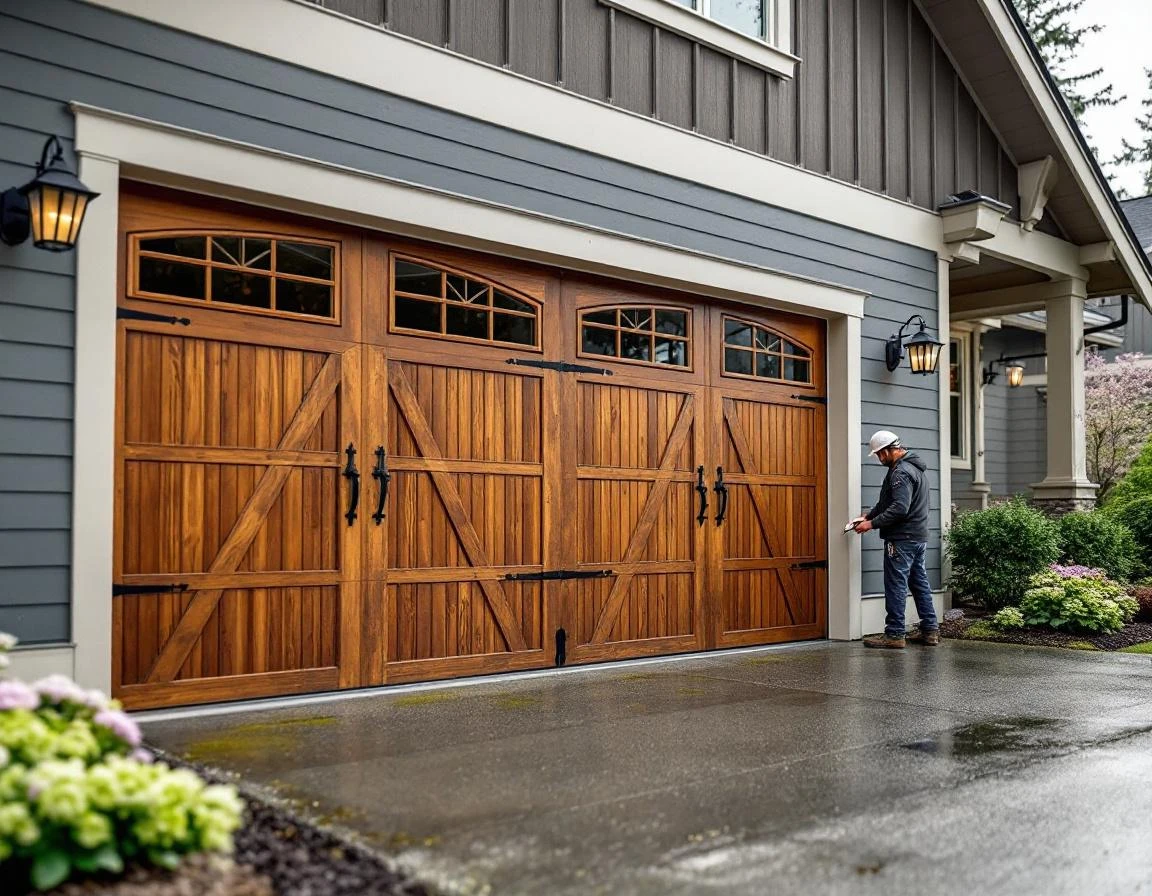
Start by examining weatherstripping along all door edges and panel seams. Carriage-style doors feature more intricate profiles than standard garage doors, creating additional points where deteriorated weatherstripping allows water infiltration. Check for cracking, compression, or gaps in the seal material. Water that penetrates past compromised weatherstripping reaches the door’s internal mechanisms. Causing rust on springs and hardware while saturating composite materials and wood substrates.
Next, inspect caulking around the entire door frame and between decorative panel edges. The Pacific Northwest’s freeze-thaw cycles during winter months create microscopic cracks that expand rapidly once spring rains begin. Apply fresh exterior-grade caulk to any separation points, paying special attention to corners and trim details where water naturally collects.
Finally, look for early signs of existing moisture damage: wood swelling, paint bubbling, or discoloration on panel faces. Addressing these issues in April prevents the damage from spreading during the rainy season ahead, when repair costs multiply and structural problems develop.
Material-Specific Maintenance Strategies
Your premium carriage door’s material dictates everything about its maintenance needs. Wood, composite, and hybrid doors don’t just look different—they weather differently and demand completely different care approaches in the Pacific Northwest’s wet climate.
Wood Carriage Doors: Sealing and Protection
Wood carriage doors in Camas’s upscale neighborhoods require resealing every 12-18 months to prevent water absorption and rot. Spring represents the ideal timing—apply marine-grade sealers like Sikkens Cetol SRD or Cabot Australian Timber Oil before the rain season intensifies. These products penetrate deeply and resist the constant moisture exposure that standard deck stains can’t handle.
Clean wood doors with gentle, pH-neutral cleaners designed for exterior wood—never pressure wash, which drives water into grain patterns and damages custom finishes. Hardware on wood doors needs annual application of marine-grade corrosion inhibitors, particularly hinge points where moisture collects.
Composite and Hybrid Materials
Composite carriage doors resist moisture better than wood but require different cleaning chemistry. Use automotive-grade cleaners formulated for painted surfaces—household cleaners strip protective UV coatings that prevent fading. Wash quarterly with soft cloths, not abrasive pads that scratch premium finishes.
Hybrid doors combining wood frames with composite panels need both approaches: seal wood components with penetrating oils while treating composite sections with UV-protective cleaners. Hardware corrosion rates vary by proximity to the Columbia River—Camas homes near Lacamas Lake see faster oxidation than hillside properties, requiring more frequent hardware inspection and lubrication with silicone-based products that repel moisture.
Professional vs. DIY Repair Decisions
When your carriage-style door shows signs of trouble, knowing whether to grab your toolkit or call Garage Harmony makes all the difference in protecting your investment. While some maintenance tasks fall squarely in DIY territory, custom carriage door systems include specialized components that demand expert knowledge.
You can safely handle weatherstripping replacement, track cleaning, and basic visual inspections yourself. These routine tasks help you stay connected to your door’s condition without risking damage. However, spring replacement, opener service, and panel work on custom doors require professional tools and training. Torsion springs operate under extreme tension—attempting DIY spring replacement can result in serious injury or damage to your door’s frame and hardware.
A worn roller identified during a routine inspection costs a fraction of what you’ll pay when that same roller fails and damages your track system during a weekend emergency call. Most manufacturers also specify that warranty coverage requires professional installation and service—DIY repairs on premium doors can void these protections entirely.
Think of professional maintenance as insurance for your investment. The upfront cost of scheduled service appointments prevents the cascading failures that transform a minor adjustment into a costly panel replacement. For Camas homeowners with upscale garage doors Pacific Northwest, this protective approach preserves both the door’s function and its contribution to your home’s curb appeal.
Annual Maintenance Schedule Camas
Starting this April, Camas homeowners should prioritize the following maintenance tasks throughout the year:
- Spring: Weatherproofing inspections as Pacific Northwest spring rains arrive. Check all weatherstripping, apply fresh caulk to panel joints, and inspect seals around windows and decorative hardware. The spring season demands attention to water intrusion points before sustained rainfall tests your door’s defenses.
- Summer: Finish protection work when dry conditions allow proper curing. Schedule paint or stain touch-ups for wood and composite surfaces between June and August. This is also the ideal time for mechanism lubrication—hinges, rollers, and springs operate more smoothly in warm weather, making it easier to identify friction points that need attention.
- Fall: Clearing debris from tracks and threshold areas as leaves accumulate around Lacamas Lake neighborhoods. Complete a final sealing inspection in October, addressing any gaps before winter moisture arrives. Pre-inspect springs and cables for signs of wear, since cold weather can accelerate failure of compromised components.
- Winter: Vigilant monitoring rather than active maintenance. Watch for snow accumulation on carriage-style doors, particularly those with decorative top panels that can collect weight. After ice storms common to the Columbia Gorge area, check for frozen mechanisms before operating your door. Inspect weatherstripping monthly, as freeze-thaw cycles can cause previously sound seals to crack and fail.
Recognizing Damage That Needs Expert Attention
Knowing when to call professionals protects your investment from expensive emergency repairs. Wood rot appears as darkened, soft areas that compress under pressure—often starting where water pools against threshold seals or decorative trim joints. On composite panels, watch for edge separation where layers begin to delaminate, creating gaps that trap moisture and accelerate deterioration.
Rust formation on springs, cables, or roller brackets signals immediate danger. Corroded springs can snap without warning, creating safety hazards and leaving your door inoperable. If you notice orange or brown discoloration on metal hardware, schedule professional replacement before the component fails.
Changes in opener behavior—grinding noises, hesitation during operation, or the door reversing unexpectedly—indicate motor or safety sensor problems requiring diagnostic equipment. Attempting repairs yourself can void warranties and create safety risks.
Even cosmetic damage matters for premium doors. Dents in aluminum panels, paint blistering on wood sections, or finish deterioration affect curb appeal and resale value in Camas’s competitive housing market.
Document damage with dated photos and detailed notes for warranty claims—most carriage door manufacturers require professional assessment for coverage approval. Insurance claims for storm damage also need contractor documentation showing the extent and cause of deterioration.