


Rural Workshop Door Challenges
Workshop garage door maintenance in Molalla demands a different approach than typical residential care. Heavy tractors, ATVs, and farm equipment roll in and out multiple times daily, creating accelerated wear on tracks and rollers that would take years to appear in a standard home garage. This constant heavy use, combined with dust from plowing and grain storage, forms a grinding paste that works its way into every mechanical component.
Seasonal moisture presents another layer of complexity. Fall and winter rains in Clackamas County bring persistent dampness that seeps into unheated shop buildings, where it settles on springs and cables. Without regular maintenance, this moisture causes springs to corrode and lose tension. Often failing precisely when you need to move equipment during harvest season or winter feeding operations.
The difference between neglected and maintained doors becomes obvious over time. Neglected workshop doors develop seized tracks filled with compacted debris, corroded springs that barely lift the door, and worn cables fraying at attachment points. Well-maintained doors—even after years of heavy equipment use—still operate smoothly because regular cleaning and lubrication prevent that grinding wear pattern from taking hold.
Essential Seasonal Maintenance Tasks
The heavy-use season from May through September demands a proactive maintenance approach timed to Molalla’s agricultural calendar. Smart workshop owners tackle critical tasks before peak equipment season hits, not after problems develop. This timeline prevents the equipment damage and facility downtime that can shut down operations during your busiest months.
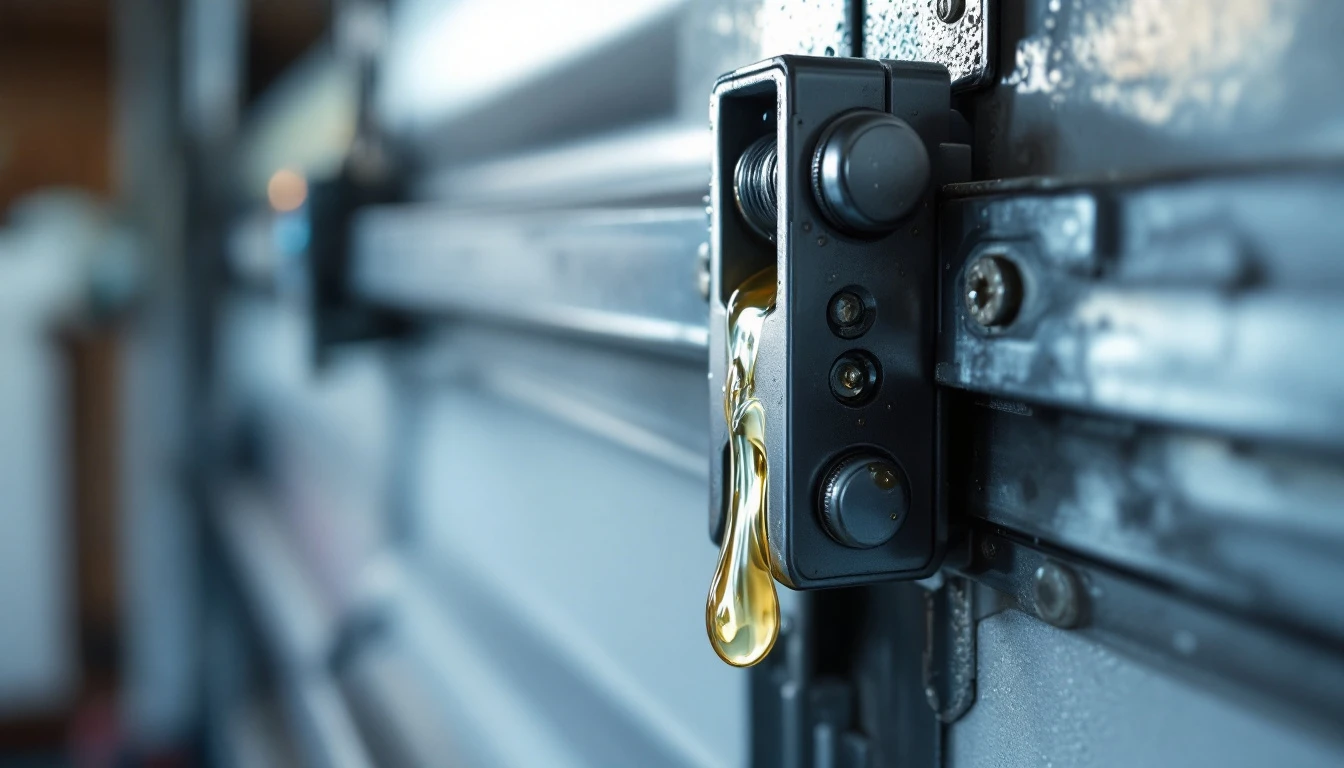
May represents your primary maintenance window. Clean door tracks thoroughly using compressed air to blast out accumulated dust and debris from the previous season. Track cleaning becomes exponentially harder once summer heat bakes dust into a hardened layer that resists removal. Inspect tracks for rust spots—even small patches indicate moisture problems that accelerate during humid summer months. Apply lithium-based grease to hinges, rollers, and spring bearings before temperature fluctuations stress these components.
June brings the perfect opportunity for weatherstripping inspection. Look for gaps wider than a credit card’s thickness, tears in rubber seals, or hardened sections that have lost flexibility. Compromised weatherstripping allows dust infiltration that damages stored equipment and creates the track contamination you just cleaned. Replace any questionable sections now. Before fall rains arrive and transform small gaps into flooding pathways.
When to Call Professionals
DIY maintenance handles tracks, weatherstripping checks, and basic lubrication. However, spring adjustments and cable inspections require professional attention. Springs under tension from heavy shop doors store enough force to cause serious injury—this isn’t the place for experimentation. Watch for these professional-service indicators: doors that stop midway during operation, cables showing frayed strands, or springs with visible gaps between coils.
Mid-Season and Pre-Fall Checks
Perform a quick track cleaning in July if dust buildup exceeds one-eighth inch depth—a visual inspection shows this clearly. Before September ends, lubricate all moving parts again to protect against moisture as fall rains begin. This two-pass approach keeps heavy-duty shop door springs functioning reliably through your entire operating season without emergency repairs interrupting critical farm work.
Track Cleaning & Debris Management
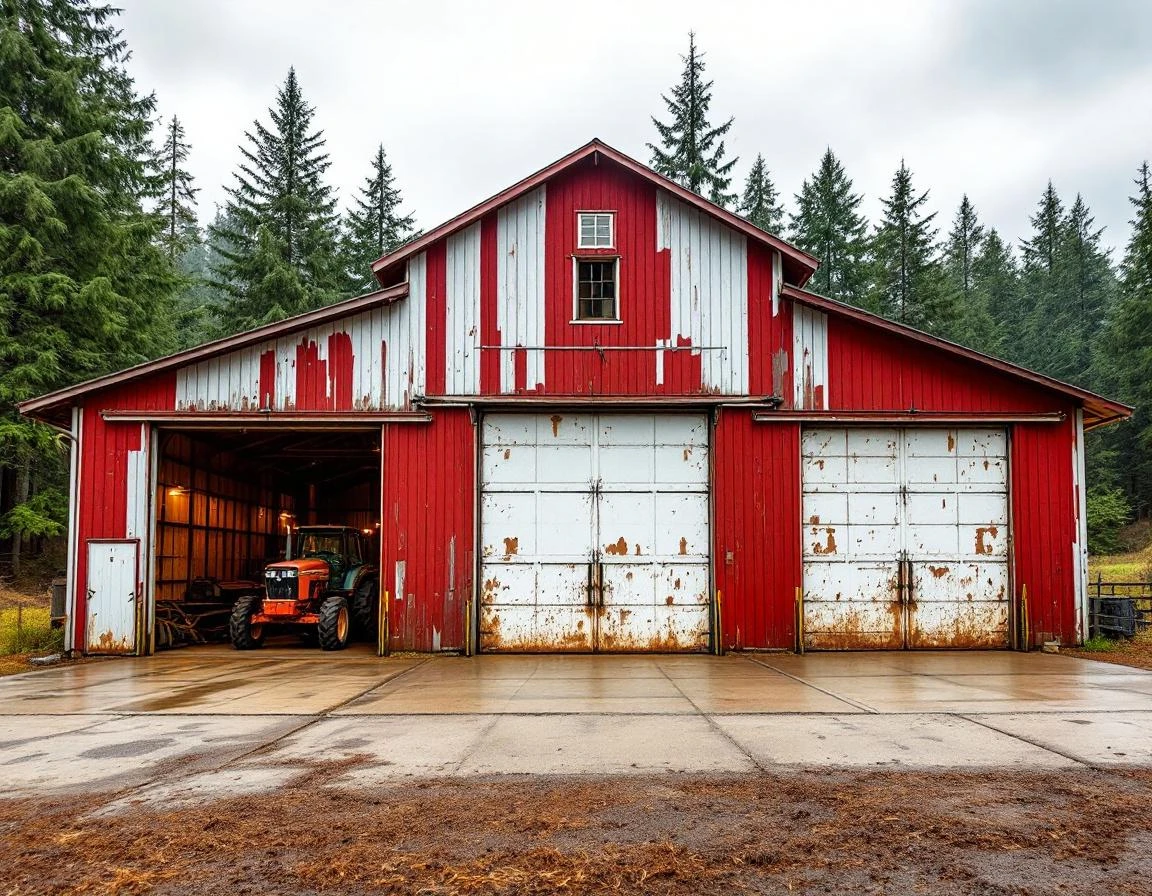
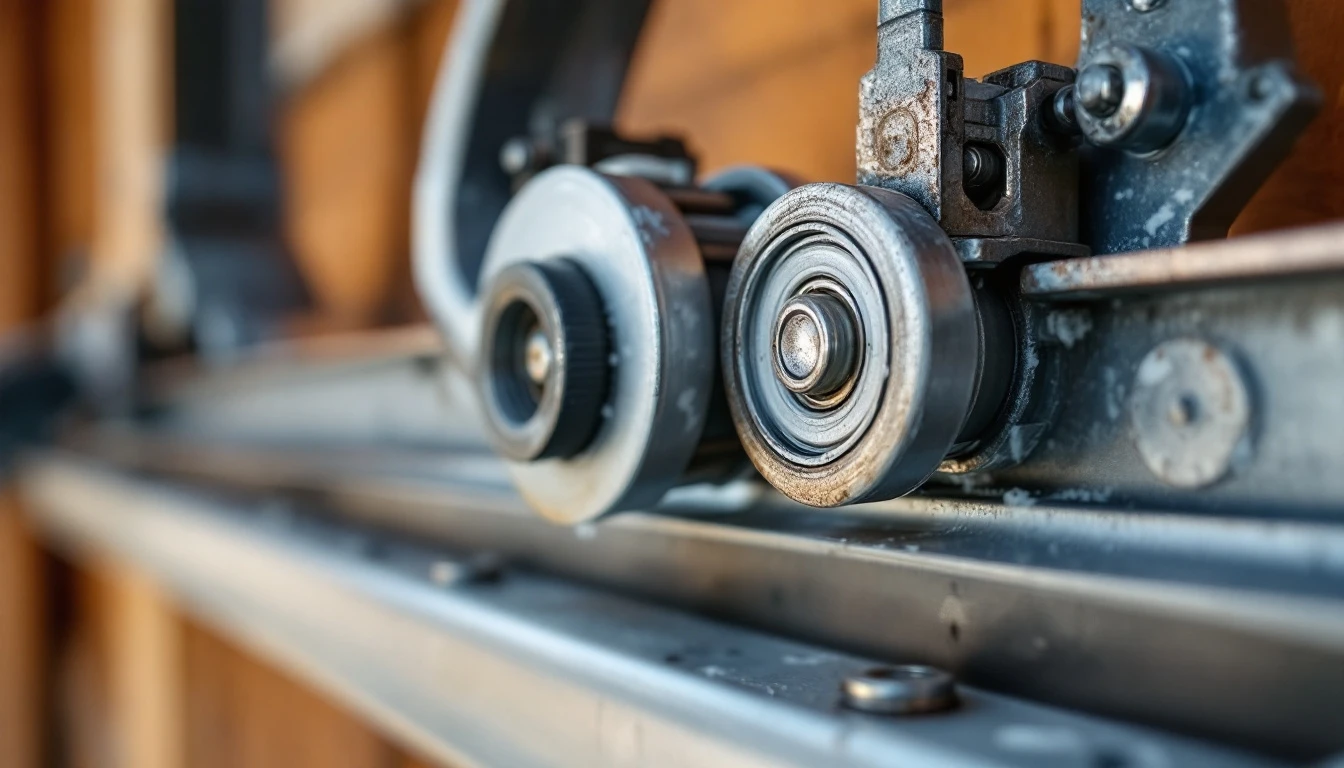
Farm dust settles differently than residential debris—fine particles from hay, grain, and soil compact into tracks rather than blowing away. Start with compressed air to dislodge surface dust. Then use a soft brush to sweep remaining particles from track channels. For compacted debris, a stiff nylon brush and damp cloth work better than air alone.
Equipment-storage barns housing tractors and combines need monthly track cleaning during planting and harvest seasons. While lighter-use workshops can stretch to quarterly intervals. Workshop door track cleaning prevents the warning signs that indicate problems: if your door hesitates mid-travel or produces grinding sounds, debris has likely caused track misalignment requiring professional adjustment.
Check tracks after major field work when dust levels peak. Clean tracks prevent the small misalignments that compound into expensive repairs down the road.
Heavy-Duty Spring Systems & Wear
Workshop garage door maintenance in rural areas requires attention to commercial-grade torsion springs rated for 25,000 to 50,000 cycles—far more than standard residential springs. These heavy-duty spring systems handle the constant movement of tractors and equipment, but agricultural dust and moisture accelerate wear. How can you tell when springs need attention?
Check for rust streaks running down from the spring coils, visible gaps between coils (indicating elongation), or uneven door movement where one side lifts faster than the other. These signs mean tension loss or corrosion has compromised the spring system. Unlike track cleaning, spring adjustment and replacement are never DIY tasks—high-tension springs store enough energy to cause serious injury.
If you spot rust or uneven movement, contact Garage Harmony immediately. Professional spring service acts as insurance against emergency repairs during harvest season when you can’t afford downtime.
Agricultural Building Weatherproofing & Door Protection
Molalla’s spring rains and fall moisture create unique challenges for workshop garage doors that store agricultural equipment. When weatherstripping fails, moisture seeps into the garage, accelerating rust on sensitive equipment and corroding door components like springs and rollers. Unlike residential garages, workshop buildings house expensive tractors, welders, and precision tools that moisture can damage in a single season.
Start by inspecting weatherstripping along the door’s bottom seal and perimeter. Look for visible gaps where light penetrates, hardened rubber that has lost flexibility, or sections separating from the frame. Farm equipment garage maintenance requires commercial-grade vinyl or rubber weatherstripping rated for heavy use, not residential-grade foam strips that deteriorate quickly under dust and moisture exposure.
Replace weatherstripping every 2-3 years under heavy use, or sooner if you notice gaps. Frame seal inspection matters just as much—check where the door frame meets the building structure, as these gaps allow both moisture and fine dust particles to enter. Even small openings compromise equipment protection.
Follow this seasonal readiness checklist:
- May—inspect all weatherstripping for winter damage
- June—seal frame gaps with commercial-grade caulk
- August—conduct a post-summer moisture check before fall rains begin
This proactive approach prevents equipment rust and extends door component lifespan by keeping moisture outside where it belongs.
DIY vs. Professional Service Decision Guide
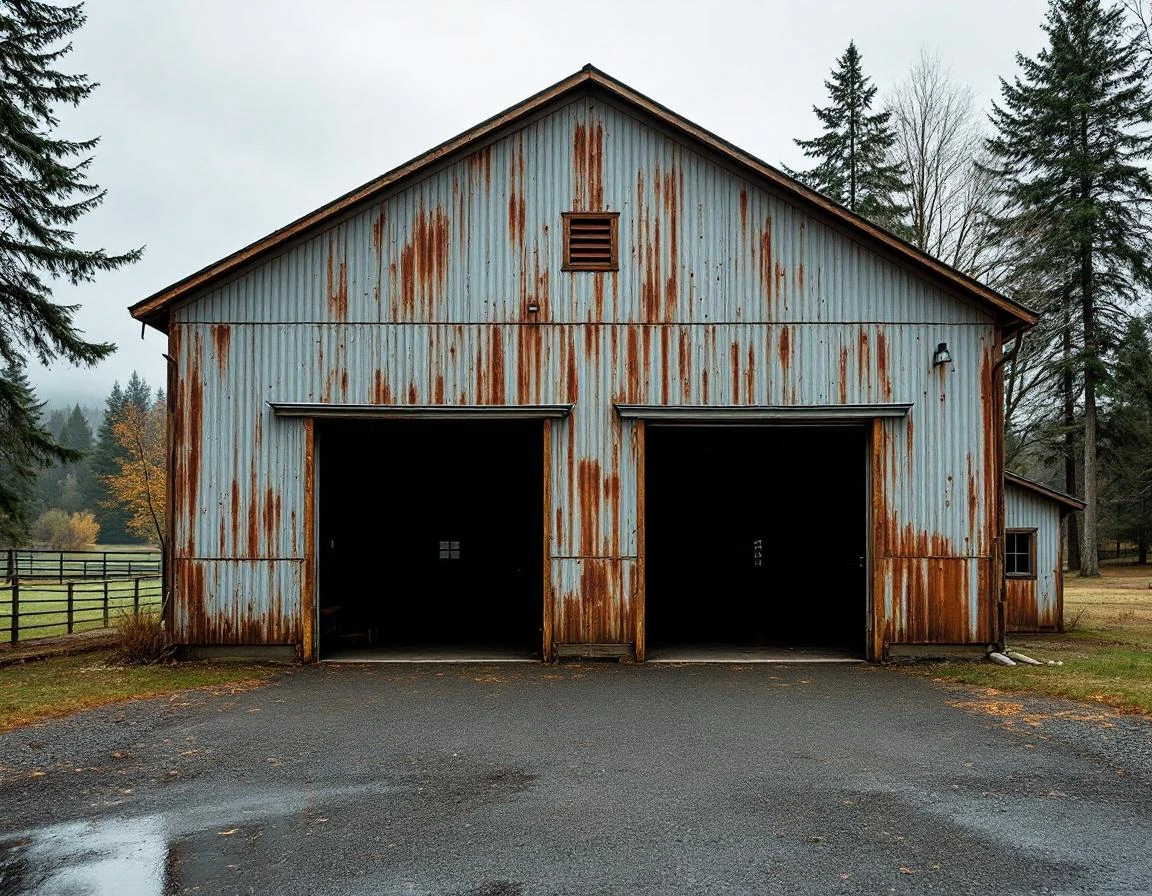
Workshop owners face a simple question after each maintenance inspection: handle this yourself, or call Garage Harmony? Understanding this boundary protects both your safety and your budget.
Safe DIY territory includes track cleaning, weatherstripping replacement (when the door operates smoothly), lubrication of hinges and rollers, and tightening loose hardware. These tasks require basic tools and carry minimal risk when the door functions normally. You can perform them during your seasonal maintenance windows without specialized training.
Professional service becomes non-negotiable for spring work of any kind, frame alignment corrections, doors that reverse unexpectedly, and sensor testing. Springs store enormous tension—attempting DIY spring repair risks serious injury and door failure during peak equipment season.
Call immediately if you notice springs with visible rust or gaps between coils, uneven door movement, grinding sounds during operation, or doors reversing mid-cycle. These red flags indicate failures that worsen rapidly under workshop conditions.
The timing calculation matters more than the dollar amount. A preventive professional inspection in April or May catches spring wear before harvest season demands peak equipment access. Skip it, and you risk an emergency repair when you need your equipment operational most. Professional service functions as uptime insurance, not discretionary spending.
Workshop Garage Door Maintenance Schedule & Next Steps
Building on these DIY and professional strategies, Molalla workshop owners need a clear timeline that aligns with agricultural seasons. Start with a May baseline inspection—before peak equipment use—when you photograph door components, check spring condition, and clean tracks. Throughout June and July, conduct monthly track inspections and apply lubricant every two weeks if you’re moving heavy machinery daily.
Schedule an August mid-summer check to catch wear patterns before fall harvest pressure. In September and October, focus on weatherproofing preparation. Inspect seals, clear debris from bottom tracks, and verify door balance. Keep a simple maintenance log with dated photos of springs, notes on track appearance, and lubrication records. This history helps you spot trends like springs wearing faster than expected—often indicating door misalignment or overuse requiring professional attention.
Ready to protect your workshop investment? Contact Garage Harmony today to schedule your May or early June professional spring and frame inspection. So your doors handle peak season demands without emergency failures.



Leave A Comment