


Why Moisture Threatens Premium Wood Doors
West Linn’s location between the Willamette and Tualatin Rivers creates a persistent moisture challenge for homeowners. The Willamette Valley receives more than 200 inches of annual precipitation, and the combination of heavy spring rains and river proximity keeps humidity levels improved year-round. This constant moisture exposure creates ideal conditions for wood deterioration. Establishing a West Linn garage door seasonal maintenance routine is essential for protecting your investment.
Wood is a hygroscopic material, meaning it absorbs and releases moisture from the surrounding air. When your garage door repeatedly absorbs moisture, the wood fibers swell and contract. Over time, this cycle leads to warping, splitting, and rot that compromises both appearance and structural integrity. Door panels lose their square shape, seals fail, and hardware loosens as the wood degrades.
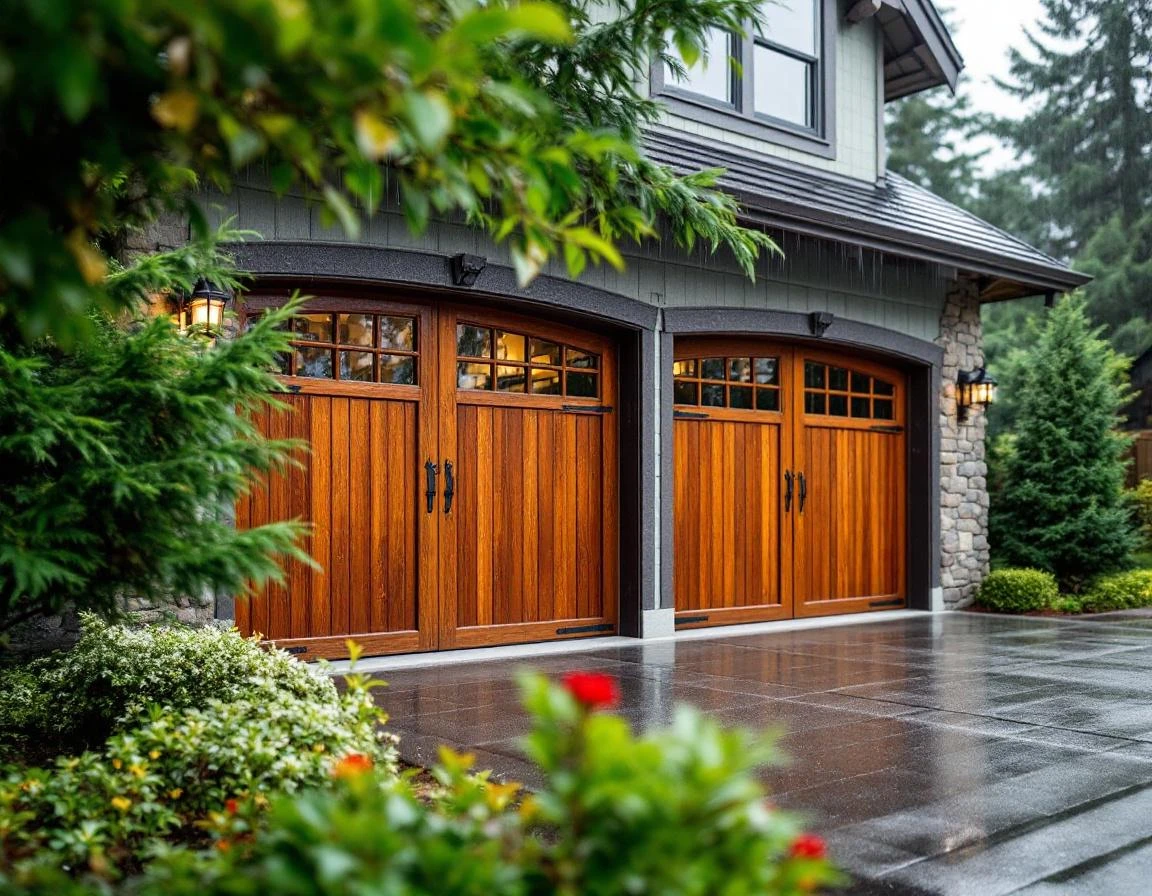
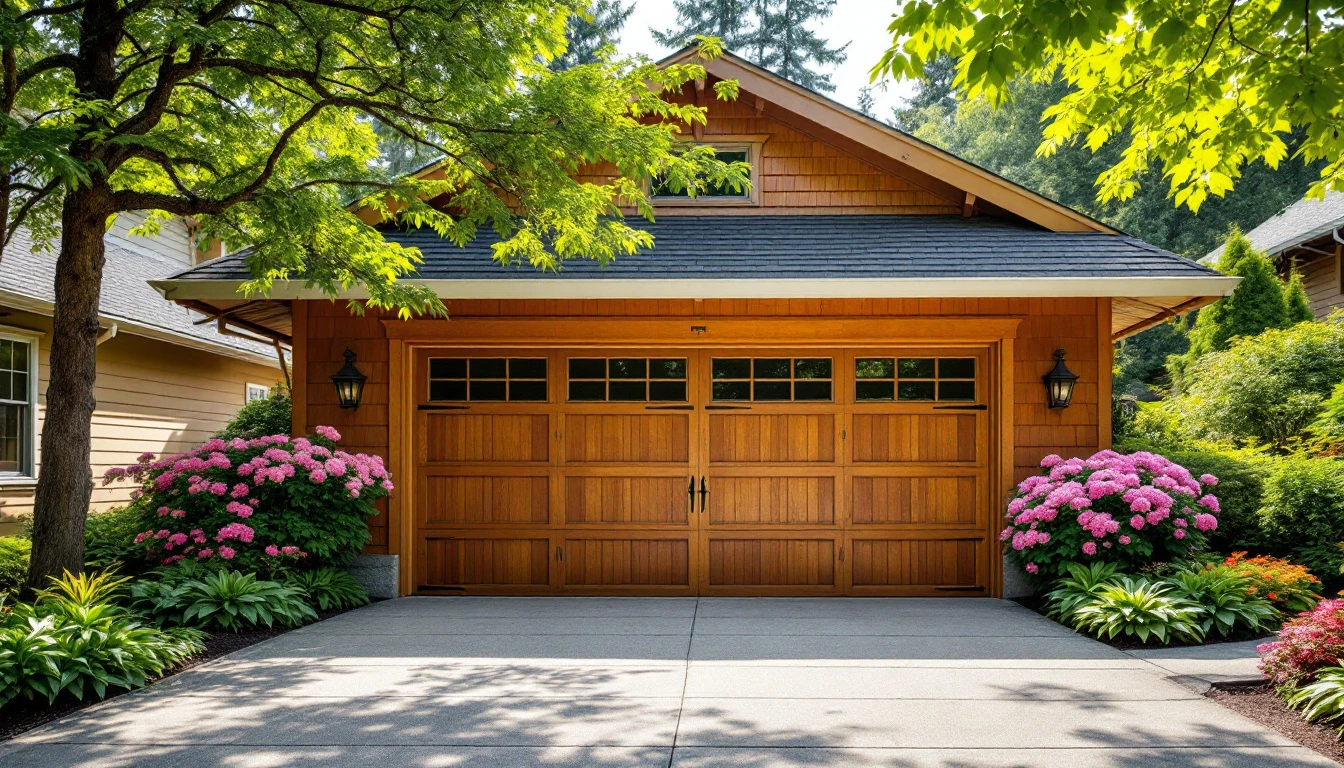
For homeowners who’ve invested in custom wood or carriage-style garage doors, prevention costs far less than replacement. May offers the perfect window to assess damage from winter and spring rains while preparing moisture defenses before summer dryness sets in. This timing allows you to catch problems early and apply protective treatments when conditions favor proper curing.
Five Essential May Maintenance Tasks for West Linn Garage Door Seasonal Maintenance
May offers the perfect window for complete garage door maintenance after West Linn’s spring rains subside but before summer heat arrives. The five moisture-management practices below address the specific challenges that premium wood and carriage-style garage doors face in the Willamette Valley’s humid climate, protecting your investment from rot, warping, and structural damage throughout the year.
Inspect seals and weatherstripping for post-rain
After West Linn’s spring rains subside, examine all rubber seals and weatherstripping around your wood garage door for signs of water damage. Look for compressed or flattened sections where water pooled, gaps where seals have pulled away from the doorframe, and cracking or brittleness from repeated wet-dry cycles. These compromised areas allow moisture to reach unprotected wood surfaces.
Clean any wood sections showing water staining or discoloration using a mild wood cleaner and soft brush. Once dry, apply a breathable wood treatment designed for exterior use—this allows trapped moisture to escape while creating a protective barrier. Products containing linseed oil or specialized wood preservatives work well for custom wood garage doors Willamette Valley homeowners commonly install, particularly carriage-style models in Bolton and Willamette neighborhoods.
Before summer UV exposure intensifies, apply a fresh coat of moisture-barrier sealant to all exposed wood surfaces. This timing protects your investment by preventing sun damage to already moisture-stressed wood, which can accelerate warping and splitting during West Linn’s dry summer months.
Check hardware for rust and corrosion
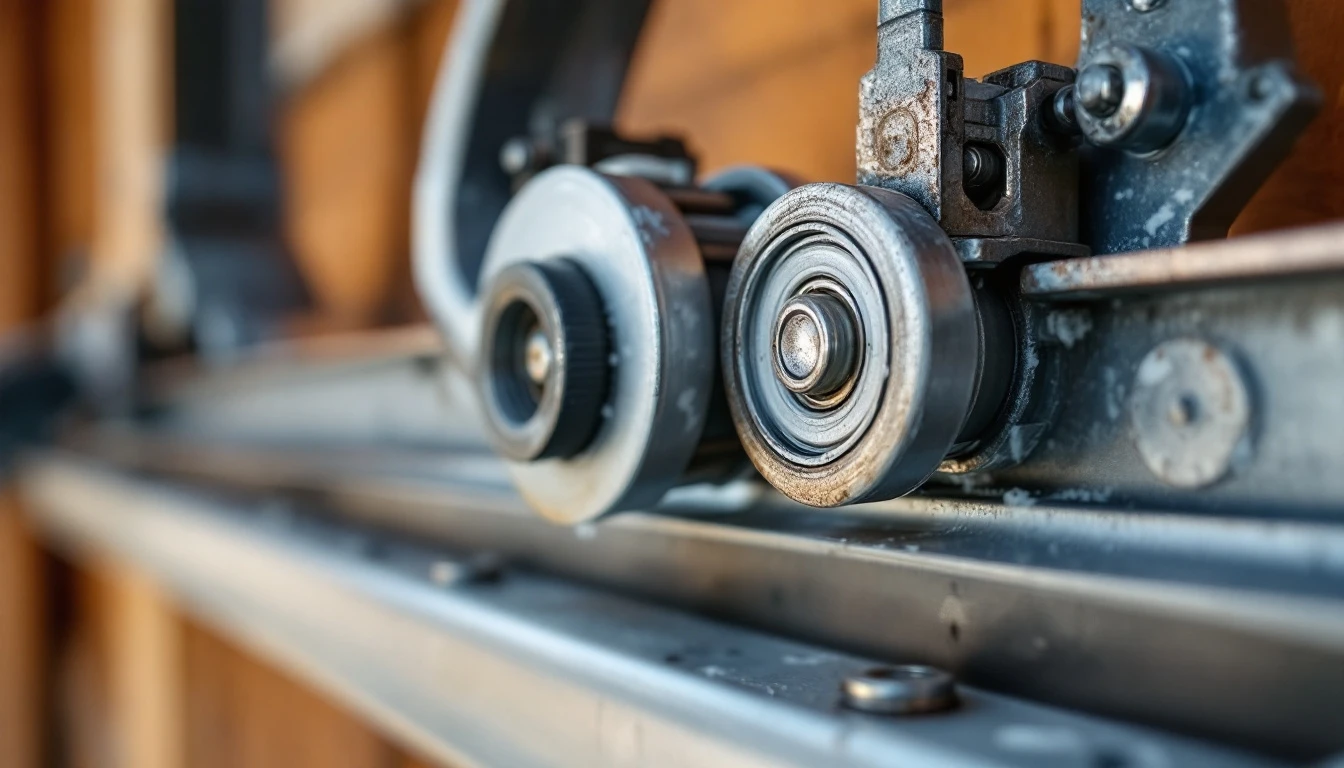
May’s post-rain humidity leaves metal hardware vulnerable to corrosion that compromises door operation. Inspect all hinges, brackets, tracks, and rollers for rust spots or white corrosion buildup. West Linn’s proximity to the Willamette and Tualatin Rivers creates persistent moisture that accelerates metal deterioration on premium carriage-style doors.
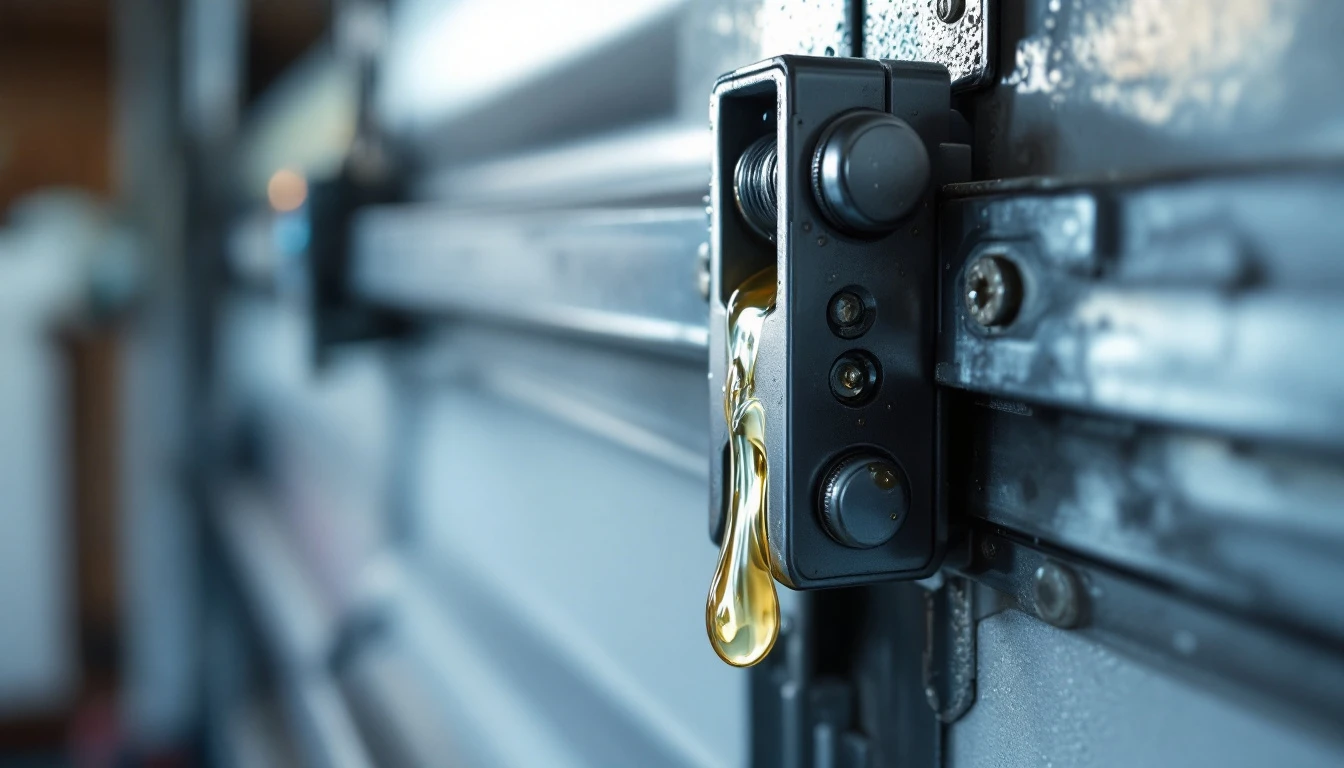
Test the full opening and closing cycle several times after spring’s heavy rain stress. Listen for grinding sounds or feel for resistance that indicates corroded rollers or warped tracks. Apply silicone-based lubricant to moving parts—avoid petroleum products that attract dirt and accelerate wood degradation on custom doors.
Replace any hardware showing active rust before summer heat expands compromised metal. Stainless steel or zinc-coated replacements resist future corrosion better than standard hardware in humid climates.
Moisture-Barrier Coatings and Wood Treatment
Effective moisture protection for West Linn’s premium wood garage doors requires three distinct properties working together.
Breathability allows trapped moisture from spring rains to escape. Preventing the internal rot that develops when water becomes sealed inside the wood.
Water resistance blocks new moisture absorption during fall and winter downpours. UV stability protects the wood surface from summer sun damage that degrades protective coatings, creating entry points for moisture.
May’s post-rain, pre-heat window creates ideal conditions for coating application. The wood has dried from spring precipitation but hasn’t yet experienced the expansion and contraction stress that summer heat causes. For custom wood doors common in West Linn’s Bolton and Willamette neighborhoods, penetrating oils like tung oil or linseed oil provide deep moisture protection while maintaining the natural wood appearance premium doors showcase. Semi-transparent stains offer UV protection with moderate moisture resistance. Polyurethane finishes deliver maximum water resistance but reduce breathability.
Pacific Northwest climate formulations differ from standard products. Look for coatings specifically labeled for high-humidity regions or marine applications—these formulations account for moisture coming from both rain and ambient humidity. Products designed for coastal environments perform well in West Linn’s river-influenced microclimate, making them ideal for carriage style garage door care in wet climates throughout the region.
Homeowners can safely apply most penetrating oils and semi-transparent stains following manufacturer instructions. However, professional restoration becomes necessary when wood shows checking, cracking, or existing rot damage. Premium carriage-style doors with complex panel configurations also benefit from professional application to guarantee complete coverage in joinery and decorative elements. Reapply protective coatings every two to three years based on door exposure—south and west-facing doors receiving direct weather require more frequent treatment than protected installations.
Identifying and Preventing Early Rot Signs
Learning to spot early rot signs allows you to intervene before minor moisture damage becomes structural failure. By May in West Linn, visible symptoms from spring rains often surface on wood garage doors, making this the perfect time for careful inspection.
Press your fingertips along door edges, bottom rails, and panel joints.
Soft or spongy wood that yields under pressure indicates trapped moisture degrading the cellular structure beneath the surface.
You might not see discoloration yet, but this tactile warning reveals active rot. Check thoroughly where vertical stiles meet horizontal rails—water accumulates in these joints first.
Visual indicators include dark streaks, graying wood, or green-black mold growth, particularly on north-facing doors that dry slowly after rain. Surface mold represents cosmetic damage you can clean and treat yourself. Warping, panel separation, or visible cracks signal structural damage requiring professional assessment. When panels pull away from frames or doors no longer close square, the wood integrity has deteriorated beyond simple surface treatment.
West Linn’s proximity to the Willamette and Tualatin Rivers creates persistent humidity that accelerates rot once moisture penetrates protective coatings. Catching these signs in May—before summer heat bakes in existing damage—enables faster, less expensive restoration. Schedule professional inspection when you discover soft spots or separation, as these issues worsen rapidly without expert intervention.
Year-Round Maintenance Schedule for Willamette Valley Garage Door Moisture Management
May’s post-rain inspection establishes your foundation, but protecting premium wood doors in West Linn’s humid climate demands consistent attention through every season. The Willamette Valley’s year-round moisture patterns require more frequent maintenance than drier Oregon regions like Bend or Central Oregon.
- Monthly tasks during wet season (October through May). Inspect all weatherstripping and seals for gaps or deterioration. Check hardware for early rust formation. These quick checks take fifteen minutes but catch problems before moisture penetrates wood cores.
- Quarterly maintenance year-round. Lubricate all moving parts with silicone-based products that resist humidity. Test weatherstripping compression and replace worn sections. Clean tracks and remove debris that traps moisture against door panels.
- Spring assessment (April-May). Perform the deep cleaning, coating evaluation, and rot inspection covered in previous sections. This timing capitalizes on the transition between wet and dry seasons.
- Summer work (June-August). Apply protective coatings and finish restoration projects. Dry conditions allow proper curing before fall rains return.
- Fall preparation (September-October). Deep clean door surfaces and reapply moisture barriers where needed. Verify all seals function properly before winter moisture arrives.
- Professional inspection every two years. Schedule expert evaluation of structural components, hardware condition, and coating integrity. Professional service protects your investment by identifying hidden moisture damage that homeowners often miss until costly repairs become necessary. Contact Garage Harmonly to establish a maintenance schedule specific to your door type and West Linn’s riverfront conditions.
When to Call a West Linn Professional
While May inspections, cleaning, and preventive sealing fall within the homeowner’s skill set, certain conditions demand professional intervention. Premium custom wood and carriage-style garage doors represent significant capital investments that merit expert care when problems extend beyond surface maintenance.
Watch for these warning signs that indicate professional assessment is necessary:
- Soft spots in wood panels that indent under thumb pressure
- Compromised weather seals that allow light or air penetration even after attempted repairs
- Structural warping that prevents smooth operation
- Hardware corrosion so advanced that fasteners are frozen or disintegrating
These conditions require restoration techniques and tools beyond typical homeowner capabilities.
West Linn’s concentration of custom carriage-style doors—particularly in Bolton, Willamette, and Sunset neighborhoods—creates specialized service needs. Professional restoration specialists can match historical finishes, source replacement hardware for discontinued designs, and perform panel replacements that preserve architectural integrity. They also have moisture meters and diagnostic tools to assess hidden rot inside door frames and jambs.
The economics favor early intervention: catching rot in May and addressing it professionally costs a fraction of emergency replacement after structural failure. A professional assessment typically ranges from complimentary to $150, while delaying treatment can escalate to full door replacement. Contact us today to schedule a professional inspection if your May assessment reveals damage beyond cosmetic wear.


Leave A Comment