


Slope-Specific Drainage Challenges
Hillside properties in Oregon City face unique drainage obstacles that flat lots simply don’t encounter. Water accelerates as it travels downhill, concentrating flow patterns that can undermine foundations, flood garages, and damage structures built into slopes. Homeowners dealing with steep terrain need specialized garage door maintenance Oregon City slopes require to prevent the foundation damage that flat properties rarely experience.
How steep terrain concentrates water flow
Historic Oregon City neighborhoods like McLoughlin and Canemah sit on some of the steepest residential terrain in Clackamas County. When rain hits these slopes, gravity accelerates water downhill, creating concentrated flows that target low points—often where detached garages were built decades ago. A gentle slope across a 100-foot lot might seem manageable, but during heavy spring storms, that same grade funnels thousands of gallons directly toward garage foundations.
Why do standard drainage solutions fail here? Most French drains and surface channels were designed for flat or gently sloping lots. On hillside properties, water velocity overwhelms these systems, carrying silt that clogs perforated pipes within months. The freeze-thaw cycles common in Oregon City’s winter climate also crack rigid drainage components faster than on level ground, leaving homeowners with failed systems just when fall rains return.
Connection between slope angle and foundation
Homes built on Oregon City’s steeper slopes face higher foundation settling risk because gravity pulls saturated soil downhill. When water accumulates near garage foundations on slopes above 15 degrees, the increased pressure destabilizes footings faster than on level ground, creating visible cracks and door misalignment within months rather than years.
Spring Water Damage Assessment
May offers Oregon City homeowners the best window for inspecting winter moisture damage before summer heat dries surfaces and masks underlying problems. After months of winter rain saturating hillside soil and complete snowmelt from higher elevations, you can see the full extent of water intrusion patterns that developed during the wet season. What visible signs should you look for?
Start at your garage foundation. Check for water staining along the base where concrete meets the ground, particularly on the downhill side where gravity concentrates runoff. Examine metal door frames for rust, especially at the bottom corners. Press a screwdriver gently into wood door jambs—soft, spongy wood indicates moisture penetration. Walk the entire foundation perimeter looking for pooling water or soil erosion patterns.
On sloped properties, water accumulates predictably on the downhill side of structures. If your garage sits mid-slope, inspect where uphill runoff meets the building. A compromised garage door seal accelerates this problem by channeling water directly against foundation walls instead of deflecting it away.
Take action now: Test weatherstripping by closing your door on a dollar bill—if it slides out easily, the seal has failed. Replace worn bottom seals immediately. Clear debris from foundation drainage paths. Document damage with photos before summer arrives. These inspections protect your foundation investment before fall rains return.
Garage Door Seals and Slope Protection
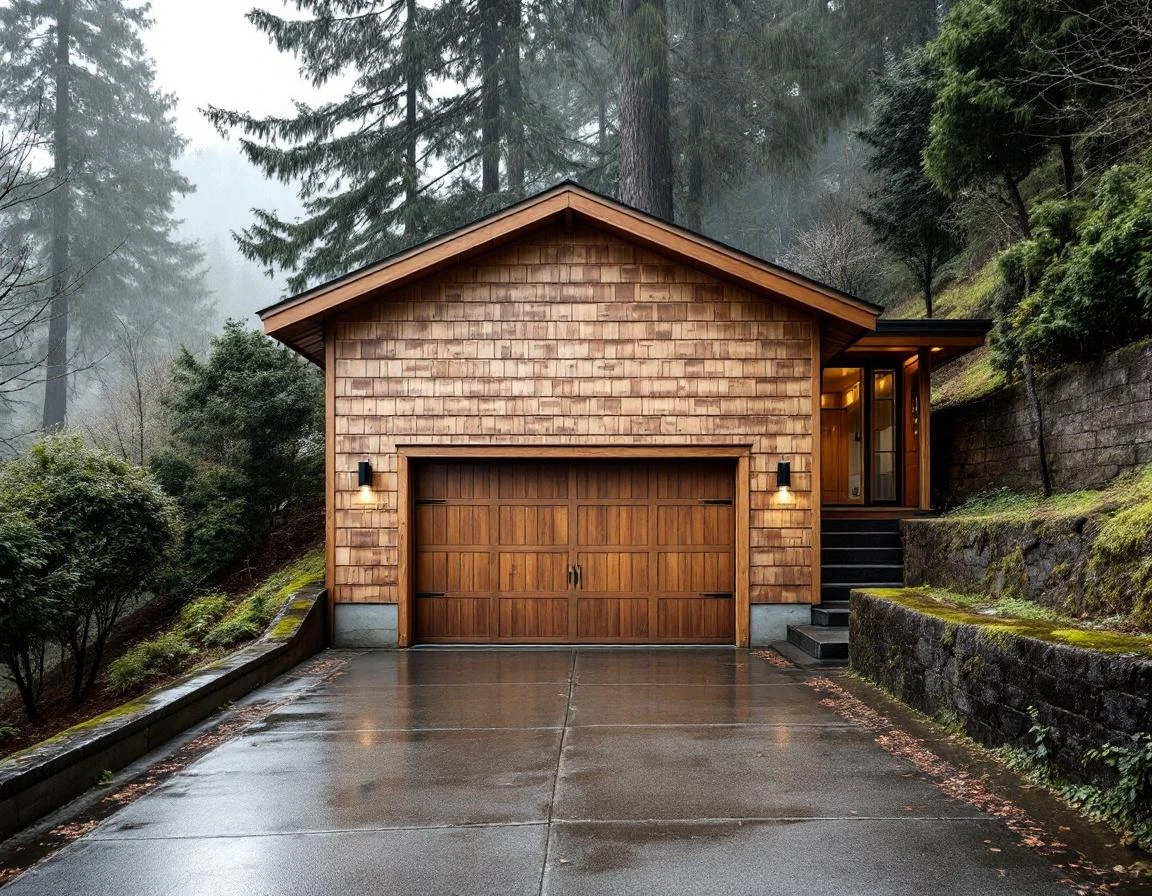
On sloped properties, garage door seals do more than keep out wind and rain—they defend your foundation against lateral moisture pressure that doesn’t exist on flat terrain. When Oregon City’s spring rains saturate hillside soil, groundwater flows sideways through the slope. Pushing against your garage’s downhill side. Bottom seals and side weatherstripping create the critical barrier that prevents this pressurized moisture from entering your garage space and pooling beneath the foundation slab.
Without proper sealing, water seeps through gaps in the bottom threshold and side tracks, accumulating inside the garage where it saturates the soil directly beneath your foundation. This is exactly how foundation settling begins on hills—moisture destabilizes the supporting soil from underneath. Three maintenance tasks protect against this damage: inspect and replace bottom seals when they show compression or cracking (typically every 3-5 years on sloped driveways where doors compress unevenly). Clean debris from side tracks monthly during wet seasons to maintain flush closure, and perform the light test by closing your door at dusk and checking for visible gaps where exterior light penetrates.
Detached garages on slopes need commercial-grade weatherstripping rather than standard residential seals. The combination of steeper drainage angles and exposure to concentrated runoff means these structures face double the moisture pressure of attached garages on level lots. If your light test reveals gaps larger than a pencil width, water is already entering during heavy rain events.
Slope-Specific Drainage Solutions for Hillside Garage Protection
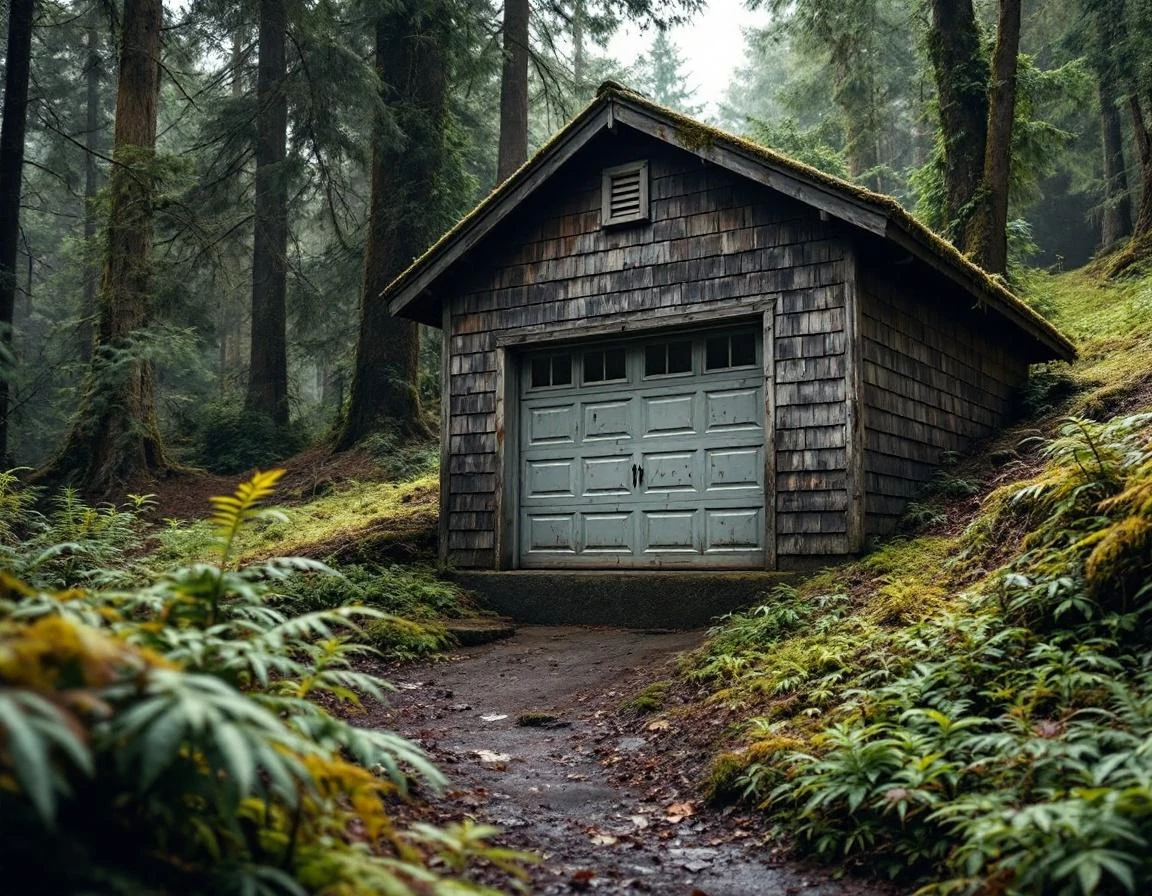
Your garage door seal protects only the perimeter of your garage—but on sloped Oregon City properties, water management starts well beyond that threshold. Hillside homes need integrated drainage systems that account for how gravity accelerates runoff during spring rains and directs subsurface seepage toward foundations. Sloped property garage drainage Clackamas County contractors understand these site-specific challenges that flat-lot solutions simply don’t address.
Surface grading forms the first defense. On steep terrain, soil should slope away from your garage foundation at a minimum 6-inch drop over 10 feet, directing water toward swales or drainage channels. Gutters and downspout extensions become critical on hillsides—water sheeting off your roof gains momentum on slopes, so extensions should carry runoff at least 10 feet from foundations, preferably to daylight drains or catch basins.
For properties on the uphill side of garages, subsurface drainage prevents saturation behind foundation walls. French drains—perforated pipes wrapped in gravel—intercept groundwater before it builds lateral pressure against your structure. Many historic Oregon City neighborhoods lack this infrastructure, leaving foundations vulnerable as water seeks the path of least resistance downhill.
Assess your complete drainage system this May, before fall rains return. Even perfect garage door seals fail when water accumulates beneath slabs or saturates backfill soil. Grading corrections, downspout extensions, and subsurface drains work together with door maintenance to protect your foundation from settling and moisture damage.
Foundation Settling Prevention Steps
On Oregon City’s sloped properties, poor garage door seals and inadequate drainage create uneven moisture exposure that leads to differential settling—one side of your foundation sinks more than the other. When water consistently enters through failed weatherstripping or overwhelmed surface grading, the downhill side of your foundation sits in saturated soil while the uphill side remains relatively dry. This moisture imbalance causes the downhill corner to settle faster, creating structural problems that worsen with each wet season. Hillside garage foundation water damage prevention requires addressing moisture control before settling occurs.
Watch for these warning signs that differential settling is accelerating:
- Visible cracks in garage walls or door frames (especially diagonal cracks running from corners)
- Garage doors that suddenly stick or bind on one side
- Concrete floors with new slopes or uneven sections
- Growing gaps between the door frame and wall
In Barclay Hills and Canemah neighborhoods where terrain is particularly steep, homeowners should monitor these indicators in May after winter moisture subsides and again in September before fall rains return.
DIY maintenance—replacing weatherstripping, extending downspouts, clearing French drains—addresses most moisture control needs. However, call a professional foundation inspector when you notice cracks wider than a quarter-inch, doors that won’t close despite track adjustments, or new floor slopes that appear within a single season. These signs indicate settling has progressed beyond prevention into repair territory. Catching differential movement early protects your investment—foundation repairs cost far more than the drainage and seal maintenance that prevents them.
May Maintenance Timeline for Sloped Properties
Breaking your garage maintenance into clear phases helps protect your Oregon City hillside property before fall rains return. Start with immediate tasks this week:
- Inspect weatherstripping around your garage door for gaps or cracks
- Clean debris from tracks and drainage channels
- Test door operation to identify binding or uneven movement
These quick checks reveal winter damage while soil moisture makes drainage problems visible. Steep terrain garage door maintenance tips begin with this foundational inspection work.
Within the next two weeks, tackle short-term maintenance. Replace any weatherstripping showing wear, and walk your property during rain to assess how water flows toward your garage. Look for concentrated runoff patterns or standing water near the foundation—these signal drainage issues that need correction before summer heat bakes the ground and masks problems.
If you spotted moisture stains, foundation cracks, or door operation issues during your inspection, schedule a professional assessment before June. Why May? Winter damage is now visible, moist soil reveals drainage weaknesses, and completing repairs now prevents emergency calls in September when foundation settling accelerates during heavy rains. Addressing maintenance today protects your investment when it matters most.
Schedule your garage door inspection with Garage Harmony before summer arrives. Our team understands how sloped properties in Oregon City require specialized attention to protect foundations from seasonal moisture cycles.







Leave A Comment