


Squeaking, Grinding, Rattling: What Garage Door Noises Mean for Portland Homeowners
Your garage door speaks a language of sounds. Each noise tells a story about what’s happening with your springs, opener, or tracks. Understanding what garage door noises mean helps Portland homeowners catch problems early, especially since our wet climate accelerates wear on springs, openers, and hardware.
Identify the three primary garage door noise categories
Garage door noises fall into three primary categories, each signaling different urgency levels. Squeaking usually means your springs or rollers need lubrication—annoying but manageable with routine maintenance. Grinding signals broken rollers or damaged tracks, requiring immediate attention to prevent further damage. Rattling points to loose hardware or misaligned panels, ranging from quick fixes to safety concerns.
Portland’s wet climate is tough on garage doors. Moisture causes springs to rust between uses, while rain washes away protective lubricants from your opener’s gears and roller bearings. What might last 15,000 cycles in drier regions often needs attention sooner here, making early noise detection valuable for local homeowners.
Recognize which noises demand immediate attention
Some garage door sounds signal serious safety risks, while others indicate routine maintenance needs. Grinding sounds require immediate attention—you’re hearing metal-on-metal contact that means parts are failing badly, creating safety hazards. Loud clunking from cables or springs also demands urgent inspection, as these systems directly affect safe door operation.
Age amplifies noise frequency in garage doors over ten years old. As nylon rollers, bearings, and seals deteriorate, you’ll hear more squeaks and rattles. These sounds often start as minor annoyances but reveal wear patterns worth addressing before they cascade into expensive repairs.
Squeaking Noises: Causes & Urgency
Squeaking is often your garage door’s first polite request for attention. That high-pitched sound when the door opens? It’s likely springs or hinges needing lubrication—metal parts built to move smoothly but now creating friction. You’ll hear this most clearly during the first operation of the day or in cold weather.
Roller-related squeaks tell a different story. A rhythmic squeal during operation typically points to worn nylon rollers losing their smooth surface due to wear or debris buildup. This sound intensifies with door speed and may disappear once the door warms up from friction. Track-related squeaks appear during specific sections of travel, indicating misalignment or worn brackets that need adjustment or replacement.
Portland Metro area repair costs reflect the severity of each issue. Spring lubrication and adjustment typically runs $80–$200 depending on your door type and spring configuration. Roller replacement costs $150–$400. Including parts and labor. Hinge and bracket work ranges from $200–$600 based on which components need attention and if you’re addressing a single hinge or multiple connection points.
Most squeaking allows safe door operation until your service appointment—these are maintenance reminders, not emergency warnings. However, don’t ignore them. That spring squeak today becomes a broken spring tomorrow, leaving your door inoperable and tripling your repair cost. Schedule an inspection within the week to catch the issue while it’s still affordable.
Grinding Noises: Metal-on-Metal Warning Signs
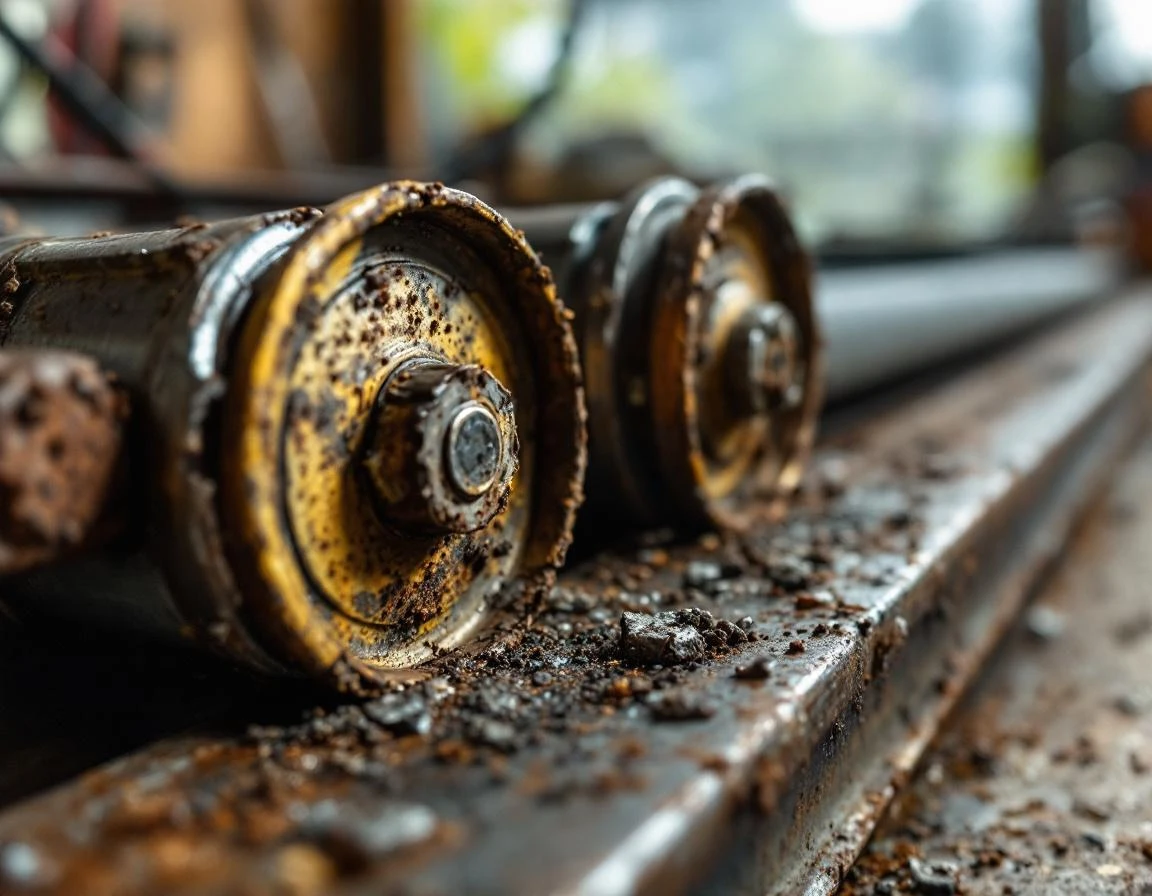
Grinding sounds demand immediate attention because they signal direct metal-to-metal contact in your garage door system. Unlike squeaking, which serves as an early warning, grinding means protective layers have worn away completely. When rollers deteriorate fully, the metal stem scrapes against the track. Inside your opener, grinding indicates gear teeth damage or bearing failure. Cable grinding points to fraying strands catching on pulleys.
To isolate the source, pay attention to when the noise occurs. Does grinding happen only when the door opens? That’s likely track or roller failure—components need replacement immediately. Hearing grinding when the opener runs but the door doesn’t move? Your opener requires professional diagnosis. Grinding from the spring area suggests broken coils or worn bearing plates, which can fail catastrophically within hours of operation.
Portland Metro costs for grinding-related repairs vary based on your door’s size and configuration. Roller replacement depends on whether you need steel or nylon rollers, with pricing adjusted for quantity. Opener gear and sprocket service is generally affordable, though internal damage can require complete opener replacement. Spring replacement ranges from basic torsion spring service to complete overhauls, with door size and spring count determining your final costs.
Follow this critical rule: if grinding persists, stop using your door and call Garage Harmony. Operating with metal-on-metal contact transforms a manageable repair into catastrophic failure. Continuing to use a door with grinding sounds can damage tracks, bend panels, or cause springs to snap. This isn’t about convenience—it’s about protecting your safety and preventing repair bills from tripling.
Rattling Noises: Loose Parts & Hardware
Rattles occupy the peculiar category of noises that annoy homeowners far more than they endanger them. What causes that persistent shaking sound coming from your garage door? The usual suspects include loose hinge bolts needing tightening, worn roller stems requiring replacement, loose track brackets that have worked themselves free, weatherstripping that has deteriorated and flaps during operation, or opener chain slack that needs adjusting.
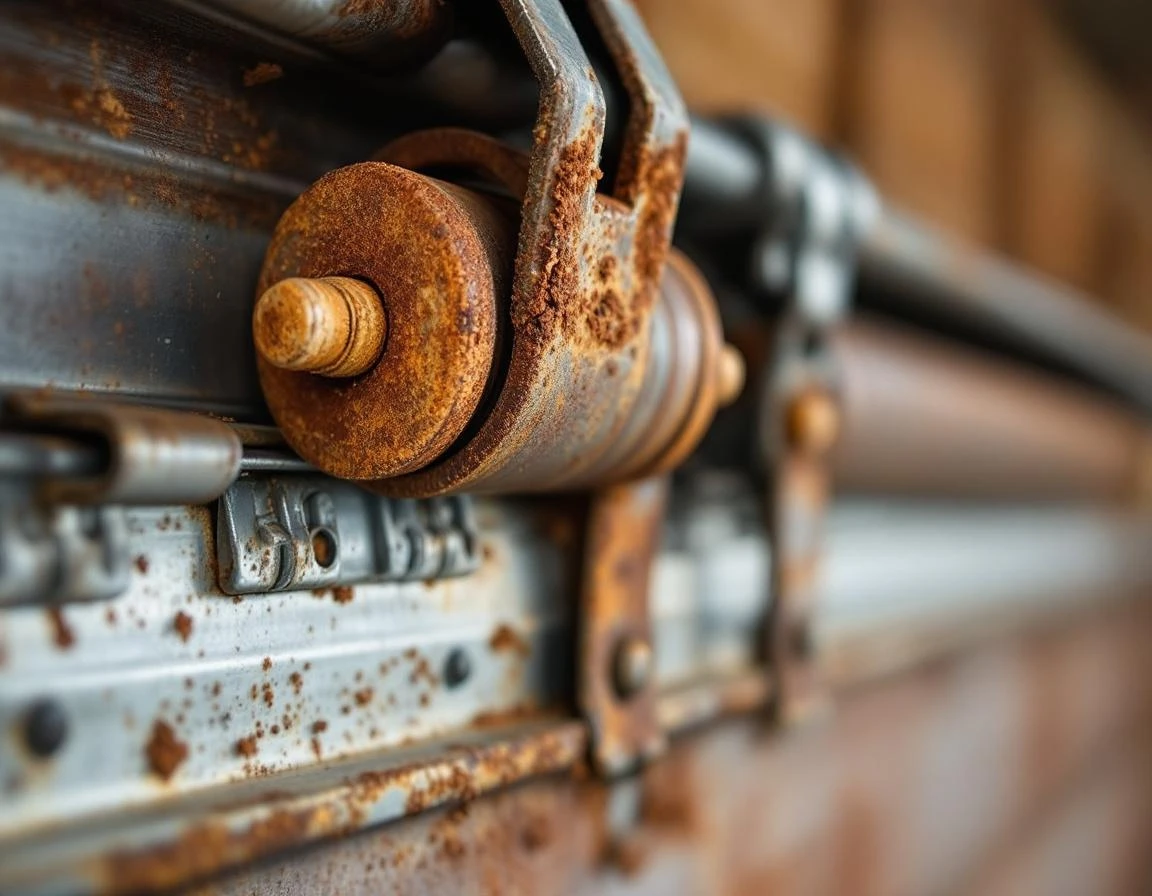
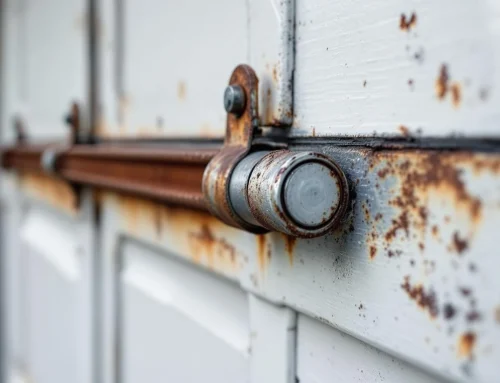
Portland’s wet climate creates the perfect storm for rattle development. Moisture accelerates corrosion on metal fasteners and brackets, while the occasional freeze-thaw cycle during winter storms speeds the deterioration process. Components that might stay tight for fifteen years in drier climates can loosen within seven to ten years here, as rust eats away at the metal threads holding everything together.
How can you pinpoint where your rattle originates? Start with a visual inspection: with the door closed, push gently on different panels and listen for rattles. Then pay attention during operation—does the rattle appear only at certain points in the door’s travel, or does it maintain a constant vibration throughout? Travel-specific rattles typically indicate track or roller issues, while constant vibrations point to loose hardware or panel connections.
Most rattles don’t signal urgent mechanical failure, but they do indicate that preventive hardware inspection is overdue. If your rattle began recently or started after a particularly windy day, schedule a 15-minute inspection within the week. For chronic rattles that have persisted for months, add the inspection to your next scheduled service appointment rather than making a special trip.
When to DIY Versus Call Garage Harmony
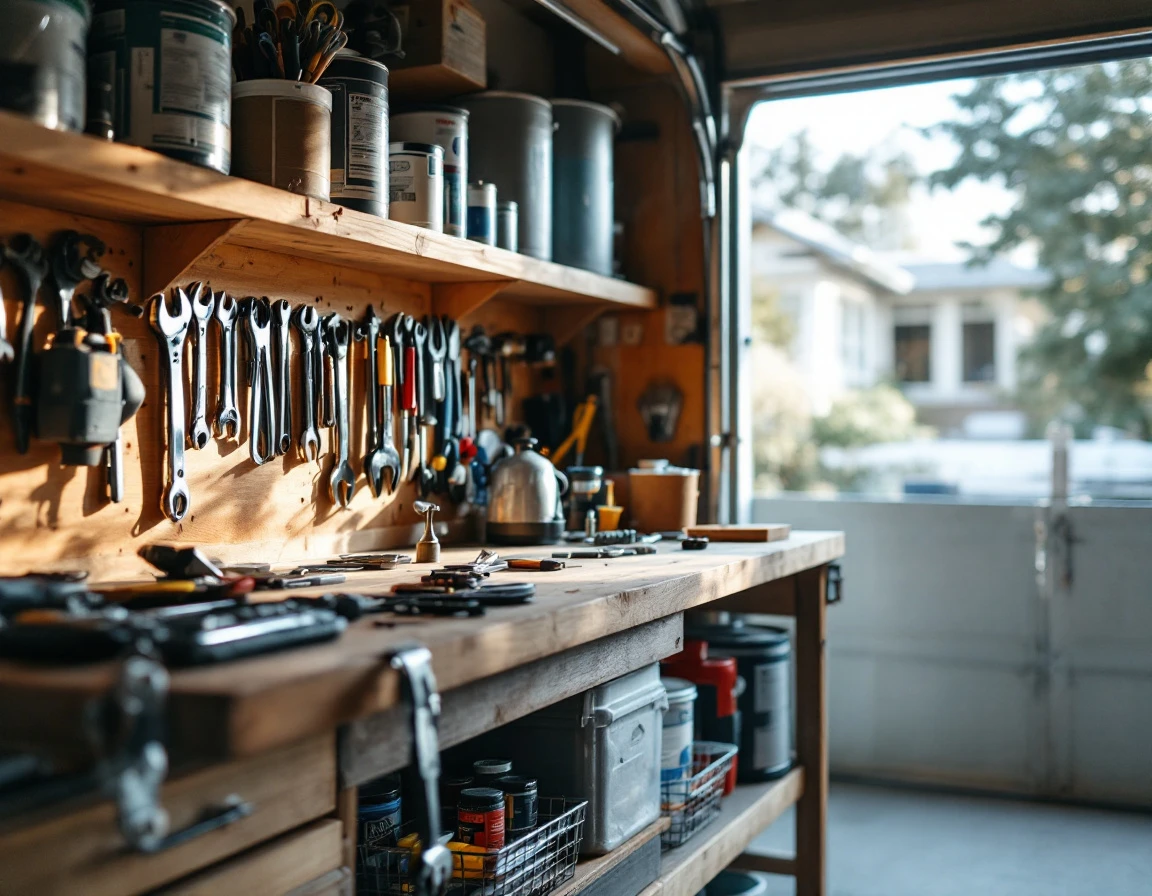
Once you’ve identified a garage door noise, the next decision is whether to address it yourself or schedule a professional visit. Visual hardware inspection falls within DIY territory—check visible bolts and brackets for looseness, which you can tighten with basic tools. Track alignment also invites home inspection: look for visible gaps between rollers and track or bent sections. Lubricating hinges and springs requires only garage door lubricant spray and takes 10–15 minutes.
However, grinding noises demand professional diagnosis without exception. Don’t attempt to identify whether grinding comes from your springs, opener, or cables yourself—the consequences of misdiagnosis include serious injury. Squeaks that persist after you’ve lubricated accessible parts also warrant a technician’s inspection, as do any noises originating from springs or cable systems.
At Garage Harmony, we bring local expertise and competitive pricing to your garage door repairs. Our professional technicians provide fast diagnosis and transparent pricing—no surprises, just honest service you can trust. We understand Portland’s climate challenges and know exactly what wears out first on local garage doors.
The cost-benefit calculation is simple: spending $100 on diagnostic services today prevents the $1,200 spring replacement emergency that results from ignoring grinding for two weeks. When you hear a new noise and can’t immediately identify it, call Garage Harmony for a quick phone description before booking an appointment—our technicians provide preliminary guidance that helps you decide whether the issue requires immediate attention.
Next Steps: Maintenance Schedule
The moment you hear a new sound, stop and document it. Ask yourself: Is it squeaking, grinding, or rattling? Does it happen during opening, closing, or throughout the entire cycle? This simple noise-response protocol transforms you from a passive homeowner into an active diagnostician who catches problems early.
Write down when the noise started, how long it lasts, and what operating conditions trigger it. This documentation helps Garage Harmony technicians diagnose issues faster and saves you money on unnecessary inspections. More importantly, it helps you decide immediately whether you need professional attention or can safely operate your door until a scheduled appointment.
For Portland homeowners, mark spring as your garage door maintenance season. After winter’s moisture exposure and freeze-thaw cycles that corrode hardware and damage seals, have Garage Harmony check springs, rollers, and track alignment. This single appointment catches small problems before they become expensive repairs.
If your garage door is ten years or older, establish this maintenance rhythm: visual hardware checks monthly for loose bolts. Spring and hinge lubrication every six months, and annual track alignment checks to catch issues before they cause damage. Contact Garage Harmony today to schedule your spring inspection appointment and keep your garage door operating smoothly.




Leave A Comment