


Why May Maintenance Matters for Portland Drivers
May offers Portland drivers a critical window to prepare vehicles for summer’s unique demands before road trip season peaks.
Summer heat and UV exposure cause accelerated
Portland’s summer sun might seem mild compared to other regions, but prolonged UV exposure and heat waves topping 100°F take a serious toll on your vehicle. Cooling system hoses become brittle and crack, antifreeze breaks down faster, and rubber belts lose elasticity under constant thermal stress.
Highway trips to the coast or Mount Hood add thousands of miles during summer months, pushing already-stressed components closer to failure. When you’re cruising at freeway speeds in 90-degree heat, your engine works harder, fluids degrade quicker, and tired systems finally give out.
May is the best window before temperatures spike and road trip season begins
May offers Portland drivers a strategic window to complete vehicle maintenance before summer heat arrives and vacation travel begins. Completing inspections and repairs now means your car is ready when temperatures climb into the 90s and you’re planning road trips to the coast or Gorge.
Prevention now avoids costly emergency repairs during peak travel season. A coolant system failure on I-5 in July heat or a tire blowout on Highway 26 costs more in towing, emergency service rates, and vacation disruption than scheduled maintenance in May.
Cooling System Inspection & Fluid Check
Your vehicle’s cooling system is its first line of defense against engine damage when Portland temperatures climb into the 80s and 90s during July and August. The system depends on antifreeze—a mixture of coolant and water—to absorb heat from the engine and dissipate it through the radiator. When that fluid degrades or drops below proper levels, your engine loses its ability to regulate temperature, especially during extended highway drives to the coast or Central Oregon.
Start with a simple visual check you can do at home. Pop the hood when the engine is cool and locate the coolant reservoir—a translucent plastic tank usually marked with “MIN” and “MAX” lines. The fluid should be bright green, orange, or pink depending on your vehicle’s specifications, not rusty brown or murky. Check the radiator cap for cracks or worn seals, and inspect visible hoses for soft spots, cracks, or bulges that signal impending failure.
A professional cooling system service includes a pressure test to identify leaks, a full system flush to remove contaminants, and fresh coolant replacement. Most manufacturers recommend this service every 2-3 years. The investment—typically $150-250—prevents the catastrophic expense of engine overheating repairs, which can exceed $1,000 when head gaskets fail or cylinder heads warp. If you notice any warning signs during your inspection, schedule a fluid inspection with our team to make sure your cooling system is ready for summer heat.
Tire Pressure, Tread & Heat Readiness
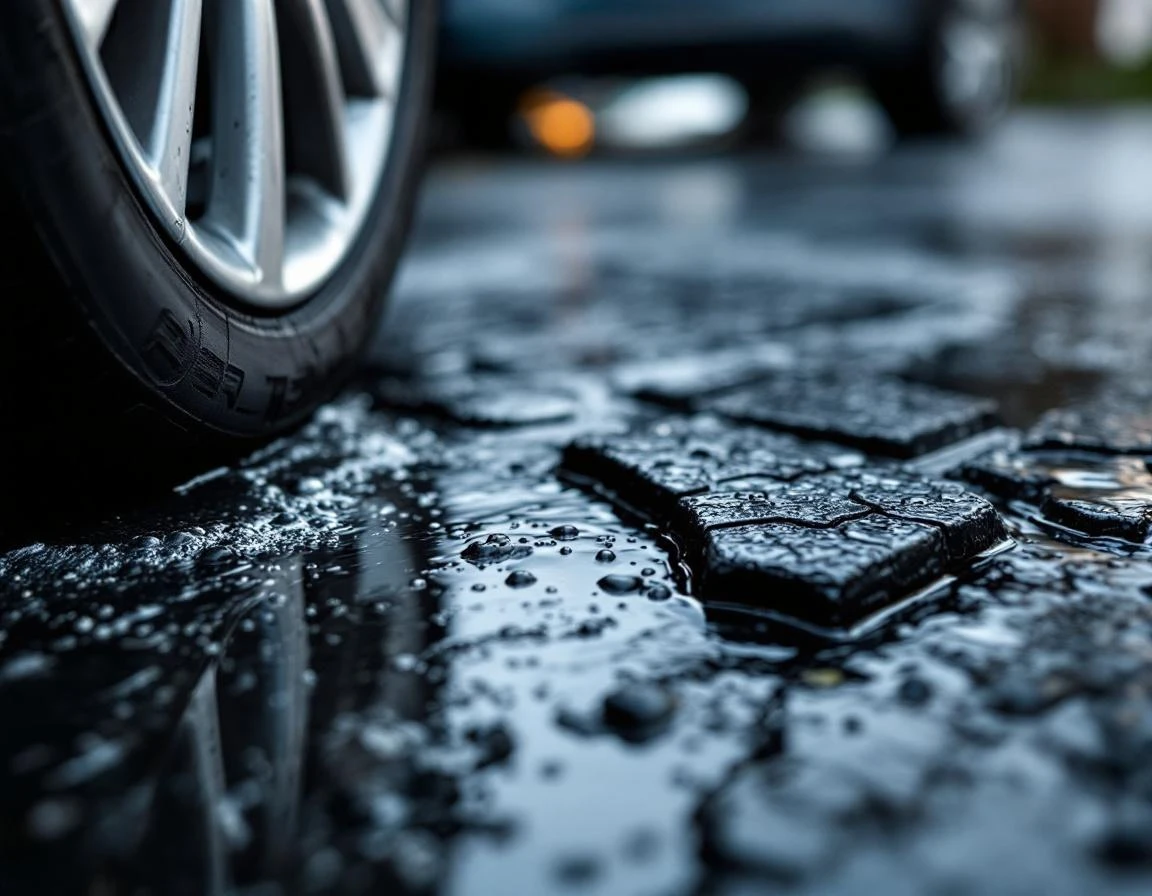
Summer heat doesn’t just stress your engine—it directly affects your tires. When temperatures climb from Portland’s mild spring into the 85-95°F range, the air inside your tires expands, typically raising pressure by 1-2 PSI. That might not sound like much, but overinflated tires wear unevenly in the center and increase blowout risk on hot highway stretches along I-5 or during mountain drives to Hood River.
Check your tire pressure with an inexpensive gauge (under $15) when tires are cold—before you’ve driven more than a mile. Match the PSI listed on your driver’s door jamb, not the maximum number stamped on the tire sidewall. That maximum rating isn’t your target; it’s an upper limit.
Next, inspect tread depth using the penny test: insert a penny into the tread groove with Lincoln’s head upside down. If you can see the top of his head, your tread has worn below 2/32 inch—the minimum legal depth. Worn tires fail faster in summer heat and lose traction during surprise rain showers, increasing hydroplaning risk.
This 10-minute visual inspection and pressure check prevents expensive replacements and roadside emergencies. If tread depth concerns you or tires show uneven wear, visit a shop for professional rotation, balancing, or replacement before your summer travel begins.
Engine Oil & Fluid Levels
Summer heat accelerates oil oxidation and thins oil viscosity, reducing the protective barrier between moving engine parts. Older oil loses its ability to protect against friction faster when exposed to sustained heat, which means the 5,000-mile oil that served you fine in Portland’s mild spring may not hold up once temperatures climb into the 90s.
Checking your fluid levels is a 15-minute DIY task that requires zero special tools. Pop your hood and locate your oil dipstick—wipe it clean, reinsert it fully, then pull it out to check the level between the min and max marks. While you’re under the hood, inspect brake fluid color (should be clear to light amber, not dark brown), transmission fluid level (check with engine warm if applicable), and power steering fluid.
Should you switch to a summer-grade oil? Your owner’s manual holds the answer—many modern vehicles use multi-grade oils year-round, but older cars may benefit from a viscosity change. The prevention math is simple: a $50-100 fluid service now beats a $1,500-plus transmission repair later. If you’re uncomfortable checking these yourself, schedule a fluid inspection with our team.
Battery & Electrical System Assessment
Here’s a fact that surprises most Portland drivers: car batteries fail more often in summer heat than during winter cold. Extreme temperatures accelerate chemical degradation inside the battery, breaking down the lead plates faster. Add in the electrical demand from running air conditioning on I-5 commutes and extended daylight driving during road trips, and you’ve got the perfect recipe for a dead battery on Highway 26 heading to the coast.
A quick visual inspection takes five minutes. Pop your hood and check the battery terminals for white or blue-green corrosion, which signals electrical resistance problems. Wiggle the cable connections to confirm they’re tight, and check the battery’s manufacturing date if visible—most batteries last 3-5 years in our climate.
The math here is simple: replacing a weak battery in May costs $100-150. Waiting until it dies on a July highway trip means a $300+ tow bill plus emergency replacement at inflated prices.
Most auto shops offer load testing for under $50, which definitively reveals whether your battery can handle summer’s electrical demands. Schedule that test now, before vacation season starts.
Your 30-Minute Pre-Summer Action Plan
You can complete the most critical summer prep tasks in about 30 minutes this weekend. Here’s your priority checklist:
- Start with cooling system checks (coolant level, hose inspection, cap condition) since these prevent the most expensive failures
- Verify tire pressure and tread depth using a gauge and the penny test
- Check oil color and level under the hood, along with brake, transmission, and power steering fluids
- Inspect your battery terminals for corrosion and maintain cables are secure
Most of these checks are DIY and cost nothing. Professional services for items needing attention typically run $200-400 total: coolant flush ($100-150), oil change ($50-80), tire rotation ($25-40), and battery replacement ($120-180).
Use these decision rules: If you find dark brown coolant, cracked hoses, or a battery with heavy corrosion, schedule a shop visit this week. If your tread depth is close to 2/32 or fluids look slightly darker than new, monitor them and recheck in two weeks.
May is your deadline. Waiting until June means competing for appointments when everyone’s rushing before road trips. Completing this checklist now prevents breakdowns when you’re packed for the coast or heading to the Gorge in 90-degree heat. Contact us today to schedule professional service or get expert guidance on what you’ve found during your inspection.










Leave A Comment