Common Garage Door Sounds & What They Mean
Your garage door communicates problems through sounds. Learning to identify these noises helps you catch issues early, before they become expensive repairs. For Portland homeowners, understanding garage door noises and maintenance needs is essential to preventing breakdowns and costly repairs.
Squeaking, grinding, and rattling each signal different mechanical issues
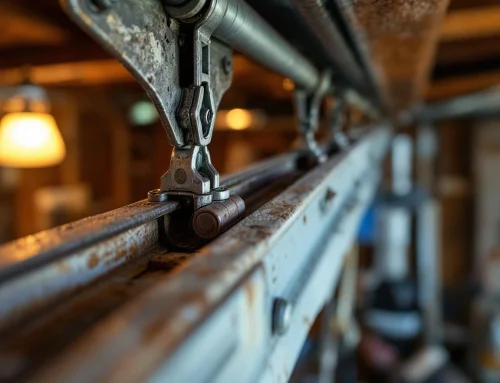
What separates a minor annoyance from a major repair bill? Often, it’s the type of sound your garage door makes. Squeaking typically points to worn rollers or dry hinges. While grinding suggests metal-on-metal contact from worn rollers or track misalignment. Rattling often indicates loose hardware or failing opener components.
Paying attention to when and where the sound occurs narrows down the culprit. Does the squeak happen only when opening? That’s likely your rollers or hinges. Grinding during operation? Your rollers or tracks need immediate attention. Rattling from the opener during operation? Check your chain tension and mounting hardware. For Portland homeowners navigating wet winter conditions, these sounds often intensify as moisture accelerates wear on vulnerable components.
Early diagnosis prevents spring and opener damage
Catching garage door noises early stops minor issues from cascading into major failures. That grinding sound you hear when opening? It might just need roller replacement now, but ignoring it could mean damaged tracks—costing thousands instead of hundreds. Portland homeowners face unique challenges with our wet winters accelerating corrosion and moisture-related failures.
Recognizing these signals early gives you control over repair timing and costs. Instead of facing an emergency call and same-day repair pressure, you can schedule service with Garage Harmony and get transparent quotes. Most importantly, you prevent that initial problem from damaging connected systems—worn rollers can damage your tracks, and a failing spring can destroy your opener.
Squeaking Noises: Causes & Repair Costs
Squeaking sounds usually point to roller, hinge, or spring issues that require different levels of urgency.
- Worn rollers create a high-pitched squeal, especially during opening or closing
- Dry hinges produce a sharp squeak as the door sections move
- Spring tension issues cause squeaking during operation
- Worn weatherstripping squeaks against the door frame
Homeowners can perform basic inspections themselves. Check your rollers for visible cracks, wear, or flat spots by watching the door operate. Examine hinge pivot points for rust or debris. However, internal spring components and opener mechanisms require professional diagnosis with proper tools and safety equipment.
Timing matters when addressing squeaky garage door noises. A new squeak that appears suddenly demands attention within a few days, while gradually worsening sounds suggest components nearing failure. In the Portland metro area, roller replacement, hinge lubrication, spring adjustment, and weatherstripping replacement each involve distinct service costs that vary by door type and component condition.
When is a squeak safe to ignore temporarily? Dry hinges that respond to lubrication give you a few days to schedule service. A squealing roller on a dry morning might last another week. But constant squeaking from rollers, grinding sounds, or squeals that worsen mean immediate professional service—continuing to operate risks complete component failure or damage that doubles your repair costs.
Grinding Noises: Urgent Repair Signs
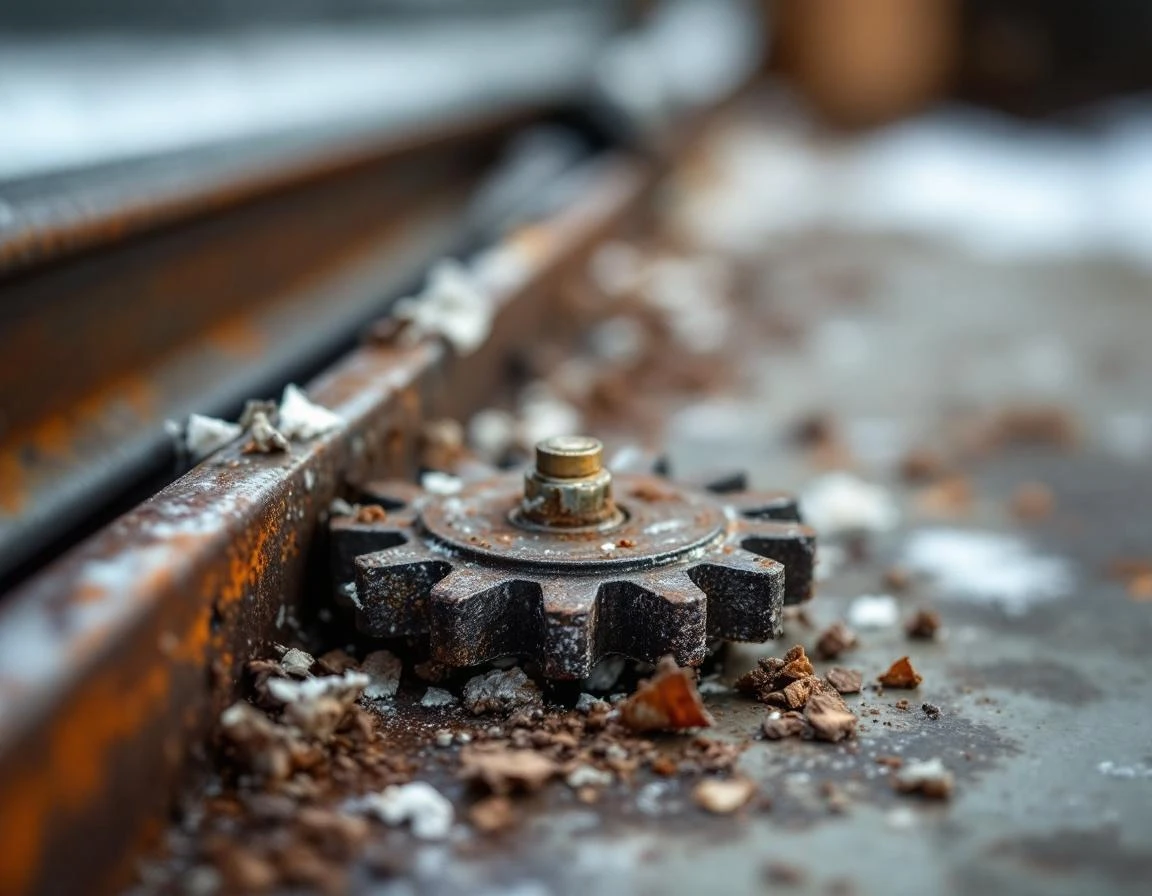
Grinding sounds demand immediate attention because they typically indicate metal-on-metal contact that worsens with every operation. The most common source is rollers that have worn completely through their bearings, leaving only the metal shaft scraping against the track. This happens when you’ve ignored earlier squeaking sounds or when roller bearings have failed entirely.
Why does roller grinding escalate costs so quickly? Once metal grinding begins, it damages your tracks within days or weeks. What started as a $150-$250 roller replacement in Portland metro area becomes a $600-$800 job when you need tracks repaired or replaced. Continue operating, and you risk cable damage or complete door failure—safety issues that no homeowner can afford to ignore.
Not all grinding originates from rollers. If the sound comes from the opener or only occurs at certain door positions, you’re likely hearing opener gear or spring damage. Opener grinding signals worn gears or motor problems. Especially if accompanied by door hesitation or difficulty operating. Garage Harmony technicians charge $200-$400 for opener repairs, with complete replacements reaching $400-$800.
Here’s where DIY inspection ends: grinding always requires professional diagnosis within days. You can visually check roller condition by watching the door operate, but opener and spring grinding demand specialized equipment and expertise. Schedule an appointment with Garage Harmony immediately—waiting weeks turns repairable problems into replacement-level damage.
Rattling Noises: Diagnosis & Timeline
Rattling sounds range from harmless annoyances to serious mechanical warnings.
- Loose hardware vibrating during operation
- Worn roller stems allowing excess movement in tracks
- Deteriorating mounting brackets
- Opener chain slack—a tension problem that can damage the motor if ignored
Pinpointing a rattle’s location helps identify severity. Does it come from the tracks during operation? That suggests loose rollers or mounting brackets. Hear it from the opener? Worn chain tension or motor mounts are likely culprits. A metallic rattling from the spring assembly under tension indicates hardware looseness, which demands immediate attention to prevent spring failure.
Portland-area repair costs vary by source. Tightening loose hardware runs $50-$100. While replacing worn rollers costs $150-$300 depending on which components need replacement. Chain tension adjustment often resolves with professional service at $75-$150. Though persistent rattling may signal deeper opener or mounting issues.
Simple rattles from loose nuts or bolts are safe for DIY inspection—look for hardware you can wiggle by hand. But spring assembly rattles and opener chain issues require professional diagnosis. Most rattles stem from deferred maintenance: tightening hardware during routine service and addressing worn rollers before they fail prevents these noises entirely.
DIY Inspection vs. Professional Service
Portland homeowners can safely perform several visual checks without specialized tools:
- Inspect your rollers for visible cracks or wear by watching the door operate and looking at the roller surfaces
- Check hardware tightness by looking for loose bolts, brackets, or hinges you can spot visually
- Look for obviously damaged weatherstripping, frayed cables, or components you can see are broken
These visual assessments help you describe problems accurately when calling Garage Harmony.
What should you never attempt to diagnose yourself? Spring tension and condition require specialized knowledge and safety equipment. Opener gear inspection demands disassembly. Track alignment and cable tension need the door properly secured with tools you can’t safely use at home. These components directly affect your safety and door longevity.
A professional diagnostic appointment with Garage Harmony costs $75-$150 and takes 30-60 minutes. Our technicians use specialized tools, safety equipment, and diagnostic methods to identify problems you can’t see from the ground. This small investment prevents operating on failing components for months—behavior that turns a $200 repair into a $1,500 spring or opener replacement.
When calling Garage Harmony, use this approach: “I’m hearing a [grinding/squeaking/rattling] sound that happens when I [open/close/operate] the door. It started about [timeframe] ago and seems to be coming from the [tracks/opener/spring area].” This description gives our technicians the information they need to schedule appropriate diagnostic time and prepare the right equipment.
When to Schedule Maintenance for Garage Door Noises Now
Grinding noises require the fastest action—schedule an appointment with Garage Harmony within 24-48 hours and avoid operating the door until our experts inspect the issue. Metal-on-metal roller contact worsens with every operation, turning a $150 roller job into a $800+ track replacement.
Squeaking sounds allow more flexibility. Schedule service within one to two weeks, and you can safely operate the door in the interim. New squeaking warrants quicker attention than familiar sounds you’ve monitored over time. Rattling also falls into the one to two week window unless accompanied by grinding or performance changes, which bump it to urgent priority.
Portland’s rainy season (winter and spring) masks some sounds with weather noise but accelerates rust on rollers and hardware. If you hear new sounds during dry summer months, don’t wait for rain to make them disappear—that delay allows corrosion to advance. Your usage frequency matters too: daily users should schedule faster than occasional operators.
Booking during normal business hours saves money compared to emergency weekend rates. Identifying garage door noises and acting within the recommended timeline prevents surprise breakdowns and saves hundreds to thousands in repair costs. Ready to schedule? Visit our appointment page to get your garage door inspected before small problems become expensive failures.