


Carlton Summer Heat & Wood
Carlton’s dry summer heat creates unique challenges for wooden garage doors, making spring conditioning essential for preventing cracks and warping. Homeowners in wine country need professional wooden garage door repair in Carlton Oregon to address seasonal damage before visitor season arrives.
Carlton’s 65-92°F summers create extreme moisture
Carlton’s summer temperatures swing from cool mornings at 65°F to afternoon peaks near 92°F, creating a moisture roller coaster for wooden garage doors. As temperatures climb during wine country’s dry season, wood panels release moisture they absorbed during Oregon’s wet winter and spring months.
This constant expansion and contraction puts stress on your garage door’s wooden structure. Panels that seemed perfectly fine in May can develop visible cracks by July, or warp enough to create gaps that compromise your garage’s security. The damage accelerates when direct afternoon sun hits south-facing doors, intensifying the drying effect and making splits more likely to appear along the wood grain.
Morning fog and afternoon heat intensify panel expansion-contraction cycles
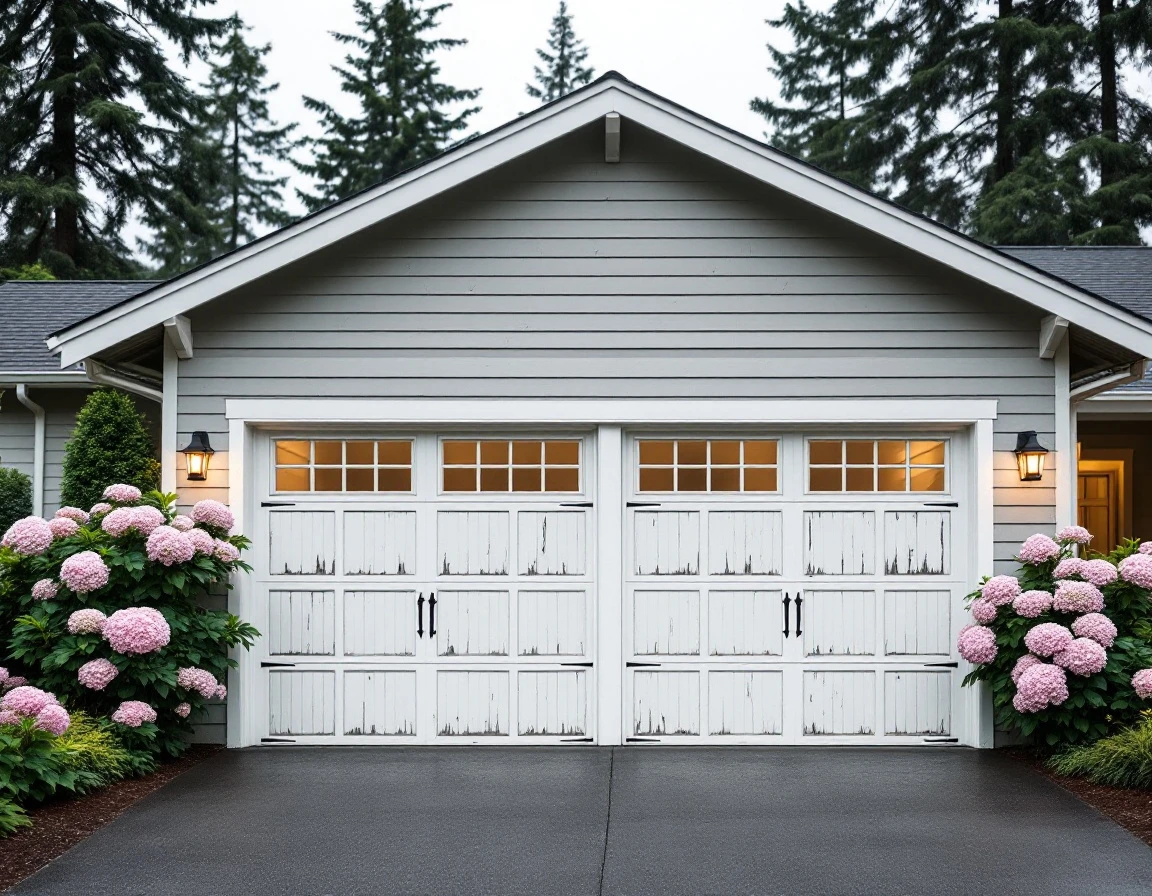
Carlton’s climate creates particularly harsh conditions for wooden garage doors. Morning valley fog saturates panels with moisture, then afternoon temperatures climbing into the 80s and 90s rapidly dry the wood. This daily cycle repeats throughout April and May, forcing panels to swell and contract repeatedly.
The constant expansion and contraction stresses wood fibers and existing joints. When garage door panels crack and warp from summer heat. Damage typically appears before June visitor season if untreated, showing up as edge cracks, warped stiles, and separated panel joints.
Conditioning your panels now prevents costly repairs during peak tourism months.
April-May Pre-Summer Conditioning
Wooden garage doors in Carlton need conditioning applied in April or early May—before summer heat arrives and before June brings wine country visitors. Why does timing matter? Conditioning products require two to three weeks to cure fully. And they must set before temperatures climb into the 80s and 90s. If you apply sealant during hot weather, it can bubble, crack, or fail to penetrate properly.
Start by inspecting your lower panels first. These absorb the most moisture from ground splash and morning fog, making them prone to cracking. Check all panel joints and look for gaps where caulk has pulled away—these are entry points for moisture that expands and contracts with temperature swings.
Your 3-Week Conditioning Timeline
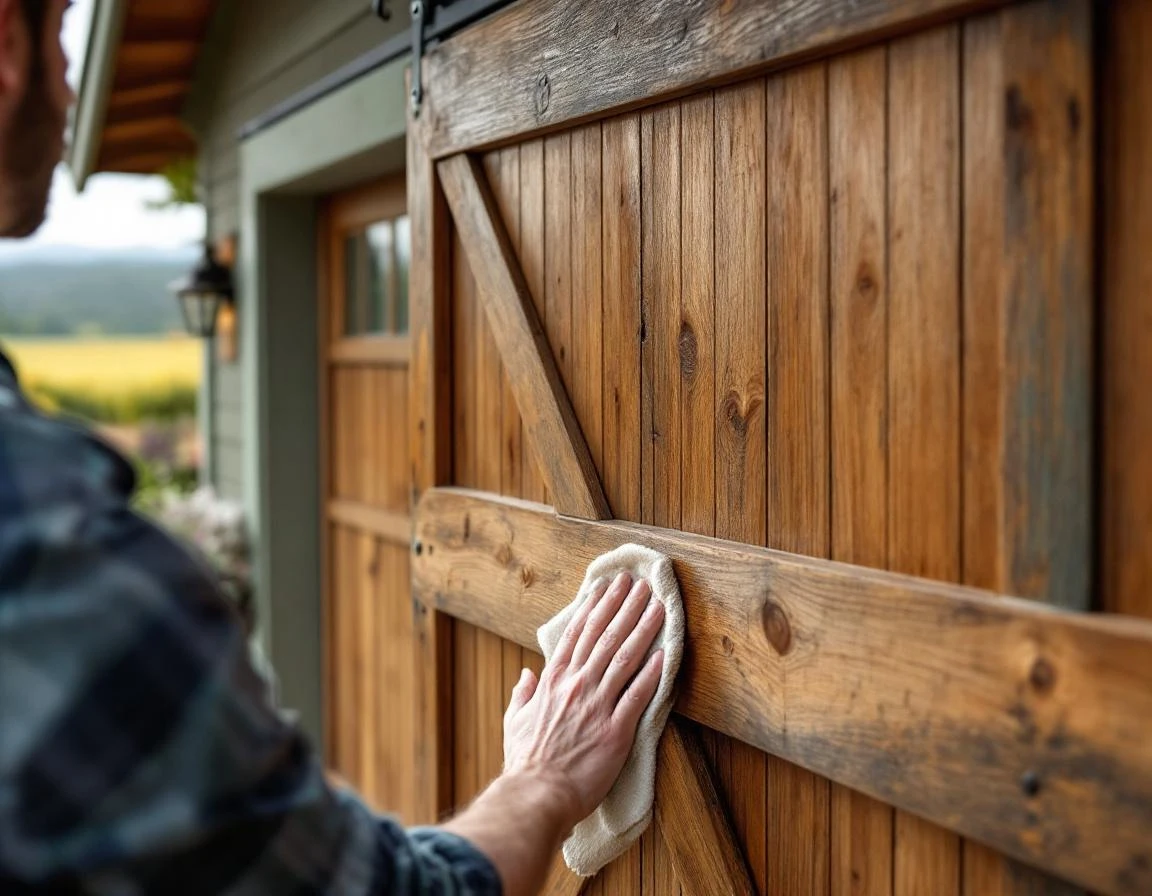
- Week 1: Clean panels with a mild detergent and let them dry completely for 48 hours. Apply exterior-grade caulk (DAP Dynaflex 230 or similar) to all panel joints and hardware mounting points. This step alone prevents most moisture intrusion.
- Week 2: Apply your first coat of marine-grade sealant or exterior wood stain. For Carlton’s dry summers, Cabot Australian Timber Oil or Penofin Ultra Premium Red Label work well on cedar and redwood. Both penetrate deeply and resist UV damage. Apply with a foam brush, working top to bottom. Let cure 72 hours minimum.
- Week 3: Apply your second coat, again working top to bottom. Focus extra attention on lower panels—apply a third coat if wood grain still looks thirsty. The door should feel smooth and slightly oily to touch, not sticky.
This wood garage door conditioning in wine country creates a moisture barrier that prevents the expansion-contraction cycles that cause warping. By mid-May, your door will be protected before June heat arrives and your property looks its best for tasting room season.
Recognizing Damage Requiring Repair
Understanding damage severity helps you decide between a DIY fix and calling Garage Harmony before visitor season brings emergency pricing. The difference between early detection in April-May and waiting until June can mean the gap between affordable preventive repair and expensive emergency service.
Minor Damage: DIY Territory
Hairline cracks thinner than 1/8 inch respond well to homeowner treatment. Use a business card as a measuring tool—if the crack won’t accept the card’s edge, you can seal it yourself with wood filler designed for exterior use. These surface cracks appear first on lower panels where morning fog concentrates moisture.
Moderate to Severe: Professional Territory
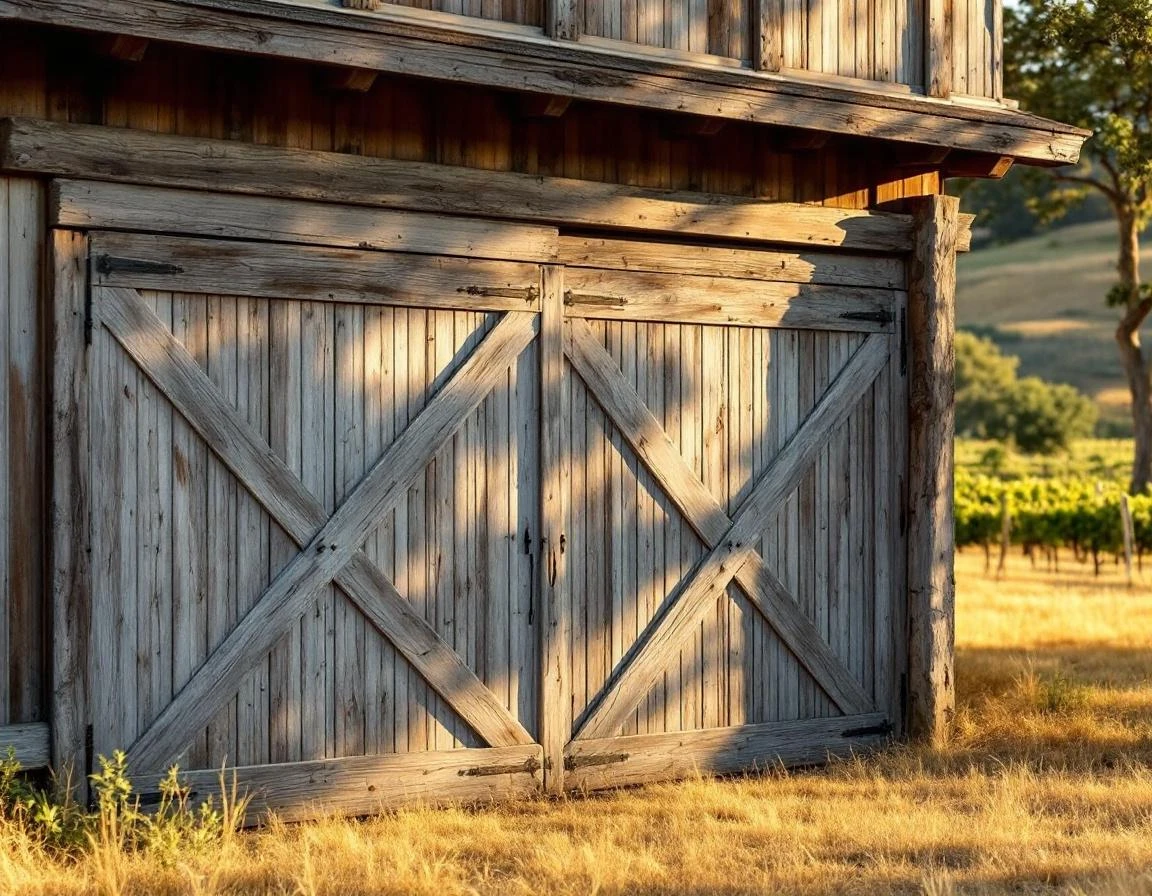
Cracks wider than 1/8 inch (accepting a business card edge) indicate deeper wood stress requiring professional repair. Panel warping visible when you sight along the door’s surface means moisture has compromised structural integrity. Watch for panel separation at vertical joints—gaps between stiles and rails signal joint failure that DIY fixes can’t address.
When to repair wooden garage doors depends on damage progression, and stalled action turns minor issues into emergency situations.
Water stains on your garage’s interior wall directly behind door panels reveal seal failure and active moisture penetration. This damage worsens rapidly once Carlton’s June heat arrives, turning a moderate repair into panel replacement. Identifying these issues in April or May means scheduling repairs before the rush, avoiding summer emergency rates, and protecting your home’s curb appeal before wine country visitors arrive.
Panel Repair vs Full Door Replacement
Understanding the cost difference between early intervention and emergency replacement helps Carlton homeowners make smart decisions about their wooden garage doors. A single-panel repair caught in April or May typically costs $300-600. Addressing warping or minor cracks before they spread. Wait until June when temperatures climb and visitor season begins, and that same damage escalates into an emergency repair costing $800-1,200.
Why does timing matter so much? Carlton’s wine country tourism creates a summer surcharge effect on both materials and labor. When vineyards fill with visitors from June through September, contractors face higher demand and lumber yards stock premium inventory for wine estate projects. A full wooden door replacement that might run $2,500 in April can jump to $3,500-4,500 during peak visitor season.
The math is clear: spending $400 on spring conditioning and minor repairs prevents a $3,000+ emergency replacement. For Carlton homeowners who recognize early warning signs and schedule repairs before Memorial Day, that investment protects both your door and your budget through the entire summer season. Carlton Oregon seasonal garage door damage peaks in summer, making spring intervention your best defense.
Wooden Garage Door Repair in Carlton Oregon: When to Call Garage Harmony
After conditioning your panels and checking for damage, you’ll know whether professional help is necessary. Call Garage Harmony if cracks exceed 1/8 inch or if warping is visible to the eye—these issues won’t resolve with sealant alone. Panel separation at joints requires immediate professional assessment, as it compromises your door’s security and weather protection.
Spring scheduling in April-May means June availability before Carlton’s visitor season fills calendars. Our free inspection identifies damage homeowners often miss, including moisture intrusion behind panels and hardware stress that hasn’t yet caused visible failure. Preparing your garage door for extreme summer heat requires professional expertise to catch issues early and prevent emergency costs when your garage door fails during a tasting room weekend.
May is your deadline for repair scheduling if you want work completed before June visitors arrive. Contact us today to schedule your spring inspection and keep your garage door looking its best through harvest season.


Leave A Comment