


Why March Matters for Oregon Homeowners: Your Garage Door Tune-Up Spring Guide
March marks the ideal time for a garage door tune-up spring maintenance as Portland’s winter rains taper off and usage increases heading into summer. This garage door tune-up spring Oregon homeowners need protects against the moisture damage that accumulates during wet winters.
Oregon’s wet spring weather stresses garage door
Oregon’s relentless spring rains take a toll on garage door components, creating conditions ripe for failure. Moisture penetrates weatherstripping, accelerates rust on springs and rollers, and warps wooden door sections. When these compromised parts suddenly face heavy summer use after months of winter dormancy, failure risk jumps.
The transition from wet, cool weather to warm, dry summer days compounds stress on already-weakened components. Springs that corroded during winter months may snap under increased cycling frequency. While door openers that sat largely idle suddenly work overtime as families begin summer activities and home projects.
Three-part tune-up prevents emergency calls
A complete three-part tune-up in March addresses the damage caused by Oregon’s wet winter months before heavy summer usage begins. This proactive approach prevents emergency service calls during peak season when garage door failures disrupt daily routines and access to vehicles.
The Pacific Northwest climate creates unique maintenance needs that differ from drier regions. Spring’s transition period offers ideal conditions for inspecting components stressed by winter moisture while preparing systems for increased summer activity.
Addressing rust, worn springs, and opener issues now prevents failures during July and August when families rely most heavily on garage access.
Part 1: Spring Inspection Checklist
Before you grab any tools, walk through a simple visual inspection that takes just 10-15 minutes. This first-line defense against summer failures helps you catch problems early, when they’re easier and less expensive to fix.
What to Look For During Your Walk-Around
Start with the springs mounted above your garage door. Look for any visible gaps, stretching, or separation in the coils—these are clear signs the spring is weakening. Check all metal components for rust and corrosion, especially common after Oregon’s wet winter months. Pay close attention to hinges, roller brackets, and track mounting hardware where moisture tends to accumulate.
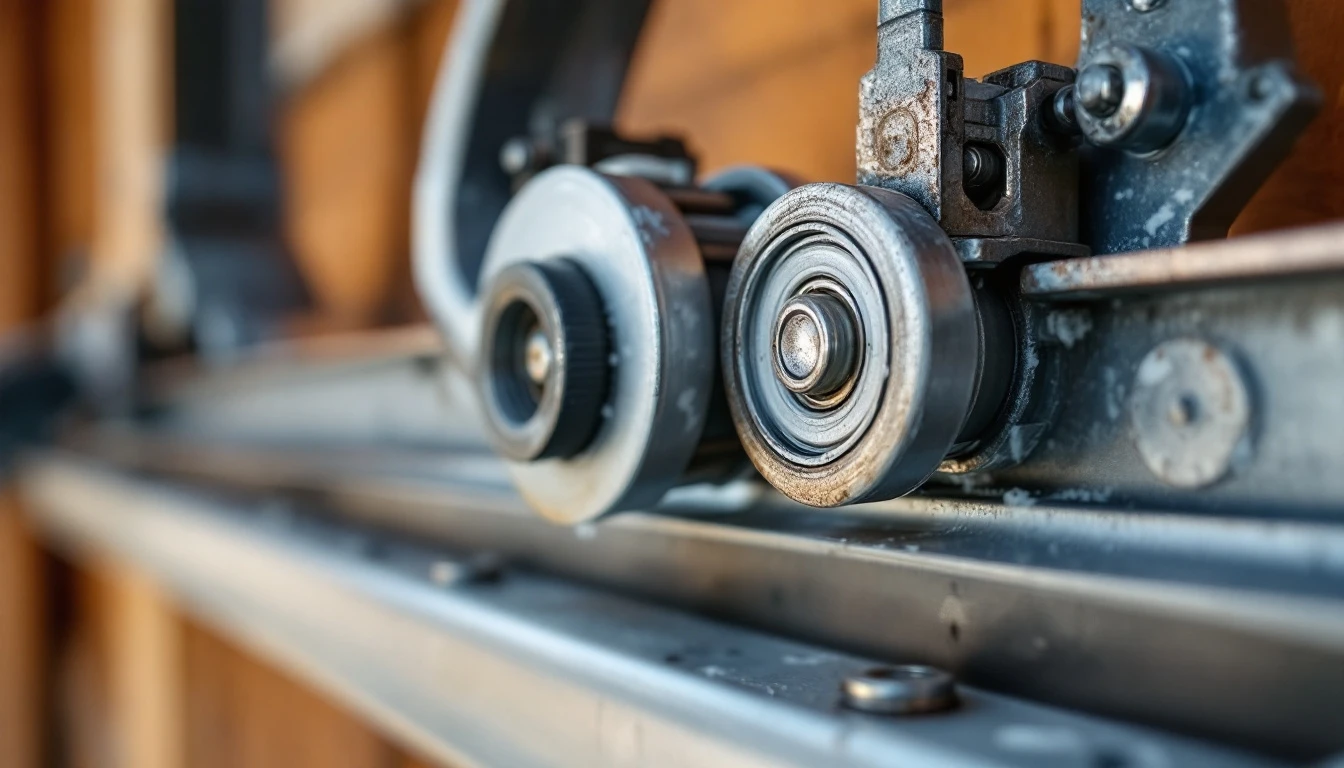
Next, examine the cables running from the bottom corners of your door to the spring assembly. Fraying or broken strands mean the cable is near failure. Inspect the rollers for wear patterns—if the wheels look flat instead of round, or if they wobble in their brackets, they need replacement soon.
Now test the door’s balance. Disconnect the opener by pulling the red release handle, then manually lift the door halfway up. A properly balanced door should stay in place without your help. If it falls or shoots upward, the springs need professional adjustment. While you’re testing, listen carefully for grinding, scraping, or loud squeaking sounds that indicate worn components or dry rollers.
When to Call Garage Harmony
Contact our team immediately if you spot the following issues:
- Visible spring damage
- Severe rust that’s eating into metal thickness
- Obvious door imbalance
- Frayed cables
These conditions can lead to sudden door failure, creating safety hazards and leaving your garage unusable during the busy summer months ahead.
Part 2: Lubrication and Weather Sealing
Now that you’ve completed your visual inspection, it’s time for hands-on maintenance that directly addresses the moisture and debris challenges Oregon’s wet spring creates. With basic tools and 30–45 minutes, you can perform lubrication and weatherstripping tasks that prevent friction-related failures and water infiltration.
Start by cleaning your garage door tracks with a damp cloth to remove accumulated dirt, moisture traps, and winter debris. Once dry, apply a silicone-based lubricant to the tracks, hinges, rollers, and springs. Products like 3-IN-ONE Professional Garage Door Lubricant or Blaster Garage Door Lubricant resist Oregon’s moisture far better than oil-based alternatives that wash away in rain. Apply sparingly—over-lubrication attracts dust.
What should you avoid lubricating? Never apply lubricant to safety sensors, cables, or the door’s painted or vinyl surfaces. Safety sensors require clean lenses to function properly, while cables operate under extreme tension and should only be serviced by professionals. A light coating on metal rollers and hinge pins reduces friction and extends component life by preventing metal-on-metal wear.
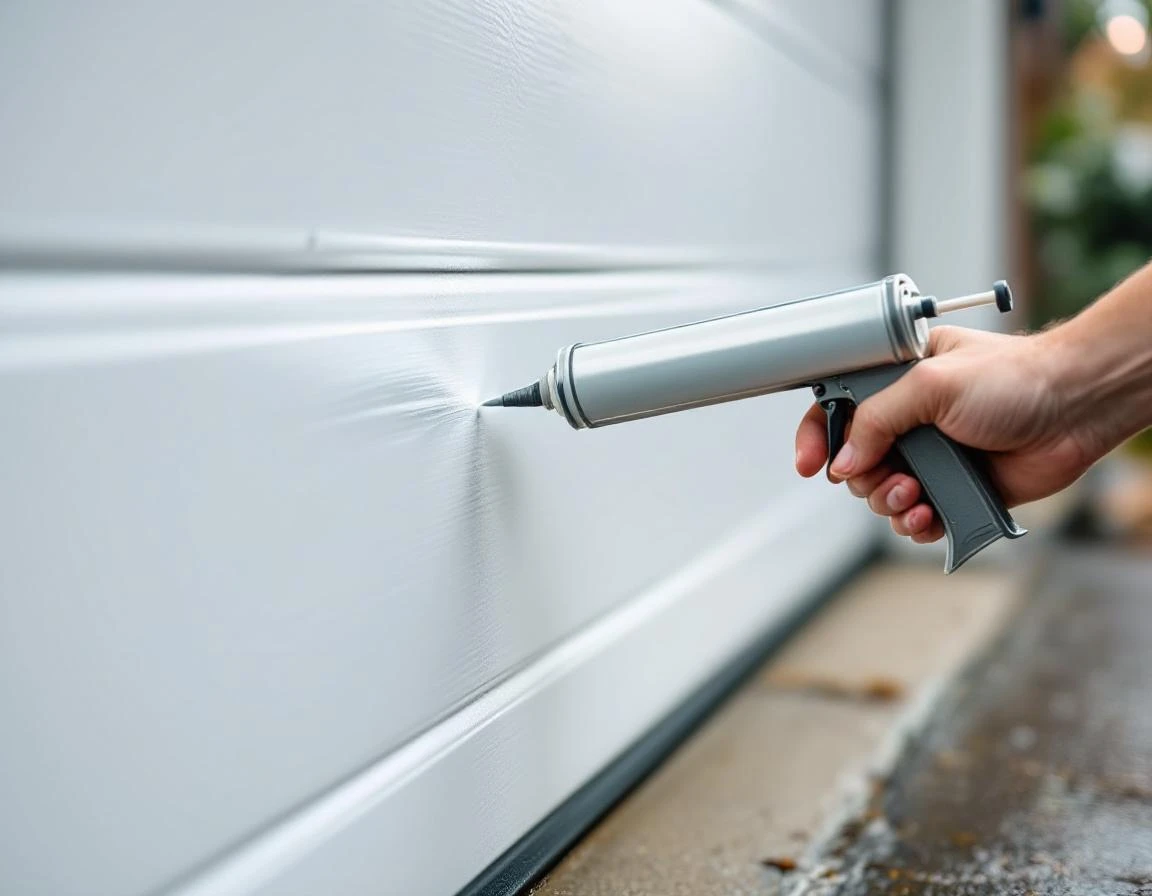
Next, inspect your weatherstripping along the door bottom and sides. Portland’s wet climate makes this rubber seal a critical water-protection barrier. Press the rubber—if it feels brittle, shows cracks, or has lost its flexibility, replacement is necessary. Hardware stores like McLendon Hardware in Portland carry replacement weatherstripping by the foot. Proper sealing prevents water from entering your garage during spring rain events and protects stored items from moisture damage.
These preventive measures address winter’s toll on moving parts while preparing your door for increased summer usage. You’re equipping your garage door to handle months of reliable operation ahead.
Part 3: Safety System Verification
Before your garage door sees increased summer use—especially if you have children or pets—verify that safety systems function properly. This step isn’t optional. Modern garage doors include multiple safety features that prevent injuries, and March maintenance should confirm each one works correctly.
Start with the photo-eye sensors, two small units mounted on either side of your garage door opening about six inches from the floor. These sensors create an invisible beam across the doorway. When functioning properly, they prevent the door from closing if anything breaks the beam. Test them by closing the door and waving a broom handle through the sensor path. The door should immediately reverse. If it doesn’t respond, check for misalignment—the sensors should face each other directly with their indicator lights glowing steadily. Moisture from Oregon’s wet winters can shift sensor brackets, so realignment may be necessary after months of damp weather.
Next, test the auto-reverse mechanism by placing a two-by-four flat on the ground in the door’s path. When the descending door contacts the board, it should reverse within two seconds. If it crushes the board or reverses slowly, the force settings need professional adjustment.
Do not attempt to adjust these settings yourself—improper force calibration creates serious injury risks.
Finally, pull the emergency release cord to confirm it disengages the opener smoothly. This simple check means you can manually operate your door during power outages or opener failures.
When to Call a Professional
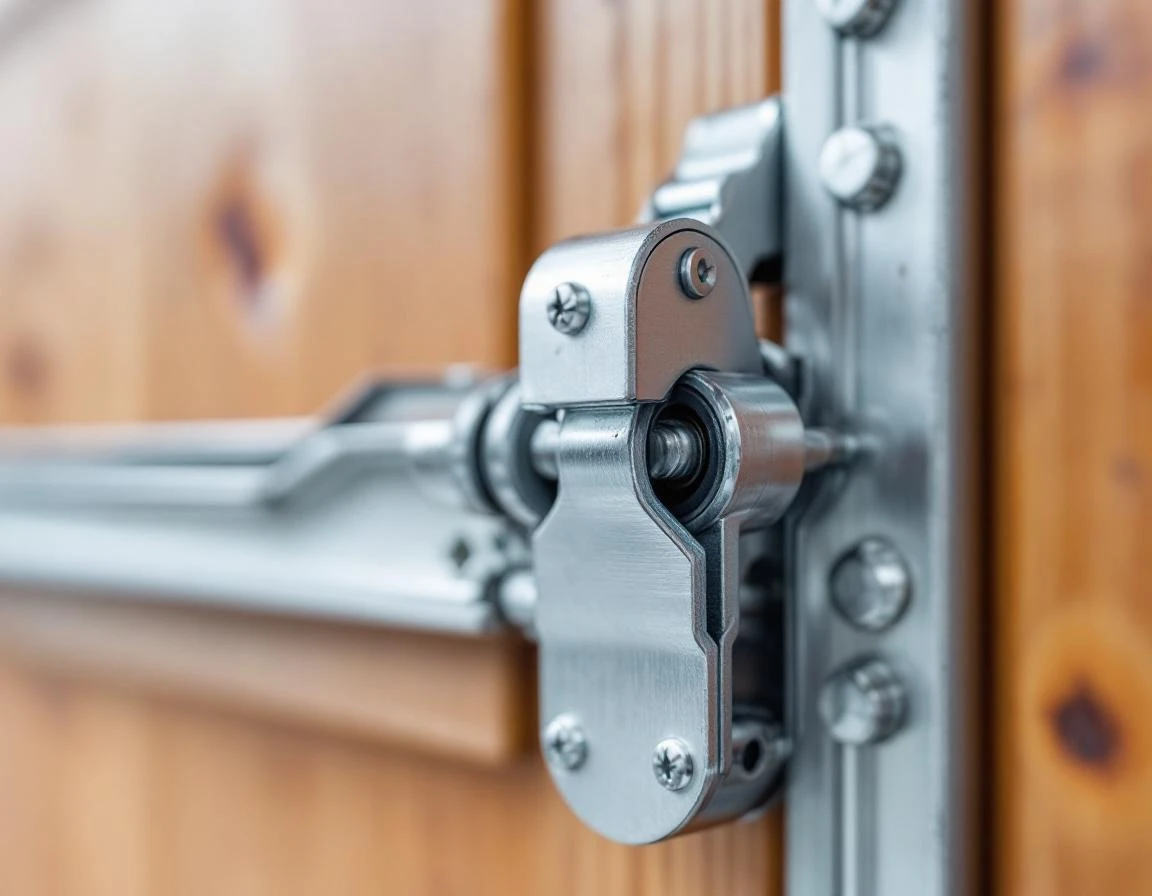
While visual inspections and basic maintenance are safe DIY tasks, garage door spring work is never a homeowner project. Springs store tremendous force, and even springs that appear intact can fail catastrophically during attempted repairs. If you see a crack or visible gap in the spring coils, notice rust that has eaten into the metal rather than just coating the surface, or find that your door won’t stay open at shoulder height when manually lifted, stop immediately and call for professional service.
These are clear indicators that your spring system has reached the end of its service life. A door that closes too quickly, won’t open fully, or makes grinding sounds beyond the normal operational noise you’ve heard before also signals spring trouble. In the Portland metro area, March is the perfect time to schedule professional spring replacement because our team has greater availability before the summer rush begins.
Waiting until June when temperatures climb and everyone’s garage door is getting heavy use means longer wait times and higher risk of a complete failure that traps your car inside. Portland garage door repair professionals recommend avoiding DIY fixes for springs, cables, and tracks due to safety risks. Professional service isn’t a failure of the DIY process—it’s protecting your family from injury and your home from the cascading damage a spring failure causes. Contact us today for an inspection if your March tune-up revealed any of these warning signs.
March Action Plan for Portland Metro
Break your spring garage door maintenance across two weekends to make it manageable.
- Weekend One: Complete your visual inspection on Saturday, checking for rust, corrosion, and weather damage. Document everything with photos on your phone—these records prove useful for warranty claims and tracking component age. Use Sunday to test all safety systems and note any failures or warning signs.
- Weekend Two: Tackle lubrication and weatherstripping replacement early Saturday morning. Apply silicone-based lubricant to all moving parts, replace worn seals, and verify smooth operation. Finish by retesting safety features after lubrication changes how components move.
Why March? Portland metro’s weather window is closing fast. April and May bring heavier rainfall that makes outdoor maintenance uncomfortable and accelerates rust on exposed metal. More importantly, seasonal garage door maintenance includes visual inspection for signs of wear and tear such as dents, cracks, or rust. And professional repair schedules fill quickly as homeowners discover winter damage. If your inspection revealed cracked springs, deep corrosion, or balance issues, contact Garage Harmony now—waiting until April means competing with dozens of other homeowners for the same appointment slots.
After completing your tune-up, you’ll know exactly where you stand. Either you’ve confirmed your door is ready for summer barbecues and frequent use, or you’ve identified specific problems and scheduled professional service before they become emergency repairs. Rising daily garage usage from remote work, package delivery, and multiple drivers is compressing spring lifespan. Making proactive maintenance more important than ever. Keep your documentation handy for next March’s inspection.





Leave A Comment