


Winter Damage Costs & Prevention
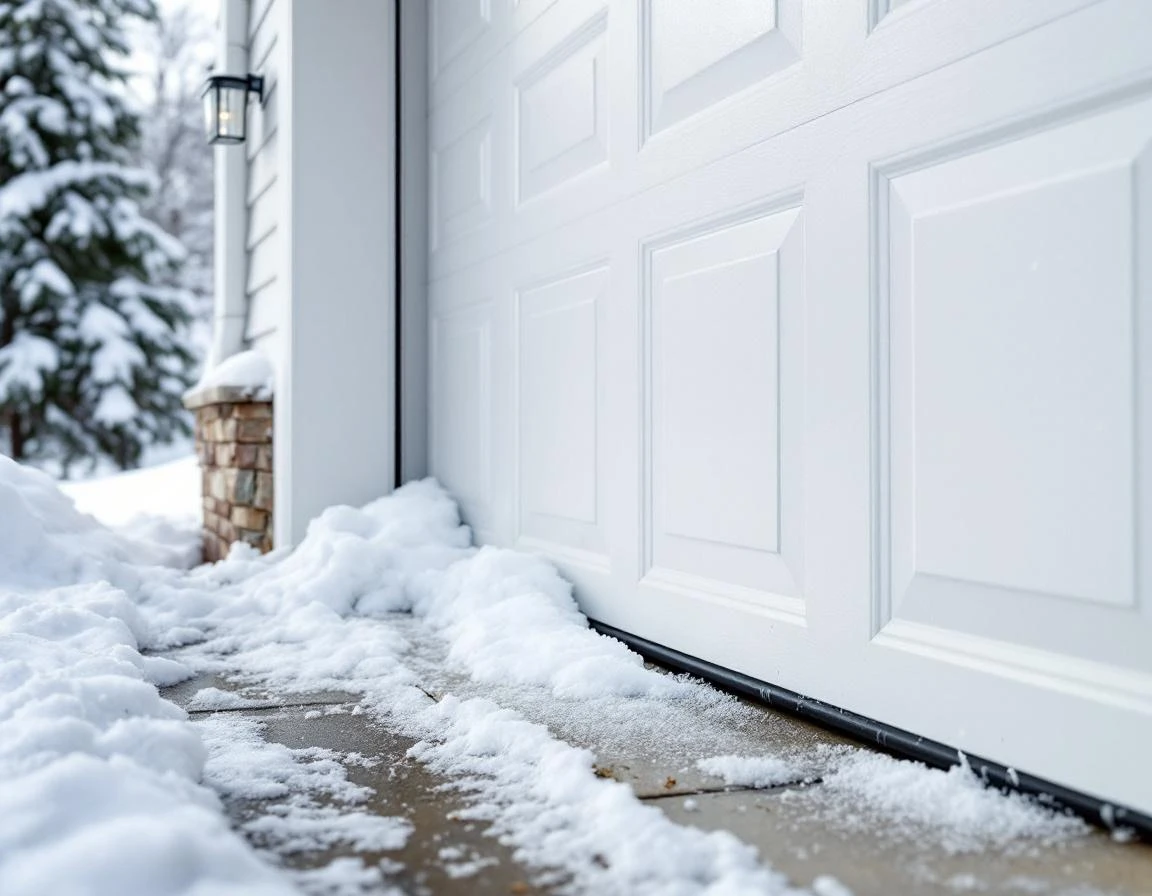
Winter weather creates expensive garage door emergencies that most homeowners never anticipate. Without proper protection, snow and ice cause $500 to $2,000 in emergency repairs through frozen tracks that prevent operation, ice-weighted doors that strain springs to failure, and salt corrosion that eats through metal components. Learning how to protect garage door snow ice damage is essential for homeowners in cold climates.
The most common winter failures? Frozen tracks, damaged springs, and panel cracks—all preventable with preparation. Five specific protective actions prevent the majority of winter-related garage door damage. Making them a smart investment against costly emergency service calls.
Why does March matter? It’s your final window to complete preparation before late-season snow events strike. Cold-weather regions regularly see snow and ice through April, catching unprepared homeowners off guard. Taking action now protects your garage door through the entire winter season and extends its functional lifespan.
Five Essential Protection Actions for Winter Garage Door Care
These five protective measures work together to shield your garage door from winter weather protection needs. Each action targets a specific vulnerability, and completing all five creates a defense system that prevents the costly emergency repairs we discussed earlier. Let’s walk through them in order of urgency.
- Action 1: Clear and seal track drainage to prevent ice buildup. Ice forming in your door tracks can prevent proper closing and force the opener motor to work harder, risking burnout. Remove debris from drainage holes at the bottom of vertical tracks, then apply silicone sealant around the track mounting brackets. Time required: 15 minutes. Materials: silicone sealant ($8).
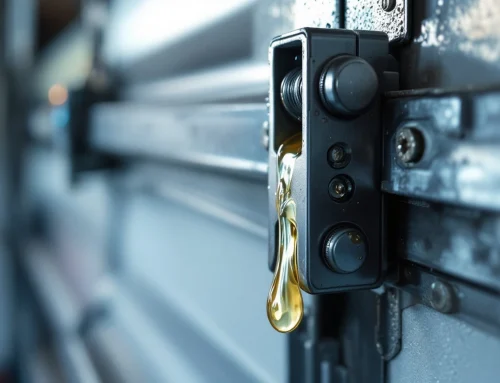
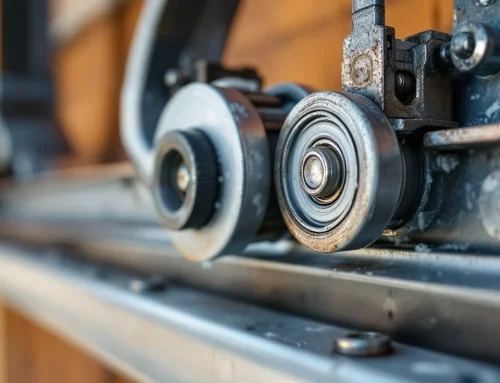
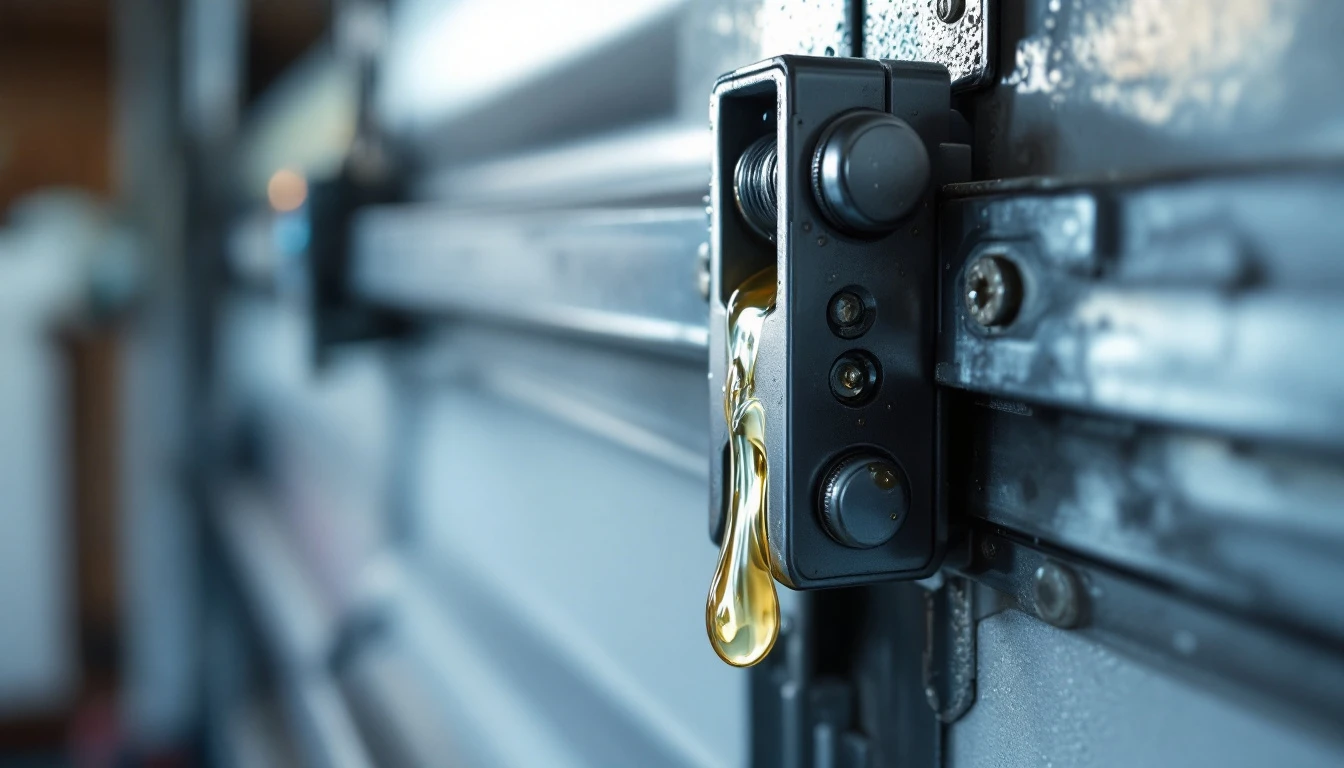
- Action 2: Lubricate all moving parts with winter-grade lubricant. Standard lubricants thicken in cold temperatures, causing rollers and hinges to stick or freeze. Apply lithium-based or silicone garage door lubricant to all rollers, hinges, springs, and the opener chain or belt. Time required: 20 minutes. Materials: winter-grade lubricant ($12).
- Action 3: Install weatherstripping and inspect door seals. Gaps along the bottom and sides allow ice seepage that damages panels and increases heating costs. Replace cracked or compressed weatherstripping along all edges, paying special attention to the bottom seal. Time required: 45 minutes. Materials: weatherstripping kit ($25–$40).
- Action 4: Test spring tension and balance before heavy snow. A door that doesn’t balance properly puts extra strain on the opener during snow events. Disconnect the opener and manually lift the door halfway—it should stay in place. If it drops or shoots up, the springs need adjustment. Time required: 10 minutes to test. Professional adjustment if needed: $90–$120.
- Action 5: Install or repair snow bracing on door panels. Heavy snow accumulation can bend or buckle door panels. Add horizontal strut reinforcements to the back of each panel section, especially on doors wider than 9 feet. Time required: 1 hour. Materials: steel struts ($35–$50).
These five preventive actions require a modest upfront investment that protects against the far greater expense of repair work, particularly for major damage that can strain budgets.
Track Clearing and Drainage
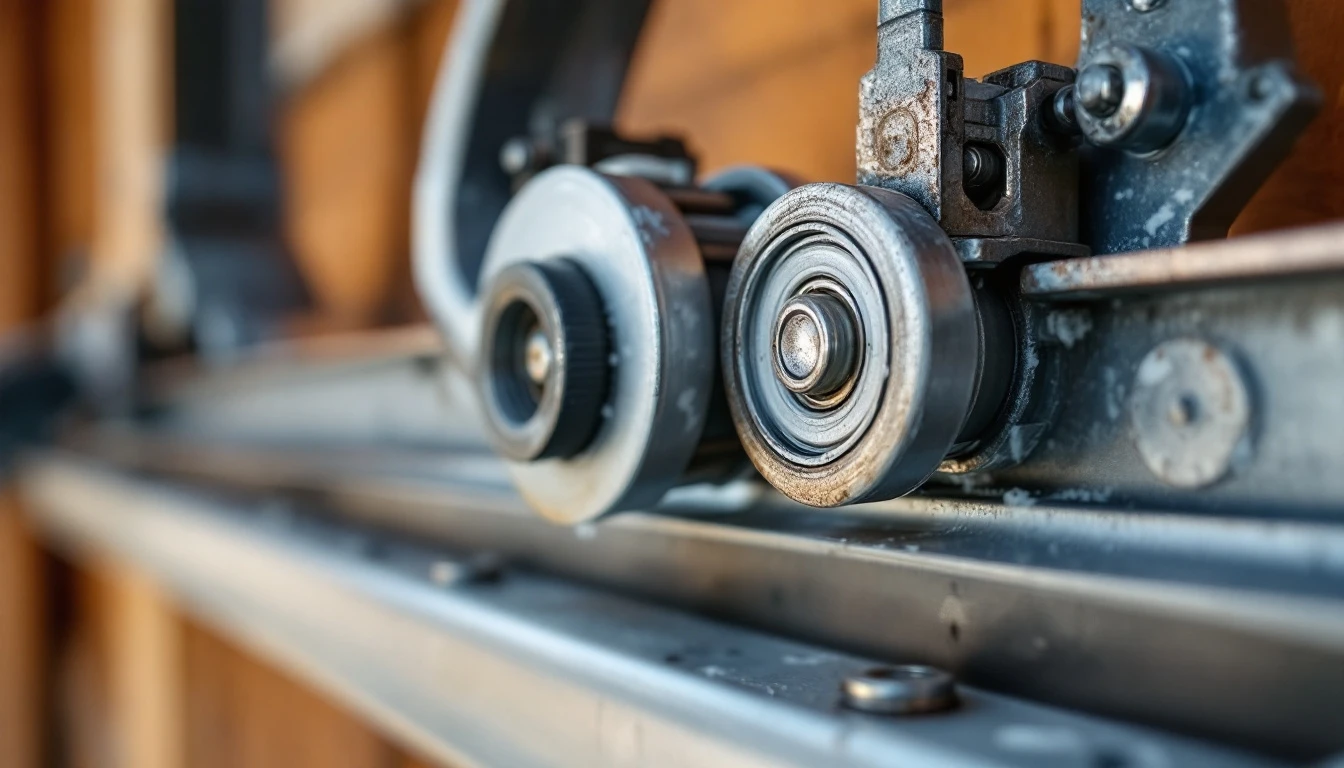
Ice buildup in tracks is the leading cause of frozen garage doors in winter. Snow and slush accumulate in the track channels, then freeze as temperatures drop. The expanding ice prevents the door from moving and puts dangerous stress on rollers and springs.
Before March arrives, brush out all debris from your tracks, wipe away standing water, and let them dry completely. Apply a silicone-based lubricant to the tracks—never WD-40, which attracts moisture and makes the problem worse.
This 20-minute task protects against the most common winter failure mode and prevents costly damage to connected components.
Lubrication for Cold Temperatures
Cold temperatures thicken standard lubricants into paste-like consistency, creating friction that forces your garage door opener to work harder and places strain on spring systems. This resistance can lead to spring failure and opener burnout during winter months.
Winter-grade silicone spray maintains fluidity below freezing and repels moisture better than petroleum-based oils. Apply 2–3 coats to springs, hinges, rollers, and track guides in a 50°F+ environment to allow proper drying. This 30-minute task costs $10–$20 per can and protects against expensive component failures throughout the season.
Weatherstripping and Door Seals
Worn weatherstripping along your garage door edges creates gaps that allow ice and snow to enter, forming frozen buildup that prevents smooth operation. Look for visible gaps between the door and frame, cracked or hardened rubber seals, and water stains on the floor inside your garage—these signs indicate failing weatherstripping that needs replacement before winter weather arrives.
Replacing weatherstripping takes about 45 minutes and costs $30–$60 for materials. Remove the old stripping, clean the door frame surface thoroughly, then apply new adhesive-backed weatherstripping along the entire perimeter. This simple upgrade prevents ice penetration along door edges, maintains heating efficiency by blocking cold air leaks, and saves $100–$200 in emergency repairs when ice damage would otherwise freeze door components. For detailed replacement steps, check our weatherstripping replacement guide.
Spring Tension Testing and Balance
Never attempt to adjust garage door springs yourself—these components hold hundreds of pounds of tension and should only be tested visually. Before winter weather arrives, perform this simple balance test: open the door halfway and release it. A properly balanced door holds its position, while an unbalanced door drifts up or down.
Winter cold makes springs brittle, and when combined with the weight of ice-covered doors, this creates conditions for sudden failure. A door that closes slowly or feels unbalanced signals spring fatigue before it snaps completely. If you detect imbalance, schedule a professional inspection (typically $100–$150) to prevent a $300–$800 emergency spring replacement.
Spring failure during a snowstorm can leave your garage inoperable until professionals respond—sometimes a multi-day wait during heavy snow events. Test your springs before heavy snow forecasts to avoid being stranded.
When to Call a Professional
Some warning signs require professional attention before winter weather arrives. If your door moves slowly, hesitates mid-operation, or makes grinding sounds, the problem extends beyond basic maintenance. Springs that appear loose, damaged, or corroded need immediate inspection—these components store tremendous tension and fail catastrophically when weakened by cold temperatures and ice weight.
Never force a frozen door. Attempting to override a stuck door damages panels, bends tracks, and burns out openers. Professional service calls prevent these cascading failures.
A pre-winter inspection identifies problems while you can schedule service at your convenience. Wait until a snowstorm hits, and you’ll pay premium emergency rates while waiting hours or days for an available technician. That frozen door blocking your car becomes an expensive repair when forced operation cracks panels or destroys the opener motor.



Leave A Comment