


If you’re a homeowner in the Tualatin Valley, you probably use your garage door several times every day without thinking twice about it. But have you ever wondered what stops that heavy door from closing on your car—or worse, on a person? Garage door safety sensors are the critical safety feature that prevents serious injury and property damage, and understanding how they work can help you maintain a safer home.
Understanding Garage Door Safety Sensors and How They Work
Safety sensors became a legal requirement on all garage doors manufactured after 1993, following federal regulations from the U.S. Consumer Product Safety Commission. These sensors use infrared technology to detect obstructions in the door’s path, creating an invisible beam across the opening.
The system works in pairs—one sensor sends an infrared beam while the other receives it. When the beam is interrupted by any object, the door immediately stops and reverses to prevent injury or damage. This simple concept has saved countless lives and prevented serious accidents in homes across Hillsboro, Sherwood, and Forest Grove.
Most sensors are mounted 4-6 inches from the ground on opposite sides of the door frame. This low placement catches everything from pets to small children before the door can cause harm.
How Photoelectric Garage Door Sensors Protect Your Family
Photoelectric sensors are the most common type found in modern garage doors. These sensors are highly sensitive and responsive, stopping doors in milliseconds when they detect an obstruction.
The technology remains reliable when properly maintained. Regular testing keeps sensors responsive and functional—a simple monthly check can give you peace of mind about your family’s safety. For more detailed information about sensor functionality, our complete sensor guide provides additional safety insights.

Key Safety Insight: Modern photoelectric sensors can detect objects as small as a child’s toy or a family pet, providing comprehensive protection for everyone who uses your garage.
In Tualatin Valley’s climate, where morning fog and moisture are common from October through March, these sensors must maintain accuracy despite environmental conditions. Quality sensors function reliably even in damp or dusty conditions typical of garages in Cornelius and North Plains.
Signs Your Garage Door Sensor Isn’t Working Properly
Recognizing when your sensors aren’t functioning correctly is crucial for maintaining home safety. Here are the most common warning signs:
- Door reverses immediately after closing or won’t close at all—this often indicates misalignment or obstruction
- Sensor lights don’t illuminate when you press the opener button
- Door closes but creates grinding or unusual sounds, suggesting the safety system isn’t communicating properly with the opener
- Sensors become misaligned due to impact from equipment or vehicles, especially common in busy garages
- Dirt, dust, or spider webs block the infrared beam—a frequent issue in rural areas like Banks
If you’re experiencing any of these issues, our detailed sensor troubleshooting guide can help you identify and resolve common problems.
Garage Door Sensor Installation and Alignment Tips
Professional installation mounts sensors at the correct height and aligns them properly from the start. Both sensors must be perfectly aligned for the infrared beam to function—even a few millimeters of misalignment can cause problems.
| Installation Factor | Specification | Why It Matters |
|---|---|---|
| Mounting Height | 4-6 inches from ground | Catches all obstructions including small pets |
| Alignment Tolerance | ±2mm maximum deviation | Maintains reliable beam transmission |
| Frame Positioning | Opposite sides of door | Creates complete safety beam across opening |
| Wire Protection | Secured and shielded | Prevents damage from vehicles or tools |
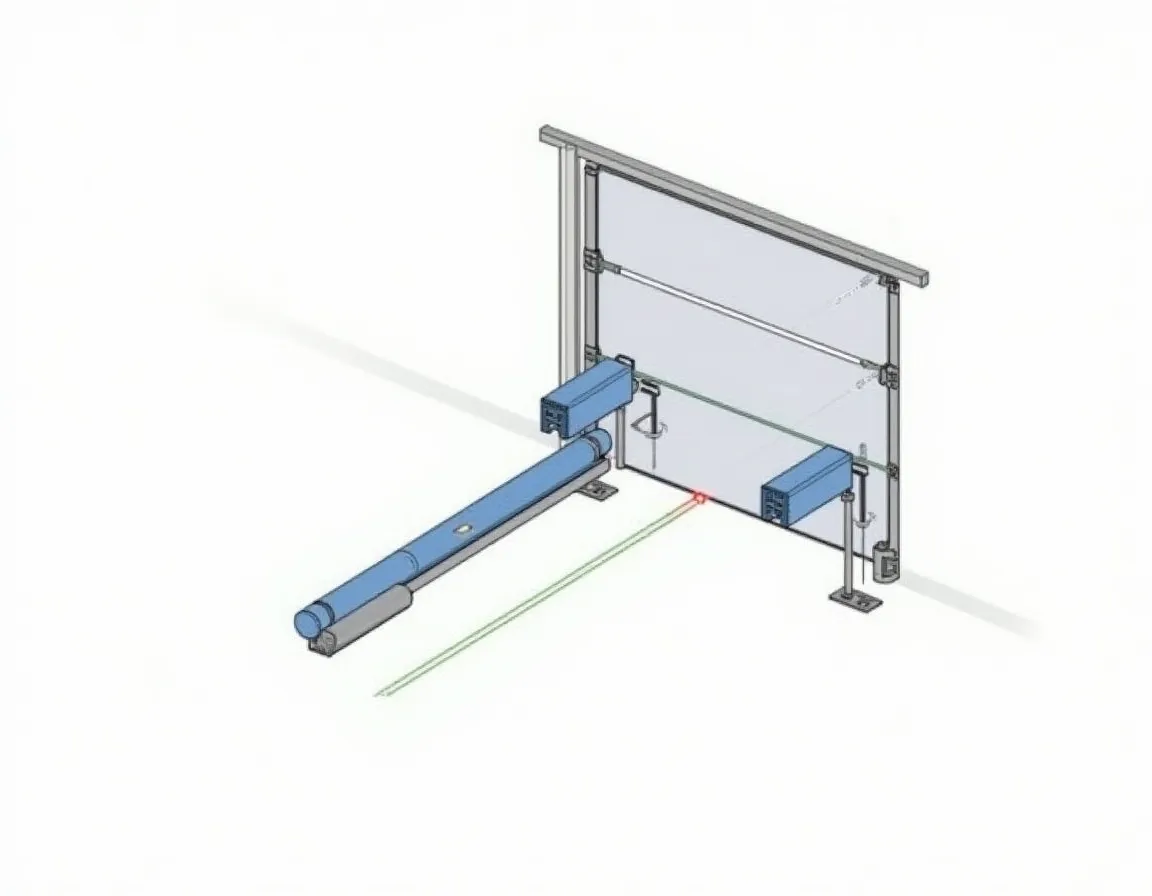
Proper wiring and connection to the opener system is critical for safety. Annual professional inspection maintains alignment and optimal performance, particularly important in newer developments like Sherwood’s Woodhaven neighborhood where settling foundations can affect sensor alignment.
Learn more about the complete installation process in our garage door installation guide.
Troubleshooting Common Garage Door Sensor Problems
Many sensor issues can be resolved with simple maintenance steps. Start by cleaning the lens covers with a soft, dry cloth to remove dust and debris—this solves many problems in dusty agricultural areas around Banks and North Plains.
Check that sensor wires aren’t damaged or disconnected. Rodents sometimes chew through wiring in detached garages, and impact from lawnmowers or bikes can loosen connections.
Verify sensors are properly aligned by looking for indicator light confirmation—most sensors have small LED lights that glow steadily when properly aligned. For wireless sensor systems, replace batteries if lights don’t activate.
If sensors remain unresponsive after cleaning and alignment checks, call a professional. According to National Fire Protection Association guidelines, any safety system malfunction should be addressed immediately.
When to Call a Professional for Sensor Repairs
Persistent sensor issues indicate potential internal component failure that requires expert diagnosis. Misalignment caused by door frame damage—common in older homes throughout Forest Grove’s historic neighborhoods—requires professional correction.
Electrical problems with the opener-sensor connection need expert diagnosis. Safety sensors cannot be ignored—a non-functional system poses serious safety risks to your family and pets.
Professional technicians in Tualatin Valley can resolve sensor problems quickly and safely, often during the same visit. For residents in the Tualatin Valley area, our local service team provides fast response times and understands the specific challenges of garages in this region.
Maintaining Your Garage Door Sensors for Long-Term Safety
Preventive maintenance keeps your safety sensors functioning reliably for years. Follow this simple maintenance schedule:
- Test sensors monthly by closing the door and placing a cardboard box in its path—the door should immediately reverse
- Clean sensor lenses quarterly to prevent dust and insect buildup, especially during dry summer months
- Inspect wiring and mounting brackets annually for signs of wear, corrosion, or damage
- Schedule professional maintenance as part of your annual garage door service—technicians can detect problems you might miss
- Replace sensors every 7-10 years even if functioning, to maintain peak safety performance with current technology
The Tualatin Valley’s cool, wet winters and dry summers create challenging conditions for electronic components. Regular maintenance helps your sensors withstand these seasonal changes.
Our comprehensive annual maintenance guide provides a complete schedule for all garage door components.
Professional Tip: Mark your calendar for the first day of each season as a reminder to inspect your sensors. This simple habit takes less than five minutes and can prevent serious safety issues.
If you’ve been experiencing issues with your garage door safety sensors or haven’t had them inspected recently, don’t wait until a problem occurs. At Garage Harmony, we serve homeowners throughout Hillsboro, Cornelius, Forest Grove, and the entire Tualatin Valley with expert sensor installation, repair, and maintenance. Contact us today for a professional sensor inspection and enjoy the peace of mind that comes with a fully functional safety system protecting your family.






Leave A Comment