

Why Late Summer Timing Matters for Commercial Door Inspection
Pacific Northwest fall weather arrives like clockwork, and commercial door systems feel it first. From September through November, heavy rain, persistent wind, and sudden temperature swings test every seal, hinge, and operator on your property. A commercial door inspection in late summer is essential to catch problems before these weather challenges arrive. Water intrusion accelerates rust, wind stress reveals weakened hardware, and temperature fluctuations cause automatic openers to malfunction just when you need them most.
August offers a critical window before these challenges arrive. Service availability peaks during late summer, giving property managers access to qualified contractors without the multi-week delays common during fall emergency season. When your tenant calls about a stuck entrance door in October rain, you’re competing with dozens of other properties for the same repair slots.
Budget pressures shift once seasonal demand kicks in. Labor rates climb as contractors prioritize emergency calls over routine inspections, and parts inventories tighten when every property needs the same weather seals and door sweeps. Scheduling preventive work in August means predictable costs and planned downtime rather than premium emergency pricing during your busiest retail or office seasons.
Predictable summer weather eliminates another variable. Technicians can conduct thorough inspections without rushing between rain showers, and repairs cure properly without moisture interference. By the time September storms arrive, your door systems are already fortified against the conditions that cause most commercial property failures.
Critical Inspection Points for Commercial Doors
Where should you focus your attention during a fall commercial door maintenance inspection? Start with the areas most vulnerable to Pacific Northwest fall conditions. A systematic approach helps you identify problems while they’re still manageable—before the first heavy rainstorm creates an emergency.
Weatherstripping: Your First Line of Defense
Weatherstripping takes the brunt of moisture exposure during fall. Look for cracks, tears, or sections pulling away from the door frame. Run your hand along the entire perimeter while the door is closed—you shouldn’t feel any air movement. Damaged seals let water infiltrate the building envelope, leading to interior damage and higher heating costs once temperatures drop.
Movement Mechanics: Hinges, Rollers, and Tracks
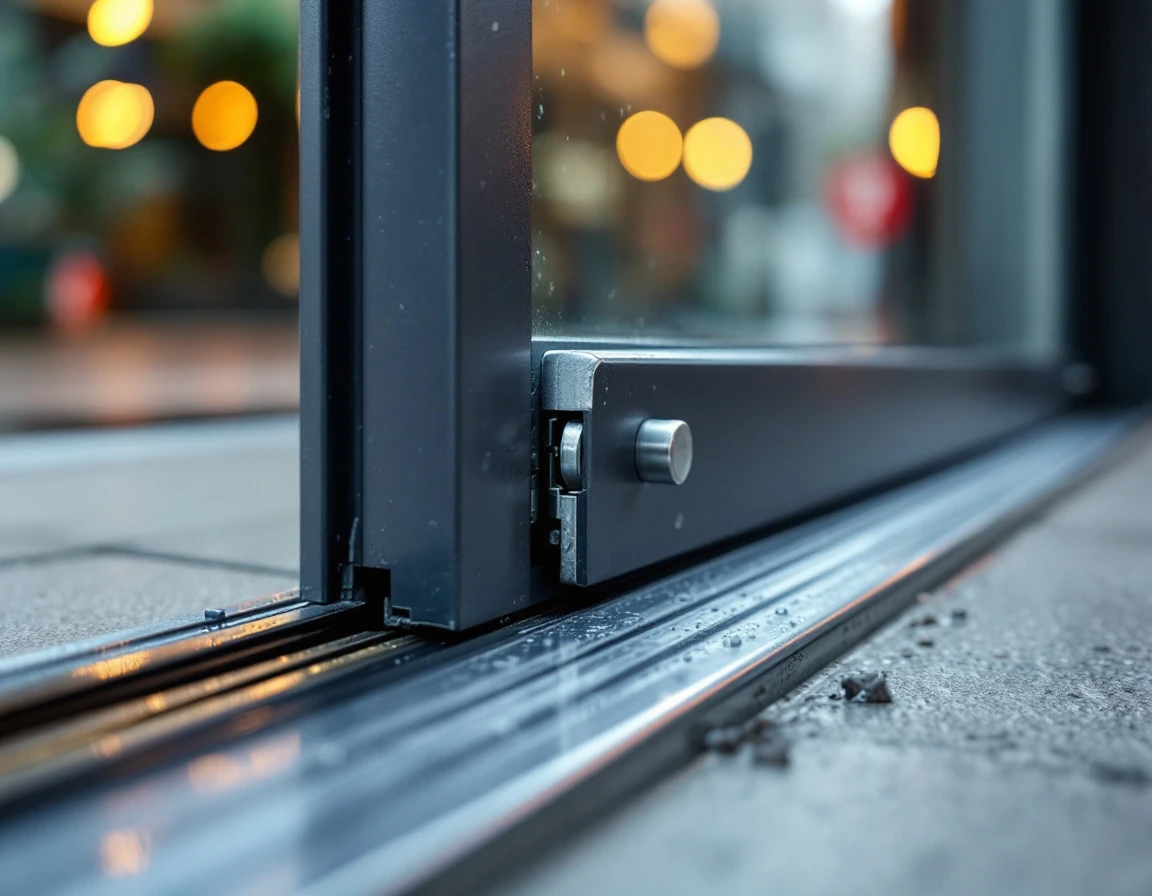
Open and close each door through its full range of motion. Does it bind at any point? Do you hear grinding or scraping sounds? Check roller wheels for flat spots or debris buildup, and examine tracks for alignment issues. Strong fall winds place extra stress on door movement systems, so components that struggle in calm August weather will fail when storms arrive.
Safety Systems and Operator Function
Test automatic opener functions completely. Verify that safety sensors detect obstructions properly—their beams should be clean and aligned. Wipe sensor lenses with a soft cloth and check mounting brackets for movement. Operator motors should engage smoothly without hesitating or making unusual noises. Safety system failures aren’t just inconvenient—they create liability risks and code compliance issues.
Structural Integrity Check
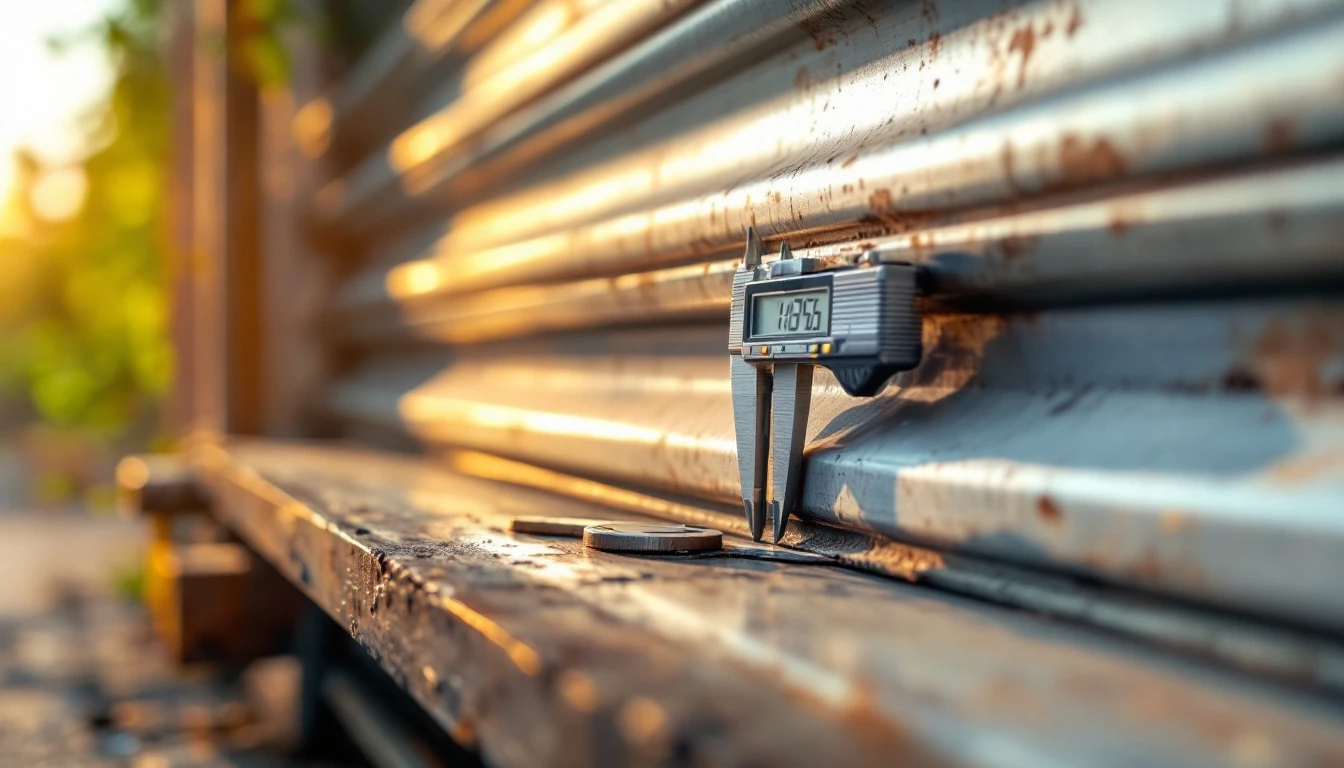
Inspect metal components carefully for rust spots or corrosion, particularly around fasteners and connection points. Summer UV exposure can degrade protective coatings on door panels and frames. Small cracks or finish damage that seem harmless in dry weather become water entry points during fall moisture cycles, accelerating deterioration and compromising structural integrity.
Can you handle these inspections yourself? Most visual checks and basic function tests are within reach for maintenance staff. If you discover binding doors, sensor misalignment, or any corrosion, contact professional service before minor issues escalate into costly failures.
DIY vs Professional Service Triage
Knowing when to handle maintenance in-house and when to call in professional help protects both your staff and your investment. The distinction isn’t about skill level—it’s about safety and specialized equipment.
Your facilities team can confidently tackle several maintenance tasks during routine inspections. The following are safe, effective ways to extend door life:
- Cleaning debris from tracks
- Lubricating hinges and rollers with garage door-specific lubricant
- Replacing worn weatherstripping
These tasks require no special tools and carry minimal risk when performed with standard safety precautions.
But some issues present serious injury risk and should never be attempted without professional training and equipment.
Spring and cable problems are the hard stop. Torsion springs store immense tension that can cause severe injury if mishandled. Even if a spring appears intact but shows wear or corrosion, call a licensed technician.
Similarly, electrical issues, motor malfunctions, and sensor misalignment require specialized diagnostic tools and expertise. A misaligned safety sensor might seem like a simple adjustment, but improper calibration creates liability exposure if the door fails to reverse on obstruction. When the inspection checklist reveals any of these issues, professional service isn’t upselling—it’s necessary protection for your property and your team.
Summer Damage Recovery Checklist
Before fall storms arrive, assess what three months of heat and UV exposure have done to your commercial doors. Summer’s intense sun can crack weatherstripping seals and cause them to harden or separate from mounting surfaces. Walk the full perimeter of each door, looking for visible cracks in panels—especially on south- and west-facing installations where UV exposure hits hardest.
Dust and pollen accumulate heavily on sensors and photo-eye lenses throughout summer, blocking the optical path and reducing operator efficiency. Clean these components thoroughly with a soft cloth, checking that indicator lights respond properly after cleaning. While you’re inspecting, examine lubricant condition on rollers, hinges, and tracks. Has the grease dried out or turned gummy? Reapply if needed, but avoid over-lubricating.
Spring tension changes under thermal stress, particularly in commercial doors that cycle frequently during hot months. Visually check for gaps between coils or signs of corrosion, but
never attempt spring adjustment yourself—this is strictly professional territory.
Test door balance by disconnecting the opener and gently lifting the door halfway. It should stay in place without drifting up or down.
Portland Metro Service Planning for Commercial Door Inspection
Once you’ve completed your August inspection, the next step is translating those findings into actionable work orders. Start by scheduling consultations with local contractors in early August, before the rush begins. Request written estimates for all repairs identified during your inspection, and ask for detailed reports that document baseline conditions—this paperwork becomes useful for budget tracking and tenant communications.
How should you prioritize competing maintenance needs? Focus first on critical weatherstripping gaps and sensor alignment issues that directly impact weather protection and safety. Cosmetic repairs like paint touch-ups or minor dents can wait until after the rainy season. Building these cost estimates into your Q3 and Q4 maintenance budgets now protects you from emergency pricing later.
Why does timing matter so much for Portland metro properties? September rain and October storms consistently trigger backlogs at repair companies, with wait times stretching from days to weeks. A pre-fall commercial door safety check completed in August costs less than emergency repairs in October—both in service fees and in the operational disruption of broken doors during peak fall activity.
Don’t forget to communicate inspection findings to tenants or departments using doors frequently. Setting expectations about scheduled maintenance windows helps minimize complaints and demonstrates your proactive approach to building management. Schedule work completion for late August or early September, before weather patterns shift.
Ready for Fall Operations
Completing your commercial door inspection before fall weather arrives positions your property for reliable fall operations without surprise failures or emergency costs. When September brings heavy rain and wind, properly maintained doors protect your inventory from water damage, keep personnel safe during daily operations, and maintain customer access during peak business hours.
The cost-benefit equation is clear: preventive work now avoids the expense of emergency service calls during fall storms.
Emergency repairs typically come with premium pricing, rushed timelines, and business disruptions that affect your bottom line. Your August investment in maintenance extends equipment lifespan and reduces operational stress heading into your busiest season.
Seasonal maintenance records also support compliance requirements, strengthen warranty claims, and provide documentation for insurance purposes. These records demonstrate proactive property management and create a paper trail that protects your interests if equipment issues arise.
Schedule a follow-up inspection in late October or early November after the first fall storms hit. This timing catches any new issues before winter weather compounds problems. Ready to protect your property and budget? Contact us today to schedule a door inspection and get your commercial facility ready for fall!

Leave A Comment