

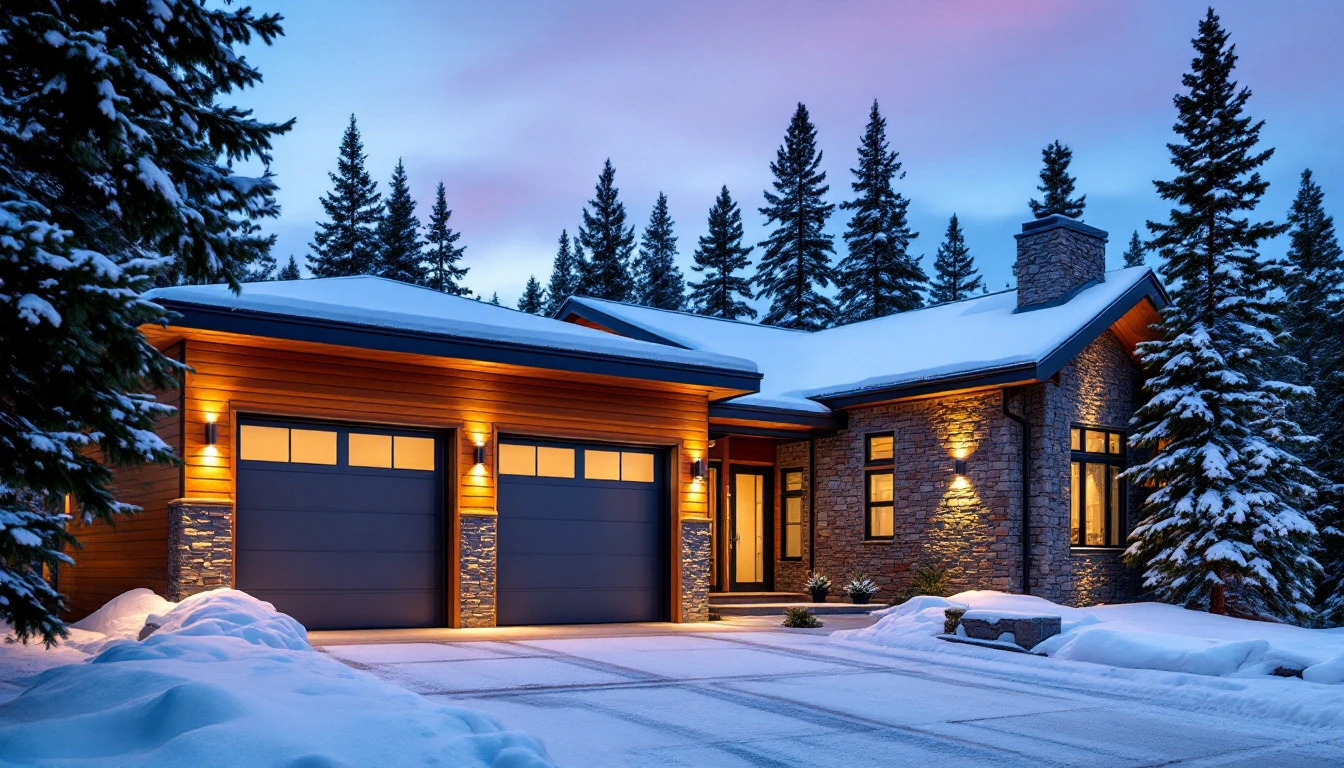
Why Seasonal Homes Face Garage Door Challenges
If you own a seasonal home in Bend or Sunriver, your garage door faces a unique set of challenges that most year-round homeowners never encounter. Central Oregon’s climate delivers extreme temperature swings—soaring into the 80s during summer months, then plunging below zero in the depths of winter. Seasonal home garage door maintenance in Bend Oregon requires understanding how these dramatic shifts place enormous stress on garage door materials. Causing metal components to expand and contract repeatedly while lubricants thicken or break down completely.
Extended dormancy during the off-season creates its own problems. When your garage door sits unused for months at a time, metal components become brittle in the cold, and tension springs gradually lose their calibrated strength. The dry climate that makes central Oregon so appealing works against you here, accelerating rust formation on exposed hardware and causing rubber seals to crack and deteriorate.
Snow load adds another layer of concern, particularly for homes in Sunriver where accumulation can be heavy. The weight presses against weatherstripping and door panels, while moisture from melting snow finds its way into small gaps, freezing and thawing in cycles that corrode hinges and tracks.
Too many seasonal homeowners return in spring to discover bent tracks, broken springs, or water-damaged opener systems—damage that often requires costly repairs. The frustrating part? Most of these failures could have been prevented with proper winterization preparation during the summer months.
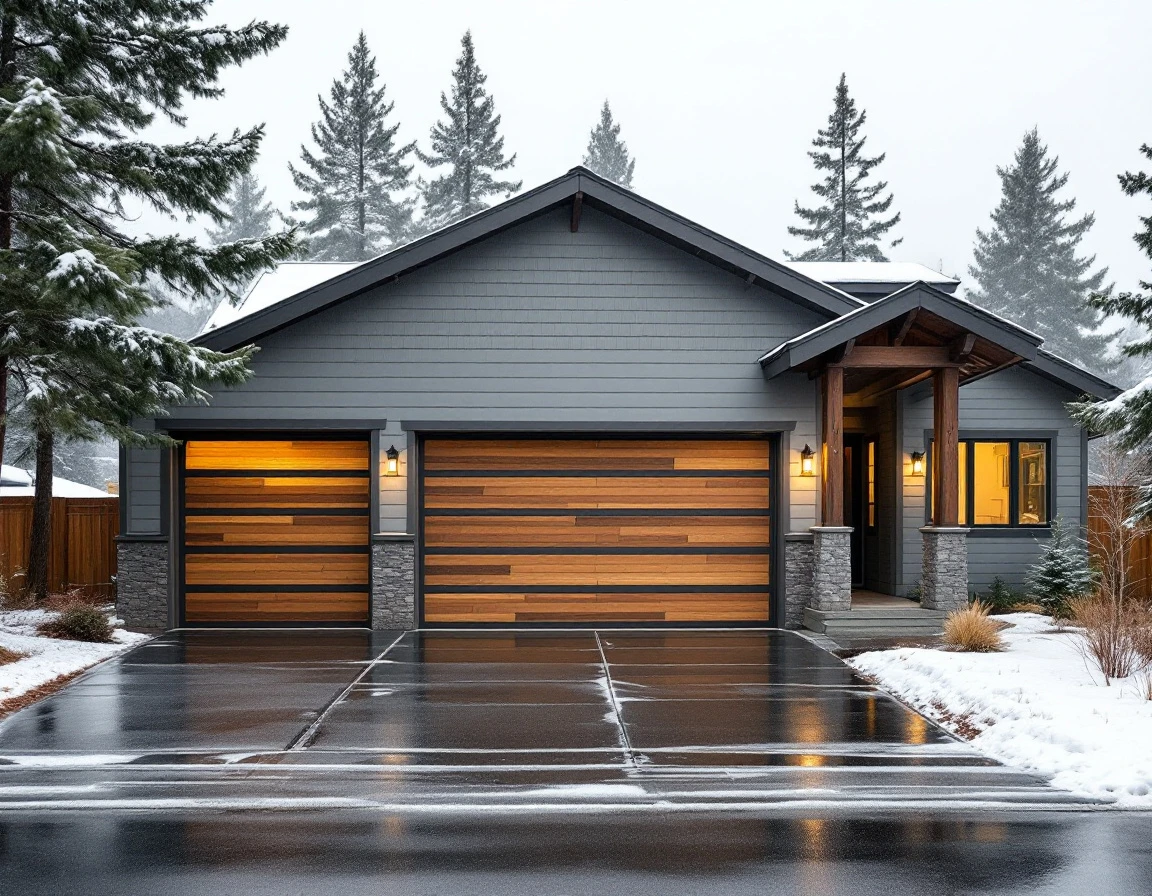
Five Critical Winterization Steps for Seasonal Home Garage Door Care
Before you close up your Bend or Sunriver property this fall, five essential garage door tasks demand your attention. The foundation of a complete winterization strategy for vacation home garage door care designed specifically for central Oregon’s climate challenges includes:
- Lubrication
- Weatherstripping inspection
- Balance testing
- Spring tension checks
- Track alignment
Each of these steps targets a specific failure point that develops when extreme temperature swings meet months of disuse. Lubricating moving parts prevents them from seizing during cold snaps. Inspecting weatherstripping guards against moisture intrusion during winter storms. Balance testing catches issues before they worsen under snow load stress. Spring tension checks identify worn components before they snap. Track alignment keeps your door operating smoothly when you return.
Why does July matter? Completing these tasks in early summer gives you months to address any problems discovered during your inspection. Waiting until October leaves you scrambling for emergency repairs when contractors are booked solid with pre-winter rush appointments.
Lubrication and Seal Protection
Central Oregon’s low humidity creates a unique challenge for garage door maintenance. While coastal homeowners can use standard oils, the dry air in Bend and Sunriver causes traditional lubricants to evaporate quickly. What works in June often disappears by November, leaving metal components unprotected during the coldest months when your property sits empty.
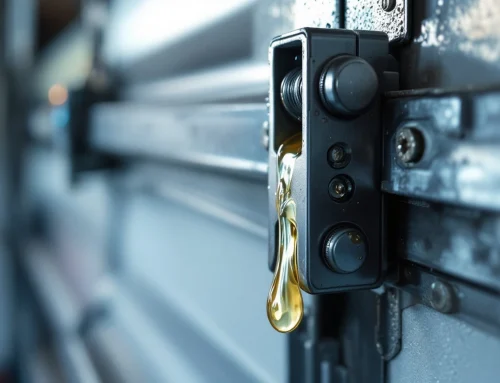
Silicone-based lubricants are the solution for protecting garage doors in seasonal homes in this climate. Unlike petroleum-based oils that dry out in arid conditions, silicone formulations resist evaporation and maintain their protective coating through winter. Apply silicone spray to springs, rollers, hinges, and tracks in July before you close up for the season. This single application protects components through the entire dormancy period, preventing rust and binding that lead to spring breakage when you return.
Why pair lubrication with weatherstripping inspection? Cracked or deteriorated seals allow dry air to penetrate your garage, accelerating moisture loss from metal surfaces and promoting rust formation. Check all door seals for brittleness or gaps while you’re lubricating components. Replace damaged weatherstripping now, and you’ll protect both your door mechanism and your stored belongings from central Oregon’s harsh winter conditions.
Spring Tension and Balance Testing
Central Oregon’s temperature swings—from summer highs around 80°F to winter lows well below zero—place enormous stress on garage door springs. As metal contracts in freezing conditions, springs gradually lose tension over the dormant season. That’s why establishing a baseline through balance testing in July, before you close up your property for fall. Is so important for preventing catastrophic failures during the off-season.
How can you tell if your springs are at risk? Try this simple manual test: disconnect the opener and lift your garage door halfway. Does it stay in place, or does it drop or shoot upward? A properly balanced door should hold its position with minimal effort. If your door hangs unevenly, requires excessive force to lift, or won’t stay put, your springs are already losing tension and are prime candidates for failure during winter months.
While this manual balance test provides a quick assessment, professional testing offers safer and more accurate results. Neglected springs don’t gradually weaken—they fail suddenly, often damaging panels, tracks, and vehicles in the process. These emergency repairs can quickly become expensive enough to offset the cost of preventive testing.
Track Alignment and Hardware Inspection
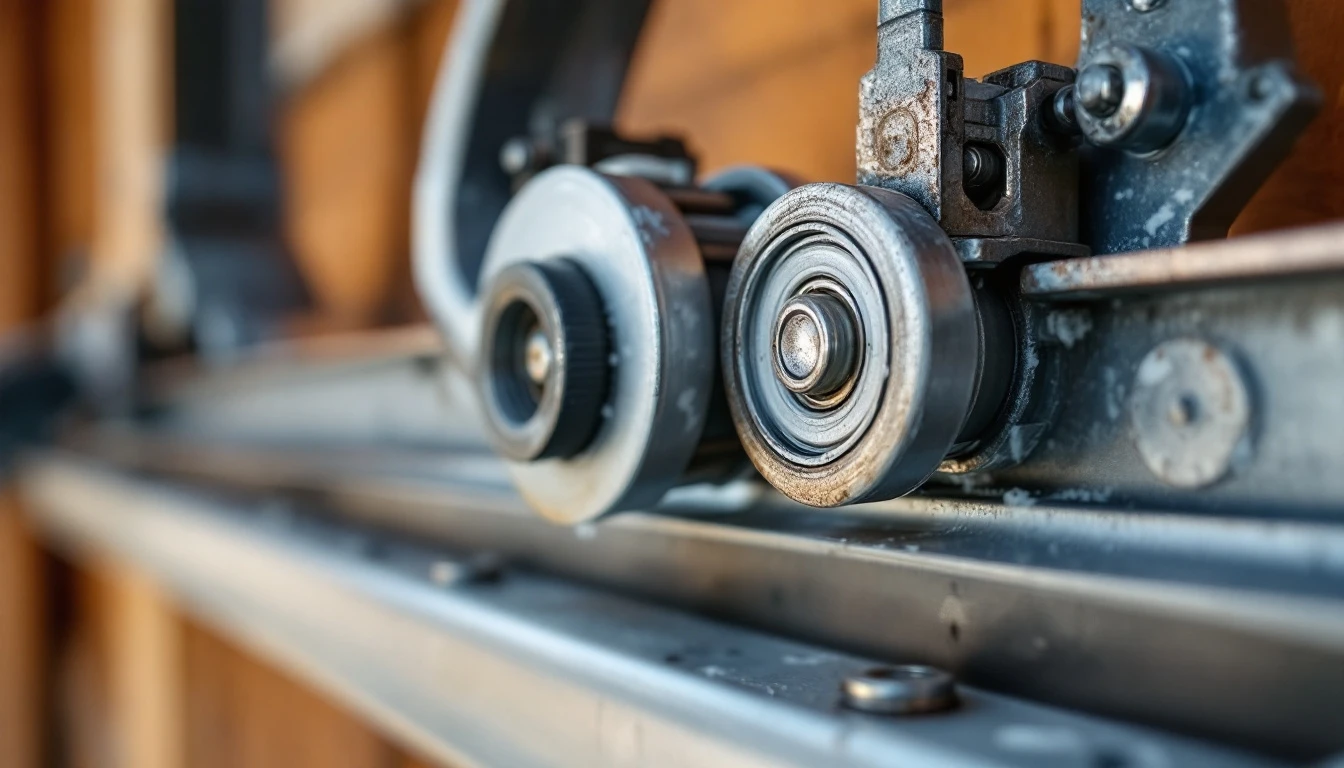
After you’ve tested your garage door’s balance, turn your attention to the tracks and hardware that guide its movement. Misaligned tracks create gaps where moisture accumulates, and in central Oregon, snowmelt runoff and spring thaw cycles deliver exactly the kind of persistent dampness that accelerates rust on exposed fasteners and hinges. When tracks trap water instead of shedding it, corrosion sets in quickly.
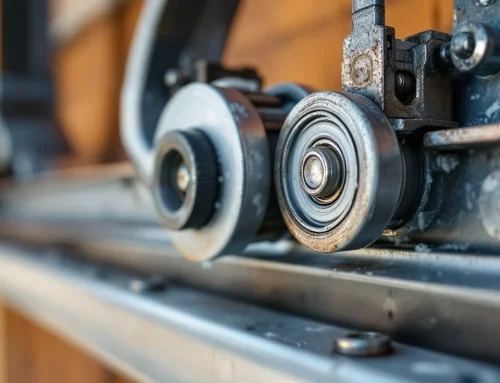
Start your inspection by examining all bolts, brackets, and hinges for visible rust or looseness. Central Oregon’s temperature swings—from summer highs above 90°F to winter lows below zero—cause metal components to expand and contract repeatedly, which loosens fasteners over time. A bracket that feels secure in July may work itself loose by December. Tighten any loose hardware and replace rusted bolts before they fail completely.
Next, clean debris from the tracks and check for dents or warping that could impede operation when temperatures drop. Even minor track damage prevents smooth movement in cold weather, when metal contracts and tolerances tighten. Most homeowners can handle basic cleaning and bolt-tightening, but bent tracks require professional realignment to prevent motor strain and unsafe operation.
These minor adjustments now prevent major damage and expensive emergency calls when you need the door to function reliably in winter. Contact us today if you notice track warping or hardware issues beyond basic maintenance.
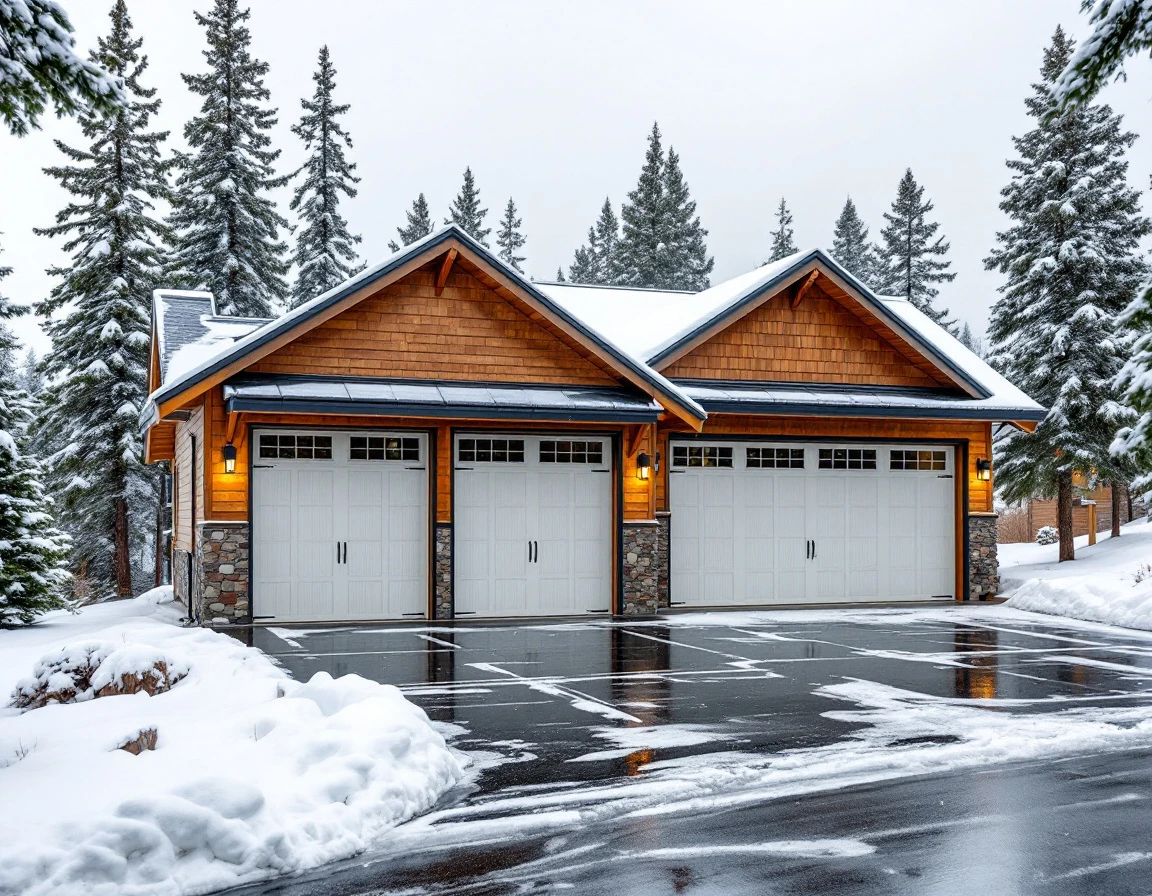
DIY Versus Professional Winterization
Which winterization tasks can you handle yourself, and which require a professional? Lubrication and visual inspection fall within most homeowners’ skill sets—you can apply silicone-based lubricant to accessible components and check for obvious hardware problems. Spring tension testing and track alignment, however, demand specialized equipment and expertise that only trained technicians possess.
Why pay a professional when you’ve already tackled some tasks yourself? Because garage door springs store enough tension to cause serious injury when handled incorrectly. A technician brings calibrated tools to measure spring tension accurately and safety equipment to prevent accidents during adjustments. They also document baseline measurements that you’ll need when reopening your property in spring—records that help identify whether winter caused any deterioration.
The cost-benefit calculation is simple. A professional pre-closure inspection runs between $150 and $250 in most markets. That service prevents emergency repair bills exceeding $1,000 when springs snap or doors jam during winter months. Scheduling your inspection in July offers another advantage: summer service calls cost less than emergency winter visits when technicians charge premium rates for urgent work.
Seasonal homeowners should budget for professional winterization before fall closure. The documentation alone justifies the expense—technicians provide written records of spring tension, balance measurements, and component condition that establish a baseline for spring reopening. You’ll know immediately whether winter caused damage rather than guessing what’s normal and what’s not.
Your Pre-Closure Winterization Checklist
Ready to close up your Bend or Sunriver property with confidence? This printable checklist keeps you organized and documents every winterization task you’ve completed—proof that matters if you ever need to file an insurance claim or troubleshoot winter issues.
Task 1: Silicone Lubrication
Timing: Mid-July
DIY or Professional: DIY
Completed: ☐ Date: _______
Task 2: Weatherstripping Inspection & Replacement
Timing: Mid-July
DIY or Professional: DIY
Completed: ☐ Date: _______
Task 3: Balance Testing
Timing: July
DIY or Professional: Professional Recommended
Completed: ☐ Date: _______
Professional Contact: _________________ Phone: _________________
Task 4: Spring Tension Check
Timing: July
DIY or Professional: Professional Required
Completed: ☐ Date: _______
Professional Contact: _________________ Phone: _________________
Task 5: Track & Hardware Inspection
Timing: July
DIY or Professional: DIY (visual); Professional (adjustments)
Completed: ☐ Date: _______
Professional Contact (if needed): _________________ Phone: _________________
Print this checklist, tape it to your garage wall, and check off each task before you lock the door in fall. Those completed checkboxes represent hundreds—or thousands—of dollars in prevented emergency repairs.



Leave A Comment