Central Oregon’s High-Desert UV Threat and Sun Damage to Garage Doors
Central Oregon’s high-desert environment creates a perfect storm for sun damage to garage doors. Central Oregon sits high in the mountains—over 3,600 feet up. That means there’s less atmosphere between the sun and your garage door. UV rays hit harder and faster here, fading paint and damaging protective coatings more quickly than in lower areas.
The combination of altitude and Central Oregon’s famously clear, dry air amplifies the problem. Without much moisture in the air to block sunlight, your garage door gets hit with intense UV rays all summer long. When temperatures climb above 90°F—a regular occurrence from June through August—metal garage doors absorb and radiate heat that compounds the stress on protective finishes.
This thermal cycling creates a dual attack: UV radiation chemically degrades the coating while heat causes expansion and contraction that leads to cracking and peeling. The damage happens faster here than in coastal or lower-elevation regions where humidity and cloud cover provide natural protection.
At Garage Harmony, we’ve seen how Central Oregon’s intense sun damages garage doors year after year. Our experts understand the local climate challenges and can recommend the protection strategy that works best for your specific situation. Whether you need a simple protective coating or a complete door replacement, we’re here to help.
Understanding these specific climate factors is your first step toward prevention. Once you recognize why Central Oregon’s environment is particularly harsh on garage door finishes, you can select protective measures that withstand these exact conditions before summer’s intensity takes its toll.
How UV and Heat Damage Garage Door Finishes
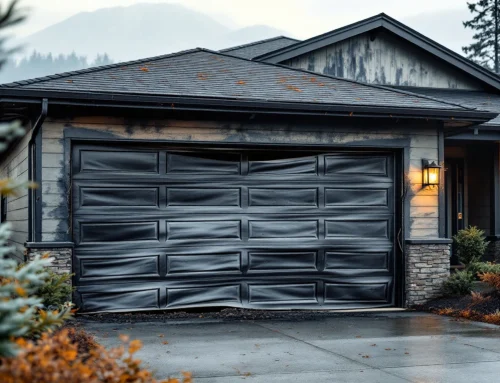
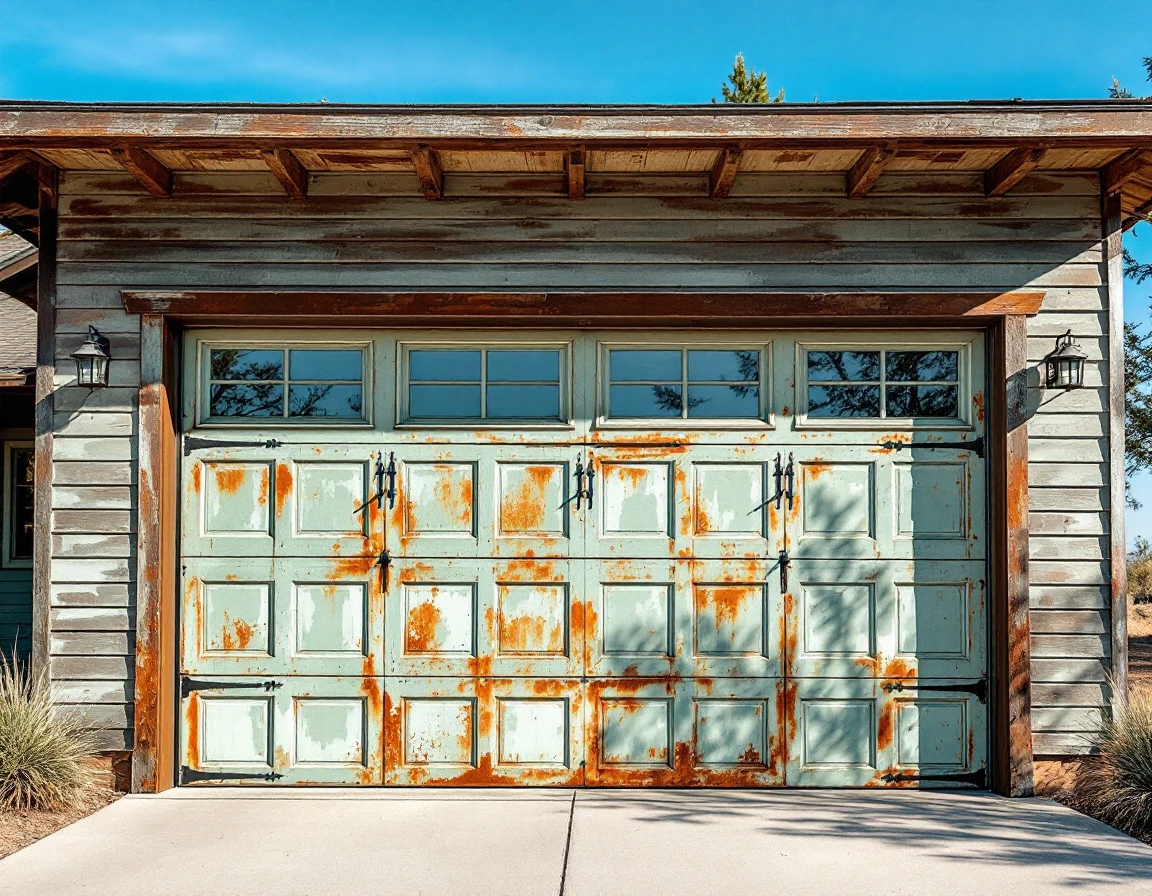
UV rays break down the paint itself, causing the color to fade and the coating to lose its grip on your door’s surface. As the paint deteriorates, color fades and you’ll notice a dusty, powdery residue called chalking when you run your hand across the finish. UV fading isn’t just about looks. Once those rays get through the protective layer, damage spreads fast.
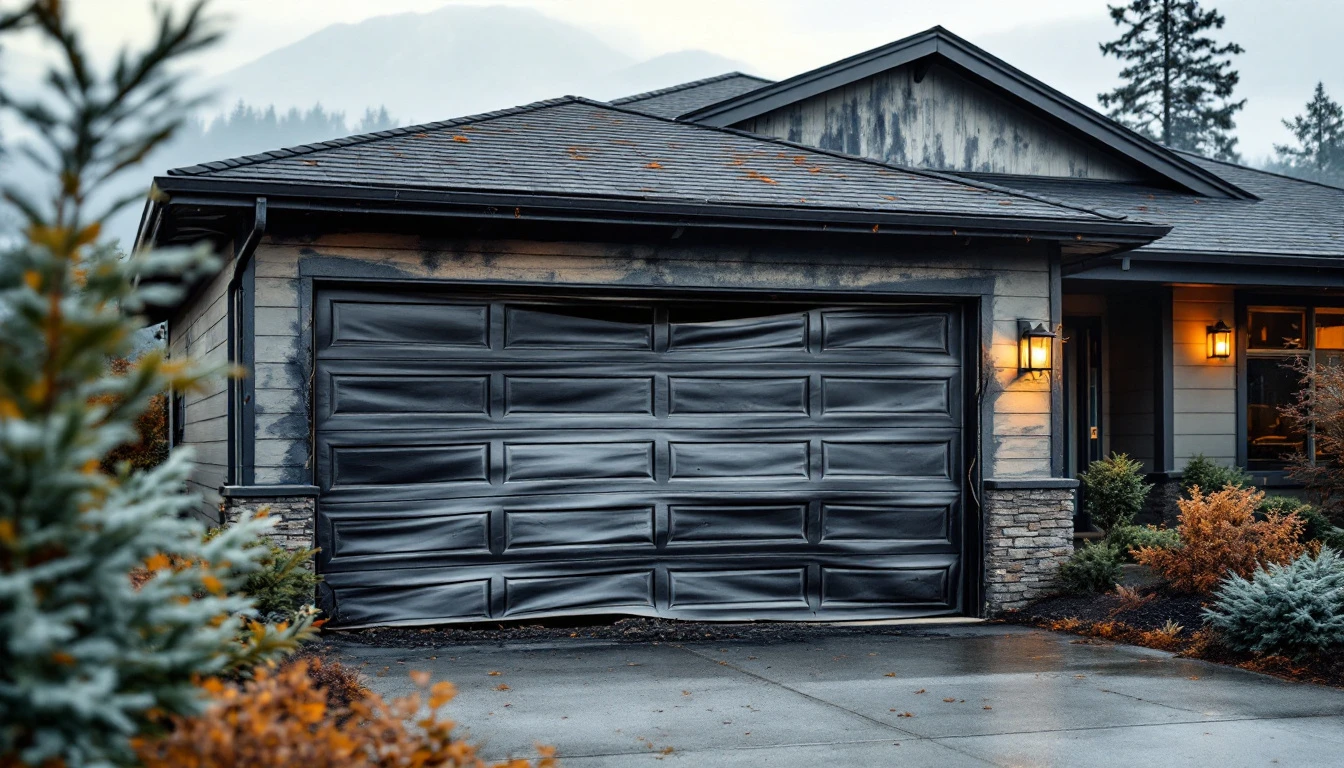
Does Central Oregon’s weather make things worse? Absolutely. Dramatic temperature swings between hot afternoons and cool nights create constant expansion and contraction cycles. Rigid coatings can’t handle the constant movement. They form tiny cracks that let moisture in and speed up UV damage. Metal garage doors present an additional challenge: they absorb and amplify solar heat, transferring intense thermal stress directly to painted or stained surfaces and speeding up the garage door cracking from sun heat process.
The region’s unique moisture patterns make matters worse. Spring snowmelt brings brief humidity spikes, causing materials to expand, followed by bone-dry summer conditions that create extreme contraction stress. This seasonal cycle compounds the daily thermal cycling, creating multiple stress layers that eventually overwhelm even quality finishes.
Here’s what this means for your wallet: protecting your door now costs way less than repainting it every couple years.
Finish Types and Their UV Resistance
Which finish works best for Central Oregon’s brutal sun? That depends on your budget and how long you plan to keep your door. Let’s break down your options.
- Standard factory paint provides the baseline option on most entry-level doors. In Central Oregon’s climate, expect this finish to show noticeable garage door paint fading and chalking within three to five years. While the lowest-cost choice initially, it requires the most frequent repainting to maintain appearance and protection.
- Premium acrylic and polyurethane finishes offer moderate UV resistance and extend lifespan compared to standard paint. These factory-upgraded coatings typically add twenty to forty percent to the door’s purchase price but resist fading better through seven to ten years. They represent a solid middle ground for homeowners planning to keep their door through a typical ownership period.
- Powder-coat finishes deliver superior durability by bonding electrostatically to the door surface before heat-curing. You’ll find this option on high-end residential and commercial doors. The finish resists UV degradation, impact, and corrosion more effectively than liquid coatings, though it commands a premium price. Expect fifteen-plus years of protection in Central Oregon conditions.
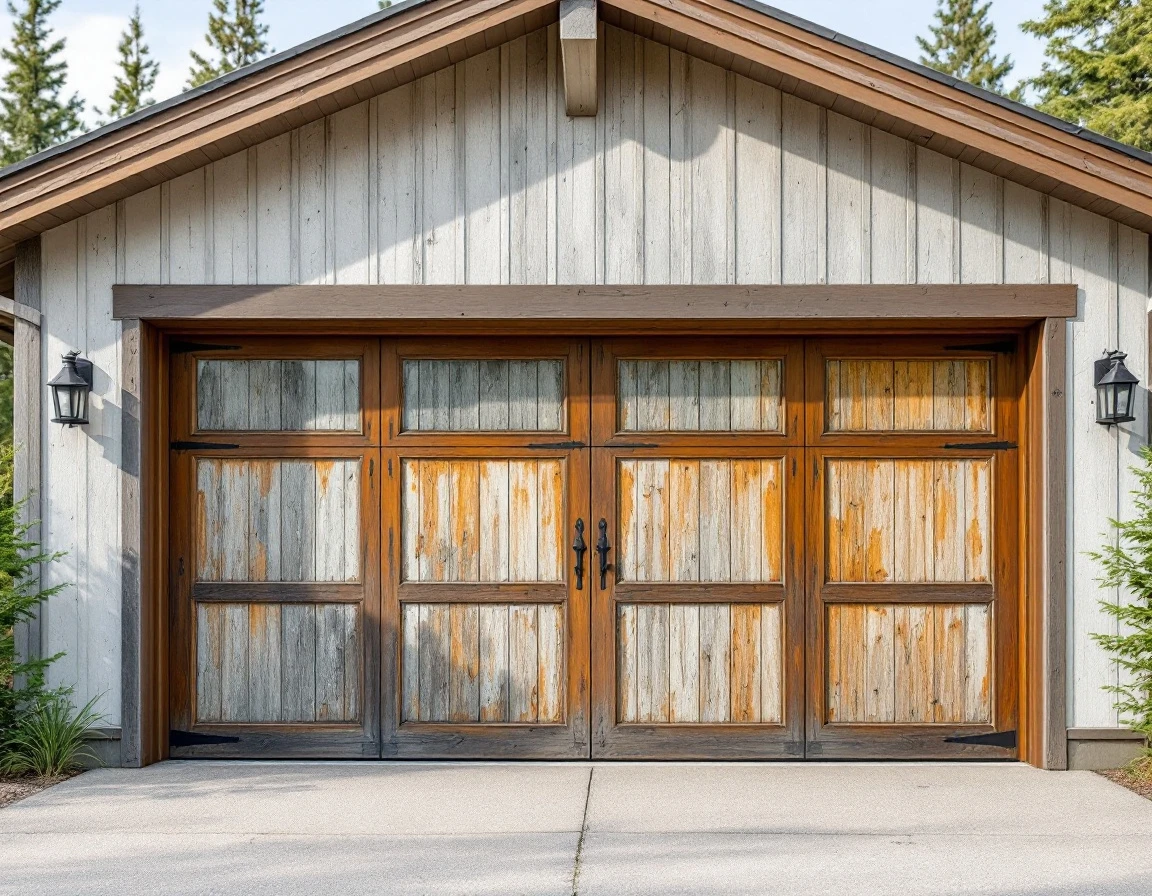
- Stained wood doors require the most active maintenance. Wood itself offers minimal UV resistance without protection. You’ll need to apply UV-blocking sealers every two to three years and monitor for moisture intrusion. Beautiful in appearance but demanding in upkeep, wood doors suit homeowners willing to invest ongoing attention.
Protective Coatings and UV-Blocking Solutions
Ready to protect your door? Several coating options exist. Each with different costs and lifespans. Pick the one that fits your budget and timeline.
- UV-protective clear coats offer an excellent starting point for doors with intact finishes. These transparent coatings form a barrier against ultraviolet radiation, potentially extending your paint life by five to ten years. Professional spray applications provide the most even coverage, while DIY paint-on versions cost less but require careful surface preparation to avoid peeling.
- Ceramic coatings represent the premium tier of garage door protection. These heat-reflective coatings bond at a molecular level with your door’s surface, offering seven to twelve years of protection against both UV damage and thermal stress. The upfront investment is higher than other options, but the extended lifespan and superior heat reflection make ceramic coatings particularly valuable for south and west-facing doors.
- Acrylic urethane topcoats strike a balance between performance and cost. Professional application typically ranges from $300 to $700 depending on door size, and these UV resistant garage door coatings deliver solid UV protection with good adhesion to metal and composite surfaces. They’re especially effective when applied in late spring before Central Oregon’s summer heat peaks.
- DIY paint-on sealers offer budget-conscious homeowners a manageable entry point. These products cost less than professional applications, but they provide shorter protection windows and require annual reapplication. For homeowners planning to replace their doors within three to five years, annual sealing may be more cost-effective than investing in longer-lasting professional coatings.
DIY vs Professional Application: Cost and Timing
Homeowners face a clear choice when protecting their garage doors: invest time or money. DIY sealers cost $50–$150 and suit tight budgets, but they demand thorough surface prep—cleaning, sanding, taping—and need reapplication every one to two years. Factor in four to six hours of labor for your first application.
Professional spray coatings run $600–$1,500 and typically finish in one day. These premium products last five to ten years depending on the coating chemistry you select. Labor usually accounts for 40–60% of the total bill, with materials making up the remainder.
Timing matters as much as method. Apply protection in spring or early June before Central Oregon’s July–August peak sun exposure arrives. Coatings cure properly in moderate temperatures and bond better to cool surfaces.
Here’s a simple decision matrix: tight budget plus basic skills? Choose DIY and plan annual touch-ups. Higher budget with minimal free time? If you’d rather skip the weekend projects, Garage Harmony’s team can handle professional application and get your door protected in a single day. Call us today to schedule your coating appointment.
Preventive Maintenance Beyond Protective Coatings
Even premium coatings perform better when paired with simple maintenance habits. Monthly cleaning removes the layer of Central Oregon dust and pollen that absorbs extra heat and accelerates UV breakdown. A quick rinse with mild soap and water takes fifteen minutes but extends coating life between applications.
Parking a vehicle directly in front of your garage door on high-heat days creates a physical barrier that blocks direct sun exposure. This simple trick reduces the amount of UV radiation hitting your door and can help preserve finishes during peak summer months.
For long-term protection, consider installing shade structures like pergolas or louvered awnings above your garage door. These additions drop surface temperatures and shield coatings from the most intense midday sun. Combined with annual inspections—schedule yours with Garage Harmony today—these strategies form a layered defense that keeps your garage door looking newer longer.
When to Repair vs Replace: Central Oregon Cost
Should you repair your garage door or replace it? The answer depends on the damage and your budget. Surface fading can be reversed with repainting ($800–$1,500) or protective coating reapplication for less. But if you see deep cracks or peeling paint, repainting won’t fix the real problem underneath. You’re only buying yourself another 2–3 years before damage returns.
Here’s where the math gets interesting. If you’re repainting or recoating your door more than twice in ten years, replacement starts looking cheaper. Full door replacement ($2,500–$5,000 or more) becomes cost-effective at that point. But there’s a smarter move: invest in protective coating now, before damage shows up. That single step costs 60–70% less than two full repaints over a decade. Not sure if your door should be replaced or repaired? Reach out to Garage Harmony today—our experts can evaluate your door and recommend the most cost-effective solution.
Consider this concrete example: If you invest in professional protective coating this June, you avoid costly repainting down the road and keep your door looking fresh for years to come. That single preventive step pays for itself multiple times over through the lifespan of your door while keeping it in better condition. In Central Oregon’s punishing summer sun, waiting until damage appears means you’ve already missed the window for the most economical protection strategy.
The financial case is clear: protect your door before summer heat peaks. Contact Garage Harmony today to schedule a professional coating assessment and get your door protected before summer damage starts.