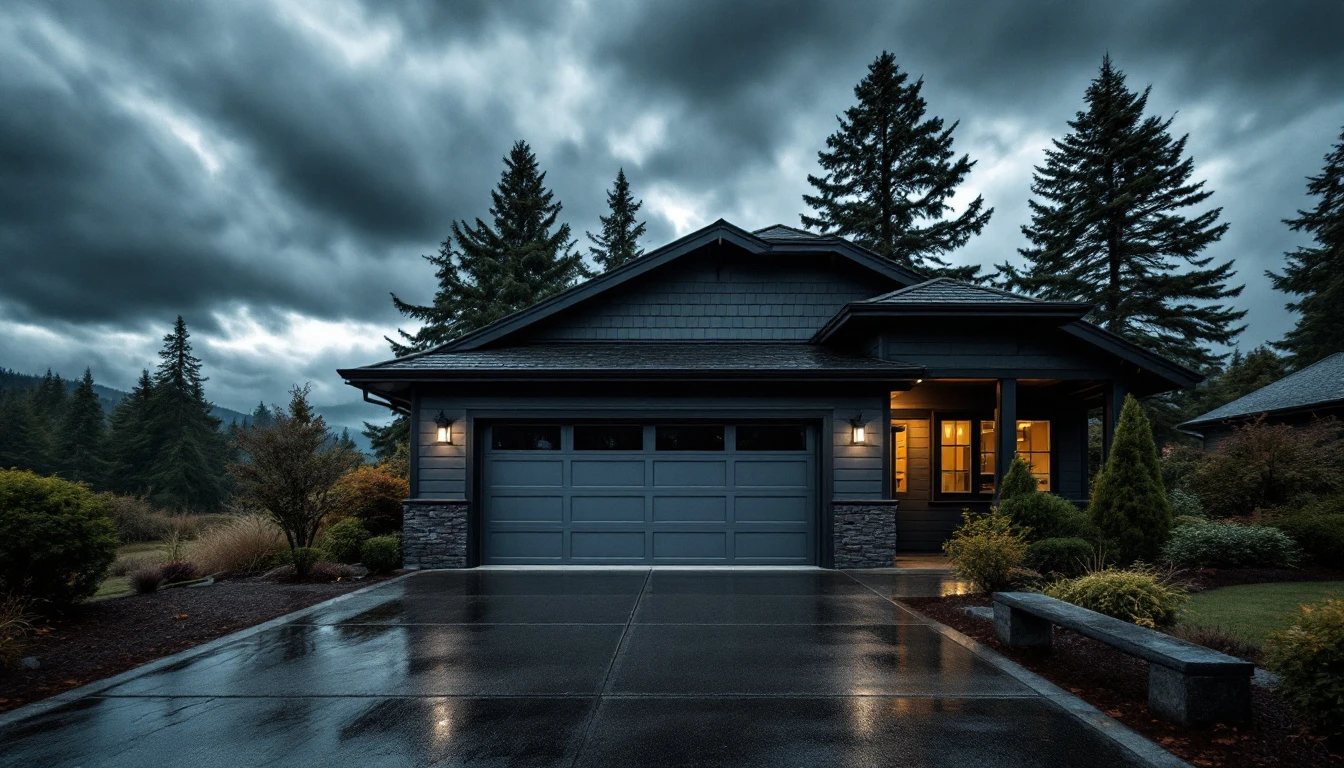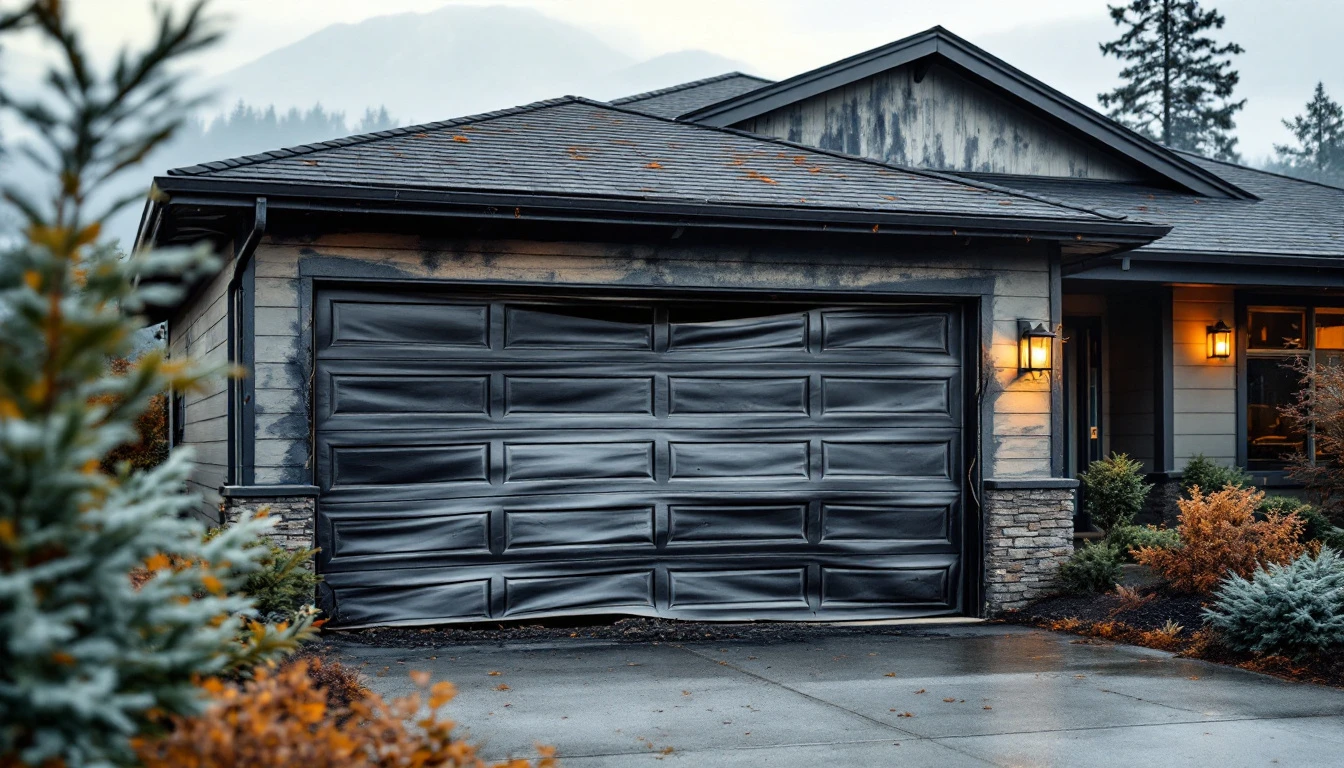
If you’re a Portland homeowner, you know that winter weather can be unpredictable—and often harsh on garage doors. Freezing temperatures, moisture, and ice buildup can damage components and leave you stuck outside on a cold morning. That’s why learning how to winterize garage door Portland systems before the first freeze hits is essential to protecting your investment and maintaining reliable access to your garage.
Taking proactive steps now can prevent costly emergency repairs during the holiday season and keep your garage door operating smoothly all winter long. Let’s walk through the specific maintenance tasks Portland-area homeowners should complete before temperatures drop.
Why Winter Preparation Matters for Portland Garage Doors
Portland’s freeze-thaw cycles create unique challenges for garage door systems. While we don’t experience extreme cold like other regions, our combination of freezing temperatures and persistent moisture can be particularly damaging. When temperatures hover around 32°F—as they often do in the Portland metro area—ice forms, melts, and refreezes repeatedly, causing expansion and contraction that stresses metal components.
Proper winterization prevents several common cold-weather problems:
- Frozen garage door tracks that cause the door to bind or stick
- Brittle rubber seals that crack and allow cold air infiltration
- Thickened lubricants that strain the opener motor
- Ice buildup along the bottom seal that prevents proper closing
Beyond avoiding frustration on cold mornings, winter maintenance protects your home’s security and energy efficiency. A garage door that won’t close properly compromises your home’s thermal envelope and creates an entry point for moisture and pests. Early preparation also extends your door’s lifespan by reducing wear on springs, cables, and other components that work harder in cold conditions.
For comprehensive guidance on protecting your garage door through Oregon’s winter months, check out our detailed garage door winter care guide.

Lubricating Moving Parts for Cold Weather Performance
Proper lubrication is one of the most important steps when winterizing garage doors in cold weather. Standard lubricants thicken when temperatures drop, which reduces their effectiveness and forces your garage door opener to work harder. This additional strain can shorten the motor’s lifespan and increase the risk of spring failure during winter operation.
Before Portland’s first freeze arrives, apply winter-grade silicone-based lubricant to these critical components:
- Torsion springs: Apply lubricant along the entire length of the spring coils, working it in by manually opening and closing the door several times
- Hinges: Place a small amount on the pivot points where metal surfaces contact each other
- Rollers: Lubricate the roller stem and bearings (avoid getting lubricant on nylon wheels)
- Track intersections: Apply sparingly where horizontal and vertical tracks meet
- Lock mechanisms: If you have a manual lock, lubricate the keyhole and latch mechanism
Why silicone-based products work better than petroleum-based oils? They maintain their viscosity in Portland’s freeze-thaw cycles and won’t attract as much dust and debris. Avoid WD-40, which is a solvent rather than a lubricant and can actually strip away existing lubrication.
If you notice grinding noises or slow operation even after lubrication, the issue may be worn rollers that need replacement. Our guide to garage door roller problems can help you identify when professional replacement is necessary.
Inspect and Replace Weather Seals Before the Freeze
Weather seals—also called weatherstripping—create a barrier between your garage interior and the outside elements. In Portland’s wet climate, these rubber seals take a beating from constant moisture exposure, and cold temperatures make deteriorated seals even less effective.
Walk around your garage door and check the rubber seal along the bottom edge and the weatherstripping along both sides and the top. Look for these warning signs that indicate replacement is needed:
- Cracks or splits in the rubber material
- Visible gaps between the seal and the door or frame
- Brittleness (the rubber should be flexible, not stiff)
- Permanent compression that won’t spring back to shape
- Light visible through gaps when the door is closed
The bottom seal is particularly vulnerable in Portland winters. When ice forms between the seal and the concrete floor, it can tear the rubber when you open the door. Replacing worn seals before winter prevents this damage and provides immediate benefits: reduced energy costs, better temperature control in your garage, and protection against water infiltration that can damage stored items.
Portland Pro Tip: During ice storms, avoid forcing your garage door open if the bottom seal is frozen to the ground. Instead, pour warm (not boiling) water along the seal to melt the ice first. This simple step can prevent hundreds of dollars in seal and panel damage.
For detailed instructions on maintaining your door’s weather protection throughout the winter, see our comprehensive garage door weatherproofing guide for Portland winters.
Test Your Garage Door Opener and Safety Features
Cold weather puts additional stress on garage door openers. Motors work harder to lift doors with thickened lubricants and contracted metal springs. Now is the time to verify that your opener and its safety systems are functioning correctly before winter weather creates emergency situations.

Conduct a Balance Test
Disconnect your opener by pulling the manual release handle. Manually lift the door halfway and release it. A properly balanced door should stay in place or move only slightly. If it falls rapidly or shoots upward, your springs need adjustment—a job that requires professional service due to the high tension involved.
An imbalanced door forces the opener to compensate, which accelerates wear on the motor. Learn more about identifying and addressing balance issues in our garage door balance problems guide.
Test Auto-Reverse Sensors
Place a solid object (like a brick or piece of wood) in the door’s path and press the close button. The door should reverse immediately upon contact. Also test the photo-eye sensors by waving an object between them while the door is closing—it should reverse instantly.
Cold temperatures can affect sensor alignment and reduce the range of infrared beams. If your sensors fail the test, check for dirt on the lenses and verify they’re properly aligned facing each other. For detailed troubleshooting steps, consult our garage door sensor problems guide.
Check Battery Backup Systems
Portland’s winter storms occasionally cause power outages. Test your opener’s battery backup (if equipped) by unplugging the unit and operating it. Replace the battery if it’s more than two years old or if operation is sluggish. Cold weather reduces battery performance, so a battery that works in summer may fail during a winter power outage.
For remote control batteries, replace them annually as a preventive measure. Keep spares on hand—few things are more frustrating than being locked out during a winter storm because of dead remote batteries.
Clear Debris and Ensure Proper Door Alignment
Portland’s fall season leaves plenty of leaves, dirt, and debris around garage entrances. Before winter weather arrives, thoroughly clean your garage door tracks and threshold area. Debris caught in tracks can prevent the door from moving smoothly, and when combined with ice formation, even small obstructions can cause the door to bind or become stuck.
Use a damp cloth or soft brush to remove dirt from inside the vertical and horizontal tracks. Never use harsh chemicals or solvents that could damage the track coating or rollers. For stubborn grime, warm soapy water works effectively.
Next, check your door’s alignment. Close the door and examine both sides to ensure it sits evenly within the frame without gaps. Stand inside the garage and look at the top of the closed door—it should form a straight line parallel to the floor. Misalignment allows cold air infiltration and creates uneven stress on springs and cables.
| Alignment Issue | Visual Indicator | Winter Impact |
|---|---|---|
| Uneven bottom gap | Daylight visible on one side | Ice forms in gap, preventing full closure |
| Top panel tilt | One side higher than other | Uneven spring tension leads to cable stress |
| Track misalignment | Door drags or catches at certain points | Binding increases as metal contracts in cold |
| Sagging corner | Diagonal measurement differences | Accelerated wear on rollers and hinges |
Proper alignment prevents ice from accumulating in gaps and creating freeze damage. Small alignment issues often worsen during winter because metal components contract in cold temperatures. Addressing these problems now prevents emergency service calls later.
If you notice track misalignment or door binding, our garage door track alignment guide provides detailed troubleshooting steps. However, significant alignment problems require professional adjustment to avoid safety hazards.
Schedule Professional Winter Maintenance in Portland
While DIY maintenance handles many winterization tasks, nothing replaces a comprehensive professional inspection before winter arrives. Experienced technicians can identify developing issues that aren’t visible to untrained eyes—problems that could become expensive emergency repairs during holiday season when service availability is limited and rates are higher.
Professional maintenance for garage door winter weather preparation typically includes:
- Spring tension testing and adjustment for seasonal temperature changes
- Cable inspection for fraying or corrosion that worsens in cold weather
- Roller bearing examination to identify wear before failure
- Opener force adjustment to compensate for increased winter resistance
- Track alignment verification using precision measuring tools
- Complete safety system testing and documentation
Scheduling service before November offers several advantages. Many Portland-area providers, including our team at Garage Harmony, offer seasonal maintenance packages and early-bird pricing before the holiday rush. You’ll also avoid the frustration of discovering problems during the first hard freeze when technician availability is scarce.
Investment Perspective: According to the International Door Association, regular professional maintenance extends garage door system lifespan by 50% and reduces the likelihood of emergency repairs by 70%. For Portland homeowners with doors valued at $1,500-$3,000, annual maintenance costing $100-150 provides significant ROI.
A professional inspection also provides peace of mind. Technicians can certify that your door meets current safety standards and identify potential liability issues before they become problems. This documentation can be valuable for insurance purposes and when selling your home.
For information on establishing a year-round maintenance routine that includes winter preparation, explore our annual garage door maintenance schedule guide.
Protect Your Garage Door Investment This Winter
How to winterize garage door systems in Portland doesn’t require special skills—just attention to detail and proactive timing. By lubricating moving parts, replacing worn weather seals, testing safety features, clearing debris, and scheduling professional maintenance before the freeze, you’ll protect your garage door from Portland’s challenging winter conditions.
These preventive steps save money by avoiding emergency repairs, extend your door’s operational lifespan, and ensure reliable access throughout the coldest months. Most importantly, proper winterization maintains your home’s security and energy efficiency when you need them most.
Don’t wait until ice forms or your door refuses to open on a freezing morning. Take action now to prepare garage door for winter Portland weather, and you’ll enjoy worry-free operation all season long.
Need professional help with garage door winterization or maintenance? Contact us today! Our experienced team serves the entire Portland metro area and can complete a comprehensive winter readiness inspection before the first freeze arrives.