


Wine Estate Garage Doors McMinnville: Specialized Requirements
Standard garage doors that work perfectly for residential homes create immediate problems in wine storage environments. Wine estate garage doors McMinnville properties require demand precision environmental control—wine estates need precision, while typical garages tolerate fluctuation. In Oregon’s Willamette Valley, where McMinnville properties experience humidity swings between wet winters and dry summers, inadequate door systems accelerate cork degradation and label damage that can devalue entire vintages.
Three technical specifications separate wine storage doors from standard residential models:
- Insulation rating matters most—wine doors require minimum R-12 to R-18 values to buffer temperature shifts that stress aging wines
- Humidity-rated weatherstripping and perimeter seals lock in controlled moisture levels, preventing the cork shrinkage that leads to oxidation (see humidity-rated weatherstripping and perimeter seals)
- Commercial-grade locking mechanisms protect inventory worth thousands per pallet from theft or unauthorized access during off-season months
Wine properties also face operational demands that residential garages never encounter. Forklift access during harvest requires wider door openings and reinforced tracks. Frequent daily use during crush season demands heavy-duty springs and operators rated for commercial cycles. Does your current door system accommodate equipment movement while maintaining climate control? If your answer involves propping doors open or running space heaters, you need purpose-built wine storage doors.
McMinnville Installation & Cost Guide for Insulated Garage Doors Wine Estates
Custom insulated garage doors wine estates in McMinnville carry a different price tag than standard residential garage doors. Wine estate owners in McMinnville should expect to invest $3,500 to $7,500 for a complete installation. Depending on material selection, R-value tier, and custom sizing requirements. These specialized garage doors wine storage Oregon locations demand incorporate precision-engineered humidity seals, heavier insulation cores, and commercial-grade weather stripping that maintains consistent interior conditions.
Material Options and Humidity Performance
The insulation core you select directly affects both price and humidity control:
- Polyurethane foam cores deliver superior R-values (typically R-16 to R-18) and resist moisture infiltration better than polystyrene alternatives
- Polystyrene cores (R-8 to R-12) cost less upfront but may require more frequent seal maintenance in Oregon’s wet climate (see Polystyrene cores comparison)
- Steel or aluminum exterior skins with thermal breaks prevent condensation buildup that can damage wine labels and compromise cork integrity
Regional Pricing Variables
Rural property access in Yamhill County adds 15 to 25 percent to base labor costs compared to urban installations. Contractors factor in travel time on county roads, limited mobile service for coordination, and the challenge of delivering materials to properties with long private driveways or unpaved vineyard access roads. Spring installation timing works well for wine estates because it falls between harvest season and summer tourism operations, giving contractors easier site access.
Permit and Assessment Timelines
Most residential garage door replacements in Yamhill County don’t require permits, but wine storage structures may need building department review if you’re converting agricultural outbuildings.
Site assessment and permitting add two to four weeks to your project timeline. Schedule your consultation in late winter so installation completes before growing season operations resume and vineyard traffic increases.
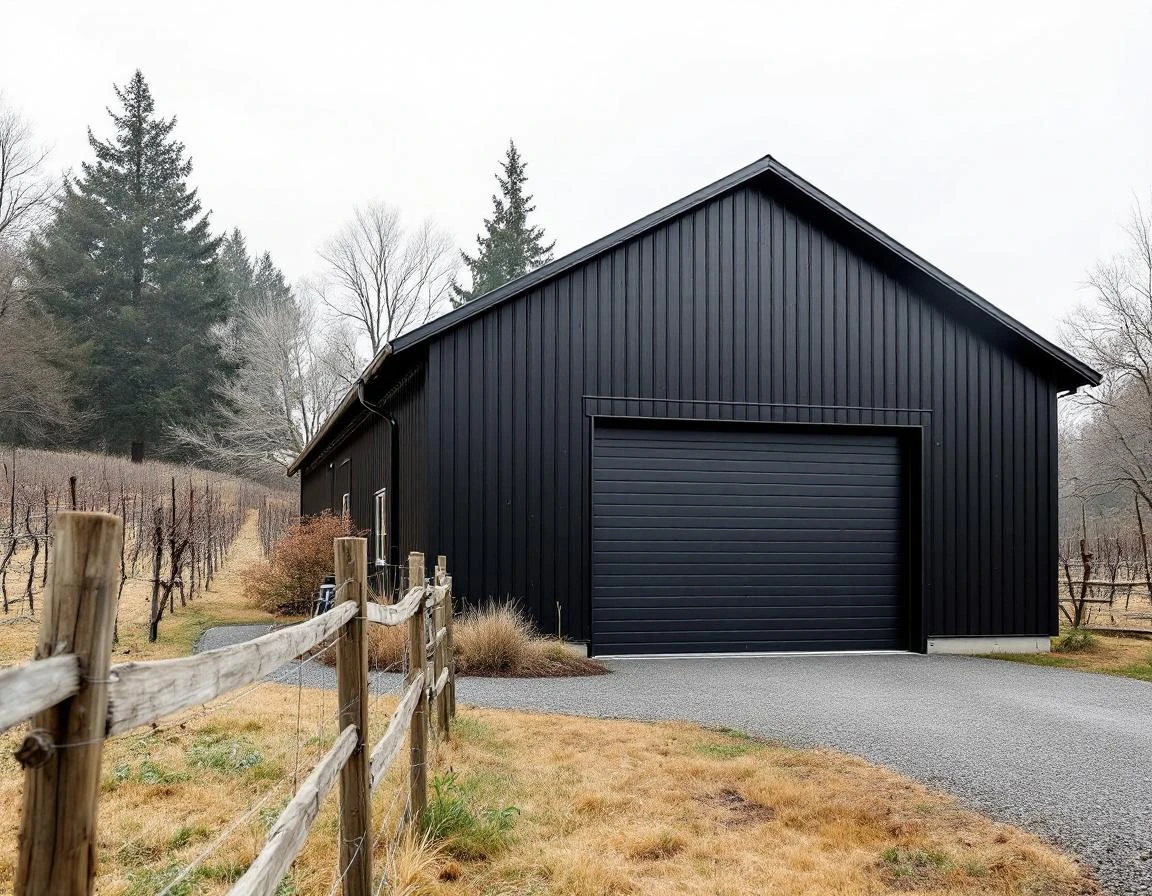
Material Selection for Humidity Control
Choosing the right door core makes the difference between stable wine storage and constant maintenance headaches. Polyurethane-core doors deliver R-16 insulation and resist moisture absorption far better than polystyrene alternatives, which can absorb humidity and lose insulating power over time. In Oregon wine country’s damp climate, that moisture resistance protects both your wine and your investment.
Solid wood doors offer traditional vineyard aesthetics but demand regular sealing and refinishing in high-humidity environments. Galvanized steel frames prevent the rust problems common with standard steel in wine cellar door installation humidity control conditions. While polyurethane doors cost 20-30% more upfront than polystyrene options, they maintain seal integrity for 15-20 years versus 8-12 years for polystyrene.
For wine estate owners, that translates to fewer service calls during peak growing season when your attention needs to be in the vineyard, not on door maintenance. The higher initial investment pays off through reduced labor costs and consistent temperature control when it matters most.
Regional Labor & Timeline
Wine estates around McMinnville and the Dundee Hills typically require a 2–4 week lead time for specialized door installation. Rural locations add complexity—long driveways through vineyard rows, limited staging areas near tasting rooms, and custom measurements for converted barrel storage buildings all extend project schedules beyond standard residential work.
Scheduling before March 31 helps you avoid conflicts with the April–May growing season when vineyard operations ramp up. Spring installation aligns perfectly with pre-season equipment checks, letting you verify climate control before warm weather threatens wine quality. Yamhill County permit processing adds another week for rural properties, so early planning prevents delays.
Working with installers experienced in wine country outbuildings reduces troubleshooting time. They understand humidity sensor placement, equipment access patterns during harvest, and garage door maintenance vineyard operations standards for properties hosting visitors. Local contractors familiar with these requirements complete installations more efficiently than general residential teams learning wine estate needs on the job.
Spring Maintenance Checklist
As McMinnville wine operations ramp up in March for the growing season, a three-task maintenance checklist keeps your wine storage doors functioning properly and protects valuable inventory. This post-winter inspection catches damage before it affects wine quality or creates equipment downtime during your busiest months.
- Humidity and temperature seal inspection. After Oregon’s freeze-thaw cycles, check weatherstripping and door seals for gaps that compromise climate control. Test sensors weekly once you reopen your outbuilding—early detection prevents humidity fluctuations that damage aging wine. Look for compressed or torn weatherstripping around the door perimeter and bottom seal.
- Lubrication and track cleaning. Clear debris from the door track and bottom seal to restore airtight operation. Apply lubricant to hinges, rollers, and locks to prevent jamming during frequent spring access when vineyard equipment traffic increases. This simple maintenance takes 15 minutes and prevents costly service calls during harvest preparation.
- Weatherstripping replacement if gaps appear. When you find damaged seals or weatherstripping during inspection, replacement restores insulation performance. Here’s your DIY threshold: handle cleaning and lubrication yourself, but call specialists for seal or weatherstripping replacement. Improper installation creates gaps that defeat your climate control investment.
At Garage Harmony, our team understands wine country maintenance schedules. Get in touch with us today for spring door inspections timed to your operational needs.
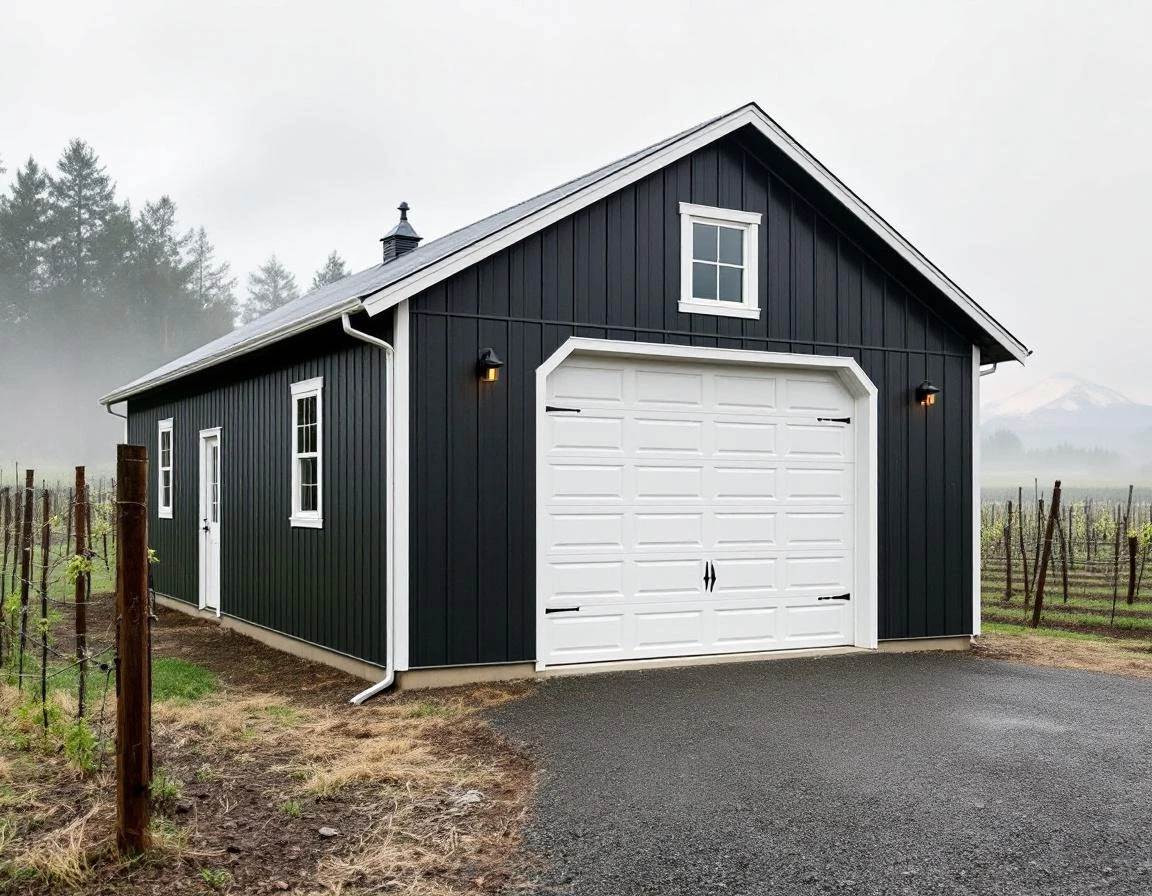
When to Call a Wine Storage Specialist
While you can handle routine cleaning and lubrication, wine storage environments require professional expertise when climate control fails. Unlike standard garage spaces, custom garage doors vineyard equipment installations demand precise conditions—because once wine ages improperly, the damage can’t be reversed.
Three warning signs require immediate specialist attention:
- Humidity readings outside the 50–65% range indicate seal failure that threatens your collection
- Visible condensation or frost on interior panels signal insulation or ventilation compromise (see condensation and insulation issues) that creates microclimates harmful to wine quality
- Slow door operation or grinding noise may point to track misalignment or weather damage affecting the door’s climate seal
Schedule annual professional inspections each March, before vineyard operations intensify. This timing catches problems before they escalate into costly wine loss or equipment failure. In McMinnville and surrounding Yamhill County, work with specialists familiar with wine country door standards—they understand that your garage door protects more than vehicles; it safeguards your livelihood.
Think of professional maintenance as insurance. The cost of one inspection is minor compared to replacing compromised inventory or repairing failed climate control systems during harvest season when you need reliable access most.
