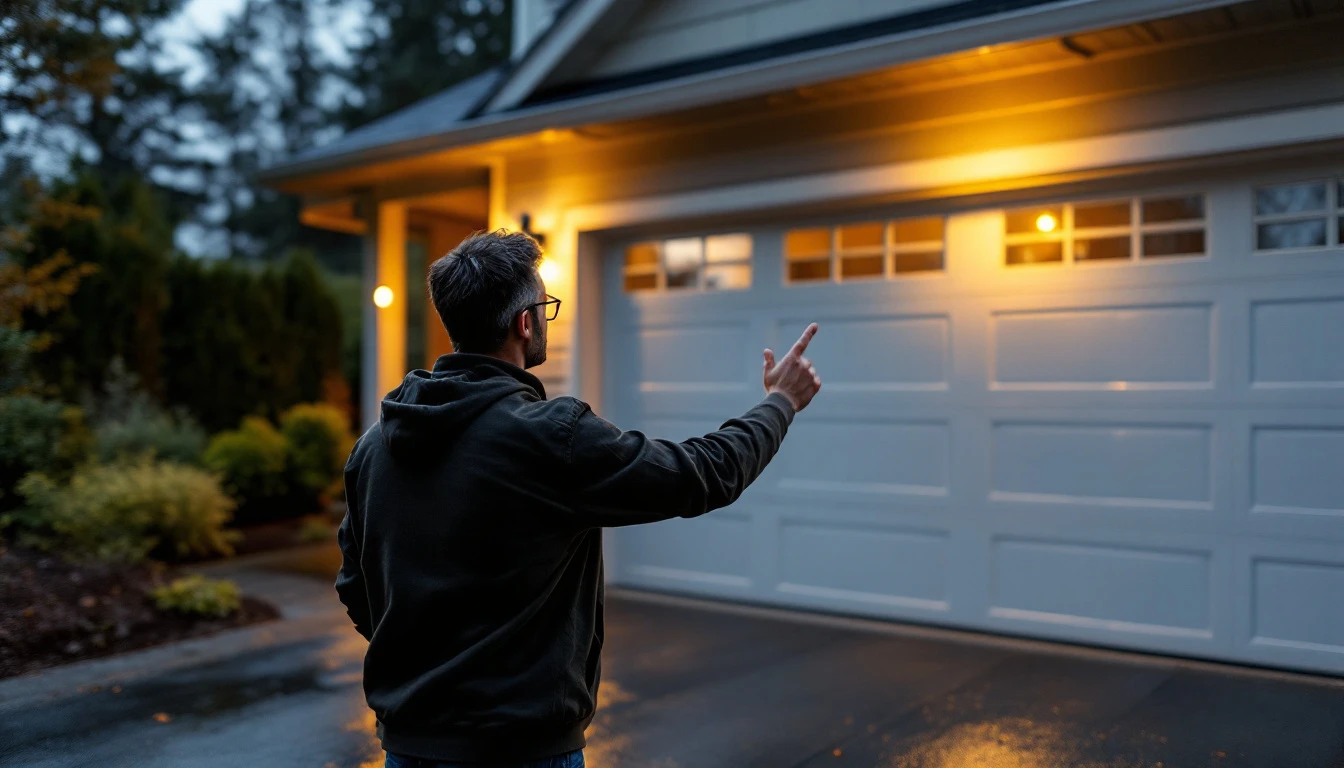
Thunderstorm Garage Door Safety in Portland
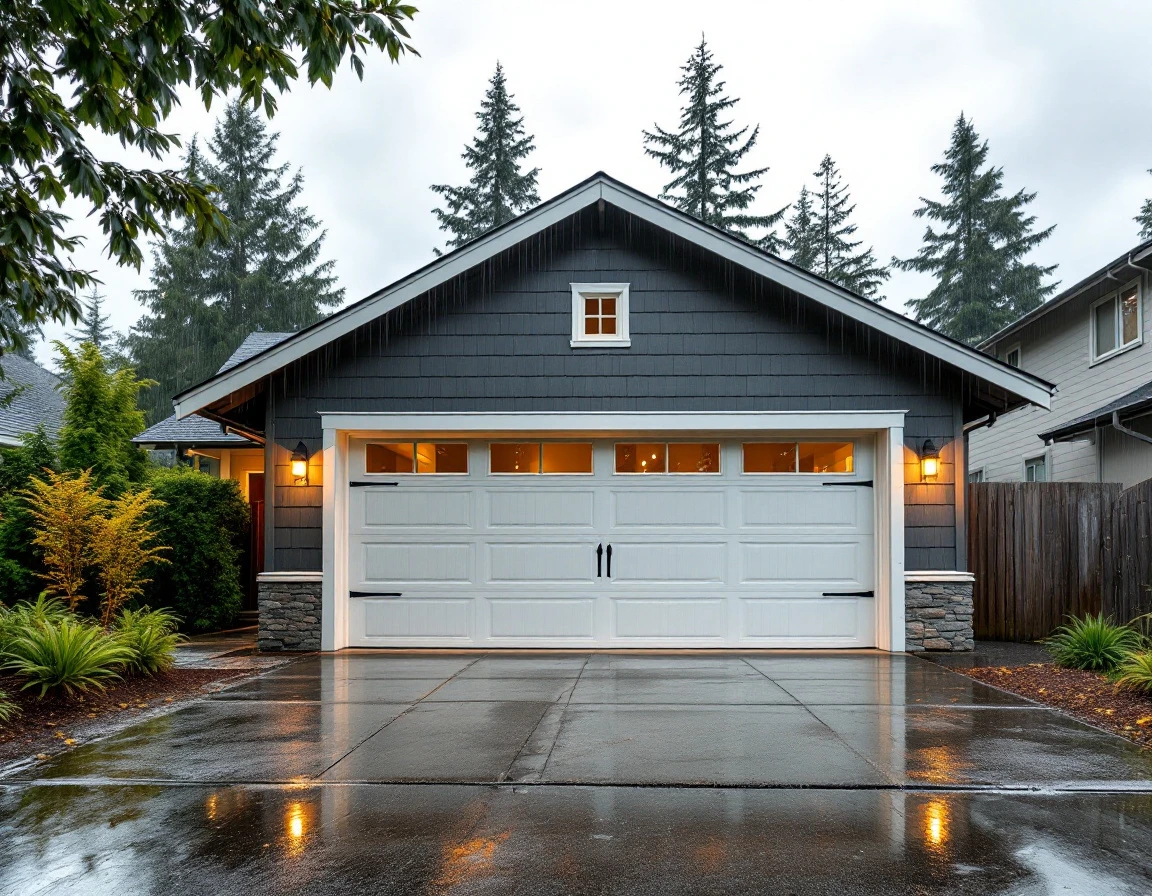
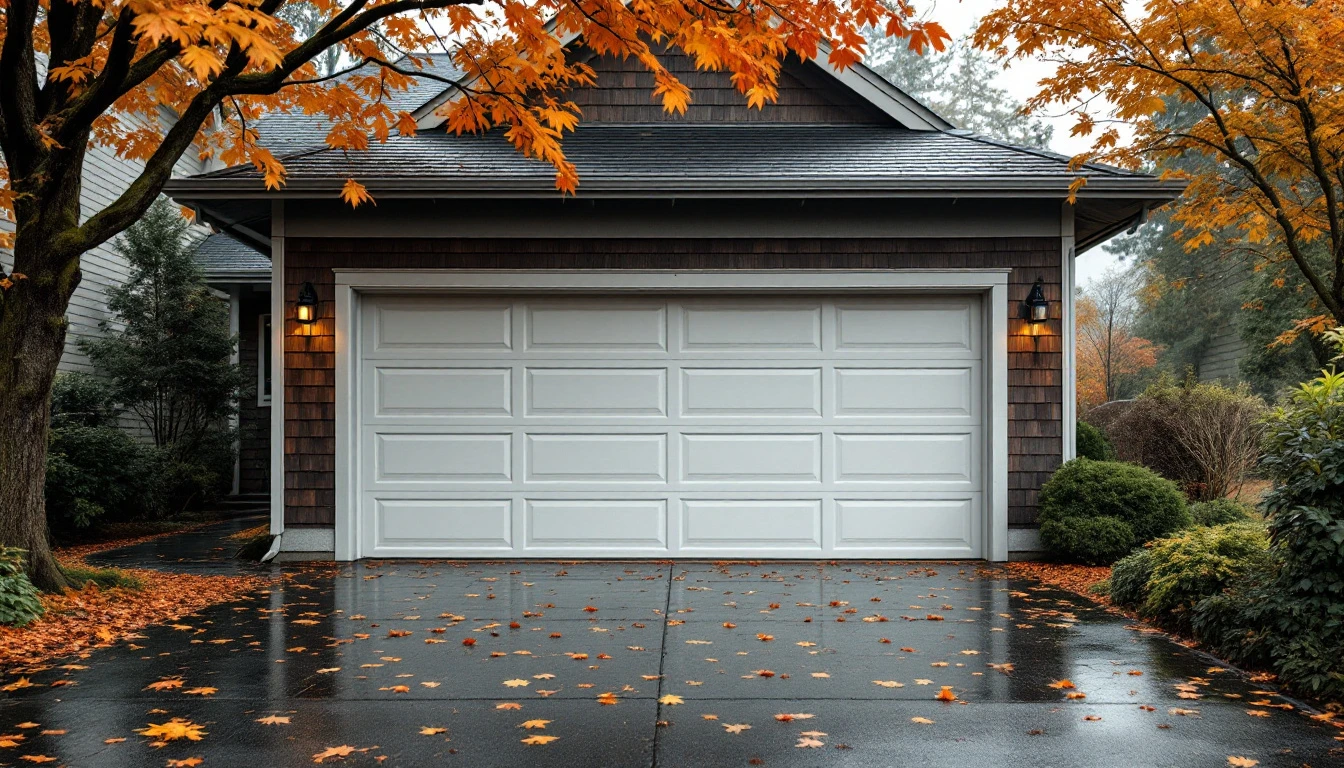
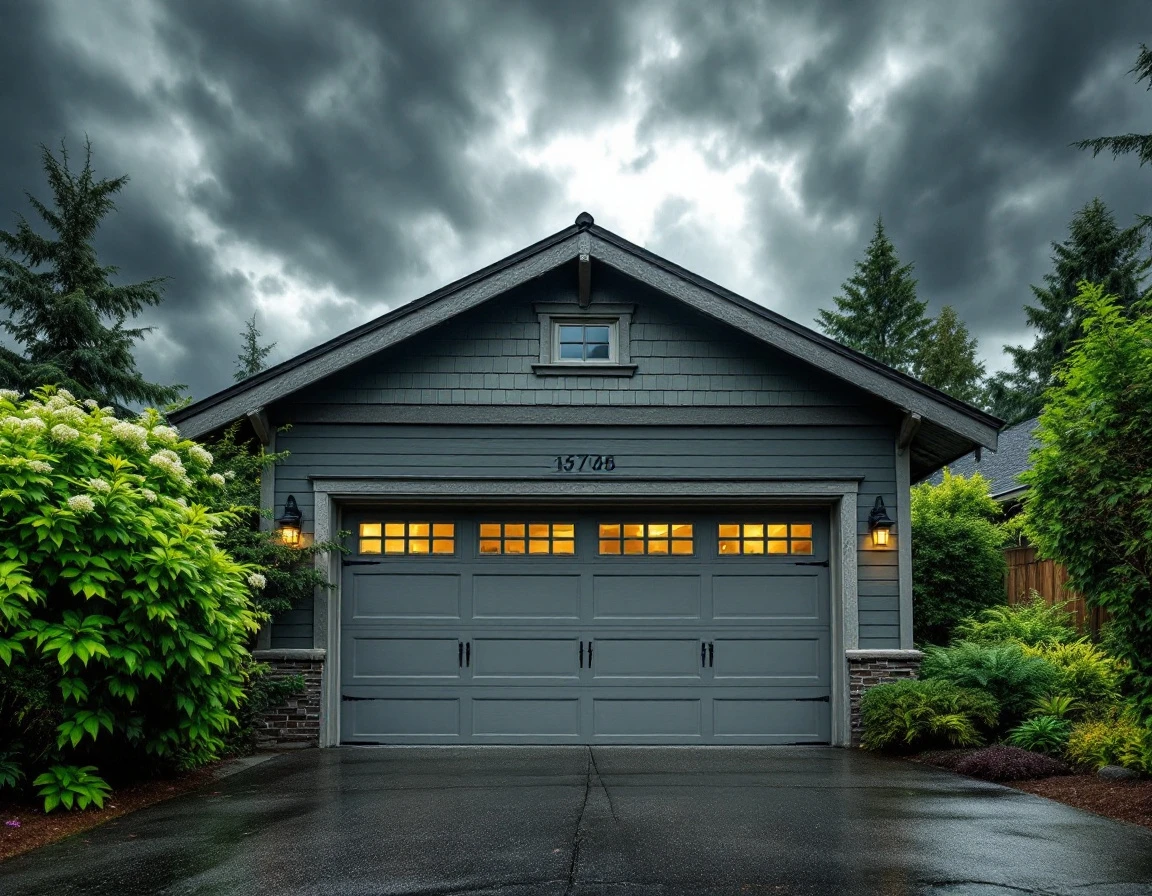
September through November brings Portland’s most intense thunderstorm activity. Your garage door faces wind, water, and flying debris during these storms. A single storm can buckle panels, compromise weatherstripping. And let water into attached garages. Want to avoid the headache? Let’s walk through what you need to know.
Storm damage repairs usually cost $2,000 to $5,000. Covering panel replacement, seal restoration, and structural fixes. But here’s the thing—most of this damage is preventable. Taking a weekend to prepare your door now saves you from these expensive fixes later.
Preparing your door before September weather picks up helps you avoid emergency repairs and protects your home from storm damage. A little preparation goes a long way.
Five Essential Hardening Measures
Protecting your garage door from Portland’s autumn storms comes down to five targeted tasks, each built to address a specific vulnerability:
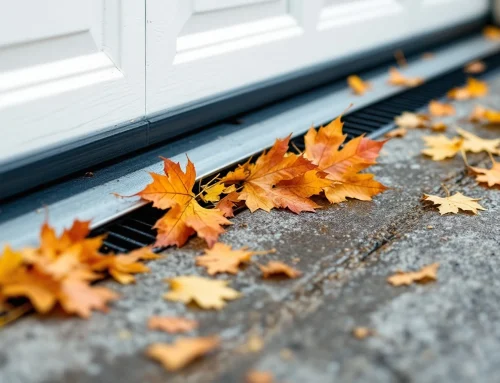
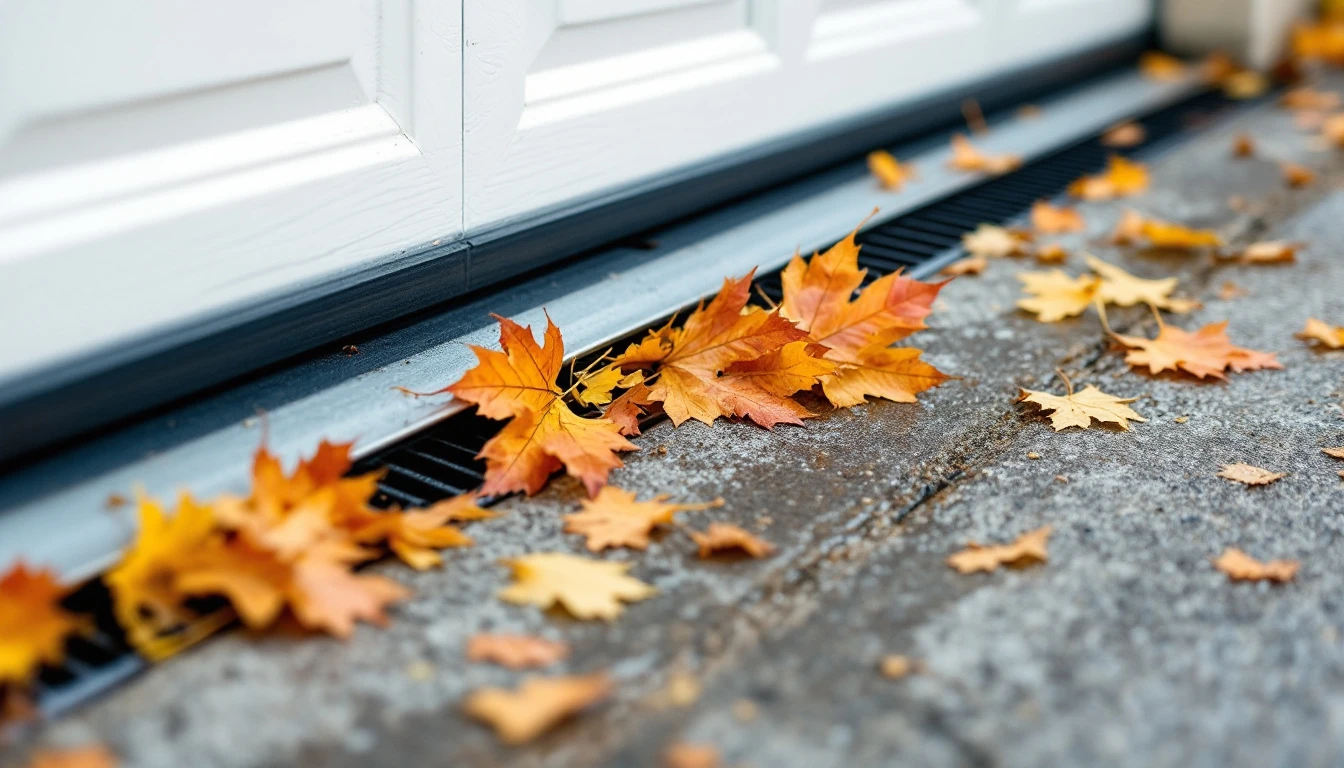
- Weather seals and weatherstripping form your first line of defense, blocking rain and debris from penetrating gaps around the door perimeter during heavy downpours.
- Panel bracing and reinforcement strengthen single-layer doors against wind pressure that can bow or buckle panels.
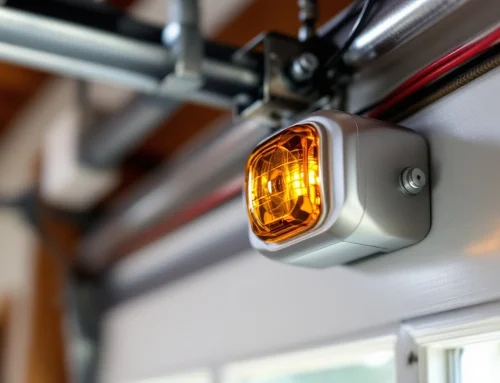
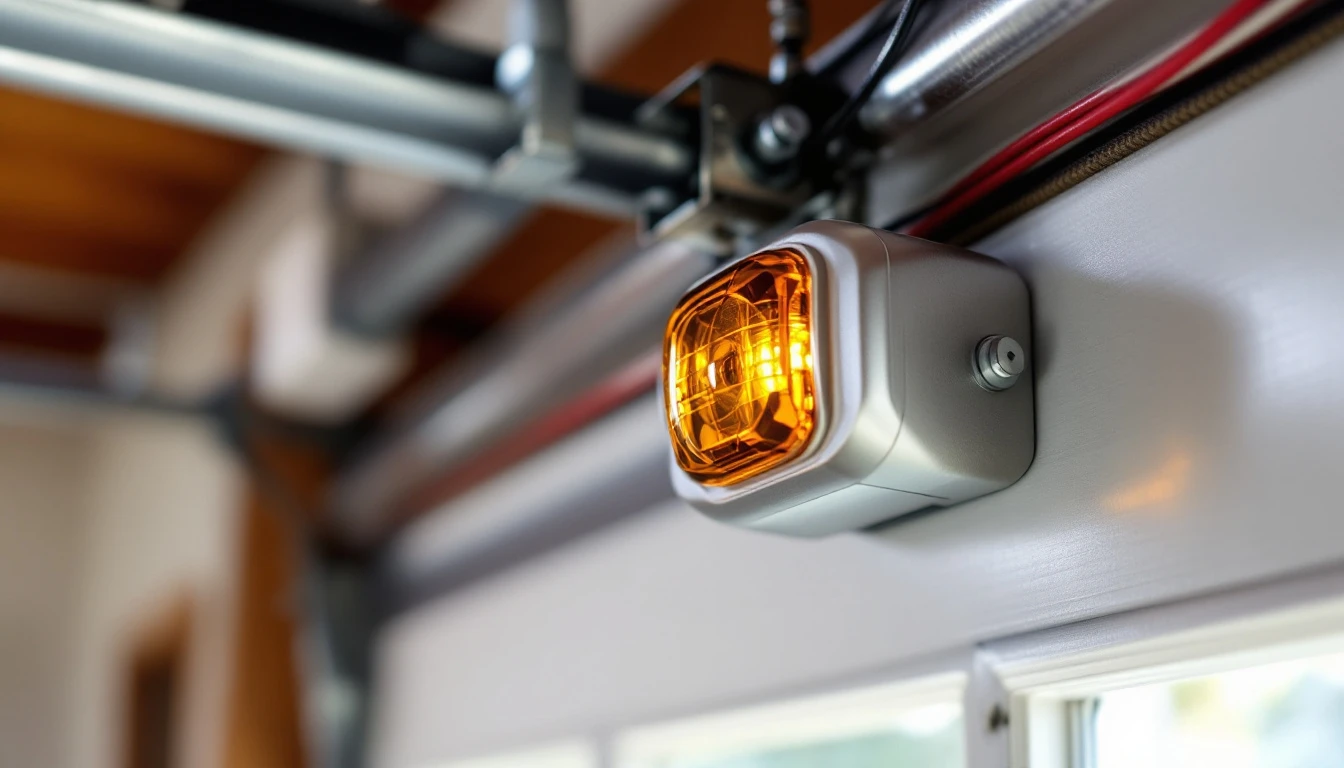
- Safety sensor inspection confirms your door’s emergency backup systems will function during power outages common in September storms.
- Door balance testing identifies springs and hardware that might fail under wind stress, preventing the binding and jamming that leaves doors stuck mid-cycle when you need them most.
You can complete all five measures in a single weekend using basic tools found in most home workshops. Simple preparation protects you from costly repairs down the road.
DIY Inspection and Maintenance
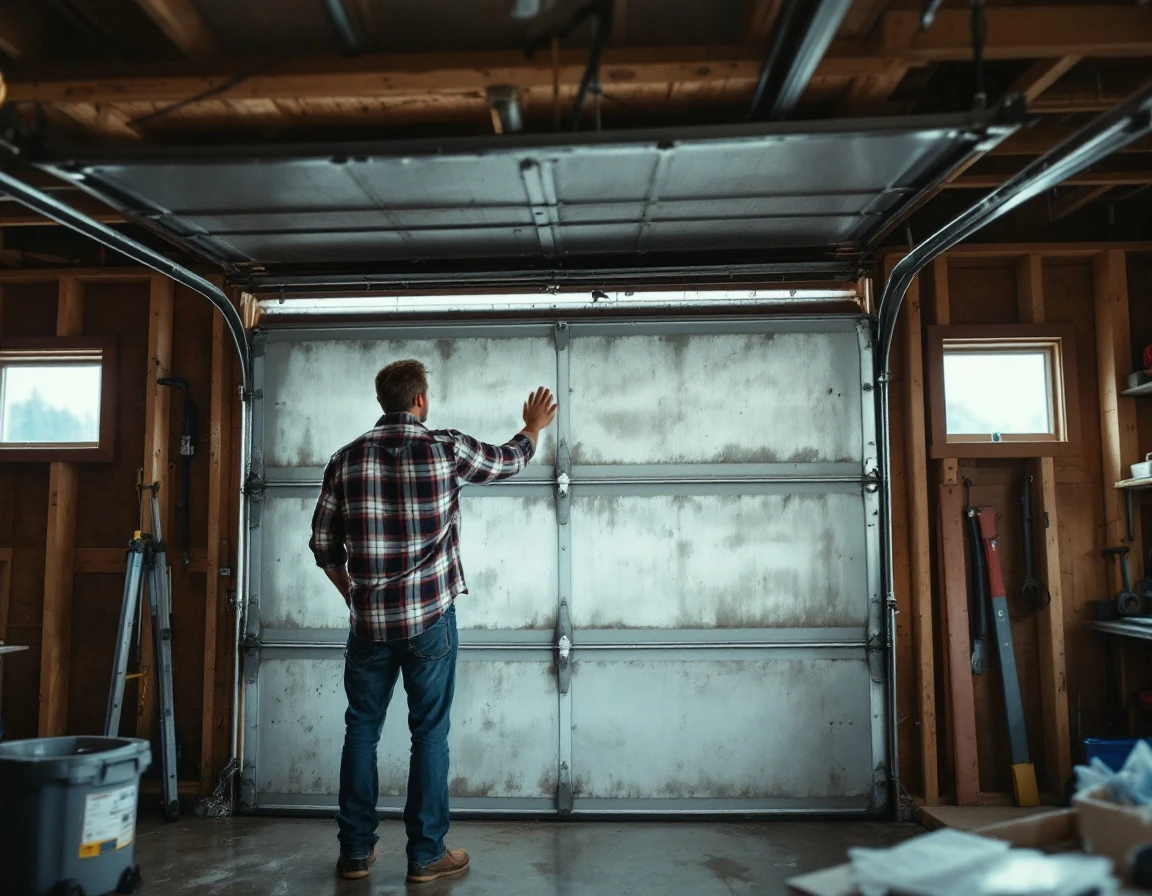
Start your inspection at the weather seals along all four edges of the door. Run your hand along each seal checking for cracks, hardening, or gaps where water might enter during a storm. Next, examine every panel for rust spots or dents—these weak points can buckle when wind pressure builds.
Walk along both tracks looking for debris, bent sections, or misalignment that could cause binding when winds push against the door. Wipe down both sensors at the bottom of the doorway, removing any dirt or spiderwebs that might prevent proper function during a power outage.
Perform the balance test by manually lifting your door to chest height and releasing it. A properly balanced door should hold its position without drifting up or down. If it drops quickly or shoots upward, the spring tension is off—making the door vulnerable to jamming under storm stress.
If the balance test fails, sensors show damage, or tracks look badly misaligned, reach out to a professional before September storms arrive. These issues need expert adjustment to work properly.
Materials and Tools Checklist
Before you start your weekend hardening project, gather the right supplies to avoid mid-task trips to the hardware store. For weather seals. Pick up rubber gasket tape EPDM in 1/4-inch thickness, silicone-based exterior sealant, and replacement bottom seal kits—budget $30–$80 depending on your door size. Panel bracing requires steel reinforcement straps or pre-assembled bracing kits for vulnerable sections, running $50–$150 for materials.
Most homeowners already own the basic tools. A sturdy ladder, caulk gun, socket set, carpenter’s level, and a multimeter for sensor testing. Don’t forget safety gear—work gloves, eye protection, and a dust mask protect you during track cleaning and drilling tasks. Print this checklist and verify you have everything on hand before September storms arrive.
When to Call a Professional
Some garage door issues sit firmly outside DIY territory. Spring replacement involves lethal tension that can cause serious injury without specialized tools and training. Cable repair and structural damage also require licensed technicians who understand the forces at play. Attempting these repairs yourself puts you and your family at risk.
Sensor alignment and opener motor issues need professional diagnostics to pinpoint root causes. If your inspection uncovers misaligned sensors, damaged panels, or balance problems, it’s time to bring in a pro. A sensor that fails to detect obstructions can’t stop a falling door.
September is the ideal month to schedule professional service. Booking before storm season peaks means you’ll avoid emergency pricing and long wait times during November’s first big weather events. Contact a local Portland garage door specialist for a pre-storm inspection if you’ve uncovered any red flags during your DIY walkthrough.
Pre-Storm Shutdown and Recovery
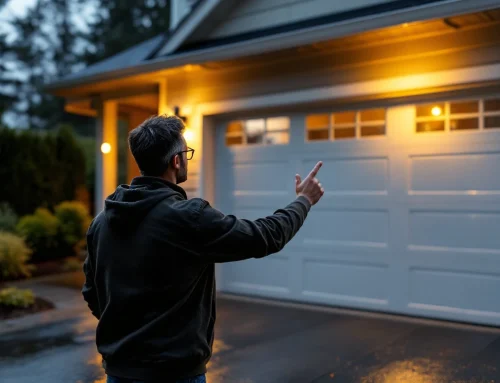
When weather warnings escalate, knowing how to manually open your garage door is critical. Locate the red emergency release cord hanging from the opener trolley—pulling it disengages the motor so you can lift the door by hand if power fails. Practice this procedure before storms hit, and teach household members where to find the release.
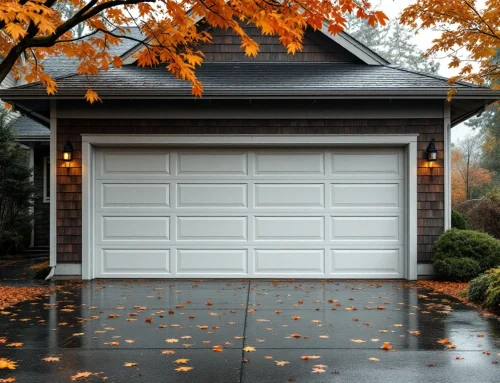
Always keep your door closed and locked during high winds. A secured door resists wind forces that can tear panels from tracks, and it prevents wind-driven debris from entering your garage. Wind-rated garage doors can lower the risk of costly damage during severe storms. Open doors catch wind like sails, creating forces that cause structural damage.
After the storm passes, inspect panels for dents or cracks, check weather seals for tears, and test opener function. Photograph all damage immediately—insurance claims require visual documentation. Call for emergency service if your door won’t close. You notice structural shifting, or safety sensors fail. Minor cosmetic damage can wait for routine appointments, but any issue affecting security or operation needs immediate attention from professionals.