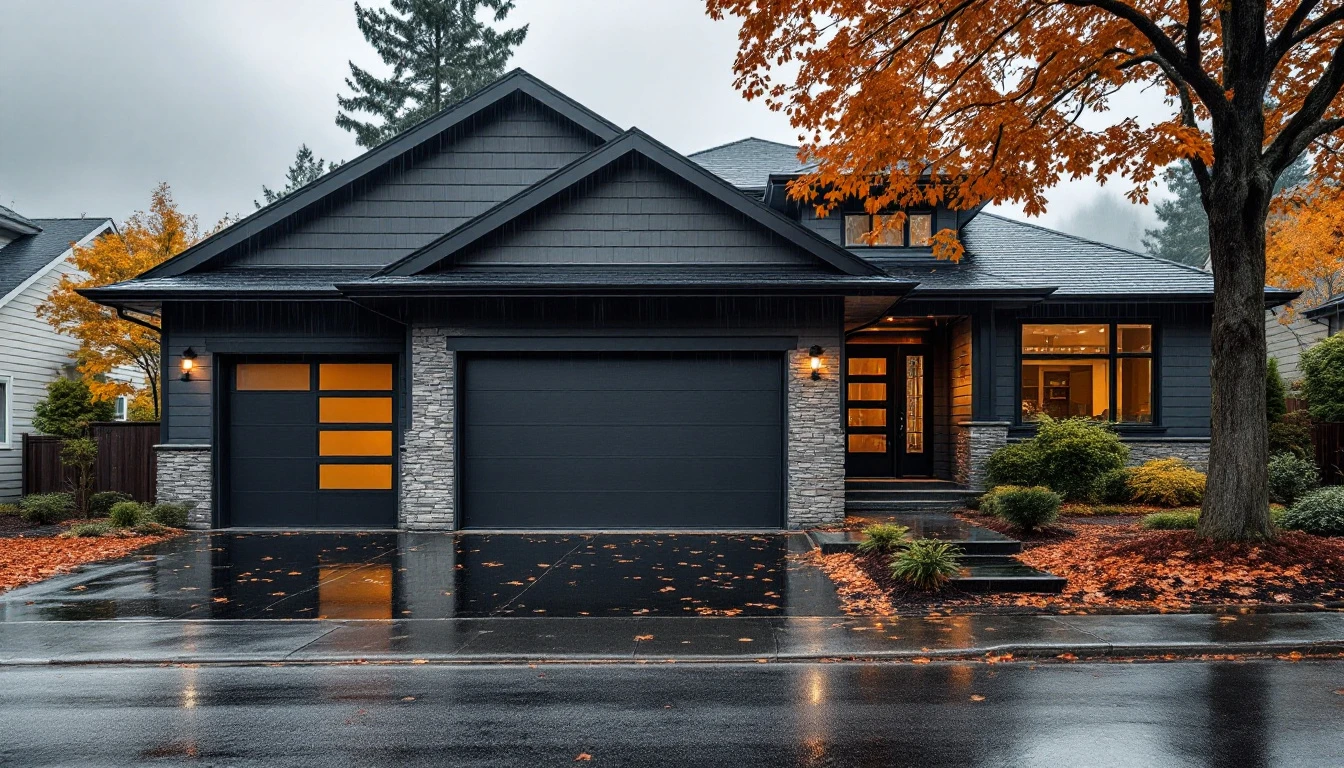
Test Garage Door Auto-Reverse Safety in Portland Before Winter
Before Pacific Northwest storms arrive, test your garage door’s safety features—including the auto-reverse mechanism—to avoid failures during wet, cold months ahead. Homeowners in Portland should prioritize this test garage door auto-reverse safety inspection before November.
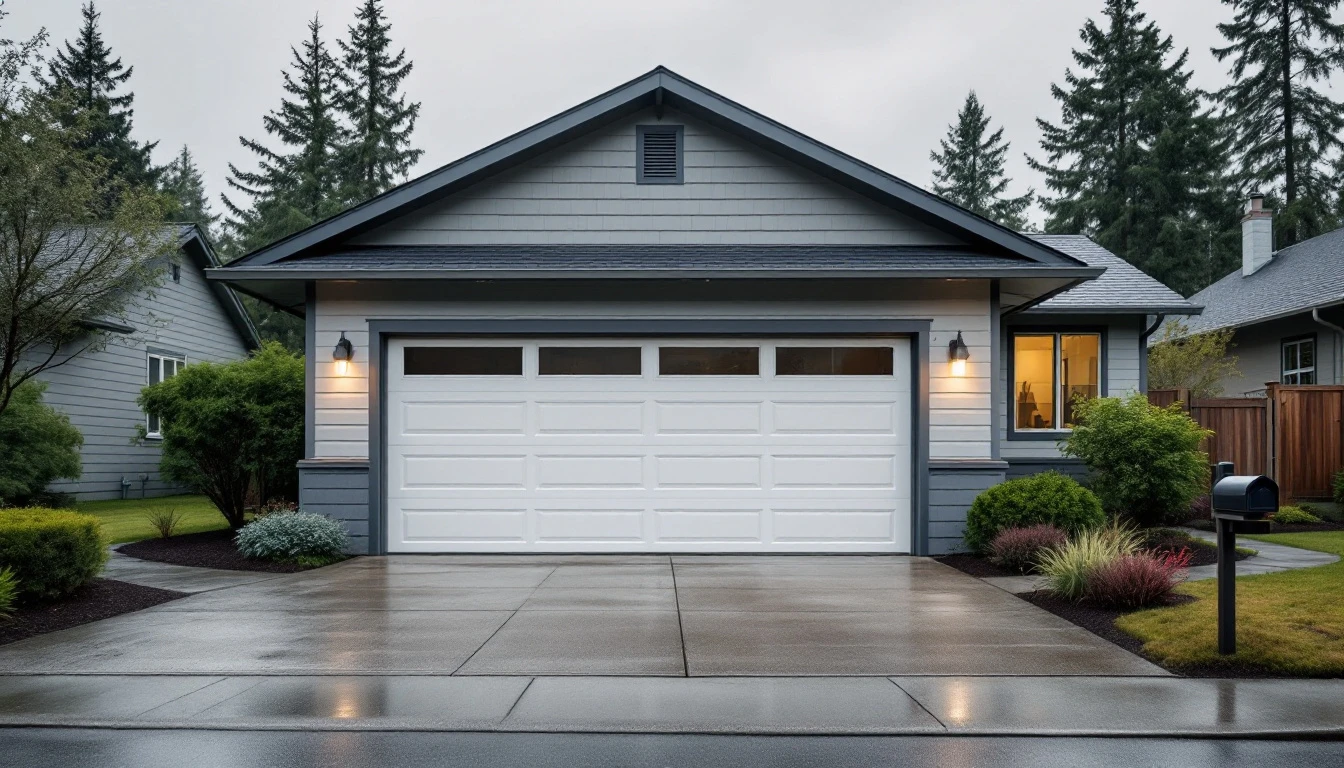
Pacific Northwest wet season creates ideal conditions for garage door failure
The Pacific Northwest’s wet season brings relentless rain and humidity that can wreak havoc on garage door components. Moisture infiltrates mechanical systems, causing rust, swelling, and electrical issues that compromise safety features. During fall and winter, these conditions create the perfect storm for garage door failures when you need reliable operation most.
Your auto-reverse feature, photo-eye sensors, and manual release mechanism are life-safety systems that protect your family from injury.
Regular verification of these components before the wet months arrive can prevent dangerous malfunctions and costly emergency repairs.
Failed safety components during winter cost more
When garage door safety systems fail during the wet months, repairs become more expensive and complicated. Cold temperatures and moisture can worsen mechanical problems, and emergency service calls during winter storms often come with premium pricing. More importantly, malfunctioning safety features pose serious injury risks to your family—a door that doesn’t auto-reverse or photo-eyes that fail to detect obstructions can cause real harm.
October offers the last reliable window of dry weather to conduct thorough safety tests before heavy rain and freezing conditions arrive. Once wet weather sets in, problems that could have been caught early become urgent, costly emergencies.
Auto-Reverse Feature Testing
The auto-reverse mechanism is your garage door’s primary safety feature that stops and reverses the door immediately when it encounters resistance during closing. Testing this system properly means using a solid object—never your hands, feet, or any body part. A simple 2×4 board laid flat on the garage floor provides the perfect test tool.
Here’s how to test the auto-reverse safely: Place a 2×4 board flat on the garage floor in the door’s path. Positioned where the door would make contact during closing. Press your wall button or remote to close the door. When the door contacts the board, it should immediately stop its downward motion and reverse back to the fully open position within one to two seconds.
What should proper function look, sound, and feel like? You’ll hear the motor pause briefly, then immediately shift into reverse. The door should move smoothly back up without hesitation or jerky movements. The entire sequence—contact, stop, and reverse—should happen quickly and decisively. If your door is working correctly, the reversal will be immediate and complete.
Signs of trouble include:
- a door that continues pushing down on the board instead of reversing
- a delayed response that takes more than two seconds to begin reversing
- a door that only partially reverses before stopping mid-travel
Any of these behaviors indicates a malfunctioning auto-reverse system that requires immediate professional attention.
Test this feature at least twice during your October inspection to verify consistent performance. If your door fails either test or shows any hesitation in reversing, don’t use the door until a professional technician can diagnose and repair the problem. This isn’t a DIY fix—auto-reverse adjustments require specialized knowledge of force settings and safety regulations.
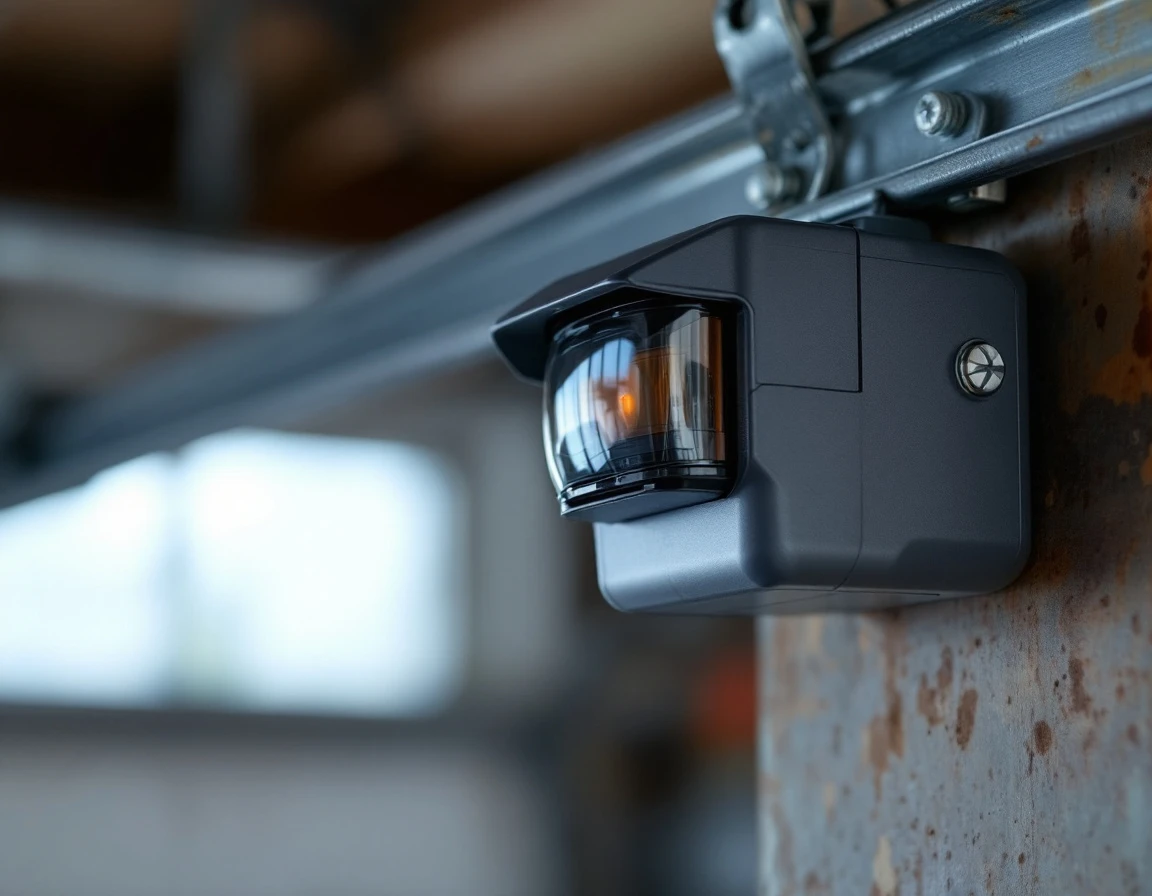
Photo-Eye Sensor Function Verification
Your garage door’s photo-eye sensor system acts as an invisible safety net across the door opening. Two sensors—a transmitter and a receiver—sit on opposite sides of your garage door track, about six inches above the floor. The transmitter sends an infrared beam to the receiver, and if anything breaks that beam while the door closes, the system triggers an immediate stop and reversal. Both sensors must be clean, properly aligned, and working together for this life-safety feature to function.
October brings fallen leaves, moisture, and increased spider activity in Pacific Northwest garages. These conditions create the perfect storm for photo-eye problems. Dirt accumulates on sensor lenses, spider webs stretch across the beam path, and morning condensation obscures the infrared signal. Take a close look at both sensor lenses right now. See any film, dust, or debris? A quick wipe with a clean, dry cloth often restores full function.
Here’s how to test photo-eye sensors: Start your garage door closing using the wall button or remote. While the door descends, pass a broomstick, rake handle, or similar object through the sensor beam at floor level. The door should immediately stop and reverse direction. If it continues closing despite the obstruction, your sensors aren’t communicating properly.
Misalignment is the usual culprit when photo-eyes fail this test. Look at both sensor units—do they point directly at each other? Most sensors have small LED indicator lights. The receiver typically shows a steady green light when properly aligned. If the light is off, dim, or blinking, gently adjust the sensor angle until the light becomes solid. Even a slight bump from parking or stored items can knock sensors out of position.
Can’t get a steady indicator light after cleaning and adjusting? The wiring may be damaged or the sensors themselves may need replacement.
That’s when calling Garage Harmony makes sense—before winter weather turns a minor issue into an emergency repair.
Manual Release Mechanism Testing
What happens when a winter storm knocks out power and your vehicle is trapped in the garage? The manual release garage door mechanism allows you to disengage the opener and lift the door by hand—a feature that becomes essential during Portland’s extended winter outages.
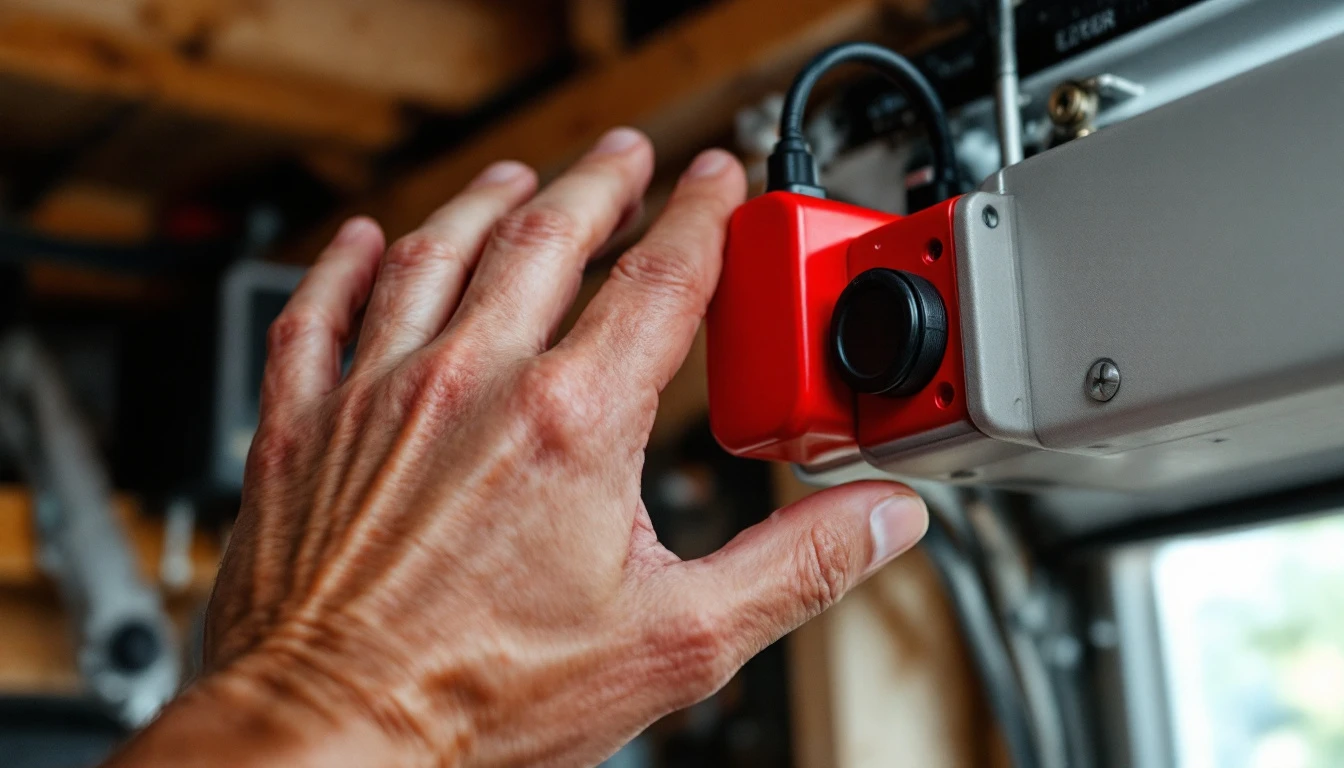
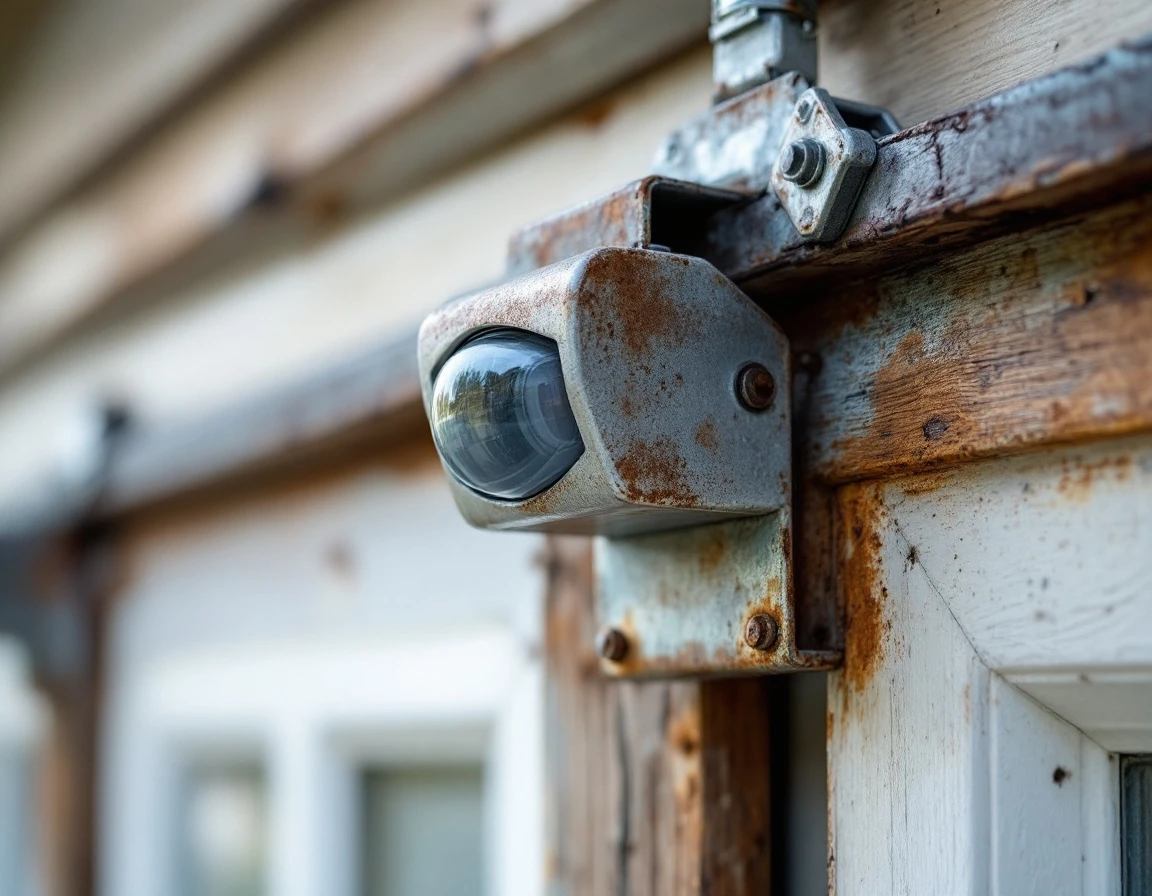
Every garage door opener includes a manual release, typically marked by a red cord or handle hanging from the trolley that connects the door to the opener carriage. Locate this handle before you need it in an emergency. Once you’ve found it, pull down firmly on the handle to disengage the trolley from the drive mechanism. You should hear a distinct click as the carriage releases.
With the system disengaged, try lifting the door manually. A properly balanced door should rise smoothly with minimal effort and stay in place when you let go at waist height. If the door feels extremely heavy, drops quickly, or resists your lift, the spring system may need adjustment or replacement—problems that worsen in cold weather and require professional attention.
After testing, re-engage the system by pulling the release handle toward the door (away from the opener motor) until the trolley reconnects, then operate the door with the opener to confirm proper reconnection. Testing your manual release test in Portland before October turns cold means you’ll know exactly how to escape or enter during winter power failures—and you’ll discover any balance or mechanical issues while repair conditions are still favorable.
Professional Inspection and Repair Timing
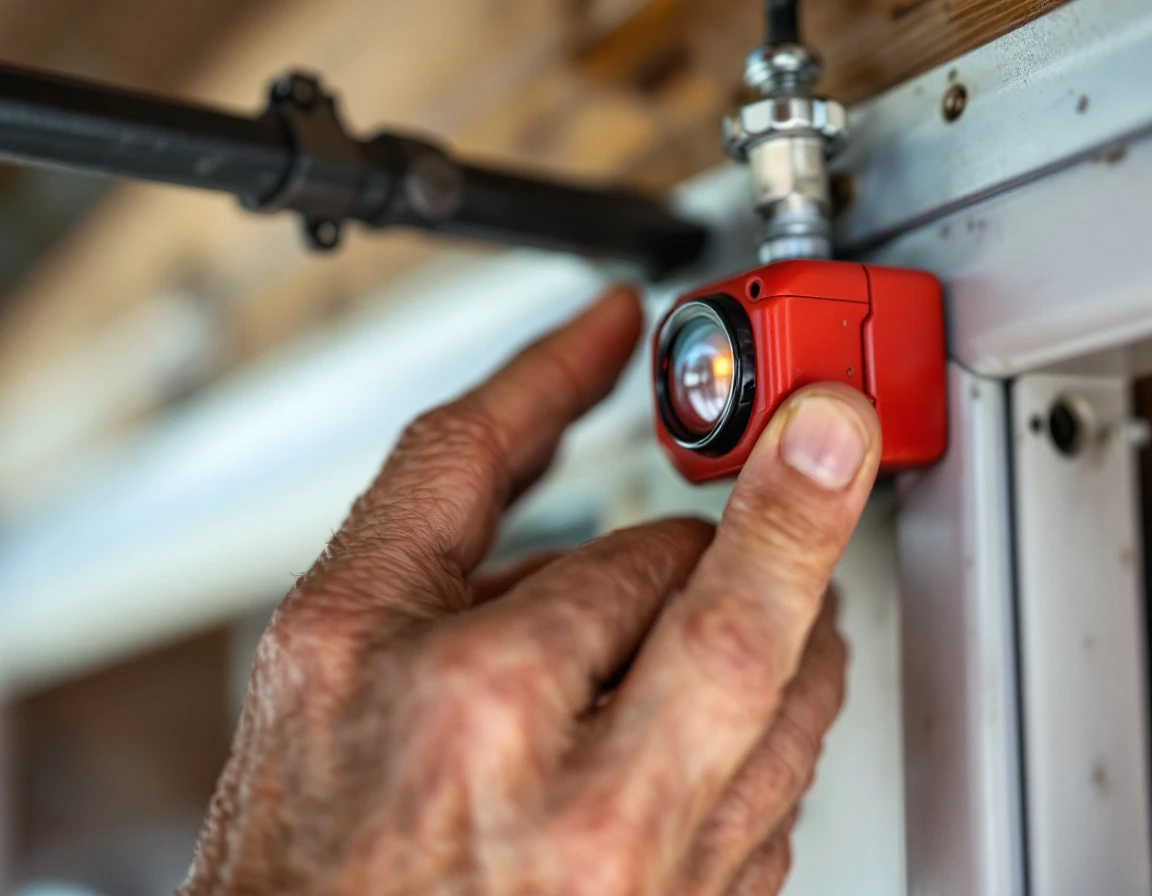
If any of your safety tests fail, it’s time to call a professional before winter weather arrives. October appointments are easier to schedule than emergency calls during the November-through-January storm season, when garage door specialists are booked solid responding to urgent failures. What takes a few days to schedule in October can stretch to weeks during the winter rush—and you’ll pay premium emergency rates when your door won’t close during a rainstorm.
When you contact a local garage door specialist, they’ll diagnose the exact problem with precision equipment. For auto-reverse issues, technicians adjust force settings and replace worn sensors that trigger the reversal mechanism. Photo-eye problems typically require sensor realignment, cleaning of the optical lenses, or replacement of faulty transmitter-receiver units. Manual release concerns often involve lubricating the trolley mechanism, adjusting cable tension, or rebalancing springs that have lost their calibration over time.
The cost difference between scheduled maintenance and emergency repair is substantial. A routine October service call allows technicians to work efficiently, order parts at standard pricing, and complete repairs during business hours. Winter emergency calls mean after-hours labor, expedited parts shipping, and repair work in cold, wet conditions that slow down the process and drive up costs.
Don’t wait for a safety system to fail when you need it most.
Contact a local garage door specialist before November if any test shows your auto-reverse, photo-eye sensors, or manual release aren’t working properly. Schedule your inspection today!