Central Oregon’s High-Altitude UV Threat
Your garage door faces a unique challenge in Central Oregon that homeowners in Portland or Vancouver rarely encounter. Sun damage to garage doors in Central Oregon happens at an accelerated rate due to elevation. At elevations exceeding 3,600 feet, the atmosphere above Bend and Redmond provides less protection from ultraviolet radiation. For every 1,000 feet of elevation gain, UV exposure increases by roughly 4 to 5 percent—meaning your garage door absorbs 20 percent more UV radiation than the same door installed at sea level.
The climate compounds this problem. Central Oregon receives more than 300 sunny days each year, and the region’s characteristically low humidity means moisture doesn’t diffuse UV rays before they strike painted and sealed surfaces. This combination accelerates paint oxidation and finish degradation in ways that wetter, lower-elevation areas simply don’t experience. What takes five years to appear on a garage door in Seattle might show up in just three summers here.
All door materials suffer under these conditions, though at different rates:
- Aluminum doors develop chalking and color fade as their factory finishes break down.
- Steel doors lose protective coatings, exposing bare metal to rust.
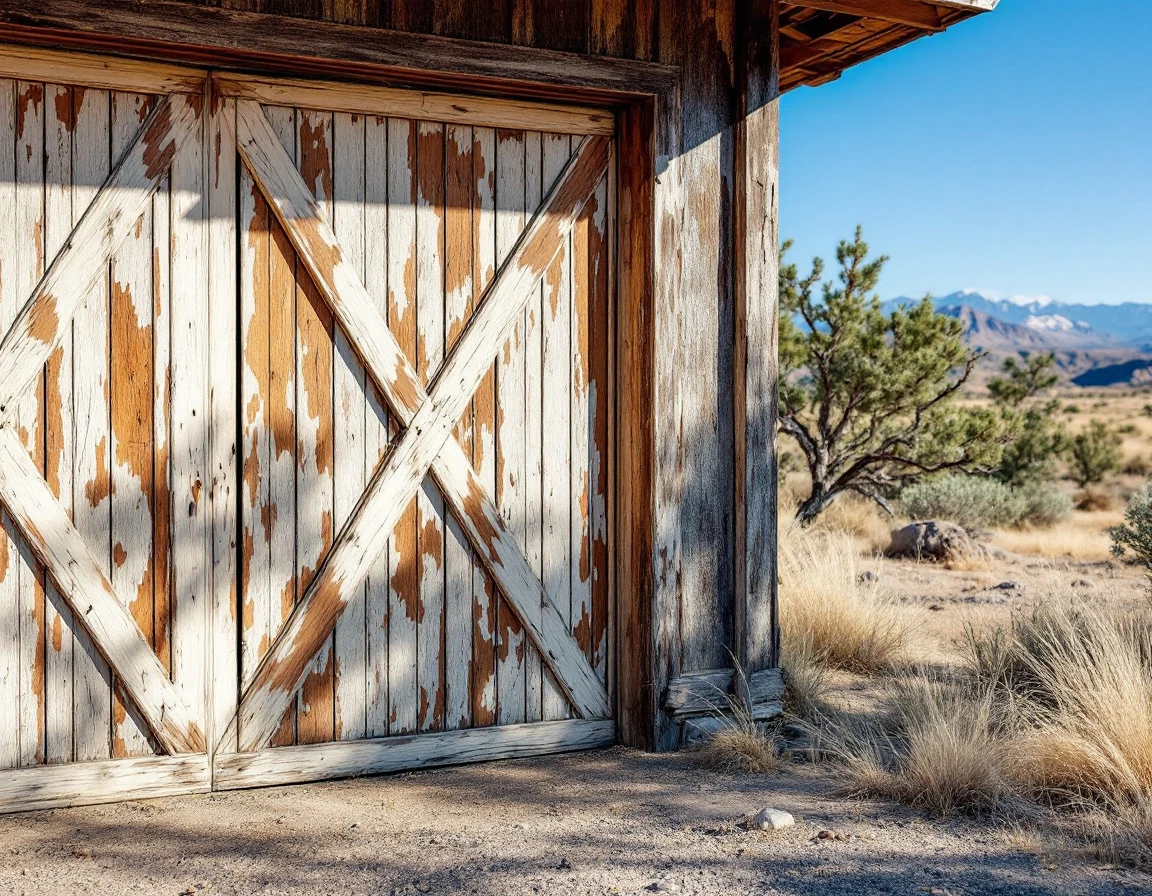
- Wood doors crack and split as UV radiation destroys lignin, the natural polymer that binds wood fibers together.
Once these processes begin, they accelerate—cracks invite moisture, fading becomes uneven, and minor cosmetic issues transform into structural problems.
Acting before peak summer arrives matters so much in Central Oregon. June through August delivers the most intense UV exposure of the year, and unprotected doors take the hardest hit during these months.
Visible Signs of UV Damage and Garage Door Cracking from Sun Exposure
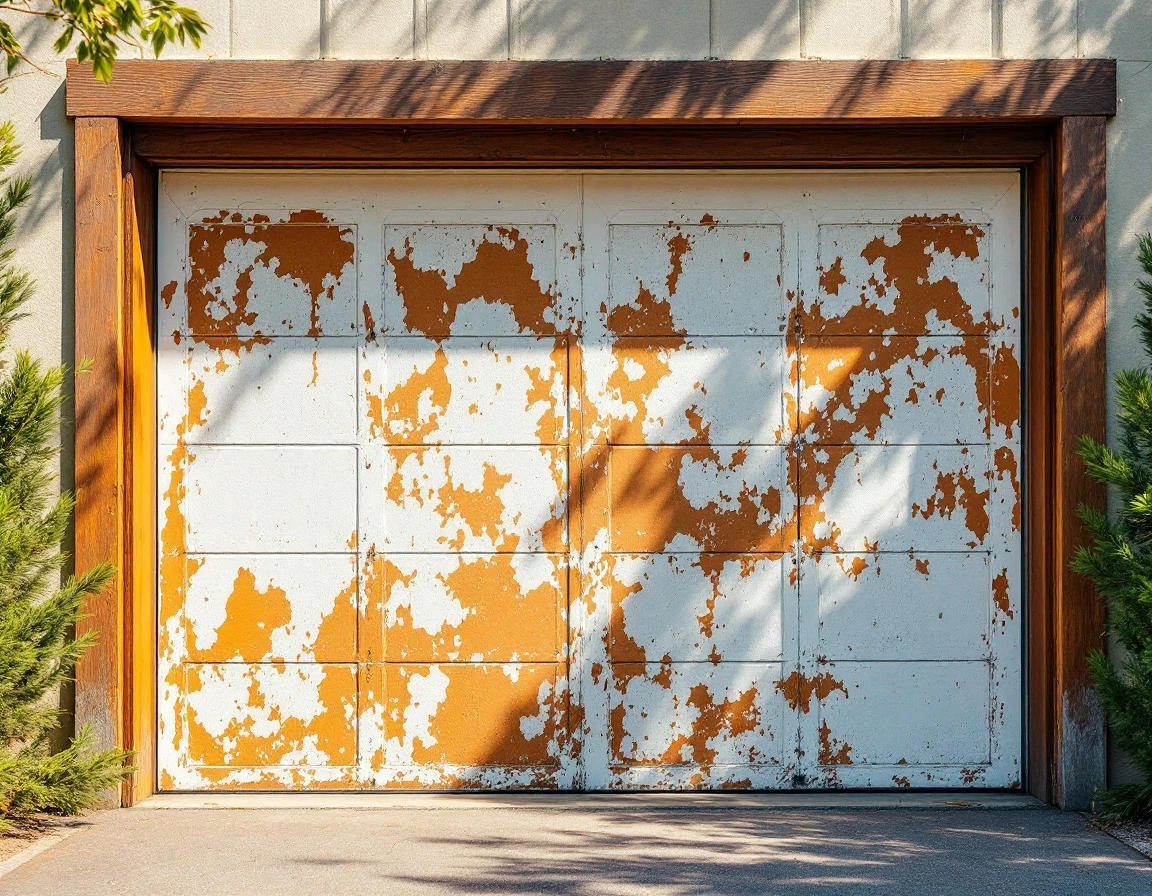
How do you know if your garage door is already suffering from UV exposure? The earliest warning sign appears as dull, chalky patches on painted or stained finishes. What once had a glossy sheen now looks flat and lifeless, especially on panels that face south or west. This chalking happens when UV rays break down the binders in paint, leaving behind a powdery residue you can sometimes feel with your fingertips.
As damage progresses, fine cracks begin forming around panel edges and corners where UV concentration hits hardest. Garage door cracking from sun exposure indicates that the protective coating has failed and moisture can now penetrate the door material. In Central Oregon’s climate, color loss accelerates quickly—a glossy finish can turn completely matte within two to four years without protection.
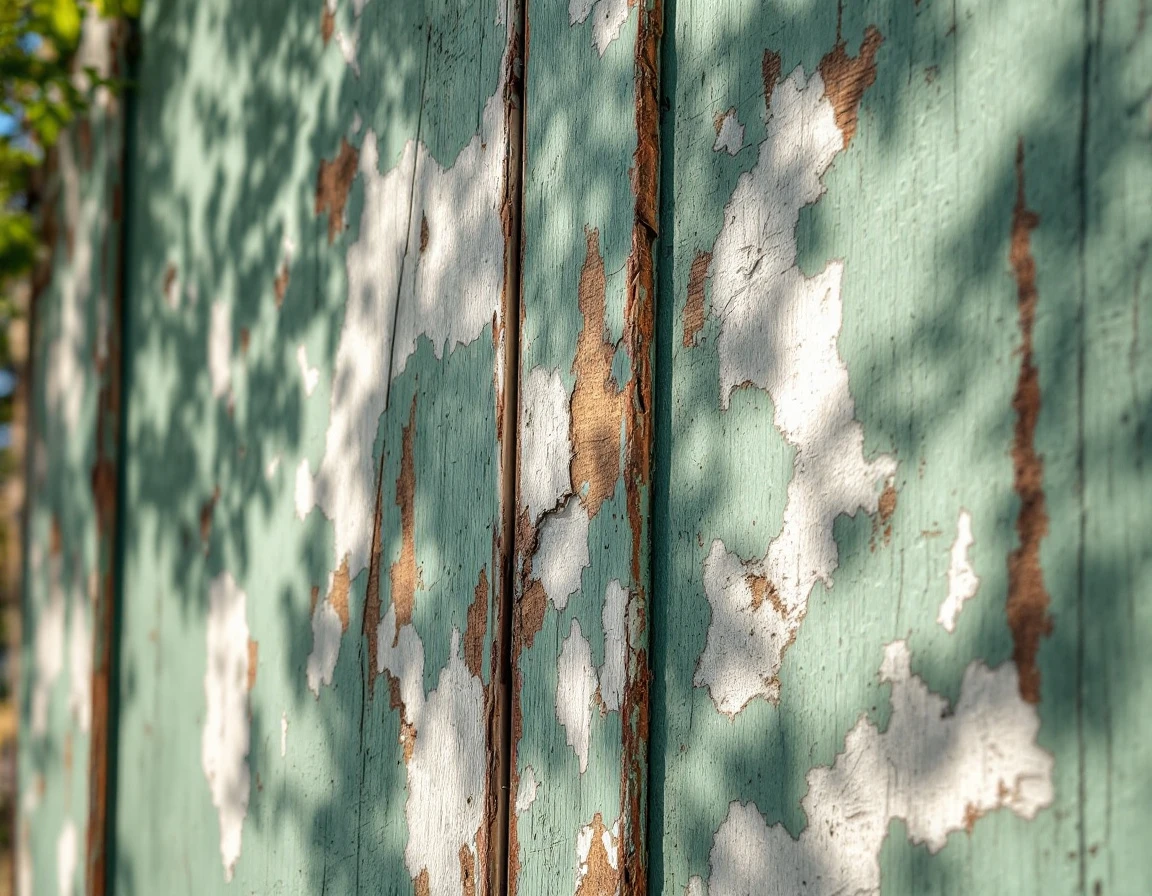
The most advanced stage shows paint peeling or blistering, which indicates the primer layer has failed from deep UV penetration. At this point, the door’s substrate is exposed to the elements. Early intervention with UV damage calls for a refinishing job, whereas delaying repairs until cracking becomes structural necessitates full door replacement—a far more costly undertaking that extends beyond simple refinishing solutions.
Early detection saves money. If you notice chalking or minor fading now, refinishing restores protection before expensive repairs become necessary.
Three Proven Protection Strategies
Central Oregon homeowners face a clear choice: invest in preventive protection now, or pay far more to replace a sun-damaged garage door down the road.? Three distinct protection methods work effectively in our high-altitude climate, each offering different cost-performance ratios and maintenance requirements.
UV-Protective Sealers: The Budget-Friendly Foundation
UV-protective sealers create a transparent barrier that absorbs ultraviolet radiation before it penetrates your door’s finish. Professional application of these products works best on newer doors without existing damage. Wood doors benefit most from oil-based sealers that penetrate the grain, while steel and aluminum doors need polymer-based products that bond to painted surfaces.
Apply sealers in June, before Central Oregon’s peak July–August sun intensity arrives. Most products require reapplication every two to three years, making them the lowest-maintenance option. Metal doors treated with quality sealers maintain their factory finish appearance for five to seven years instead of showing chalky oxidation within two years.
Shade Structures: Long-Term Physical Protection
Installing an awning, pergola, or extended roof overhang delivers permanent protection that requires zero maintenance and costs far less than replacing damaged doors and frames. Shade structures work equally well for all door materials and block direct UV exposure during peak midday hours when sun damage accelerates fastest.
This method works best for south-facing and west-facing garage doors that receive the most intense afternoon sun. The upfront investment pays back through extended door life—a shaded door can last 12–15 years before needing refinishing, compared to 5–7 years for exposed doors. Shade structures also reduce garage interior temperatures by 10–15 degrees during summer months.
Reflective Coatings: Maximum Defense for Harsh Exposures
Reflective coatings contain ceramic or metallic particles that bounce UV rays away from the door surface. Professional application delivers the highest protection level available and represents a worthwhile investment for long-term door preservation. These coatings work exceptionally well on metal doors in locations with unavoidable full-sun exposure throughout the day.
Apply reflective coatings in early June so the material can cure properly before peak heat arrives. The coating forms a hard, durable finish that typically lasts four to six years before requiring renewal. Wood doors can accept reflective treatments, but the opaque finish changes the door’s appearance—something to consider if you value natural wood grain visibility.
Which method fits your situation? Consider your door material, sun exposure pattern, and budget. Whatever you choose, acting before July’s intense sun begins its daily assault prevents the progressive damage that turns into expensive replacement projects.
How to Protect Garage Door from Sun Damage: Sealers and Coatings
UV-protective sealers and coatings offer the most accessible first line of defense for your garage door. These products work through two different molecular mechanisms: absorption and reflection. Learning how to protect garage door from sun damage starts with understanding these options.
- Clear polycarbonate sealers create an invisible barrier that reflects UV rays without changing your door’s appearance. They bond to the surface and deflect incoming radiation before it reaches the paint layer. The trade-off? In Central Oregon’s intense sun, you’ll need to reapply every 3–4 years to maintain protection.
- Reflective ceramic coatings take a different approach. They contain microscopic ceramic particles that scatter UV light, effectively blocking UV penetration. These coatings last longer between applications but add a slight whitening effect that may alter darker door colors.
For Central Oregon homeowners, June represents the ideal installation timeline—after spring weather stabilizes but before July and August deliver peak UV intensity. Clear sealers offer an affordable entry point for those who prioritize aesthetics and don’t mind more frequent maintenance, while ceramic coatings represent a premium investment suited for homeowners seeking maximum protection and longer intervals between reapplication. Professional application is available for both options, allowing you to choose based on your protection goals and maintenance preferences.
Shade and Structural Protection
For homeowners who prefer a “set it and forget it” solution, shade structures offer the longest-lasting protection with no ongoing maintenance. Properly positioned pergolas, awnings, or lattice panels block 80–95% of direct UV rays when built to match Central Oregon’s sun angles, which differ from Portland due to our higher elevation and clearer skies.
Most shade solutions cost $400–1,200 installed and require zero refinishing or reapplication over their lifespan. Unlike sealers that need renewal every few years, shade cloth or lattice systems work passively once installed. They’re particularly effective for east- and south-facing garage doors, which catch the strongest morning and midday sun along Central Oregon’s seasonal sun path.
Beyond UV protection, shade structures reduce summer heat inside the garage by intercepting sunlight before it strikes the door surface. This thermal benefit keeps stored items cooler and makes the garage more comfortable during peak afternoon hours. The higher upfront cost pays off through permanent protection and added cooling value year after year.
Maintenance and Prevention Timing for Central Oregon Garage Door Finish Protection
Timing matters when protecting your garage door from Central Oregon’s intense UV exposure. June offers the ideal window for applying sealers or coatings—late spring rains have passed, allowing surfaces to dry completely for proper adhesion, yet you’re still ahead of July and August’s peak UV intensity when sun damage accelerates most rapidly. Central Oregon garage door finish protection works best when you stay ahead of the season.
Start your protection routine with a thorough inspection in May. Walk up to your door and look for early warning signs: chalky patches, subtle color fading, or hairline cracks near panel edges. Catching these early signs before they progress saves you from expensive repairs later. If you spot hairline cracks, address them immediately—Central Oregon’s freeze-thaw cycles will expand those small fissures into structural damage during winter months.
After June application, maintain your protection with quarterly cleaning. Every three months, rinse your door to remove dust and oxidation buildup that act like magnifying glasses, concentrating UV damage on the surface. This simple fifteen-minute task prevents the accelerated deterioration that leads to refinishing needs.
Take action this month. Assess your garage door’s current condition, review the protection methods we’ve covered—sealers, shade structures, or reflective coatings—and choose the approach that fits your budget and lifestyle. Investing a few hundred dollars now prevents that $2,000+ refinishing bill in three to five years. Contact us today if you need guidance on which protection strategy works best for your specific door and exposure conditions.