Elevation’s Impact on Spring Stress
La Center’s position at 400-600 feet elevation, particularly in the Amboy foothills, creates a winter challenge that lowland Clark County areas simply don’t face. Managing snow load garage doors in La Center requires understanding how heavy accumulation affects your system. While Vancouver neighborhoods might see 8-12 inches of snow in a typical heavy storm, properties near Amboy regularly accumulate 18-24 inches of the same system. That difference matters more than you might think for your garage door.
Your garage door springs bear the full weight of your door plus anything resting on top—and during winter, that means snow. When 18+ inches of wet snow sits on your garage door for days, it creates sustained downward force that keeps springs under tension far longer than their load capacity permits. Springs are calibrated for your door’s weight, not your door’s weight plus an extra 100-200 pounds of snow.
This prolonged heavy loading accelerates spring fatigue. Metal coils that might last 10,000 cycles under normal conditions can fail at 6,000-7,000 cycles when repeatedly stressed by heavy snow loads.
Understanding this elevation-based wear pattern helps you recognize warning signs early—like slower door movement or visible gaps in spring coils—before a complete failure leaves your car trapped inside during the next March storm.
Snow Damage to Panels & Openers
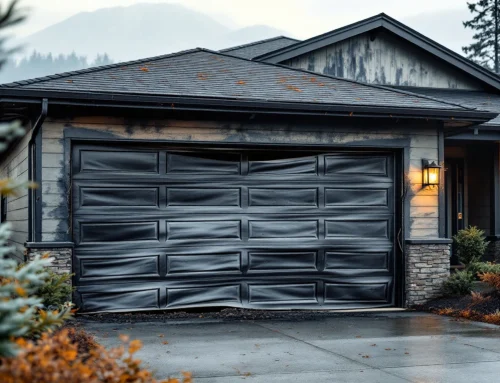
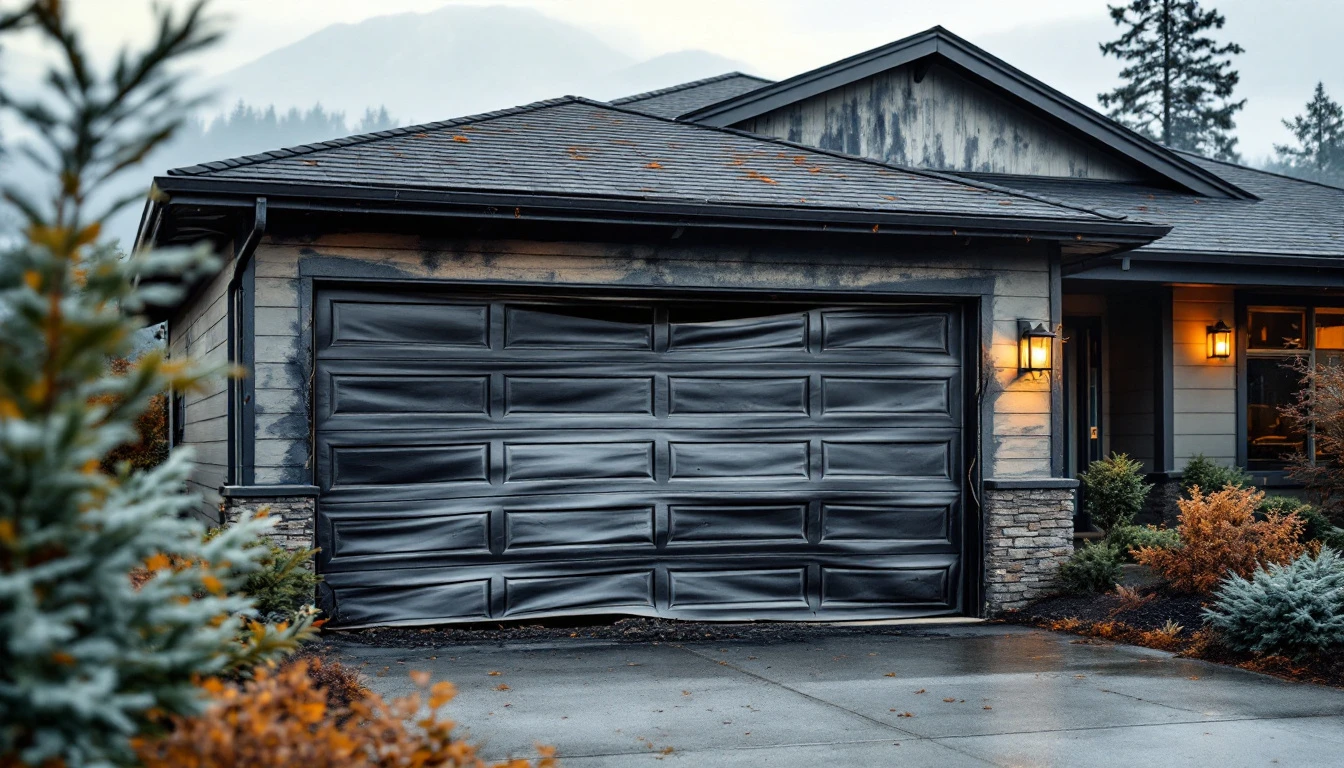
Heavy snow accumulation does more than just weigh down your garage door—it actively damages the panels and opener system. In Amboy and other foothill areas where 18-24 inches of snow can pile up, panels absorb tremendous pressure that creates dents, bends, and warping. These aren’t just cosmetic problems. Damaged panels lose their weatherproofing integrity. Allowing snow melt to seep through gaps and into your garage. The freeze-thaw cycles common to North Clark County winters make this worse, as water infiltrates compromised seals, freezes overnight, and expands the damage.
Your opener motor faces similar strain from heavy snow garage door opener problems. When snow loads the door, the motor works harder to lift the extra weight. You’ll notice the door opening slower than usual, or hear grinding and laboring sounds during operation. These warning signs indicate your opener is nearing burnout. Left unchecked, the motor will fail completely, often during the next heavy snowfall when you need it most.
Look for visible panel dents or bowing, especially after major snow events. Run your hand along weather seals to feel for gaps or compressed areas. Listen for unusual sounds when the door opens. Catching panel damage early prevents water infiltration and the cascading deterioration that follows. Understanding these damage patterns helps you intervene before a minor dent becomes a complete panel replacement or a strained motor becomes a dead opener.
Three Critical Pre-Winter Inspections
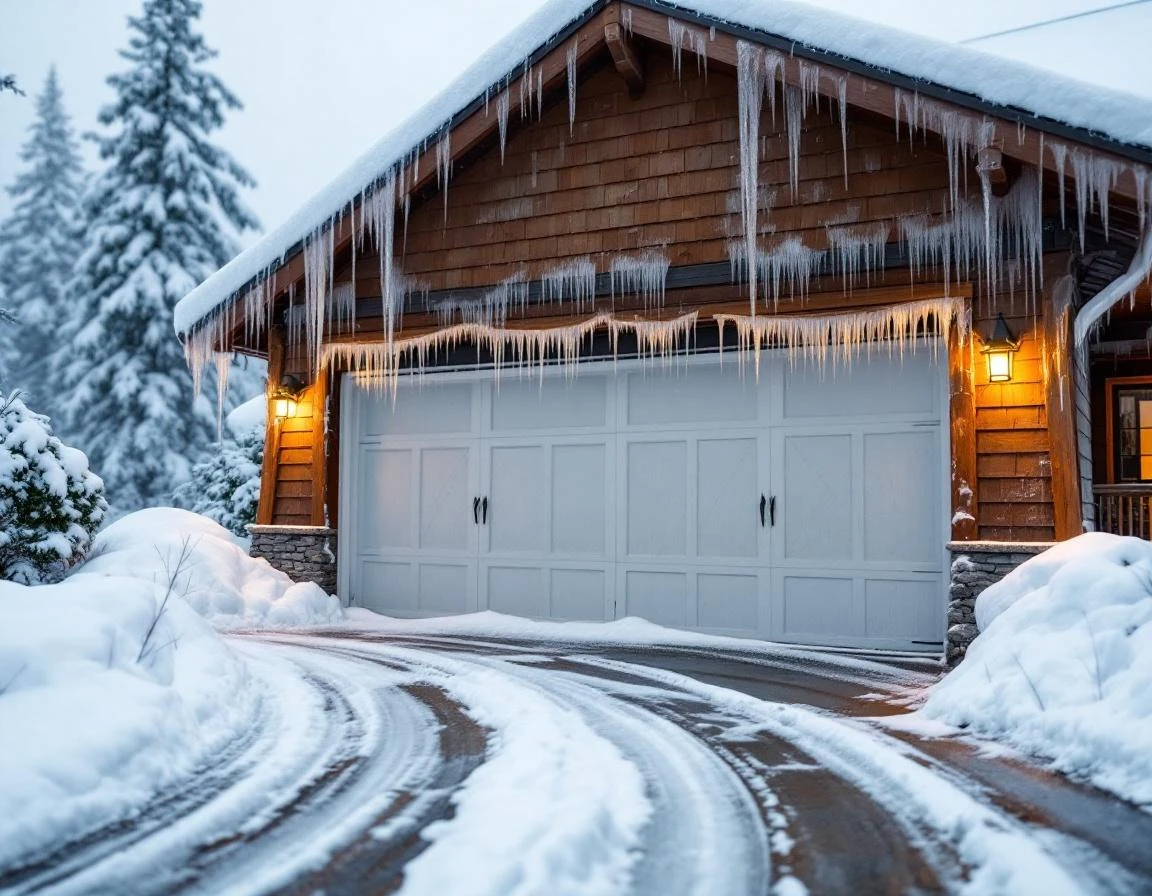
Before March snow hits the Amboy foothills, these three inspections serve as early warning systems that catch problems while they’re still manageable. A pre-winter garage door inspection foothills helps you avoid emergency repairs during peak snow season. You don’t need special tools or technical expertise—just a flashlight, a notepad, and about 20 minutes of your time.
- Task 1: Spring Tension Test. Stand inside your garage and visually inspect both torsion springs (the horizontal springs above the door). Look for oil residue dripping down the spring coils, which indicates internal wear. Check for rust spots or corrosion, especially where metal contacts metal. Finally, measure the spacing between coils with your fingers—gaps should be consistent from end to end. Uneven spacing means the spring is losing tension and working harder than it should.
- Task 2: Panel Integrity Check. Walk along your door panels from bottom to top, scanning for dents that could trap moisture, rust spots that signal weatherproofing failure, and gaps in the rubber weatherstripping. Press gently on the weatherstripping at the bottom—it should feel pliable, not brittle. These gaps let cold air and moisture penetrate, accelerating panel deterioration during heavy snow seasons.
- Task 3: Opener Performance Assessment. Disconnect the opener and manually lift the door halfway. It should stay put without drifting up or down. Reconnect the opener and run three full open-close cycles, listening carefully for grinding sounds or watching for jerky movement. These symptoms reveal motor strain before complete burnout occurs. Each inspection builds your confidence in spotting trouble early.
Spring Tension Evaluation
Your garage door springs carry enormous tension—never touch or adjust them yourself. Stand safely on the ground and look up at the springs mounted above the door. Healthy springs appear symmetric on both sides, with consistent spacing between coils and a shiny or lightly oiled surface. Are the coils evenly spaced, or do you notice gaps? Check the garage floor directly beneath the springs for oil drips or puddles, which signal that lubrication is escaping and the spring is wearing out.
Look for rust, pitting, or cracks along the spring’s length. These visual red flags indicate metal fatigue that can lead to sudden failure. Garage door springs snow damage in North Clark County happens faster when springs are undersized for local conditions. In the Amboy foothills, springs rated for lowland snow loads may already be undersized for the 18-24 inches of accumulation you experience, making this inspection especially important before March storms arrive.
Panel & Weatherstripping Check
After inspecting your springs, turn your attention to the door panels themselves. Walk along the entire door surface, examining each horizontal section for dents—even shallow ones. Small dents trap water and reduce the aerodynamic efficiency that keeps snow from building up unevenly. Look closely at bottom panels where snowmelt sits longest, checking for rust spots or paint bubbling.
Next, test the weatherstripping around the door’s perimeter. Press the rubber seals between your fingers—they should flex easily and spring back. Gaps as small as a quarter-inch allow water vapor and snowmelt inside during the freeze-thaw cycles common in the Amboy foothills. Run your hand along each seal, feeling for brittleness or separation from the door frame.
Use this quick checklist: inspect all panel sections for visible damage, test weatherstripping flexibility at jambs and bottom seal, note any spots where previous snow infiltration left water marks. These details reveal where moisture enters your garage during March storms.
Professional Service Timeline & Cost for Snow Load Garage Doors La Center
When should you call a professional?
Springs and opener electrical systems should always be handled by trained technicians—these repairs involve high-tension components and electrical risks that DIY approaches can’t safely address.
Your DIY inspections identify problems early, but professionals complete repairs safely and back their work with warranties that protect your investment.
Timing matters more than you might think. La Center homeowners should schedule professional inspections no later than early February, before the March snow rush overwhelms service schedules. In North Clark County, spring replacement typically costs $300-$600 depending on spring type and door size. That February appointment might save you serious money—emergency repairs during active snow events cost 40-60% more than pre-season service.
Here’s the financial logic: a spring replacement completed in February prevents an emergency call when your door fails during a March snowstorm. You’re already stuck at home during heavy weather—don’t add garage door failure to that situation. Panel replacement and opener repair follow similar pricing patterns, with emergency service premiums eating into your budget.
Ready to schedule your pre-season inspection? Contact Garage Harmony today to book your February appointment before the spring calendar fills up.
Next Steps: Scheduling & Preparation
You’ve now completed the critical groundwork: understanding how elevation-specific snow loads affect your garage door and identifying potential problems through hands-on inspections. The next step is turning that knowledge into action before March storms arrive.
Set a clear timeline for yourself.
Complete your DIY inspections by mid-February to leave adequate time for professional assessment if you discover concerning wear patterns.
By late February, contact local North Clark County service providers with specific findings from your inspections—photos of panel damage, spring condition notes, and any weatherstripping gaps you’ve documented. These details help technicians prioritize the most urgent repairs.
If your opener shows signs of motor strain or your springs display multiple wear indicators, plan for seasonal maintenance or replacement now. Waiting until equipment fails during a snow event means emergency rates and longer response times.
Understanding snow load ratings and structural considerations can help you make informed ddecisions about your garage door system. Garage door safety and building codes require careful consideration,…” wind-resistant provisions and standards provide important context for residential structures. Additionally, proper insulation in your garage reduces heating costs and protects against moisture infiltration during winter months.
Ready to schedule professional service? Contact Garage Harmony today to book your pre-season inspection and take control of your garage door’s winter readiness in the La Center area.