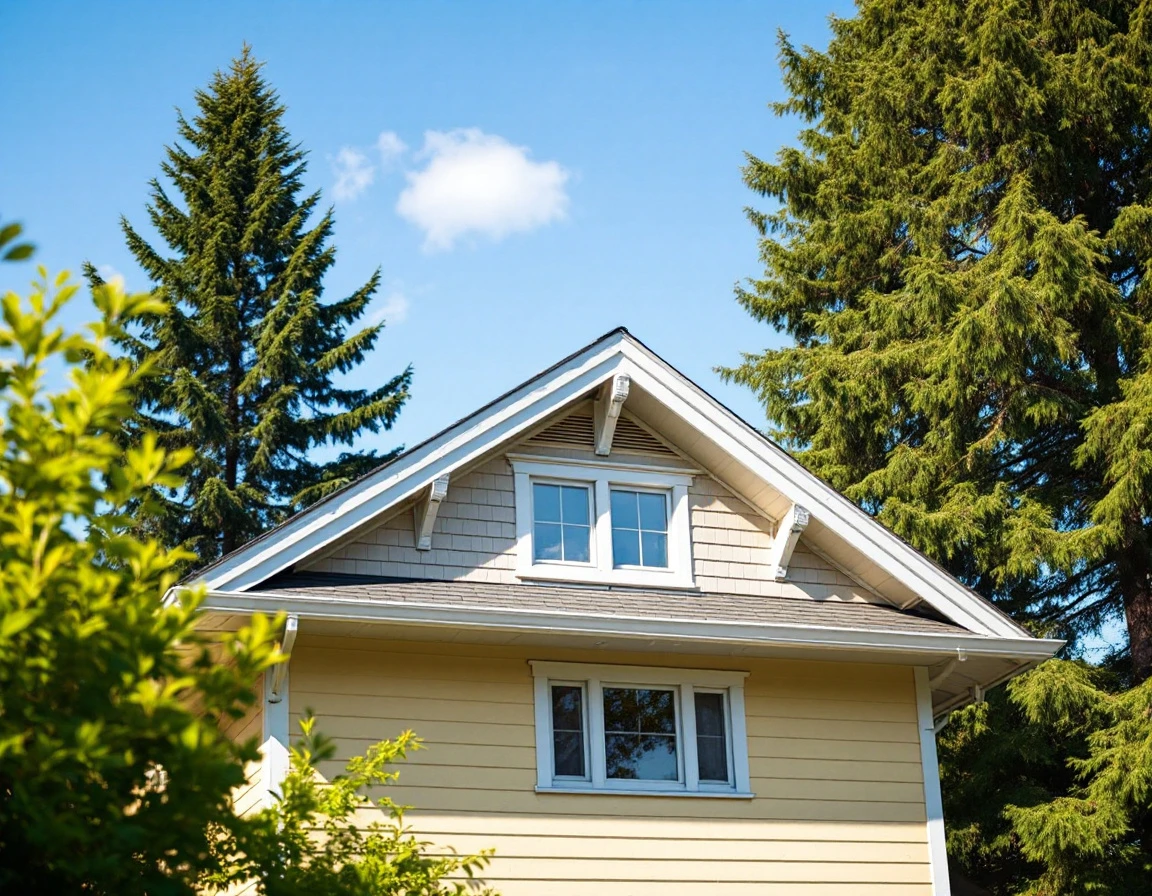
Summer Heat Impact on Attached Garages: How Garage Door Insulation Reduces Cooling Costs in Portland
Portland’s June-August heat waves push air conditioning systems into overdrive, driving energy bills upward as cooling demands peak during the region’s warmest months. Your attached garage becomes a heat collector during summer—and that heat radiates directly into your living space. Garage door insulation, weatherstripping, and ventilation are your first defense against Portland’s summer heat.
Portland’s June-August temperatures
Portland’s summer heat drives cooling costs higher than many homeowners expect. June through August temperatures routinely climb into the 80s and 90s°F. With heat waves pushing past 100°F in recent years. This creates intense demand on air conditioning systems that weren’t always standard in Pacific Northwest homes.
Direct sun exposure through windows and onto garage spaces amplifies the challenge. Unshaded surfaces can push indoor temperatures 10-15°F above outdoor readings. Turning attached garages into heat radiators that force your AC to work overtime. Which improvements matter most? Start where heat enters fastest—your garage door and garage space.
Uninsulated and poorly ventilated garages create heat that radiates into your home, forcing higher AC usage during peak months and driving up cooling costs.
Poor garage insulation and inadequate ventilation create a costly cycle during Portland’s summer months. Homes with uninsulated attached garages see 25-40% higher air conditioning bills during June through August compared to properties with insulated garage doors and proper thermal barriers. Heat gain—not inefficient equipment—drives the majority of summer energy waste across the metro area.
When outdoor temperatures climb into the 80s and 90s, uninsulated garage doors, walls, and ceilings absorb heat and radiate it indoors for hours. Your AC system runs constantly trying to compensate, burning through kilowatt-hours without ever catching up. Attached garages without thermal separation act as heat reservoirs, pushing warm air directly into adjacent living spaces and forcing cooling systems to work overtime.
Garage Insulation Upgrades by ROI: Garage Door and Attic Solutions
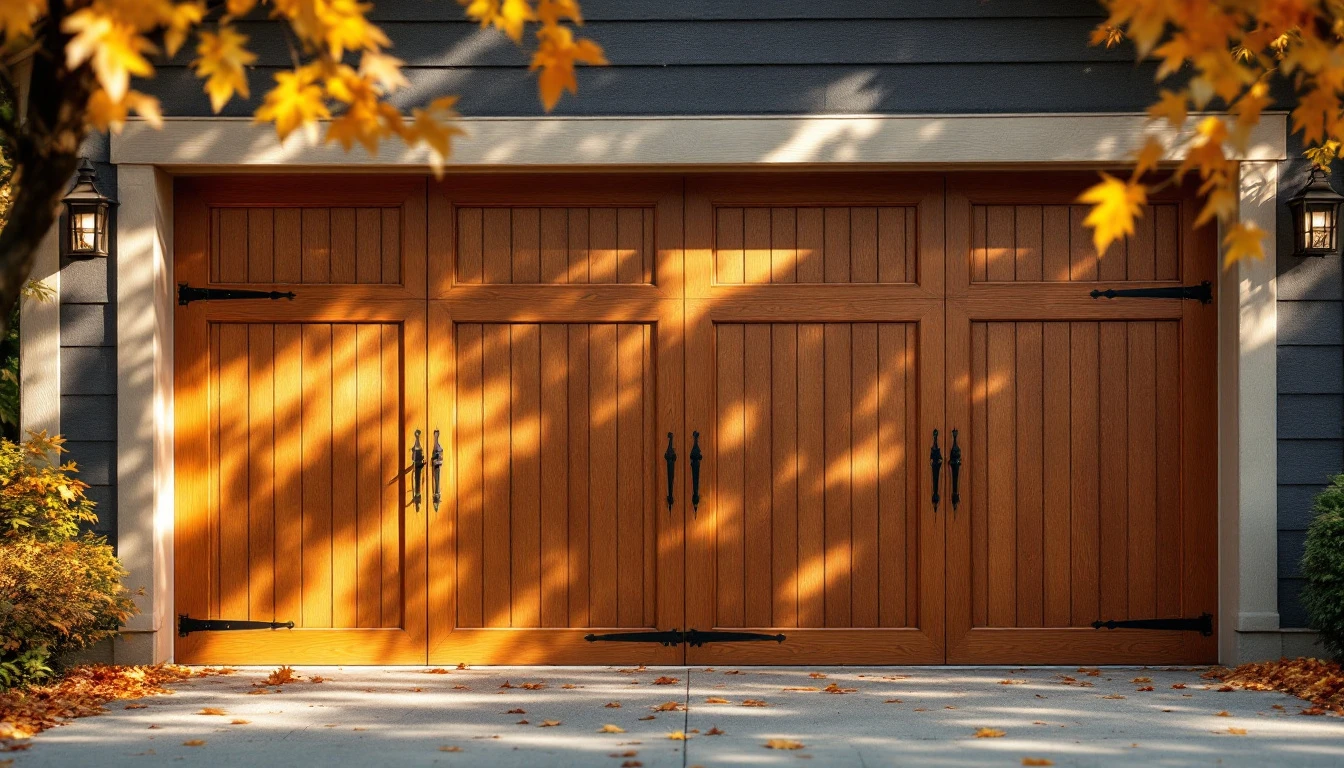
When Portland homeowners ask where to start with summer cooling improvements, we point to two places: your garage door and your attic above the garage. Insulated garage doors deliver fast payback because uninsulated metal doors absorb intense solar radiation during summer afternoons, turning your garage into an oven. Upgrading to an R-16 or R-18 insulated door stops that thermal transfer.
Why does garage door insulation pay off so quickly? Hot metal conducts heat directly into your garage space. When your garage hits 110-120°F during summer afternoons (common in Portland metro homes), that heat radiates through shared walls into living spaces. An insulated garage door creates a thermal barrier that keeps garage temperatures closer to outdoor air—reducing the heat load on your AC system. Most homeowners see payback within 18-24 months, especially in older Craftsman bungalows and mid-century ranch homes common throughout Pearl District and Laurelhurst.
Professional garage door insulation installation guarantees proper coverage and performance. Retrofit insulation kits for existing doors run $200-400 for DIY installation, while a new insulated garage door costs $1,200-2,500 installed. Either way, you’re looking at one of the best garage-related energy investments available. Contact Garage Harmony for a free assessment of your current garage door’s R-value and upgrade options.
Attic Insulation Above Garage Spaces: High-Impact Investment
Attic insulation above your garage requires more commitment than garage door upgrades, but the returns compound quickly. Heat rises, and during June through August, the attic space above your garage becomes a heat reservoir. Adding or upgrading to R-30 minimum stops heat from radiating down through your ceiling into garage and adjacent living spaces.
Garage attic insulation falls into moderate investment territory—payback within 2-3 years when combined with garage door insulation. The space above your garage radiates heat downward during summer months, and that heat transfers through shared walls into your home. R-value recommendations depend on your home’s age: pre-1960s homes often have zero insulation, while 1980s-newer construction may already have adequate insulation. An energy audit provides a clear picture of your garage’s current condition before you invest in improvements that might not be necessary.
Garage Ventilation Strategies to Beat Summer Heat
Can ventilation work without insulation? Not really—but together they’re powerful. Portland’s cool early mornings (6–9 AM) and evenings (7–10 PM) create the perfect window to flush heat from your garage. A powered attic ventilator installed above your garage can exhaust hot air in minutes, drawing cool outdoor air through garage windows or vents to pre-cool the space before the 10 AM heat arrives.
Think of it as resetting your garage’s temperature baseline. Instead of asking your AC to fight against a 95°F garage at noon, you start the day at 70°F. That temperature gap means less heat transfer through shared walls and lower bills during the June-August peak. Powered garage attic vents draw minimal electricity while moving massive volumes of hot air out of the space above your garage.
Garage Attic Ventilation Prevents Heat Accumulation
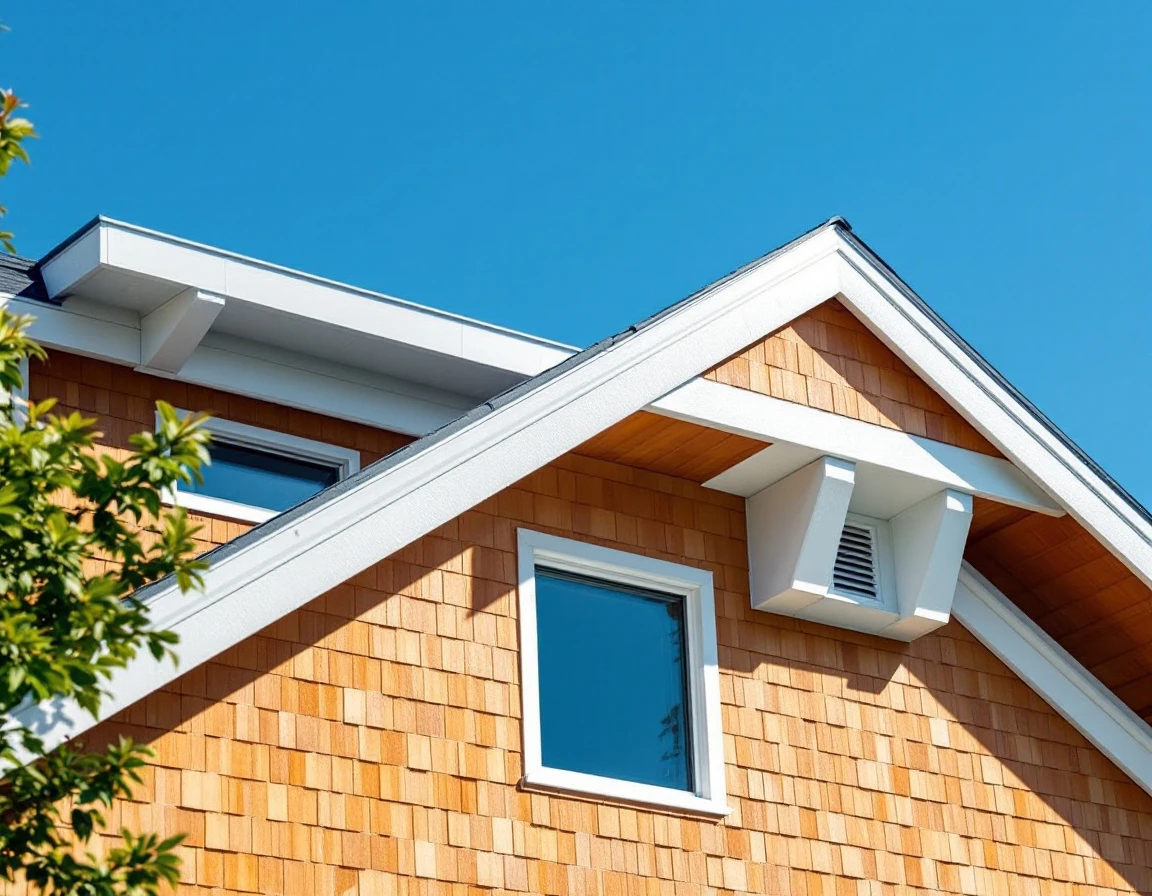
Your garage attic temperature can reach 140°F on a summer afternoon, radiating heat down through ceilings even with insulation. Ridge vents paired with soffit vents create passive airflow that exhausts hot air continuously—no electricity required. This convection loop keeps attic temperatures closer to outdoor air, reducing the thermal load on garage spaces below.
Portland’s ranch homes and Craftsman bungalows often have inadequate garage attic ventilation. Adding soffit vents requires cutting openings in eaves, while ridge vents need roof modifications. Our team at Garage Harmony can assess your garage ventilation during routine garage door service appointments and recommend the most cost-effective upgrades for your specific situation.
Garage Window and Door Ventilation Strategy
Cross-ventilation through garage windows and service doors creates pressure differentials that pull hot air out while drawing cool air in. Open upper garage windows to exhaust rising heat, and crack your service door on the shaded side to pull in cooler air. This works during spring and early fall when daytime highs stay below 80°F, extending your AC-free hours by weeks each year.
Seal your interior door between garage and home during peak heat to contain cooled zones in your living space. Open it during evening ventilation cycles to flush accumulated heat from the garage. This timing strategy works with Portland’s predictable temperature swings—typically 20–30 degrees between morning lows and afternoon highs.
Quick Wins for Your Budget
Before Portland’s June heat arrives, four budget-friendly garage upgrades can prepare your home for peak cooling season. These improvements work by blocking heat before it enters your living space, reducing the workload on your air conditioning system.
- Garage door weatherstripping replacement around the bottom, sides, and top sections. Air leaks allow hot outdoor air to infiltrate your garage continuously, and that heat transfers into your home through shared walls. Fresh weatherstripping on your garage door creates a continuous seal that keeps hot air outside where it belongs. Learn more about proper weatherstripping installation techniques to get maximum effectiveness.
- Reflective garage window film or cellular shades tackle the second major heat source: direct solar gain through garage windows. South and west-facing garage windows collect intense afternoon heat, raising garage temperatures even when you’re running the AC. Quality window film blocks infrared radiation while maintaining visibility, while cellular shades trap heat in their honeycomb structure. Both options reduce solar heat gain—treat windows that receive afternoon sun exposure first.
- Garage door insulation panels address hidden efficiency drains in most Portland garages. Uninsulated garage doors absorb solar radiation and conduct heat directly into your garage space. Retrofit insulation panels or a new insulated garage door stop heat transfer at the source, keeping garage temperatures 10-20°F cooler on hot afternoons.
These upgrades compound when combined. An insulated garage door blocks solar heat, while weatherstripping seals air gaps and window treatments reduce direct sun exposure. Most homeowners complete weatherstripping and window film projects in a weekend, with typical payback occurring within the first cooling season.
Portland-Specific Cooling Efficiency
Portland’s climate offers homeowners a unique advantage for cooling efficiency. According to 30-year climate normals from the National Weather Service, June through August brings daytime highs in the 80s and 90s°F, but nighttime temperatures consistently drop into the 50s and 60s. This temperature swing creates exceptional opportunities for passive cooling that simply don’t exist in hotter inland regions where nights stay warm.
The Portland metro’s housing stock makes this climate advantage even more important. Most homes were built between 1960 and 1990, predating modern energy codes. These properties typically have uninsulated garage doors and minimal garage attic insulation—creating pathways for heat to flow freely into living spaces during hot afternoons. When you combine aging construction with intense solar radiation during long summer days, attached garages become major heat sources.
Regional microclimates also affect cooling strategies. Homes in the West Hills face prolonged afternoon sun exposure as they sit on west-facing slopes, while properties in the downtown urban core experience heat island effects from pavement and buildings that radiate warmth well into the evening. Understanding your specific microclimate helps you time garage ventilation windows more effectively.
Portland’s lower humidity compared to the Oregon coast makes another difference: passive cooling methods actually work here. Those cool nights mean opening garage windows after sunset can flush out accumulated daytime heat without running your air conditioner. Does garage insulation reduce summer cooling costs when paired with smart ventilation timing? Absolutely—this natural cooling window is why Portland homeowners can achieve measurable cooling cost reductions faster than residents in regions where nights stay hot and humid.
Getting Started This June
Ready to reduce your cooling costs before Portland’s hottest months arrive? Start with a simple garage assessment—walk through your garage on a warm afternoon and note where you feel heat radiating from the garage door, walls, or ceiling. Pay special attention to the shared wall between your garage and living spaces, since this area typically shows the most dramatic temperature transfer.
Once you’ve identified your biggest heat gain points, follow this prioritized action plan:
- Begin with low-cost garage door weatherstripping and window treatments—new bottom seals, side seals, and reflective film can be completed in one weekend for under $200.
- Next, tackle garage door insulation. Which offers fast payback. Determine whether you’ll add retrofit panels to your existing door or upgrade to a new insulated garage door with professional installation from Garage Harmony.
- Finally, schedule garage ventilation upgrades like powered attic vents or additional garage windows.
Timing matters in Portland’s competitive home improvement market. Contact Garage Harmony in early June before the summer booking surge—our team fills its calendar by mid-July when heat waves drive urgent service calls. For DIY weatherstripping projects, cooler June mornings provide comfortable working conditions compared to August afternoons.
Track your progress by saving your May and June utility bills as baselines, then compare them to July and August bills after completing your upgrades. This simple before-and-after comparison lets you verify your actual savings and identify which improvements delivered the most value for your specific home.
Ready to get your Portland garage ready for summer heat? Contact Garage Harmony today for a free garage door and ventilation assessment. Our experts will identify which improvements deliver the fastest cooling relief for your home. Schedule your consultation now.