New vs. Older Garage Door Systems
Modern garage doors differ from older models in technology, materials, and maintenance needs—distinctions that directly affect performance and repair costs. For homeowners in Ridgefield, understanding modern garage door maintenance can prevent costly repairs and extend system lifespan by years.
Modern 2-3 car garages in Ridgefield feature
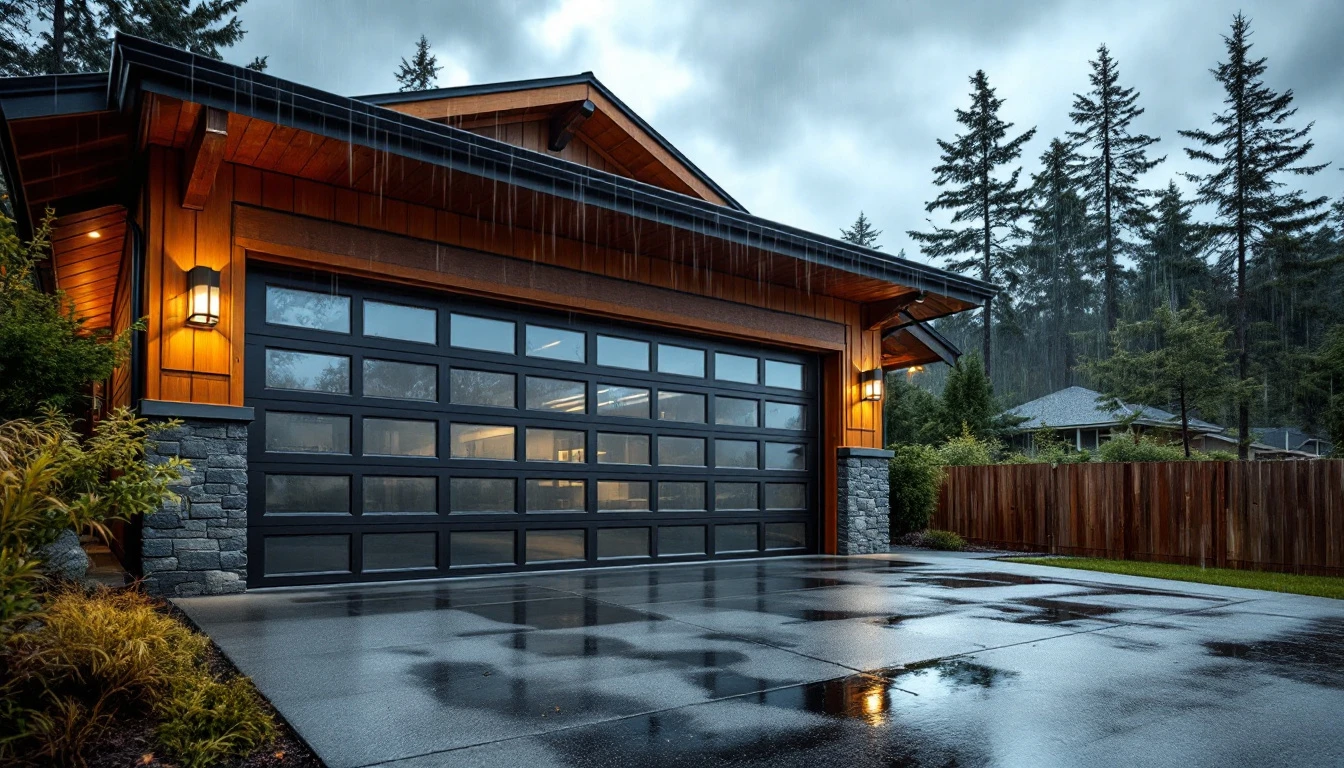
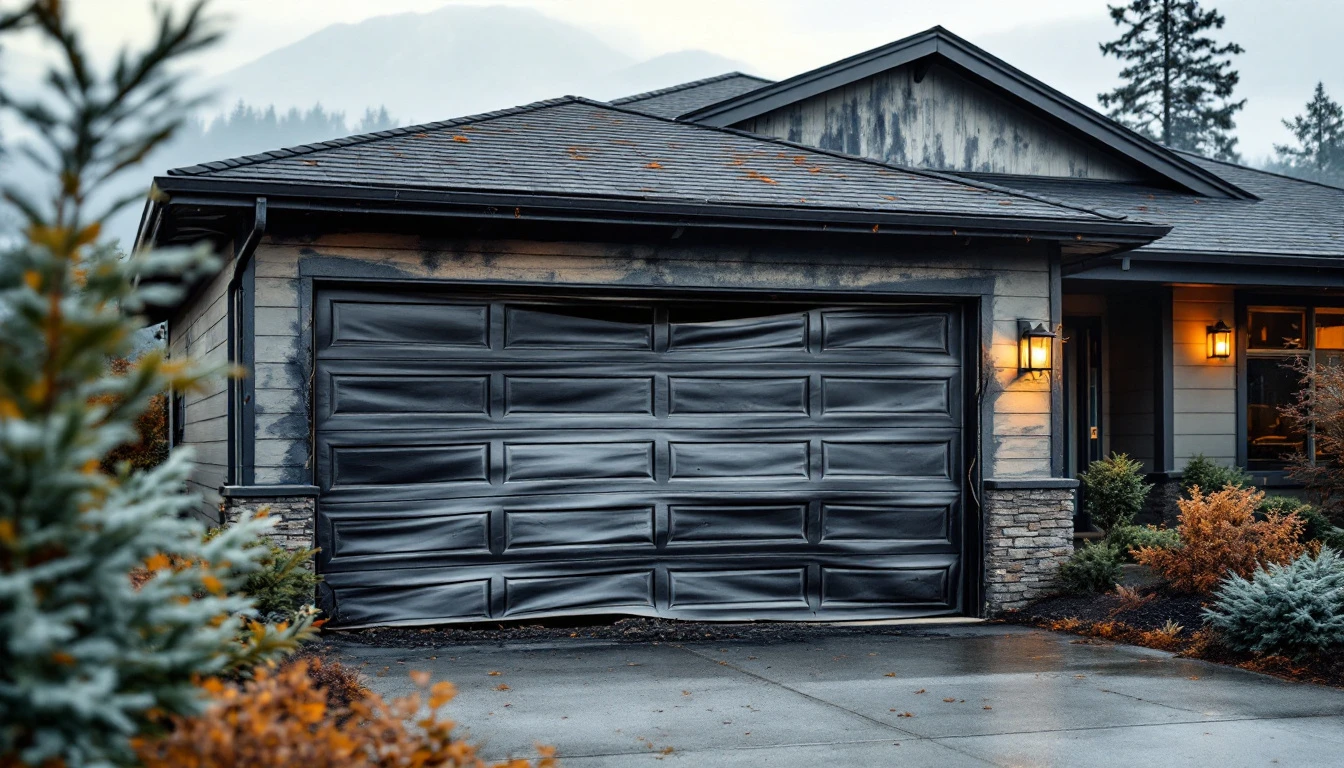
Modern 2-3 car garages in Ridgefield’s newer communities like Discovery Ridge and Union Ridge come equipped with smart openers. Advanced spring systems, and integrated weatherstripping—technology absent in older doors. These newer systems require different maintenance protocols than vintage doors found in older neighborhoods.
Smart openers need regular software updates to maintain security features and remote access functionality. Modern torsion springs use different tension adjustment methods than older extension springs, requiring specialized tools and knowledge. Weatherstripping on newer doors must handle the Pacific Northwest’s wet winters differently, with better sealing materials designed for sustained rain exposure rather than the basic vinyl seals common in older installations.
Understanding These Differences Prevents Costly Repairs
Knowing whether you have a modern smart opener or an older chain-drive system changes everything about maintenance schedules. Customizing care to your specific equipment type prevents emergency repairs and extends lifespan by five to ten years, protecting your investment in your Ridgefield home.
Smart Garage Door Opener Care
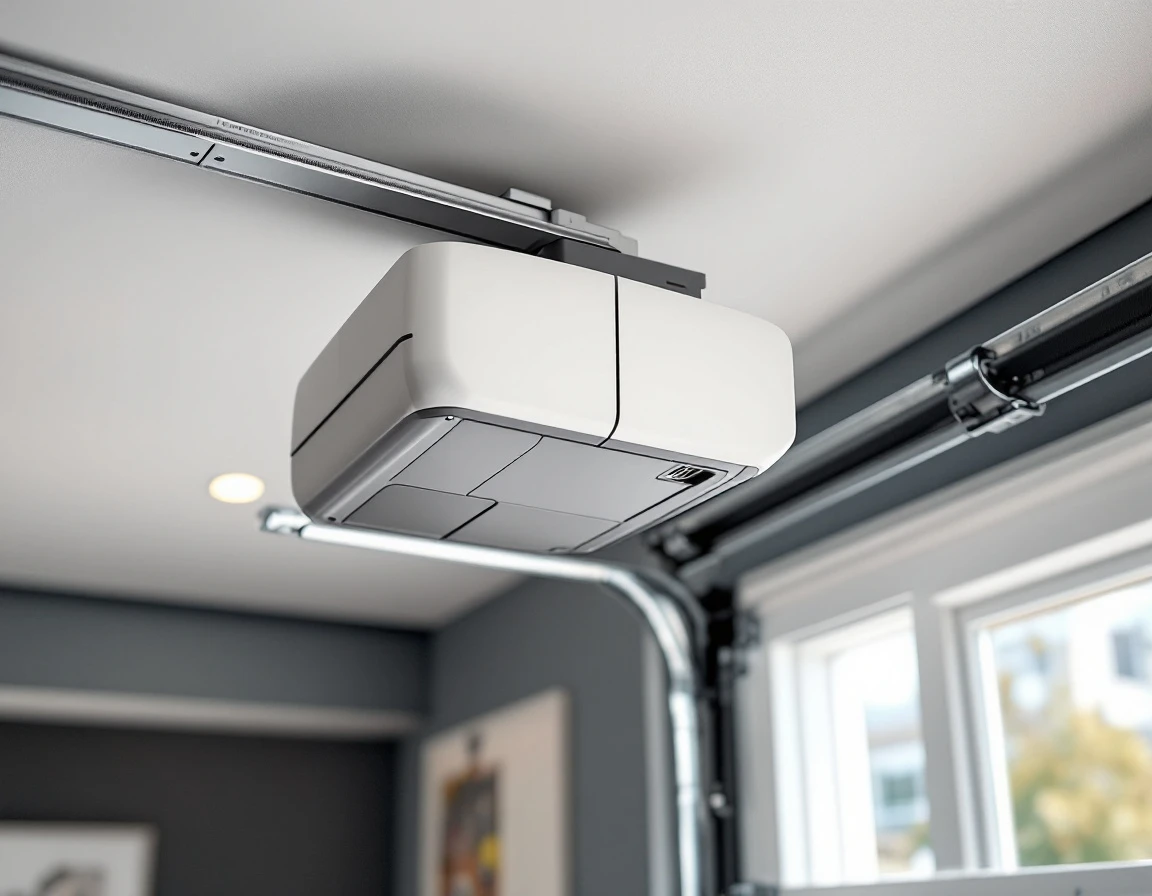
Modern smart garage door openers from manufacturers like LiftMaster, Chamberlain, and Genie require a completely different maintenance approach than the simple motor units found in older Ridgefield homes. These Wi-Fi-connected systems need firmware updates two to three times per year to maintain security protocols and prevent connectivity issues. You can perform these updates directly through your mobile app—a feature that didn’t exist in older opener models.
Battery backup systems represent another critical difference between old and new technology. These backup units keep your door operational during power outages, but they need quarterly testing and battery replacement every three to four years. For Ridgefield homeowners, June is the ideal month to check battery status before October through March wet season arrives. A failed backup battery during winter storms means you’re locked out when you need access most.
Sensor alignment and Wi-Fi connectivity checks prevent the false alarms and emergency service calls that plague poorly maintained smart systems. Unlike older openers that simply moved the door up and down, modern units communicate constantly with safety sensors, smartphone apps, and home automation systems. When sensors drift out of alignment during Ridgefield’s wet winters, your opener may refuse to close or send unnecessary alerts. Regular verification of sensor positioning and network connectivity keeps your system running smoothly through storm season.
Modern Garage Door Spring Systems
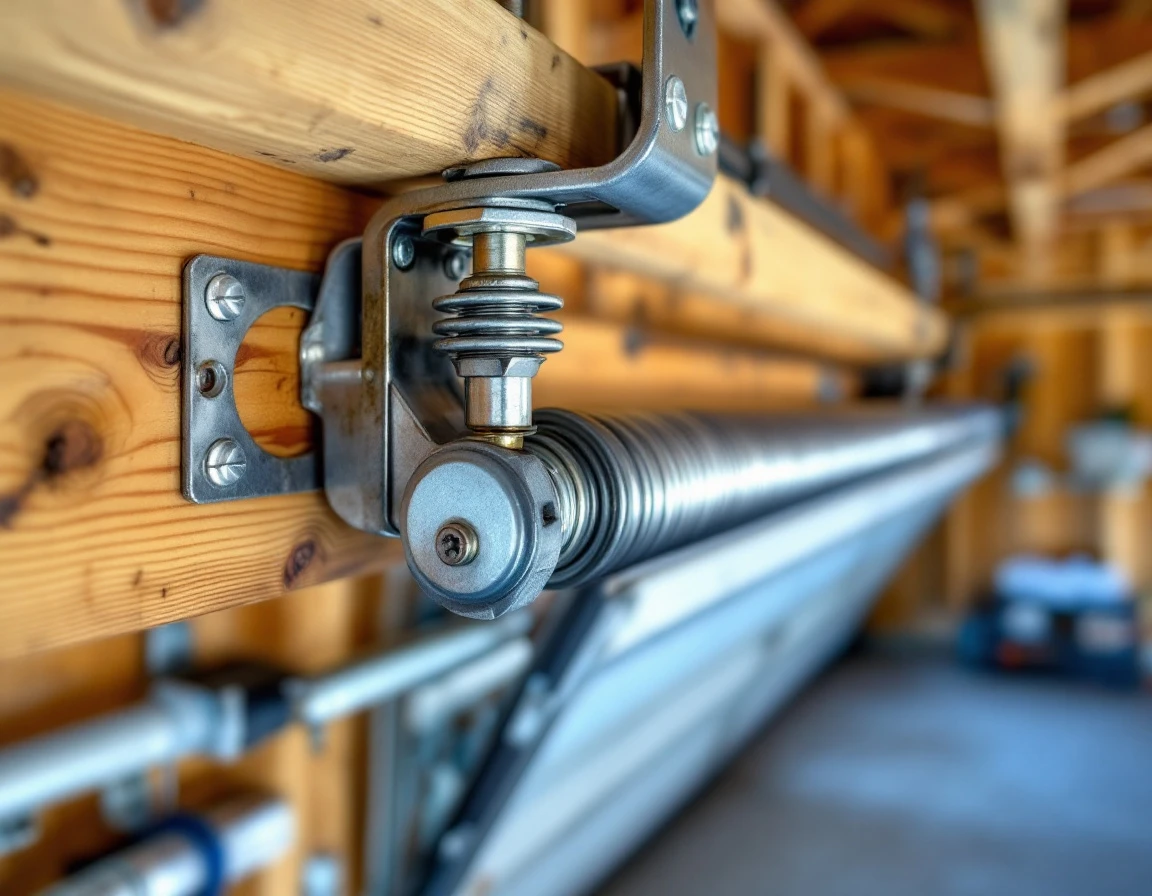
If your Ridgefield home was built in the last decade, it likely features torsion spring systems rather than the older extension springs found in pre-2000s construction. These advanced coil systems mount horizontally above your garage door opening and use torque to lift the door—a design that distributes weight more evenly and reduces wear on door panels. Unlike extension springs that stretch along the side tracks, torsion springs require annual tension checks to prevent imbalance that causes uneven door movement and premature component failure.
Modern torsion springs come rated for 10,000-20,000 cycles depending on quality, which translates to roughly 7-15 years for most homeowners. You can extend this lifespan by lubricating the springs every six months with garage door-specific lubricant—not WD-40, which attracts dust and grime. June presents an ideal window for mid-year spring maintenance before the rainy season increases door usage. Apply lubricant to the coils while manually operating the door to work the product throughout the spring length.
What can you safely inspect yourself? Visual checks for rust or corrosion along the spring coils and the balance test using your manual release handle. Disconnect the opener, lift the door halfway, and release—it should stay in place without rising or falling. What requires professional service? Anything involving tension adjustment or spring replacement. These springs hold extreme force even when the door is closed, creating serious injury risk for untrained homeowners.
Avoid rapid open-close cycles during winter months, as temperature swings stress metal components and shorten spring lifespan.
Garage Door Weatherstripping for Wet Winters
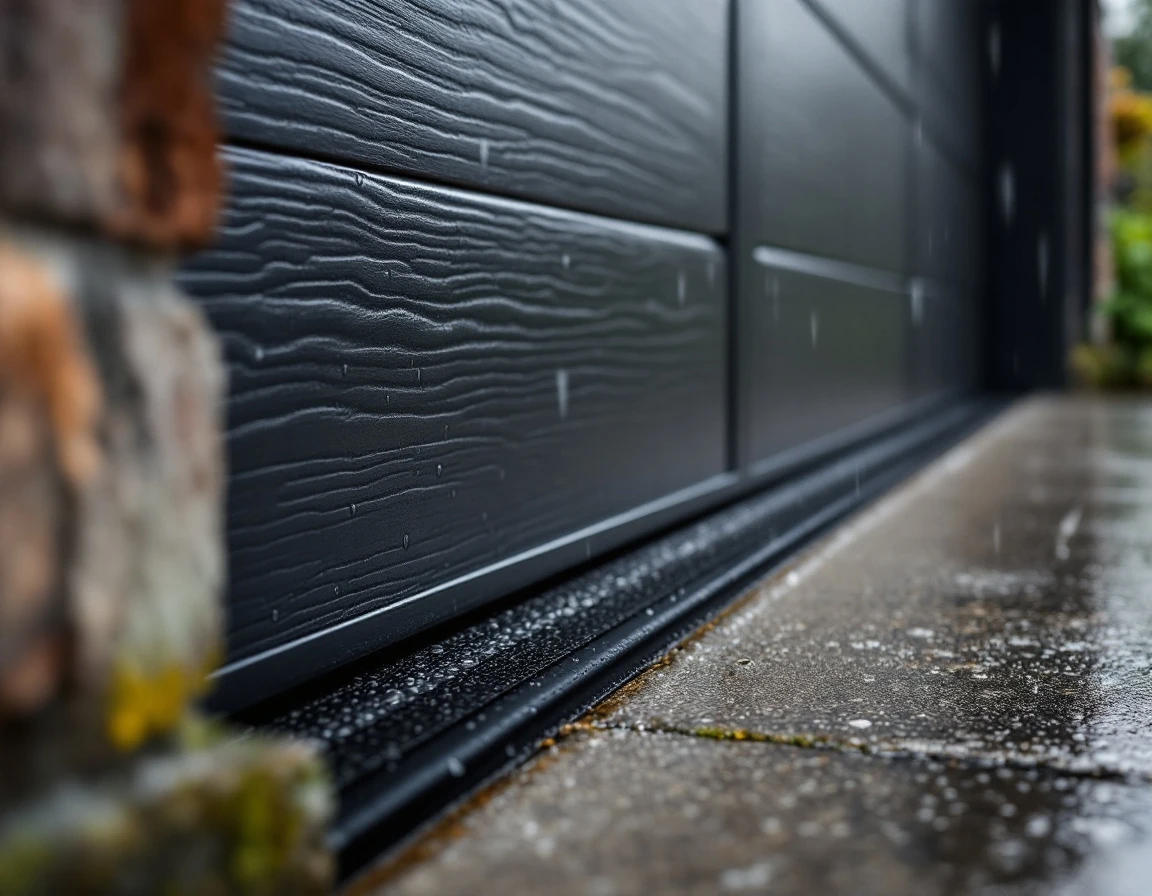
Ridgefield’s climate delivers over 40 inches of annual rainfall concentrated between October and March, creating conditions that test every garage door seal. Modern weatherstripping installed in new construction homes uses advanced rubber gaskets and vinyl seals engineered for energy efficiency, but these materials respond differently to Pacific Northwest humidity than the simple rubber strips found on older doors. The same moisture that kept forests green degrades synthetic seals faster than homeowners expect.
Inspect your weatherstripping every six months by visually examining the bottom seal when your door is closed. Look for gaps exceeding 1/4 inch. Visible cracks in the rubber, or sections that feel hard rather than flexible when pressed. Modern seals that have lost their pliability no longer form an effective barrier against water intrusion. Check the side and top weatherstripping as well—newer doors often include these additional seals that older models lacked.
June presents the ideal replacement window. Completing weatherstripping replacement before the rainy season begins in July means your garage is protected when fall storms arrive. Proper sealing prevents water from pooling inside your garage, which eliminates conditions that cause mold growth on stored items and vehicles. It also reduces heating costs during winter months by preventing drafts—a properly sealed garage maintains more stable temperatures.
The cost-prevention benefit is clear: replacing worn weatherstripping is an inexpensive maintenance task, while repairing water damage to drywall, insulation, and stored belongings becomes a costly emergency. Mold remediation compounds these expenses further. This simple upkeep protects both your investment and your stored property.
Seasonal Maintenance Schedule
June marks the perfect starting point for your year-round modern garage door maintenance in Ridgefield. During this mid-year window, test your smart opener’s battery backup system to confirm it functions before fall storms arrive. Lubricate all moving parts including springs, hinges, and rollers using a silicone-based spray. Inspect weatherstripping along the bottom seal and side tracks—if you notice cracks, brittleness, or gaps, replace seals now before the rainy season begins. These simple tasks can be handled as DIY maintenance or entrusted to professional service, both representing wise investments that help you avoid costly emergency repairs down the road.
From July through September, shift your focus to frequent-use monitoring. Check sensor alignment weekly, especially if children or guests use the door regularly during summer activities. After each rainfall, inspect weatherstripping for water seepage—early fall rains test your seals before winter’s heavy downpours arrive.
October through March represents Ridgefield’s intense rainy season. Inspect tracks and rollers monthly for rust, corrosion, or water damage. Monitor spring tension after freeze-thaw cycles, as temperature fluctuations affect metal performance. Clear debris and standing water from weatherstripping grooves to maintain proper sealing. For detailed maintenance procedures on each component, refer to the checklist sections covering smart openers, torsion springs, and weatherstripping throughout this guide.
When to Call a Professional
Knowing which tasks you can safely handle yourself—and which require professional expertise—protects both your budget and your safety. Modern smart openers and torsion spring systems have specific hazards that differ from older garage doors, making this distinction especially important for Ridgefield’s newer homes.
You can confidently tackle these maintenance tasks yourself:
- Firmware updates for smart openers
- Battery backup testing
- Weatherstripping replacement
- Visual spring inspections for wear or rust
- Sensor alignment checks
These low-risk activities keep your system running smoothly without specialized tools or training.
However, always call Garage Harmony or another qualified professional for:
- Spring replacement or tension adjustment
- Cable repair
- Motor replacement
- Track realignment
- Any work involving door removal
Here’s a cost-prevention insight many homeowners miss: addressing minor issues like loose hardware or worn weatherstripping within six months prevents emergency repairs exceeding $1,000 during wet winters. When moisture enters through damaged seals or stressed components fail during storms, the resulting damage escalates quickly.
Contact us today if you’ve noticed any warning signs during your visual inspections—early professional intervention saves money.