Why Fall Leaves Damage Garage Doors
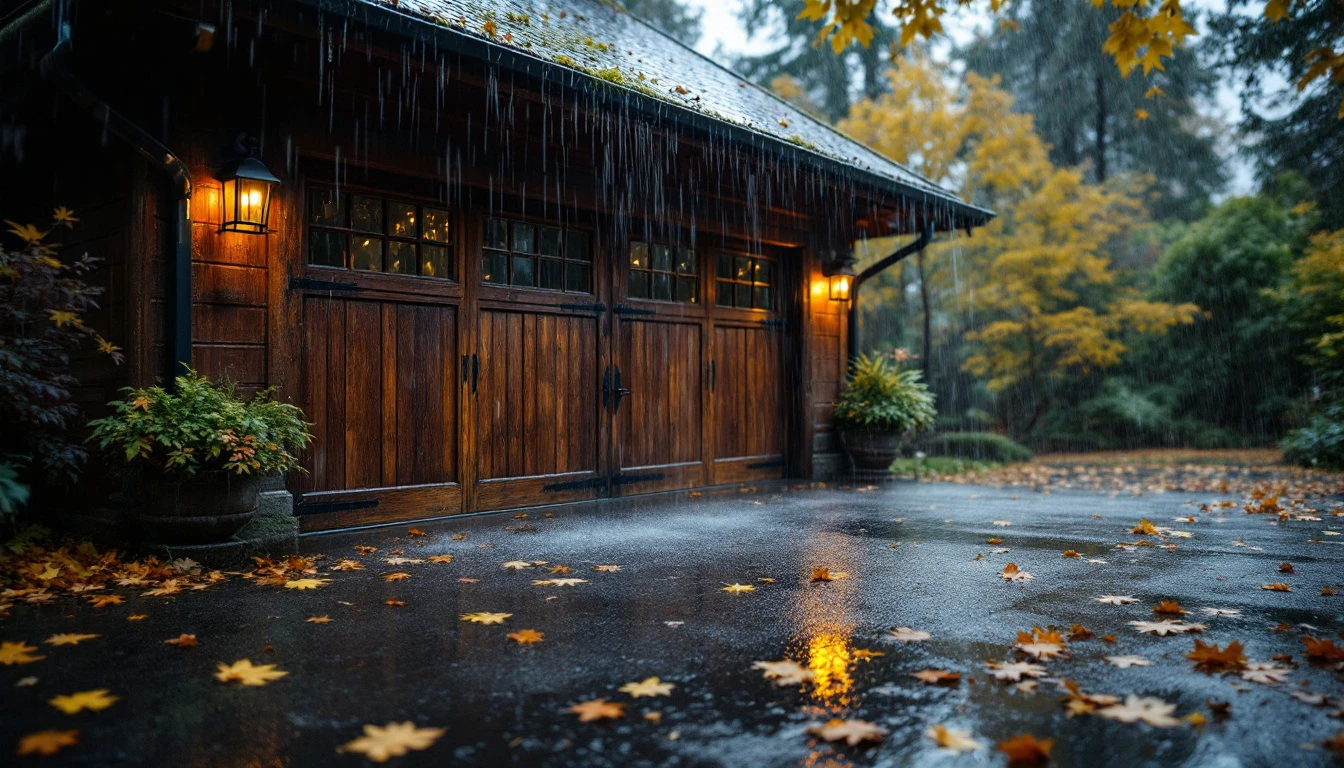
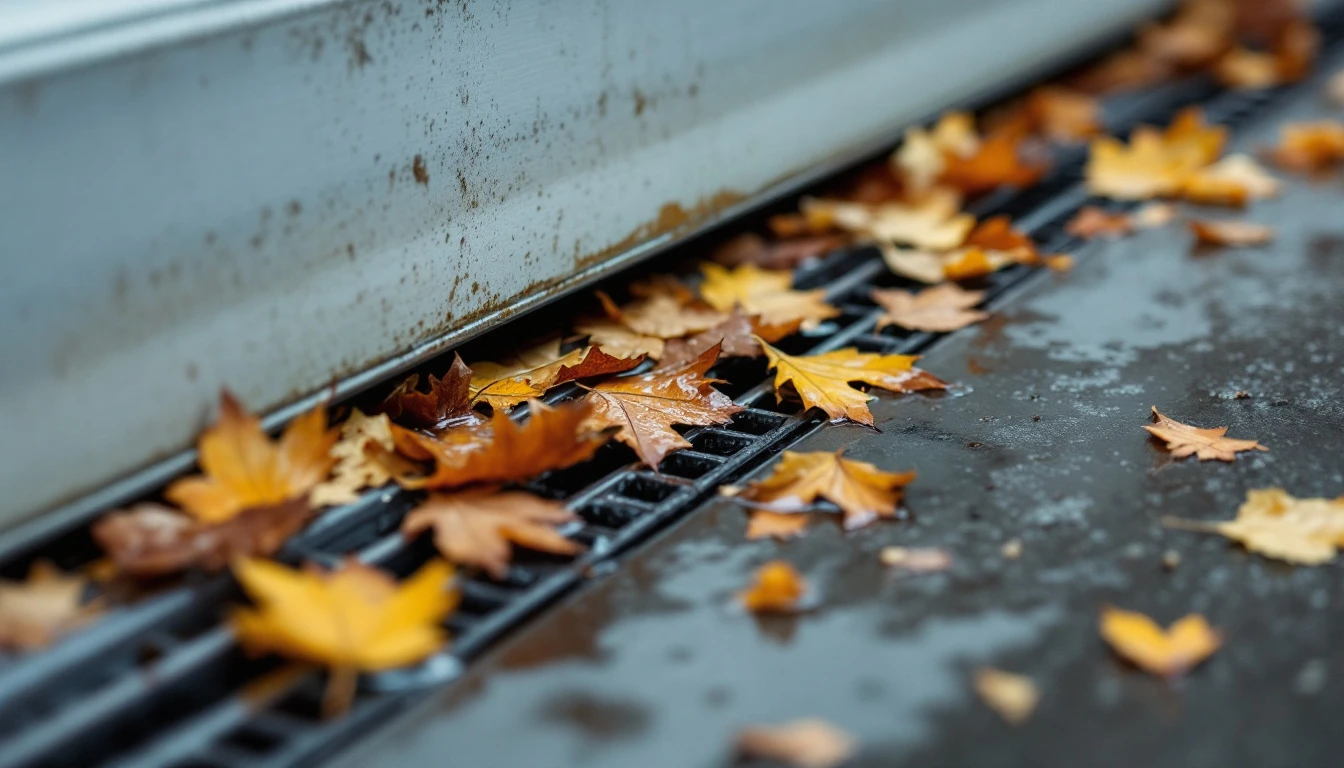
Wet leaves clogging garage door tracks and floor drains create moisture traps that corrode metal components and warp door seals. In Portland’s rainy climate, this debris turns into a soggy mess that invites rust, mold, and mechanical failure. When leaves clog floor drains garage debris builds up fast, accelerating damage to your door system during autumn.
Clogged tracks prevent smooth door operation
When fall leaves and debris accumulate in your garage door tracks, the door can’t glide smoothly along its intended path. This creates binding stress on springs and cables as the opener forces the door to move despite resistance. That extra strain accelerates wear on these components and can lead to unexpected failures during Portland’s busy October weather shifts.
Standing water in tracks and floor drains during October rains compounds the problem. Water trapped in metal tracks causes rust and corrosion that pits the metal surface, making smooth operation nearly impossible. Floor drain clogs allow water to pool around your foundation, creating erosion issues that extend far beyond the garage door itself.
Emergency repairs for stuck doors and water
When neglected leaf debris causes garage doors to stick or water damage to your foundation, you’re looking at emergency repair bills ranging from $300 to $1,500 or more.
Compare that to preventive cleanup, which costs under $50 in basic supplies and an afternoon of work.
Portland metro homeowners face particular vulnerability during our fall season, when leaf drop extends 8+ weeks from September through November. Creating repeated opportunities for blockages right before October rains arrive. A simple cleaning routine before the weather turns can save you from costly emergency service calls.
Where Leaves Accumulate Most
Knowing where to look makes all the difference. Your garage door system has several vulnerable zones where leaves settle and stay, creating the conditions for water damage and mechanical failure.
- Track channels are the number one trouble spot. These vertical rails on both sides of your garage door feature bottom corners that act like catch basins. Gravity pulls leaves down into these corners, where they combine with rainwater to form a debris slurry that corrodes the metal and prevents smooth roller movement. Water pools in these tight spaces rather than draining away.
- Your floor drains and threshold areas create natural collection points where leaves accumulate during wind and rain. When these drain surrounds get clogged, October’s heavy rainfall has nowhere to go—backing up against your foundation and into the garage itself. The door threshold becomes a dam rather than a drainage path.
- Weatherstripping gaps and door bottom seals trap leaves between the rubber and concrete, preventing proper water runoff. These compressed organic materials hold moisture against metal components, accelerating rust formation even after rain stops.
- Portland metro homes face varying degrees of this problem depending on lot slope and tree proximity. Properties on downhill grades often see leaves wash down from upslope landscaping, while homes near mature maples and oaks deal with heavier debris loads. Attic or soffit vents near your garage can funnel wind-driven leaves directly onto the door area during autumn storms, concentrating the problem in specific zones.

September Debris Cleanup Steps
Why start mid-September? The leaves are still dry and far easier to sweep away than once October rains turn them into sticky mush. By tackling cleanup now, you create a buffer before the heavy weather arrives, keeping your tracks and drains clear when they need it most. Plan to repeat this process every two to three weeks through November as leaves continue to fall.
Most homeowners already have the tools you need: a handheld vacuum or shop vac, a shop broom, compressed air (canned or compressor), a gutter scoop, a drain snake (hand-cranked or powered), a wire brush, and safety glasses.
With this simple kit, you can handle both track and drain maintenance in under an hour.
Start with the garage door track debris by vacuuming loose leaves from the vertical and horizontal rails using your shop vac’s crevice attachment to reach deep corners. Next, use the wire brush to scrub the interior rails where rollers travel, removing caked-on dirt and leaf residue. Follow with a low-pressure water spray to flush remaining particles—avoid high pressure that could force water into mechanical components. As you clean, inspect carefully for bent rails, rust spots, or unusual buildup that signals alignment problems. These issues require professional attention before they worsen.
Move to clearing leaves from your garage floor drain next. Remove visible debris by hand or with a gutter scoop, then use a wet-dry vacuum to pull out deeper blockages from the drain opening. For stubborn clogs, work a hand-cranked snake down the pipe in a circular motion until it breaks through. Test your work by pouring a bucket of water into the drain—it should flow freely without backing up. If water pools or drains slowly after clearing, you may have a deeper blockage that needs professional equipment.
During cleanup, pay attention to what you find. Excessive rust, cracked drain grates, or doors that bind even after cleaning signal problems beyond DIY maintenance. That’s when calling in experts prevents small issues from becoming expensive emergencies.

DIY vs Professional
Most Portland homeowners can safely handle September leaf cleanup without professional help. The task requires only basic household tools, takes under an hour, and poses minimal risk when you follow proper safety steps. If your inspection reveals dry leaves in tracks, light debris around floor drains, and no visible damage to components, this is a perfect DIY project that saves you the cost of a service call.
But what should prompt you to call Garage Harmony instead of tackling the work yourself? Three red flags during your inspection tell you it’s time for professional help. First, if cleaning the tracks reveals bent rails. Cracked rollers, or frayed cables. Don’t attempt repairs on your own—garage door components operate under high tension and require specialized tools. Second, if you clear a floor drain and water still pools on the garage floor, you’re dealing with a blockage deep in the drainage system or a grading issue that needs expert diagnosis. Third, if you notice rust patches on springs, corrosion on bottom panels, or water stains that suggest long-term moisture exposure, a technician should assess whether damage has already compromised your door’s function.
Think of September cleaning as both maintenance and inspection. The routine removal of leaves and debris? That’s well within your capabilities. But the cleanup process gives you eyes on potential problems before they turn into emergency repairs during October’s first heavy rain. When your inspection uncovers damage, drainage failure, or mechanical wear, professional evaluation protects your investment and keeps your family safe. Contact us today if you spot any of these warning signs during your fall cleaning.
Portland Metro Seasonal Checklist
Want a simple calendar you can follow year after year? This seasonal schedule ties each maintenance task to Pacific Northwest weather patterns so you know exactly when to act—and why timing matters.
- Mid-September: Complete your first debris clearing while leaves are still dry and easier to sweep. Inspect tracks for visible debris and test floor drains with a bucket of water to confirm they flow freely. Dry conditions make this the easiest cleanup of the season.
- Early October: Perform your second cleaning before Portland’s major rain arrives. Check all weatherstripping and door seals for gaps where moisture could enter. This is your last chance to work in dry conditions before the wet season begins.
- Mid-November: Conduct your final fall cleanup after the heaviest leaf drop is complete. Verify that floor drains still flow freely and clear any accumulated debris from track corners. This prevents standing water issues through winter.
- Spring (April): Schedule a post-winter inspection to catch any water damage or corrosion that developed during months of rain. Look for rust spots, mineral deposits, or drainage problems that need attention before next fall.
Following this timeline prevents the emergency calls that fill Portland repair schedules every October and November—calls that cost homeowners hundreds of dollars for problems that simple seasonal maintenance would have avoided.