Hillside Settling: Signs
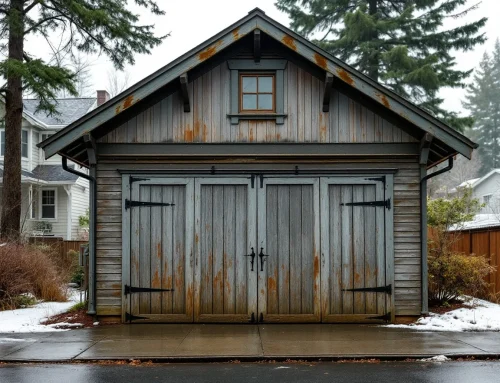
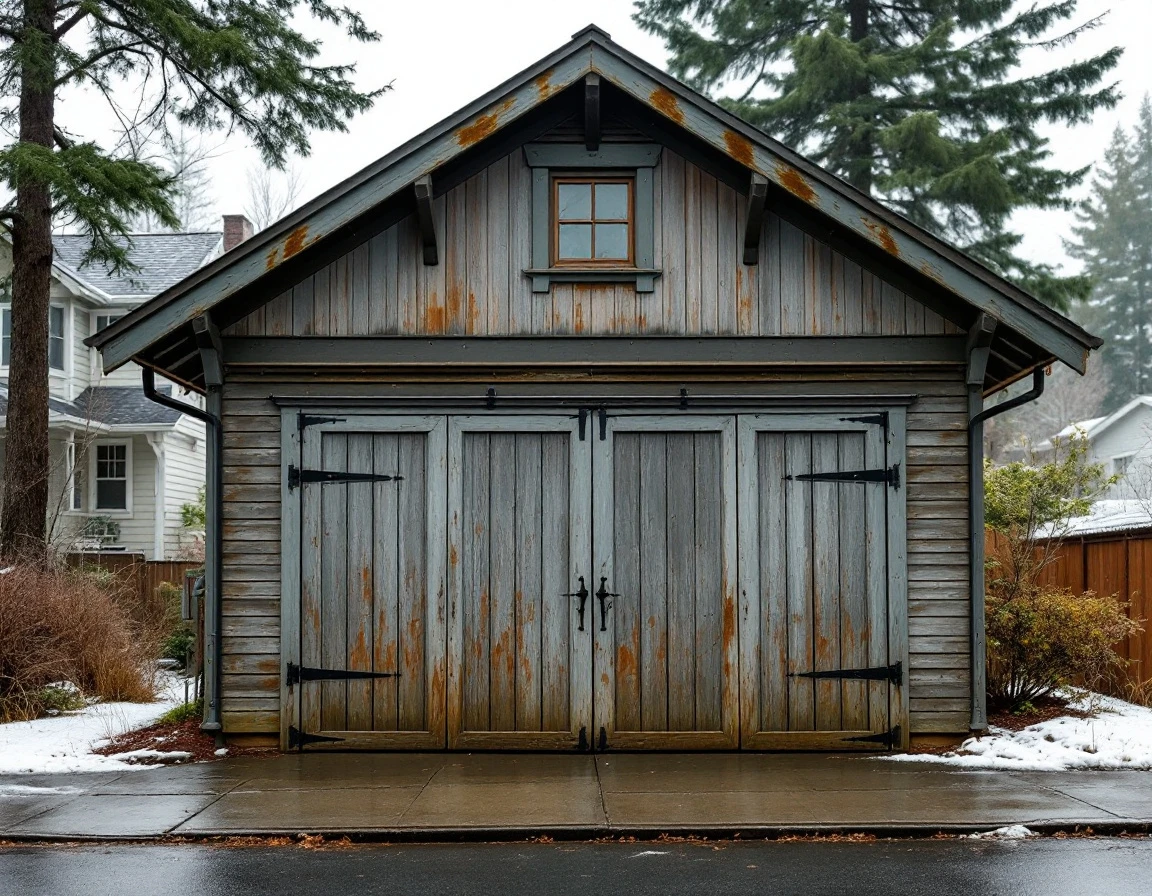
Oregon City’s steep terrain creates unique challenges for historic garage repair, where soil movement and slope pressure produce distinctive settling patterns that differ from flat-lot properties. Understanding these patterns helps you identify whether your hillside garage foundation settling requires immediate attention or routine maintenance.
Slope properties experience differential
If your Oregon City garage sits on a hillside, you’re dealing with a unique settling challenge. Slope properties experience differential foundation settling caused by soil creep and water saturation from spring rains. This happens because hillside soil moves gradually downward under gravity, and when April storms saturate the ground, that movement accelerates. The result? Your garage foundation shifts unevenly, creating problems you won’t see on flat lots.
Watch for three critical settling indicators:
- Diagonal cracks radiating from corners
- Door frame misalignment preventing closure
- Visible separation between foundation and structure
Diagonal cracks typically appear at 45-degree angles from window or door corners. If your garage door suddenly binds or won’t close completely, the frame may have shifted. Most concerning is any gap where your garage walls meet the foundation—this signals active movement that requires immediate attention.
Clackamas County’s volcanic and clay-rich soils
Oregon City’s soil is volcanic. That’s a problem for hillside garages. When spring rains soak the ground, the clay swells. When summer dries it out, it shrinks again. This expanding and contracting puts pressure on your garage foundation year after year.
Historic Garage Repair and Pre-Spring Inspection Checklist
Before April rains saturate Oregon City’s hillside soils, complete a thorough inspection that establishes your garage’s baseline condition. Start by photographing every crack and gap you find—especially diagonal cracks at corners, gaps around door frames, and separation points where the foundation meets wooden framing. Date these photos and store them in a dedicated folder on your phone. You’ll compare them to new photos taken in 4-6 weeks to identify active movement.
Walk around your garage’s perimeter and inspect where the foundation contacts soil. Use a flat-head screwdriver to gently probe the soil line, checking for soft spots or erosion that expose foundation material. Pay attention to drainage patterns—does water pool against one wall, or does it flow away cleanly? Document these observations with notes and photos.
Next, test every door under normal use. Open and close each entry point slowly, watching for binding or uneven movement. Doors that suddenly stick or require lifting to close properly indicate frame shift from settling. Measure gaps at door frame corners with a ruler—anything wider than 1/4 inch suggests active movement requiring professional assessment. If you have dated photos from last year, compare crack widths directly. Cracks that have widened by 1/8 inch or more since your last inspection signal ongoing settling that needs attention before spring rains accelerate the process.
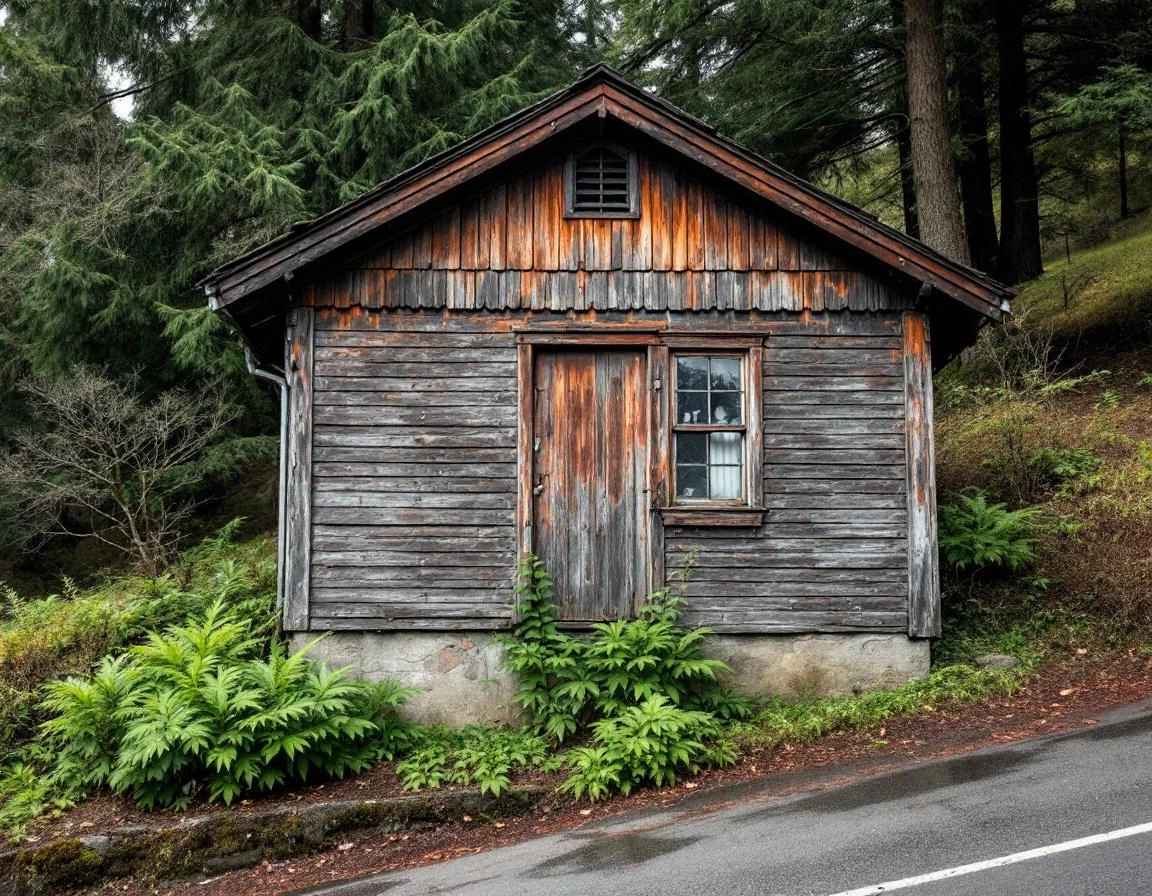
Cosmetic Cracks vs Structural Shifts
Not every crack in your hillside garage signals disaster. Understanding the difference between cosmetic aging and structural movement determines whether you need a tube of caulk or an engineer’s assessment.
Hairline cracks under 1/8 inch that run horizontally and appear isolated in siding or masonry are cosmetic. These fine lines represent normal aging in structures built on Oregon City’s volcanic and clay soils. Leaving these cracks unpainted actually preserves heritage character in older garages, where overzealous cement patching can damage historic masonry and erase architectural authenticity. A quality exterior sealant prevents water infiltration without altering the structure’s appearance.
Structural cracks tell a different story. Watch for diagonal patterns that run at 45-degree angles—these shear cracks indicate active foundation movement as the slope shifts beneath your garage. Cracks wider than 1/4 inch. Gaps that grow measurably from month to month, or patterns that follow mortar joints in brick structures all signal that your foundation is responding to soil movement rather than simply aging in place.
So what’s the difference? Cosmetic cracks just need sealant or caulk. But if your foundation is actually moving? Contact Garage Harmony for an engineer’s assessment before spring rains make it worse.
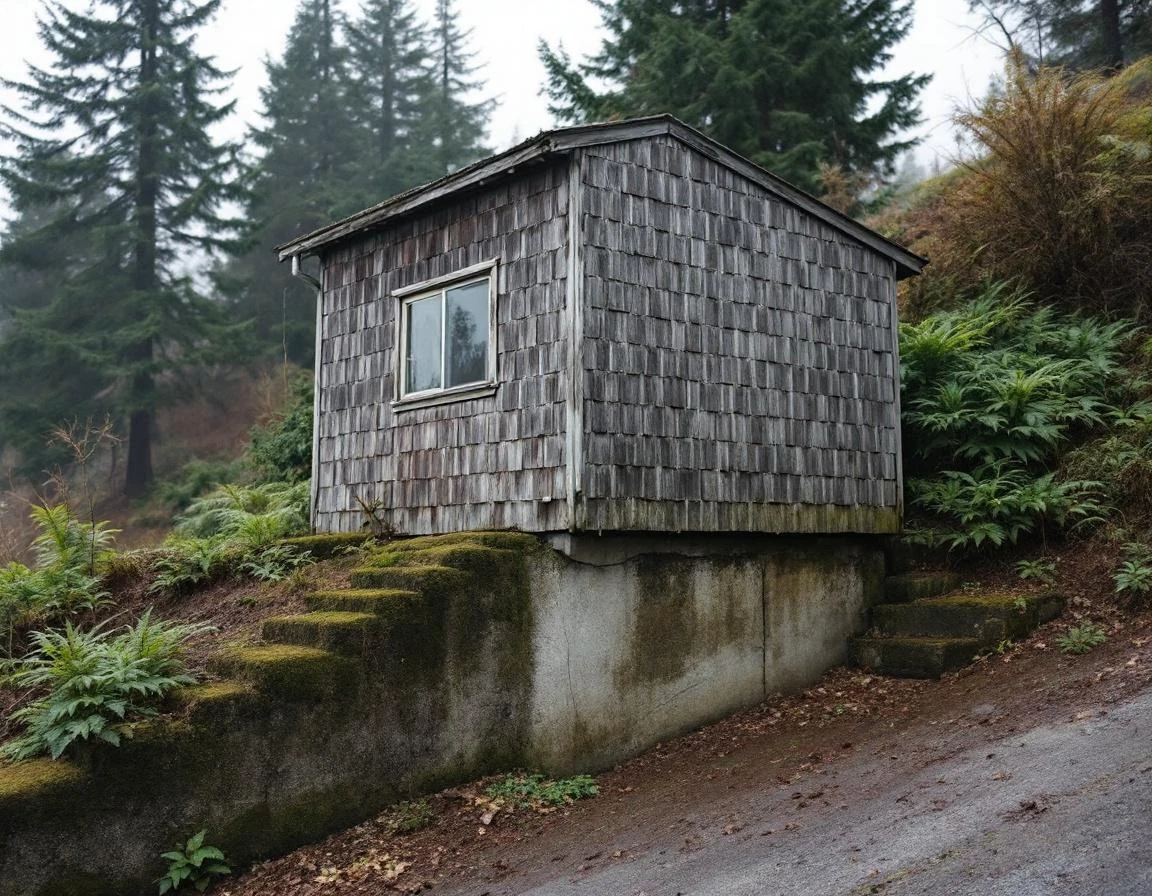
Period-Appropriate Garage Restoration and Settling Repair Options
Once you’ve confirmed structural settling, you have two choices: fix it the heritage way or stabilize it with modern methods.
Heritage restoration specialists understand period-appropriate repairs that preserve your garage’s original character. They use period stone or brick foundations that match what’s already there. They install French drains to control water without visible changes. They regrade slopes to redirect runoff away from your foundation while keeping the historic market intact.
Structural engineers take a different approach. When safety requires intervention beyond aesthetic restoration, they recommend modern stabilization methods:
- Helical piers driven deep into stable soil
- Soil anchors that drive deep into stable ground and lock your foundation in place
- Epoxy injected into cracks bonds broken sections back together
These solutions work but often alter historic fabric in ways that can’t be reversed.
Make sure your engineer knows Oregon City’s soils. Spring rains affect repairs differently here than in other regions. That expertise means recommended solutions account for local ground movement patterns rather than applying generic stabilization methods that may not perform well in our unique geological context.
April Rain Season Preparation
Oregon City’s spring rains typically arrive by late April. And soil saturation accelerates settling beneath hillside garages. You’ve completed your inspection—now take action before water pressure increases foundation stress. Follow this three-week timeline: drainage first, then sealing, then call Garage Harmony for professional assessment before spring rains arrive.
Week 1: Drainage maintenance protects your foundation perimeter. Clear gutters and downspouts weekly to prevent overflow during spring storms. Install or regrade French drains if your inspection revealed water pooling near the foundation. Create a 5-foot clearance zone around your garage’s perimeter—remove soil, mulch, or debris that channels water toward foundation walls rather than away from them.
Week 2: Seal identified cracks using materials matched to crack severity. Apply silicone caulk for cosmetic cracks you documented during inspection. Use structural epoxy only if an engineer approved it for your specific foundation type—heritage structures often require different bonding agents than modern concrete.
Week 3: Schedule professional assessment immediately if your inspection revealed structural cracks or active settling. Waiting until May increases risk as spring rain accelerates foundation movement. This completes your understanding of slope patterns: you now know how hillside garage foundation settling develops, completed pre-spring maintenance, and understand which repairs preserve character versus which require modern stabilization. For help with building and maintaining garage foundations. Contact Garage Harmony. Our team specializes in Oregon City’s unique terrain challenges and can guide you through repairs that preserve your historic garage.