WiFi Openers vs Traditional Systems
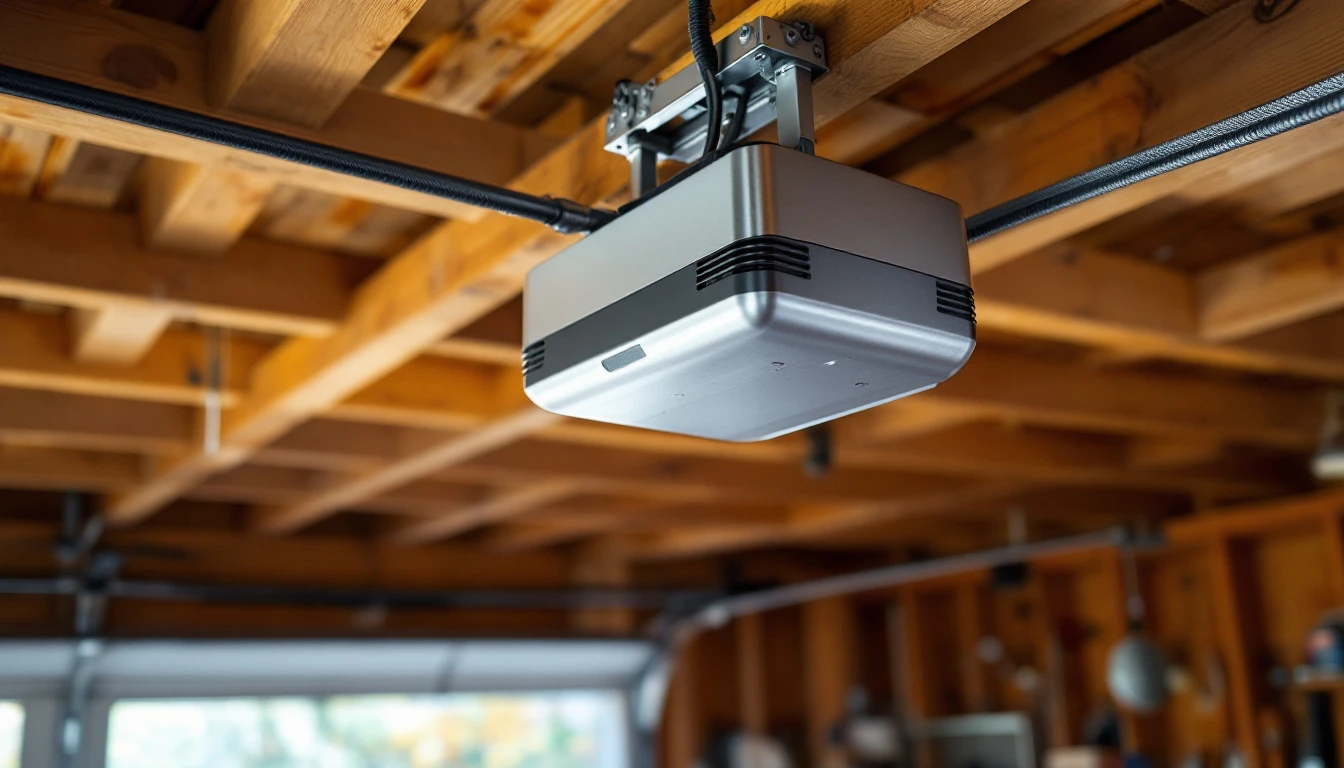
Traditional garage door openers respond only to physical remotes and wall-mounted buttons, while WiFi-enabled models connect directly to your home network for smartphone control and remote monitoring capabilities.
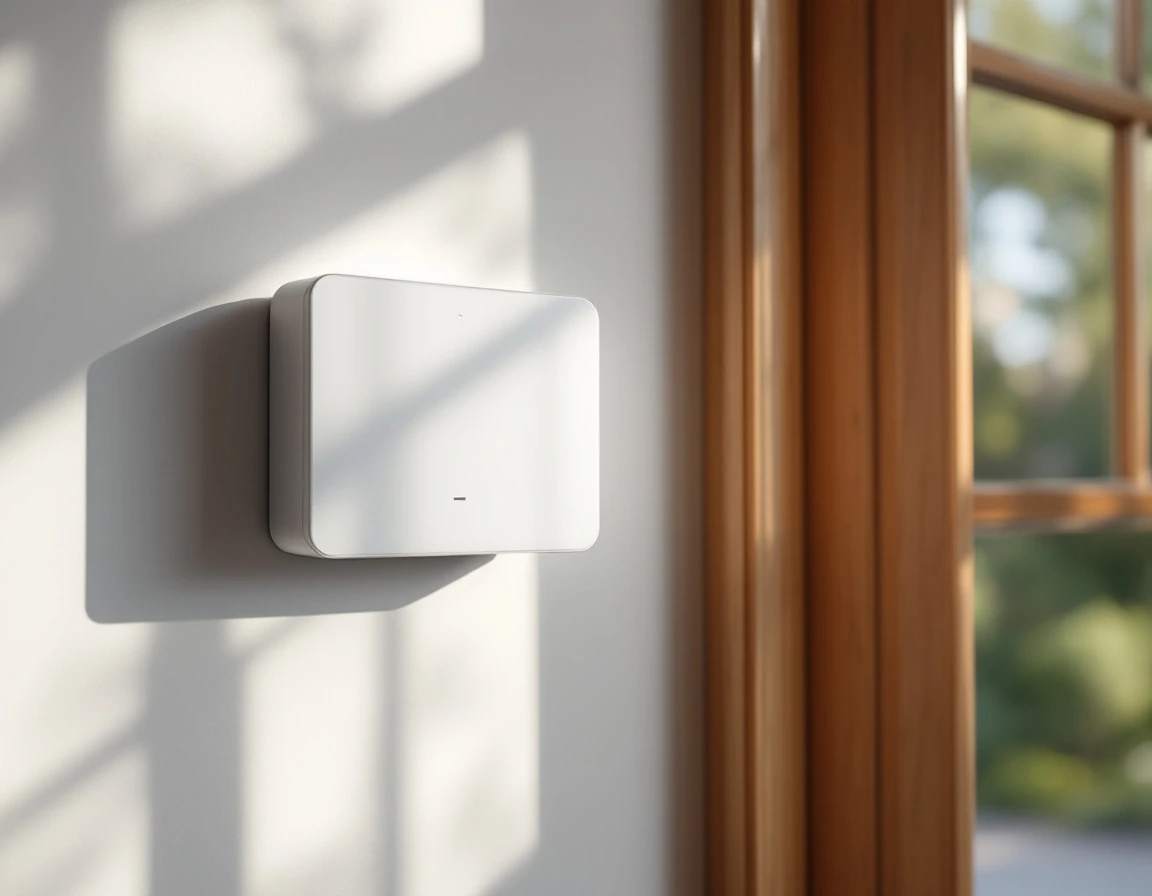
Traditional openers lack remote access, real-time
Traditional garage door openers rely entirely on physical remotes or wall-mounted buttons, leaving you guessing about door status when you’re away from home. There’s no way to check if you closed the door after leaving, and you can’t grant access to family members, guests, or delivery drivers without providing a physical remote.
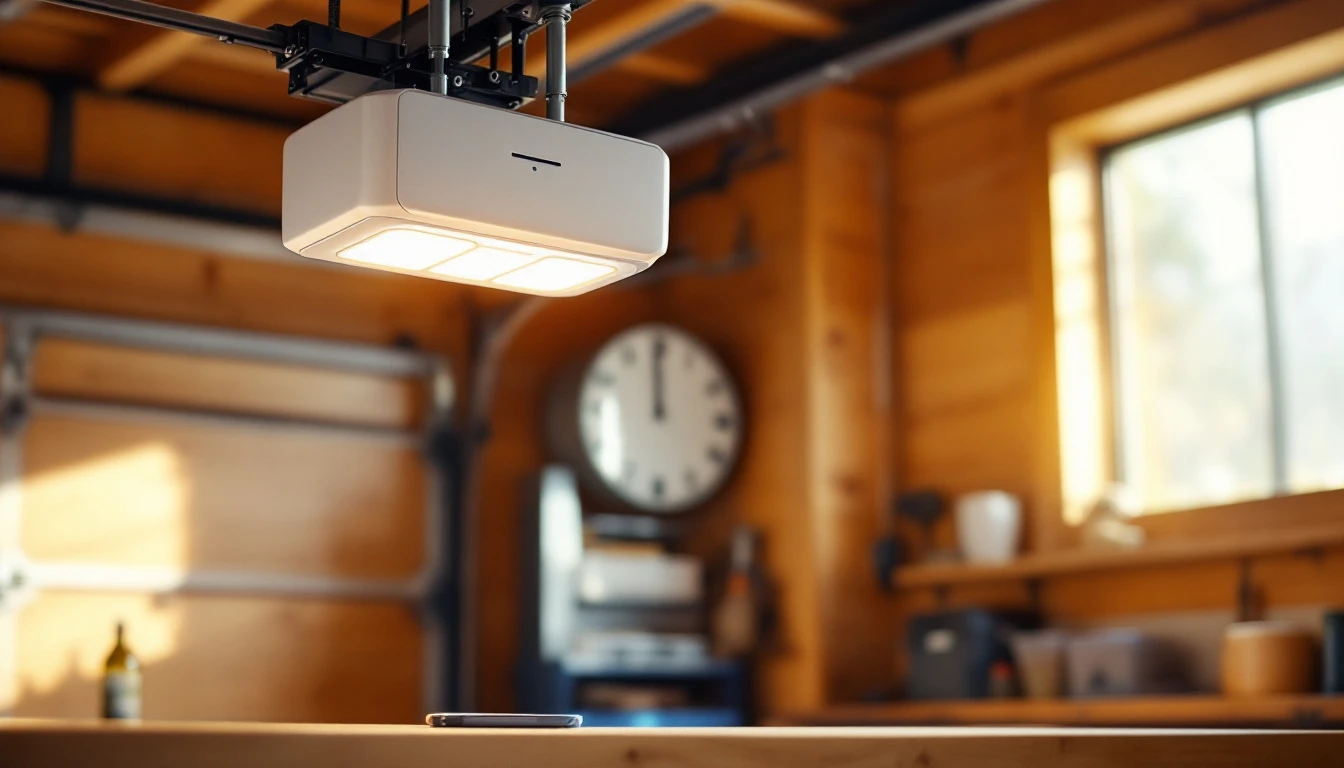
WiFi-enabled openers change everything. You get instant smartphone alerts when the door opens or closes, remote control from anywhere with an internet connection, and the ability to create temporary guest codes for visitors. These smart models integrate with platforms like Amazon Alexa, Google Home, and Apple HomeKit, letting you control your garage through voice commands or automation routines that tie into your broader smart home ecosystem.
Security vulnerabilities in standard openers
Traditional garage door openers create serious security gaps that WiFi systems eliminate completely. When a remote control goes missing, you have no way to disable it—meaning anyone who finds it gains instant access to your home. Standard openers keep no record of when your door opens or closes, leaving you blind to unauthorized entry attempts.
Cloud-based systems solve these problems by letting you instantly revoke access from your smartphone if a remote is lost.
Portland homeowners appreciate the added peace of mind from live camera feeds that show exactly who’s entering their garage, plus motion alerts that notify them the moment unexpected activity occurs.
Key Features Smart Openers Deliver
Modern WiFi garage door openers transform how you interact with your home through practical features that solve everyday problems. Understanding what these systems actually do—and how they work—helps you decide whether the upgrade makes sense for your household.
- Smartphone app control puts your garage door in your pocket. After downloading the manufacturer’s app and pairing it with your opener, you can open or close the door from anywhere with cellular service. Real-time status notifications tell you the exact moment the door opens or closes, ending the “did I leave the garage open?” anxiety that plagues homeowners during work meetings or vacations. Since smart garage door controllers are Wi-Fi-connected, you can control them from anywhere provided you have an internet connection—when a delivery driver needs access, you can open the door from your office downtown and close it the moment they leave.
- Guest access codes eliminate the security risk of physical keys floating around Portland neighborhoods. You can create temporary access codes for contractors, house cleaners, or pet sitters—each with specific time windows and automatic expiration dates. Usage logs show exactly when each code was used, giving you a complete picture of who entered your garage and when. No more wondering whether the handyman still has that spare remote you lent him six months ago.
- Automated scheduling works like a safety net for busy families. Program the door to close automatically at 10 PM every night, or integrate it with your existing smart home routines through Alexa, Google Home, or Apple HomeKit. Voice commands let you close the garage while carrying groceries with both hands full.
- Geofencing technology detects when your smartphone approaches home and triggers the door to open automatically—no fumbling for remotes while rain drips down your neck. The system uses your phone’s GPS location to create a virtual perimeter around your property, eliminating one more step between you and getting inside after a long day.
Pacific Northwest Reliability Considerations
Does Portland’s wet climate make WiFi garage door openers less reliable? This concern comes up frequently, but modern smart openers are specifically engineered to handle our region’s challenges. The Pacific Northwest’s combination of rain, humidity, and temperature swings requires careful attention to weatherproofing and component selection.
WiFi modules and battery backup systems need sealed enclosures to prevent moisture ingress. Top manufacturers now ship units with IP-rated housings that keep electronics dry even in damp garage environments. Look for models advertising “weatherproof” or “all-climate” construction—these feature gaskets around circuit boards and conformal coatings that repel condensation.
Portland winters bring another challenge: freezing temperatures and frequent power outages. Modern smart openers include cold-weather rated lithium batteries that maintain charge in unheated garages, unlike older nickel-cadmium cells that fail below 40°F. Battery backup means you can still operate your door during storms when power drops—a feature standard openers simply cannot provide.
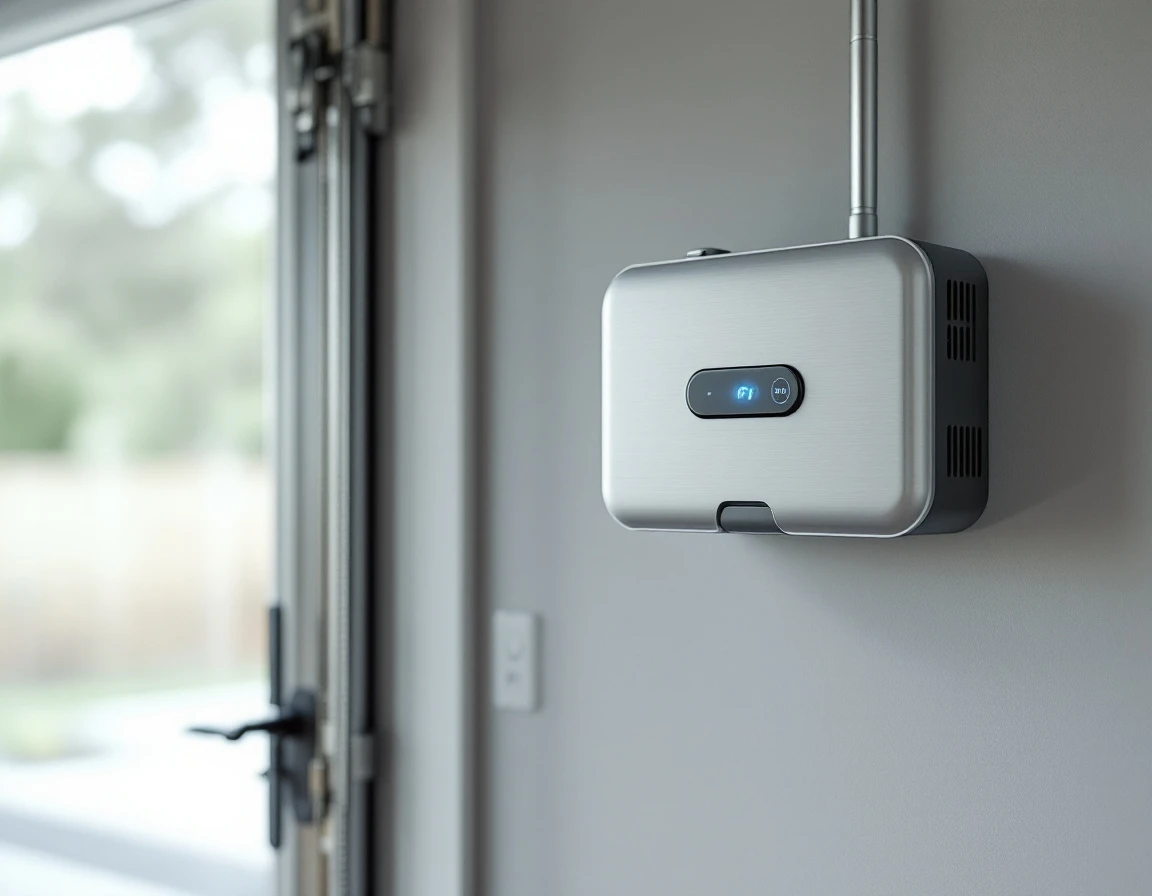
What about WiFi connectivity in concrete or metal-sided garages? Many homeowners experience dead zones in detached structures. If your Wi-Fi coverage is weak, plan for a mesh node or extender to strengthen the signal. Alternatively, some 2024–2025 models offer external antenna mounting directly on the door itself, positioning the receiver where signal strength is strongest.
Select openers with wide operating temperature ranges (typically -4°F to 140°F) to handle our climate’s seasonal fluctuations without electronic failures.
Top Smart Opener Models for 2024–2025
Choosing the right WiFi garage door opener depends on your budget, existing equipment, and smart home ecosystem. Here’s how to match your needs with the best models available today.
Premium Choice: LiftMaster SmartDoor
The LiftMaster SmartDoor delivers integrated WiFi connectivity without add-on modules, making it ideal for new installations. This model includes dual-band WiFi for reliable connectivity, eight-hour battery backup tested for Oregon winter power outages, and an intuitive app interface that homeowners consistently rate highly. Its weatherproof housing and cold-weather motor components handle Pacific Northwest conditions year-round. Browse LiftMaster models at Garage Harmony.
Retrofit Solution: Genie Aladdin Connect
Already have a working opener? The Genie Aladdin Connect retrofit kit adds WiFi capability to most existing systems without replacing your motor. This option works particularly well for multi-door garages since you can control up to three doors from one app. Installation takes under an hour, and the system supports 2.4GHz WiFi networks common in garages with signal challenges.
Ecosystem Integration: Chamberlain myQ
Chamberlain myQ openers work with Amazon Alexa, Google Home, and Apple HomeKit right out of the box. If you’ve already invested in smart home devices, myQ provides the broadest compatibility. The platform supports multi-brand integration, letting you connect door locks, security cameras, and lighting systems through one interface.
Budget-Friendly Options
Third-party WiFi modules from manufacturers like Meross and Tailwind offer basic smartphone control at budget-friendly price points. These aftermarket solutions lack battery backup and advanced features, but they deliver remote access and notifications for cost-conscious upgrades. All recommended models include weatherproofing rated for outdoor Pacific Northwest conditions.
Installation, Setup, and When to Upgrade
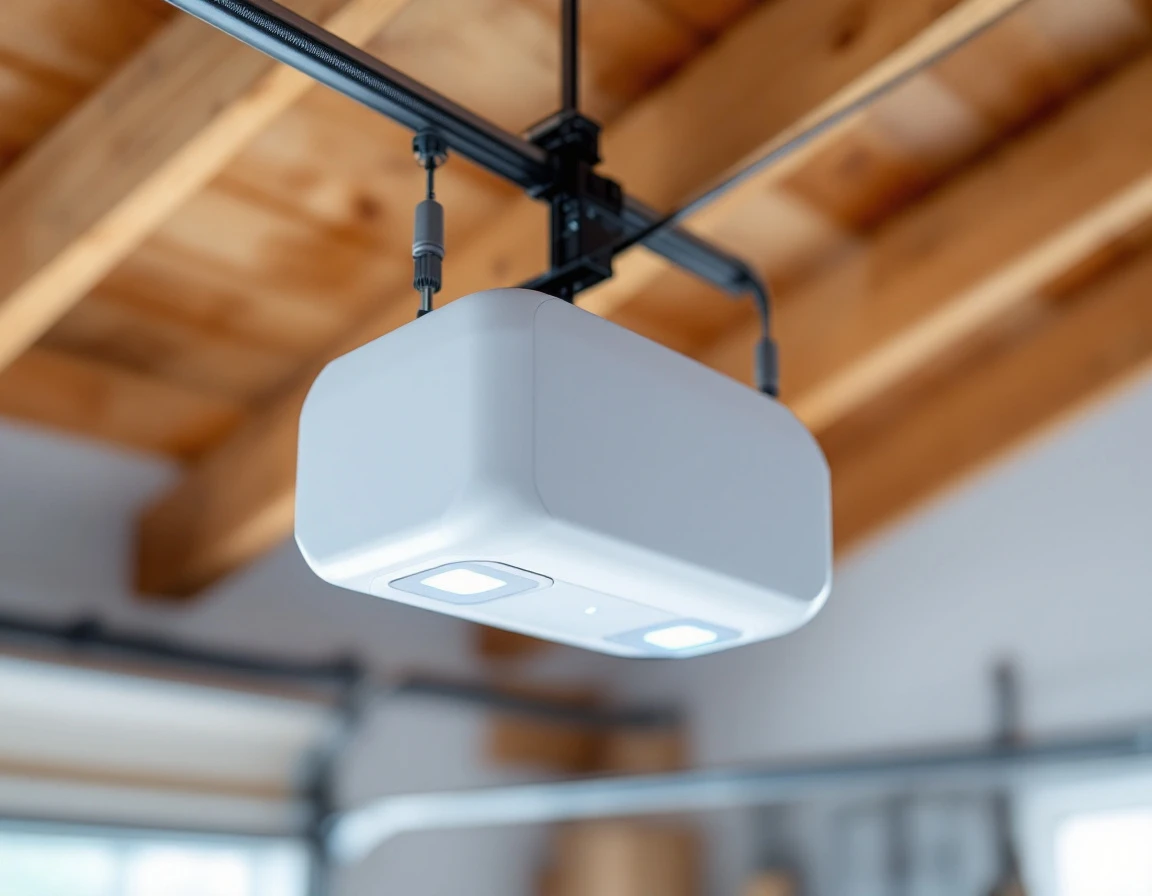
New WiFi-enabled garage door opener installations typically take 2 to 4 hours when handled by professionals. A smart garage door opener uses your wireless internet connection and sensors on your garage door rails and controller to transmit information. But WiFi setup adds about 30 minutes for app download, secure authentication, and testing remote access. If you’re considering a retrofit kit, the installation is faster—usually 1 to 2 hours—but only works if your existing opener has compatible motor specifications and mounting brackets.
Before upgrading, check your current system. Is your opener more than 10 years old. Do you struggle with unreliable remote signals or find yourself wondering if you left the door open?
These are clear signs that upgrading makes sense.
Professional installation offers important advantages for Pacific Northwest homeowners. Our team at Garage Harmony means proper weatherproofing against rain and moisture, correct wiring that prevents electrical issues, and backup power configuration so your opener works during winter storms. We can assess your existing system during a single visit and recommend whether a retrofit module or full replacement makes the most sense for your situation.
Investing in WiFi connectivity means you’ll never again drive back home to check if you remembered to close the door. You’ll eliminate the security gaps that come with lost remotes and gain complete control through your smartphone. Contact us today to schedule an assessment and discover which WiFi garage door opener fits your needs and budget.