Freeze-Thaw Damage Mechanism
Central Oregon’s winter temperatures swing above and below freezing, causing garage door springs to expand and contract repeatedly. This constant flexing weakens the metal over time. If you’re experiencing spring wear in winter Redmond or need garage door spring replacement Redmond Oregon. Understanding freeze-thaw damage helps you act before catastrophic failure occurs.
Central Oregon’s 15°F to 40°F Temperature Swings
Between November and March, Redmond experiences dramatic daily temperature swings ranging from 15°F to 40°F. These repeated freeze-thaw cycles place extreme stress on your garage door’s metal spring components, causing them to contract during frigid nights and expand when daytime temperatures rise.
Torsion springs bear the brunt of this thermal assault. Each expansion-contraction cycle forces the tightly wound steel coils to flex and adjust, accelerating metal fatigue. Over dozens of freeze-thaw events per season, microscopic cracks develop in the spring material, weakening its structural integrity until catastrophic failure occurs—often without warning.
This freeze thaw damage garage door springs face in Central Oregon makes professional inspection vital before winter arrives.
Older town-center homes and newer subdivisions
Whether you own a 1960s ranch near downtown Redmond or a newly built home in Southeast Redmond, your garage door springs face the same climate battle. Property age offers no protection against Central Oregon’s high-desert conditions—both old and new construction experience identical freeze-thaw stress that accelerates spring failure.
Redmond’s elevation and continental climate create harsher conditions than coastal Pacific Northwest cities. While Portland winters hover around freezing with moderate swings, Redmond’s dry air and 3,100-foot elevation produce extreme daily temperature fluctuations that intensify metal fatigue in every garage door spring across town.
Warning Signs & Visible Damage
Recognizing spring failure before it happens can save you from emergency repairs and potential safety hazards. From inside your garage, you can safely observe several telltale signs that freeze-thaw damage is taking its toll on your springs.
- Listen for unusual sounds during operation. Loud creaking, grinding, or popping noises when opening or closing your door indicate spring stress and micro-cracking from repeated temperature cycles. These sounds often worsen during cold mornings when metal contracts most severely.
- Watch how your door moves. Does it sag on one side, close unevenly, or jerk during operation? These movements signal spring imbalance or weakening. If your door feels heavy when you manually lift it or requires excessive force to open, the springs are no longer bearing the full load—they’re failing.
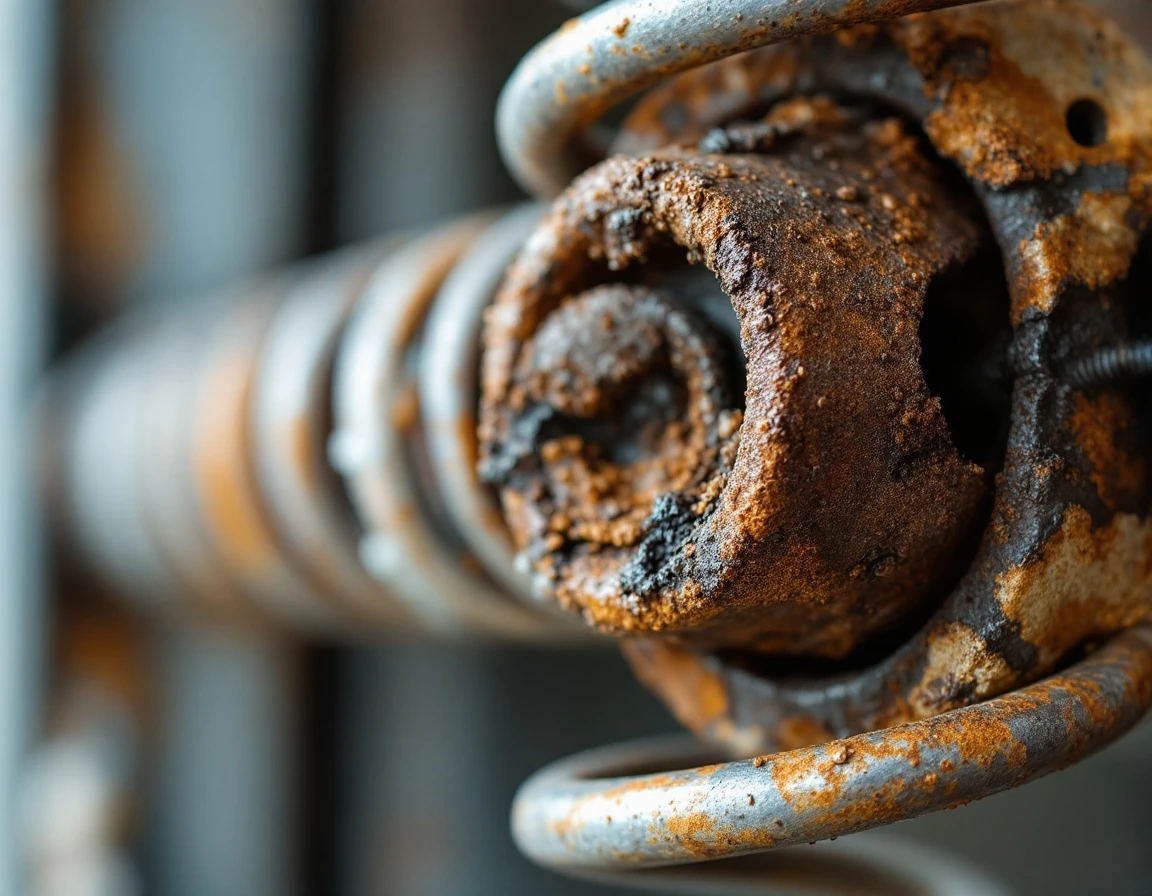
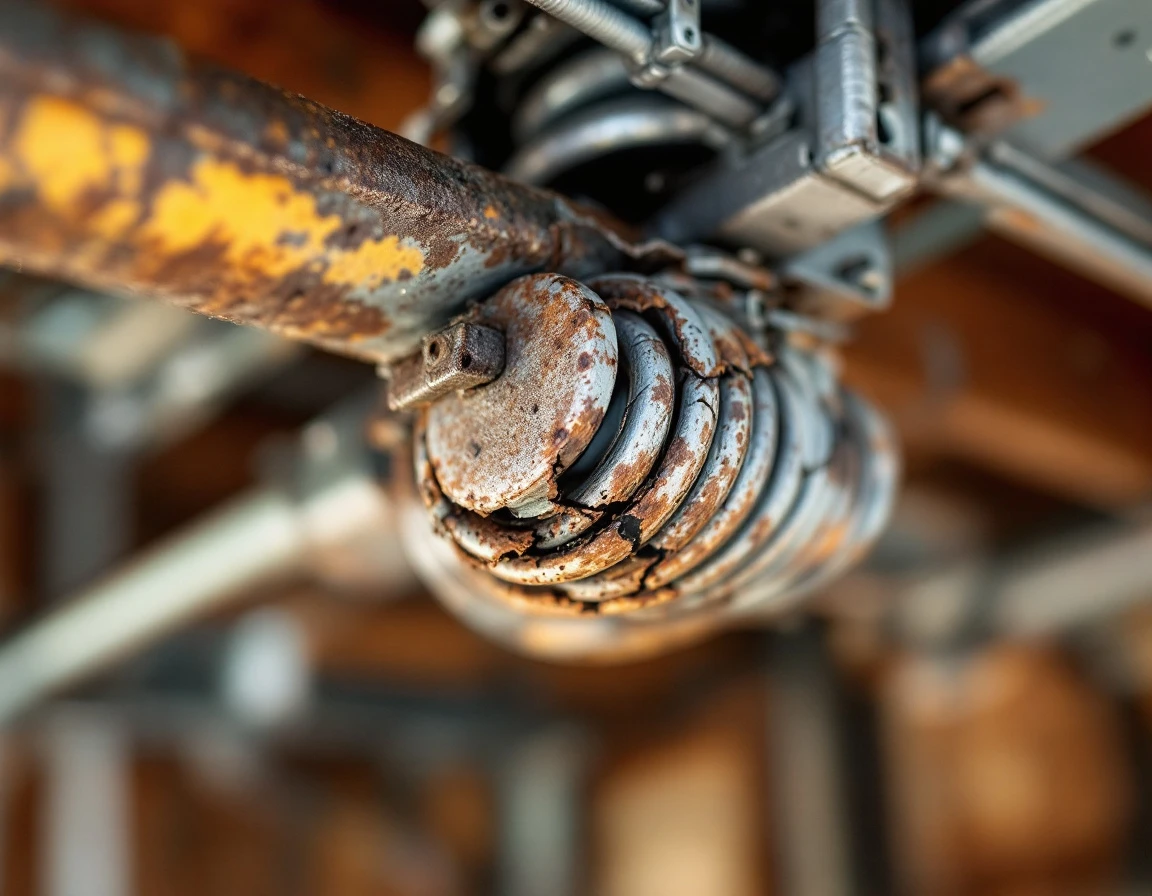
- Visual inspection reveals critical clues. Look for rust, discoloration, or visible cracks on the spring coils. These are red flags for imminent failure. However, never touch or adjust springs yourself—they store tremendous tension and require professional handling.
If you notice any of these warning signs in your Redmond garage, contact Garage Harmony today for a professional assessment before the next winter season arrives.
Garage Door Spring Replacement Redmond Oregon: Timeline & Cost
In Redmond, garage door spring replacement typically costs $250–$400 per spring. With most residential doors requiring two to four springs. Your total project cost depends on spring type (standard torsion versus high-cycle), door size, and labor requirements. A complete two-spring replacement for a standard two-car garage usually runs $500–$800, while larger three-car doors with four springs can reach $1,200–$1,600.
Why does this matter in June 2026?
You have a five-month planning window before Redmond’s next freeze season arrives in November. Scheduling replacement during summer months means you avoid the emergency service premium that kicks in during winter failures—often adding $150–$300 to base costs.
Professional installation takes just one to two hours, but attempting DIY spring replacement poses serious safety risks from high-tension components that can cause injury. A broken garage door spring in Central Oregon during winter can trap your vehicle and force expensive emergency service calls.
Compare these numbers to emergency scenarios: a spring that snaps during January’s deep freeze leaves your car trapped and forces you to pay premium rates for same-day service. Winter service availability drops as contractors get overbooked with freeze-related failures across Central Oregon. Planning your replacement now transforms this from a crisis response into a controlled capital decision—you choose your contractor, schedule at your convenience, and complete the work before temperature swings resume their damaging cycle.
Professional vs. DIY Considerations
Can you replace garage door springs yourself? The short answer is: you shouldn’t. Spring replacement involves extreme tension and pinch hazards that create genuine risk of serious injury or death. These components store hundreds of pounds of force, and improper handling releases that energy catastrophically.
Professional installation is safer and legally recommended in most jurisdictions. More importantly, DIY attempts void manufacturer warranties on both parts and labor—and in some jurisdictions, they void homeowner insurance coverage if an accident occurs. Improper installation can damage your door, destroy your opener, or cause personal injury.
Professional service includes warranty protection on parts and labor, safeguarding your long-term investment. For Redmond homeowners, professional service offers genuine protection against catastrophic failure. When you consider the medical costs of a spring-related injury—or the replacement cost of an entire door system damaged by improper installation—professional service becomes the clear choice before winter arrives.
Action Plan for Redmond Homeowners
Start by inspecting your springs this month. During your next garage door operation, listen carefully for creaking, popping, or grinding sounds. Visually examine the springs for rust, gaps between coils, or visible cracks. If you notice any warning signs, schedule a professional inspection immediately—never attempt spring repairs yourself.
Contact Garage Harmony for a free inspection and replacement estimate before fall arrives. Our team understands the specific challenges Redmond’s freeze-thaw climate creates for garage door systems. Why garage door springs fail cold weather in Central Oregon requires specialized knowledge, and we have the experience to help you protect your investment. June through September offers the ideal window for planning and scheduling replacement work.
Schedule your replacement before October to avoid the November-through-March emergency service rush. Cold-weather installations become complicated when temperatures drop, and emergency garage door spring replacement Redmond needs during winter cost more in both service premiums and inconvenience. Plan now, and yoyou’ll enter winter with reliable springs that handle Central Oregon’s temperature extremes. Get in touch with us today to protect your garage door investment.