How Storms Cause Garage Door Flood and Wind Damage
Tropical storms wreak havoc on garage doors through three distinct failure modes. Wind forces during hurricane conditions bend panels, tear seals loose, and compromise structural integrity—repairs that routinely cost homeowners several thousand dollars. High-velocity winds create pressure differentials that can bow panels inward or rip entire doors from their tracks. Water infiltration through degraded weatherstripping, worn seals, and track gaps allows flooding that damages openers, corrodes springs, and ruins stored belongings. Standing water from storm surge causes foundation settling and track misalignment, making doors bind or fail completely. Understanding garage door flood and wind damage helps homeowners recognize when their garage doors face the greatest risk during tropical storms.
These vulnerabilities concentrate in five key components that pre-season inspection can identify before hurricane season arrives.

Five Vulnerable Garage Door Components
Understanding which parts of your garage door face the greatest risk during tropical storms helps you focus your pre-season inspection where it matters most. These five components bear the brunt of storm forces and represent the difference between weathering a hurricane and facing costly repairs.
- Weatherstripping and seals form your first line of defense against water intrusion. These rubber or vinyl strips compress and crack over time, creating entry points for wind-driven rain. Look for visible gaps, brittle texture, or sections that no longer spring back when pressed—catching these issues before storm season prevents interior flooding.
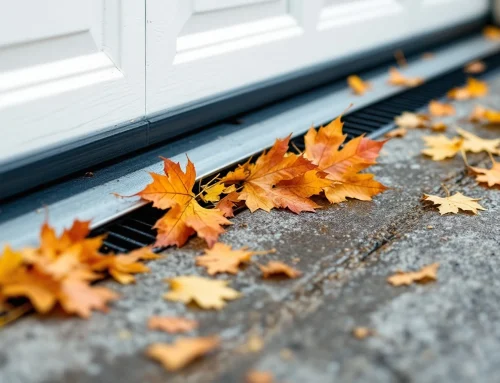
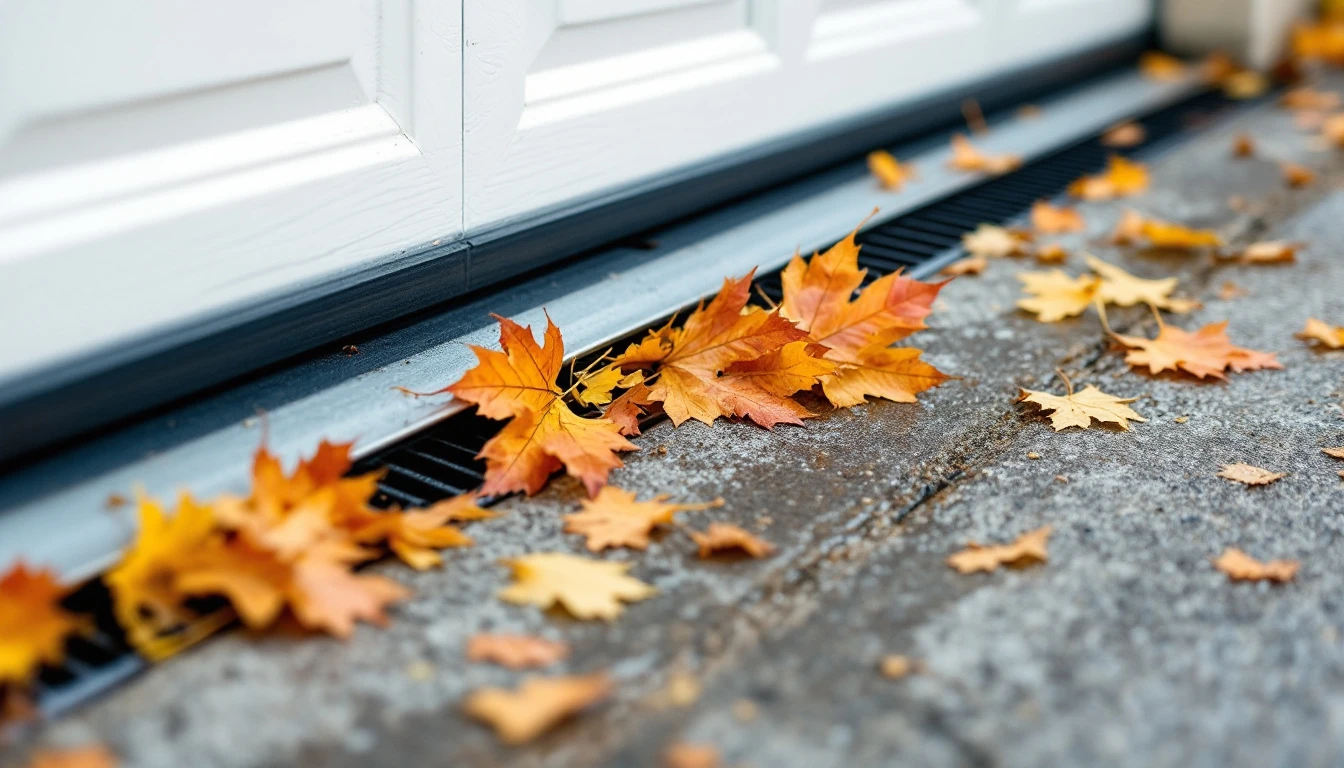
- Bottom track and frame gaps channel floodwater directly into your garage. Even small separations between the door and threshold allow water to rush in under pressure. Check for daylight visible beneath a closed door or worn threshold seals that no longer create a tight barrier.
- Panels face direct wind pressure and flying debris impact. Inspect for dents, rust spots, or hairline cracks that weaken structural integrity before high winds turn minor damage into catastrophic failure.
- Springs and cables work harder under sustained wind load. Frayed cable ends or rust on springs signal imminent failure when storm forces add extra stress.
- Garage door openers and electronics fail when moisture penetrates control boxes. Condensation buildup or corroded terminals indicate vulnerability before power surges or water exposure destroy circuitry.

Post-Storm Garage Door Inspection Checklist
Before hurricane season peaks between September and November, walk through this quick inspection—no tools required, just your eyes and hands. Start at the top and work your way down, snapping photos of each component as you go for insurance documentation should you need it later.
- Weatherstripping and seals: Run your hand along all four edges of the closed door. Do you feel air movement? Check whether the rubber remains pliable or has become brittle and cracked. Look for any gaps where light shines through when the door is fully closed.
- Bottom track and frame gaps: Inspect the concrete threshold where your door meets the ground. Are there any visible cracks or deterioration? Crouch down and check for water stains, rust spots, or mineral deposits along the bottom track—these indicate previous water intrusion.
- Panels: Stand back and scan each panel for dents, warping, or loose connections between sections. Press gently on each panel to test for unusual flexibility or movement that might indicate internal damage.
- Springs and cables: Look for any fraying on the lift cables running along both sides. Check the springs above the door for rust, gaps in the coils, or signs of stretching.
- Electronic opener: Test the manual release mechanism to confirm it works smoothly. Verify that your backup battery (if installed) shows a ready indicator, and check for any water damage or corrosion around the motor housing.
Post-Storm Damage Assessment and Recovery
Once the storm passes and authorities confirm it’s safe to return home, your first priority is assessing your garage door without putting yourself at risk. Within the first 24 hours, check whether the door opens and closes properly—a door that won’t budge or shows visible panel damage requires immediate attention to secure your home.
Before touching anything, look for standing water near electrical components, sagging panels that might fall, or broken spring cables under tension. If you see any of these hazards, call a professional before attempting to operate the door. Safety always comes before speed.
Take photographs of every visible issue: bent panels, separated seals, water stains on tracks, and any gaps in the frame. Capture wide shots showing the entire door and close-ups of specific damage. This documentation becomes the foundation of your insurance claim and should be completed within 48 hours while evidence is fresh. Documenting garage door flooding water damage recovery helps establish the timeline and severity of what occurred.
Prioritize repairs based on security and weather protection first. A compromised panel or broken opener that leaves your garage accessible demands immediate attention, while minor cosmetic dents can wait for your insurance adjuster’s assessment.

When to Call a Professional
Some garage door damage requires immediate professional attention. If your door has come off its tracks, if you see broken or visibly damaged springs or cables. Or if the opener fails to respond after a storm, stop your assessment and call an expert. These scenarios create serious safety hazards that can result in injury or property damage.
Why not attempt DIY repairs? Spring and cable systems operate under extreme tension. Making them dangerous to handle without specialized tools and training. Attempting repairs yourself can lead to worse damage and higher costs. Structural misalignment or track damage from flooding also requires professional evaluation to prevent progressive failure.
Many insurance policies require professional inspection reports and repair documentation to approve claims. Professional assessments protect your claim eligibility while addressing safety issues.
Pre-season inspections and immediate post-storm professional documentation help you avoid emergency service premiums charged during disaster recovery periods when demand spikes.