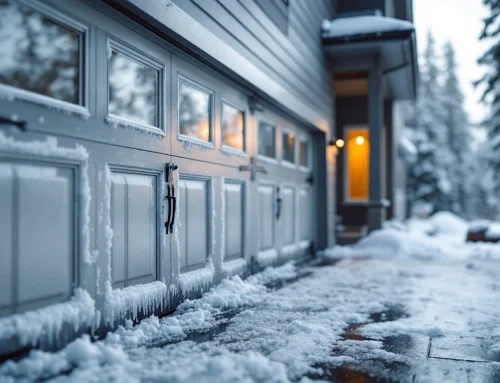
Fall Leaves and Garage Door Clogged Tracks
Where do fall leaves create the most trouble for your garage door? The problem starts when leaves settle into horizontal and vertical tracks, wedging themselves between rollers and the metal guides—a situation commonly known as garage door clogged tracks caused by fall leaves. As your door opens and closes, these leaves create friction that forces your opener to work harder, straining the motor and wearing down components faster than normal use.
The real damage begins when debris blocks smooth operation. Leaves stuck in garage door tracks throw off the delicate balance of your door system. Causing sensor misalignment that triggers your safety features. What starts as a minor annoyance quickly becomes an emergency repair call when your door refuses to close or gets stuck halfway.
Portland’s wet fall season transforms this problem from inconvenient to destructive. When October rains arrive, those dry leaves in your tracks become soggy masses that hold moisture against metal surfaces. This constant dampness accelerates rust formation on tracks, springs, and rollers—components that depend on smooth, corrosion-free surfaces to function properly.
Spending an hour clearing leaves from your garage door tracks in early September can prevent emergency repairs that would drain your wallet far more than the preventive work itself.
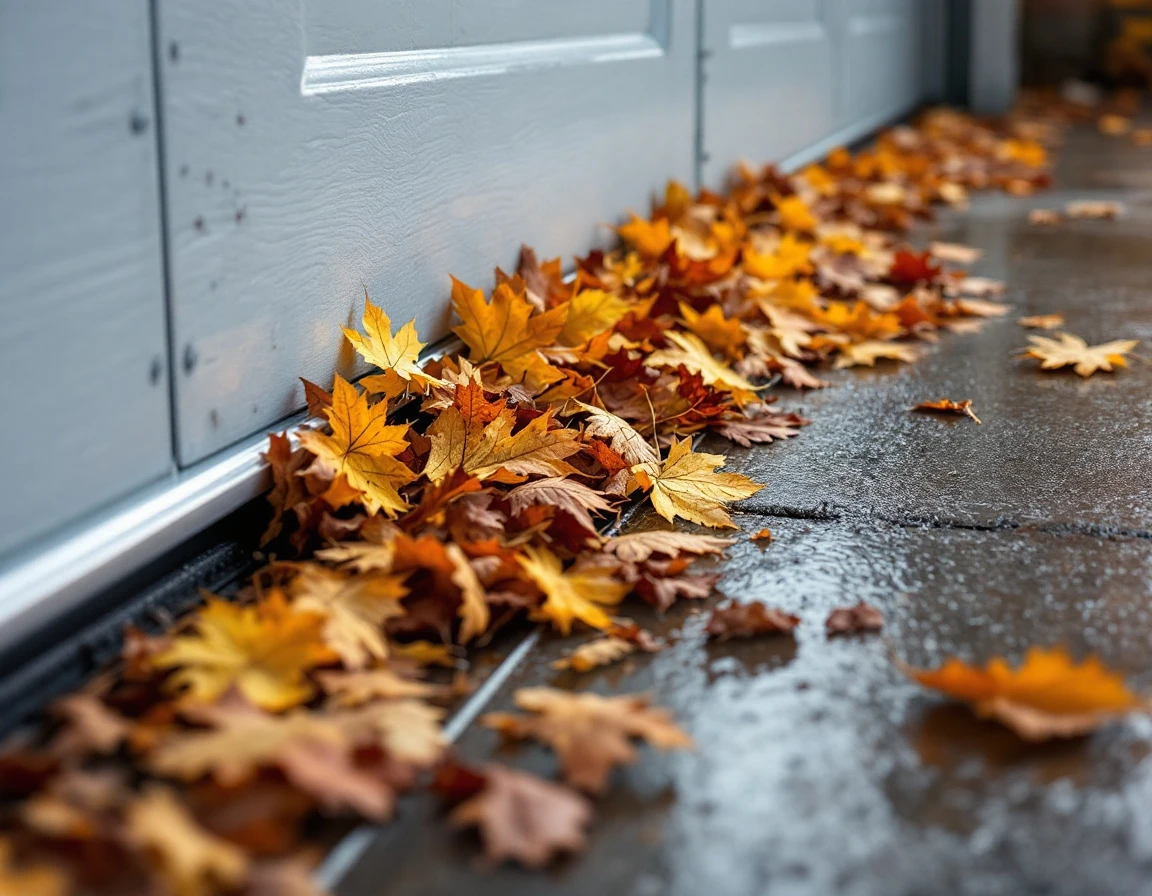
Where Leaves Accumulate Most
Before you grab your broom and shop vac, take a moment to understand exactly where leaves hide in your garage. Knowing the problem spots helps you work smarter during your 30-minute maintenance session.
Start with the horizontal track sections at ground level—these trap the most debris because of how air flows when your door opens and closes. Leaves settle into these flat areas and stay put. Next, check the vertical tracks on both sides of your door. Leaves slide down these channels or blow in during gusty days, wedging themselves between the rollers and track walls.
Don’t overlook your floor drains near the garage door opening. Falling leaves, twigs, and seed pods clog these drains every time you open the door. Garage floor drain leaves and debris can block water drainage when October rains arrive.
Finally, inspect track corners and bends where the vertical and horizontal sections meet. These pockets trap leaves that compact and harden as Portland’s weather cycles between dry and wet. September’s combination of dry leaves and occasional early rain creates the perfect window—leaves are still loose enough to sweep away before they pack down into stubborn clumps.
30-Minute DIY Cleanup Steps
Ready to protect your garage door before Portland’s fall rains arrive? This quick maintenance routine takes just half an hour and prevents costly repairs down the line. Grab a shop vacuum with a hose extension, a plastic brush or old credit card, and a garden hose—you’ll have everything you need.
- Step 1: Vacuum the tracks. Attach the hose extension to your shop vacuum and carefully suction out leaves from both horizontal tracks at ground level and the vertical track sections. Work from the outside in, moving methodically along each section. Keep your hands and body outside the track system—never reach into areas where the door could move unexpectedly.
- Step 2: Hand-scrape stubborn debris. For compacted leaf matter that resists vacuuming, use a plastic brush or old credit card to gently scrape the track surfaces. Avoid metal tools like screwdrivers or wire brushes that can scratch the protective coating and create rust-prone spots. Work carefully around the rollers without forcing them out of position.
- Step 3: Clear floor drains. Pull out any visible leaves from drains near your garage door opening by hand. Once you’ve removed the bulk of debris, rinse thoroughly with a garden hose to flush remaining particles. Watch the water drain freely—if it pools or drains slowly, you may have deeper blockage.
- Step 4: Test door operation. Open and close your garage door several times, listening for smooth, quiet movement. Jerky motion, grinding sounds, or hesitation signals problems that need professional attention. Never disable or adjust safety sensors during cleaning—these protect your family and property.
If your door won’t open smoothly after cleaning, makes unusual noises, or shows signs of rust or misalignment, contact experienced technicians who can diagnose and repair mechanical issues safely.
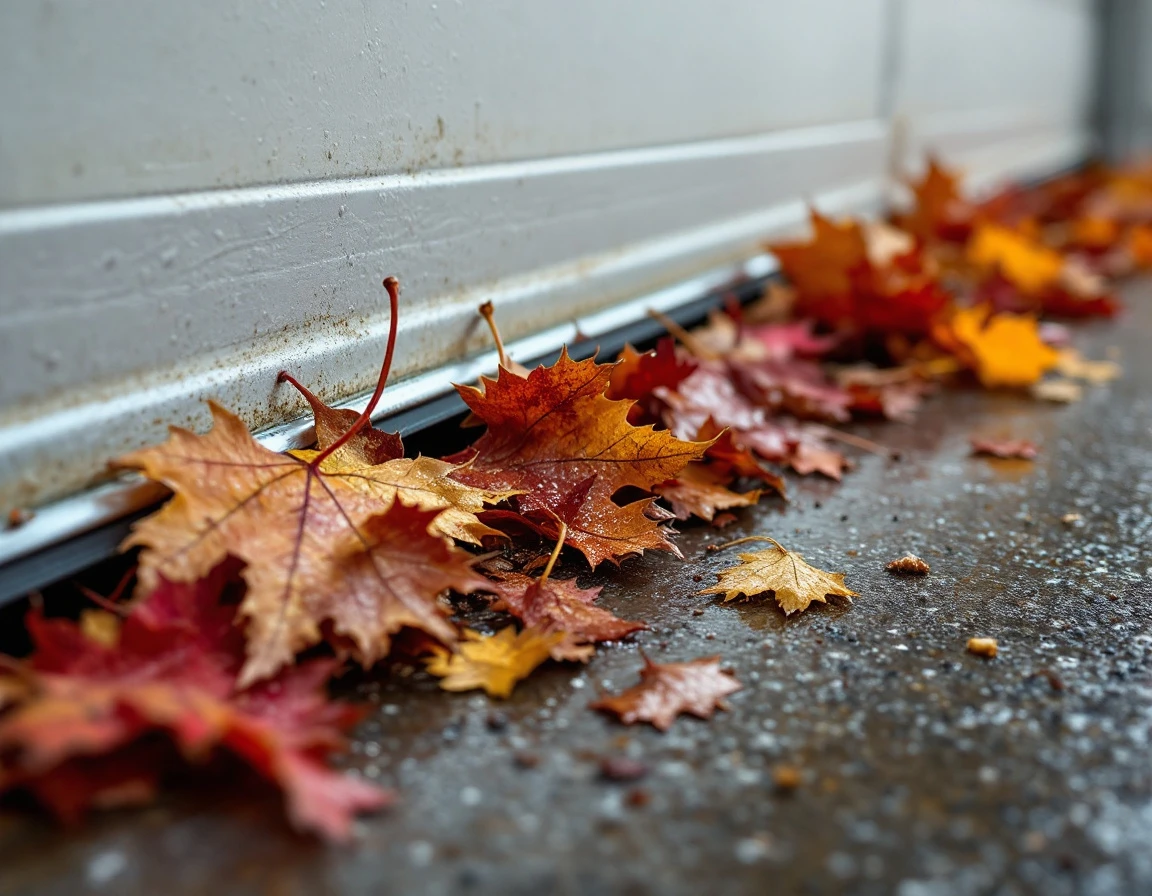
Tools and Materials Needed
Good news: you probably already own everything you need for this job. A shop vacuum (wet/dry, 5–10 amp minimum) with an extension hose pulls debris from tight track spaces without scratching metal surfaces. Grab a soft plastic scraper, old credit card, or garage door track brush to dislodge compacted leaves—avoid metal scrapers that gouge aluminum tracks and create rust points.
You’ll also need a garden hose with a gentle spray nozzle for rinsing floor drains, plus work gloves and safety glasses for basic protection. This entire setup costs less than a single service call. Spending $30 on a dedicated track brush today beats paying $1,500 for emergency opener replacement when debris jams your system during Portland’s first heavy rain.
Safety Precautions During Cleaning
Before you touch a single leaf, disconnect your garage door opener or disable the remote—it takes 30 seconds and prevents accidental activation that could cause serious injury. Never reach into or under the door while it hangs open; sudden drops caused by debris in the track can trap fingers or worse.
Keep safety sensors aligned and clear of debris throughout the cleaning process. Don’t tape them or block their view—they’re your first line of defense against accidents. Operating a door with clogged tracks risks sudden drops, finger injuries, and opener motor burnout.
Stop immediately if the door feels resistant or makes grinding sounds after cleaning. That’s not a failure on your part—it’s wisdom. Contact Garage Harmony or a local technician when something feels wrong. Professional help beats guessing every time.
When to Call a Professional
Sometimes DIY cleanup reveals bigger problems that need expert attention. If your garage door still sticks or grinds after you’ve removed all visible leaves, you’re likely dealing with track misalignment or hidden damage that requires professional tools and experience to diagnose correctly.
Rust or corrosion inside the tracks is another red flag, especially after Portland’s wet fall weather. What looks like surface rust may actually indicate track deterioration that needs specialized lubrication or complete replacement. A professional inspection is a worthwhile investment, but catching rust early can prevent a costly emergency repair when your door fails in November.
Standing water near your floor drain that won’t clear after removing leaves may point to plumbing issues beyond simple blockages. Similarly, if you feel unsafe using tools or lack confidence working around your garage door system, calling a professional is the smart choice.
Portland pros can verify track alignment, inspect for early rust, and confirm your door is ready for winter conditions. Contact us today for a professional inspection that protects your investment and gives you peace of mind before the rainy season arrives.
Fall Prevention and October Readiness
Turning this cleanup into an annual habit protects your garage through winter and beyond. In Portland, leaf fall typically peaks between late September and early October as maples and oaks drop their canopies. Schedule your first cleaning in early September before the bulk of leaves arrive and before the rainy season starts in earnest.
Heavy-leaf years may require a second sweep in late October, especially if mature trees shade your driveway. Watch your neighborhood—if branches are still shedding heavily by mid-October, plan that follow-up session to catch stragglers before November rains lock debris in place.
Connect your drain maintenance to roof gutter cleanup for complete fall preparation. Leaves clogging gutters often overflow into garage floor drains. Creating the same backup problems you’ve just prevented in your door tracks. “…Clearing both systems at once gives you complete protection that keeps water flowing awayy from your garage foundation all winter long.
Add leaf cleanup to your annual garage maintenance checklist alongside spring and fall door inspections. This 30-minute task now saves you from emergency repair calls in October—and from water damage that can cost thousands to fix once winter storms arrive.