East Wind Threat: Cascade Locks Garage Doors and Wind Damage Reality
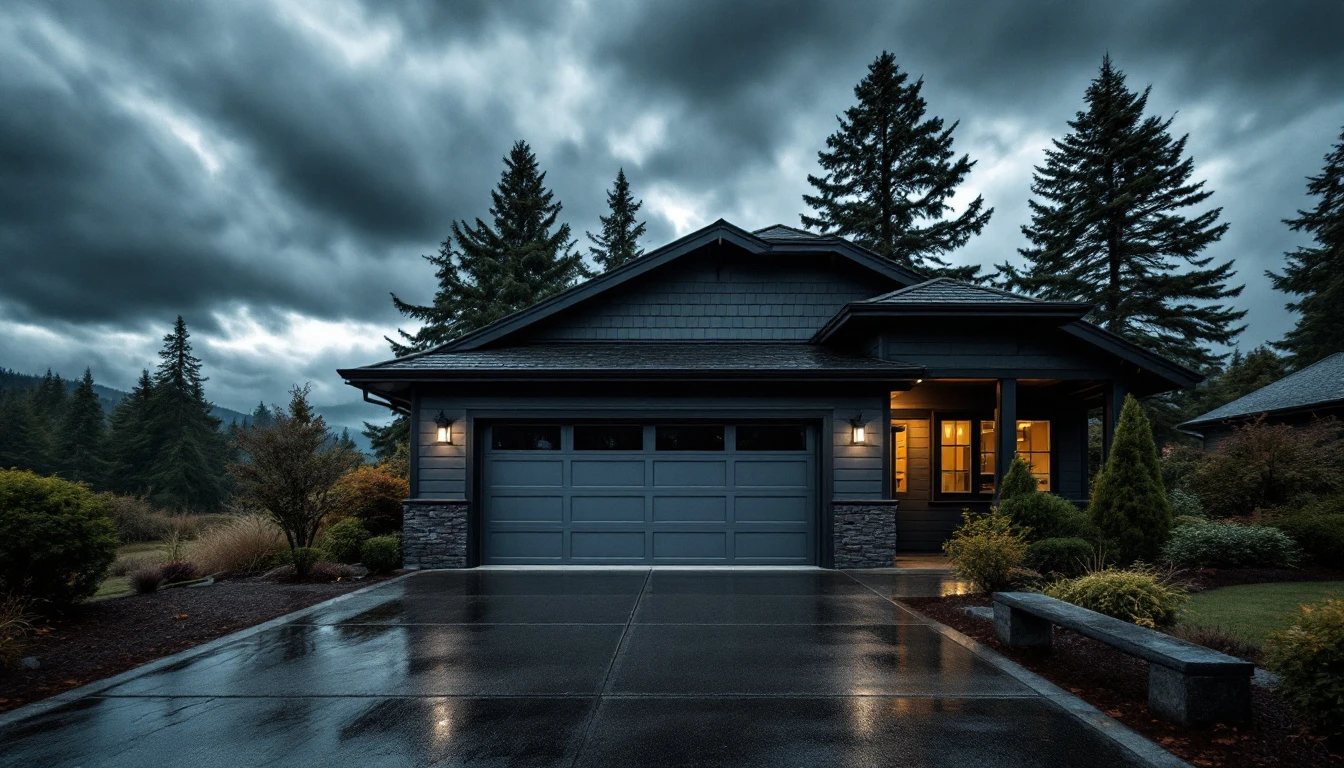
Cascade Locks sits directly in the Columbia Gorge’s wind tunnel, where east winds regularly blast through at speeds that damage standard garage doors and equipment. Understanding how Cascade Locks garage doors wind damage occurs is the first step toward protecting your property from seasonal gust cycles that test door integrity year-round.
40-80 mph east winds are seasonal and recurring
Cascade Locks sits directly in the Gorge wind tunnel where east winds gust between 40 and 80 mph during both winter and summer. These aren’t rare weather events — they’re predictable seasonal patterns that hit your garage door repeatedly throughout the year. While winter ice storms grab headlines, summer windstorms batter doors just as hard during peak recreation season when you’re storing bikes, kayaks, and camping gear.
This year-round wind exposure means stress accumulates on your garage door’s panels, tracks, and hardware even during months when you’re not thinking about weather damage. Each gust tests your door’s wind rating, and cumulative wear weakens components over time. The reality of extreme east winds garage door stress demands that you move beyond standard residential doors to wind-rated alternatives designed for Gorge conditions.
Equipment storage demands peak in summer
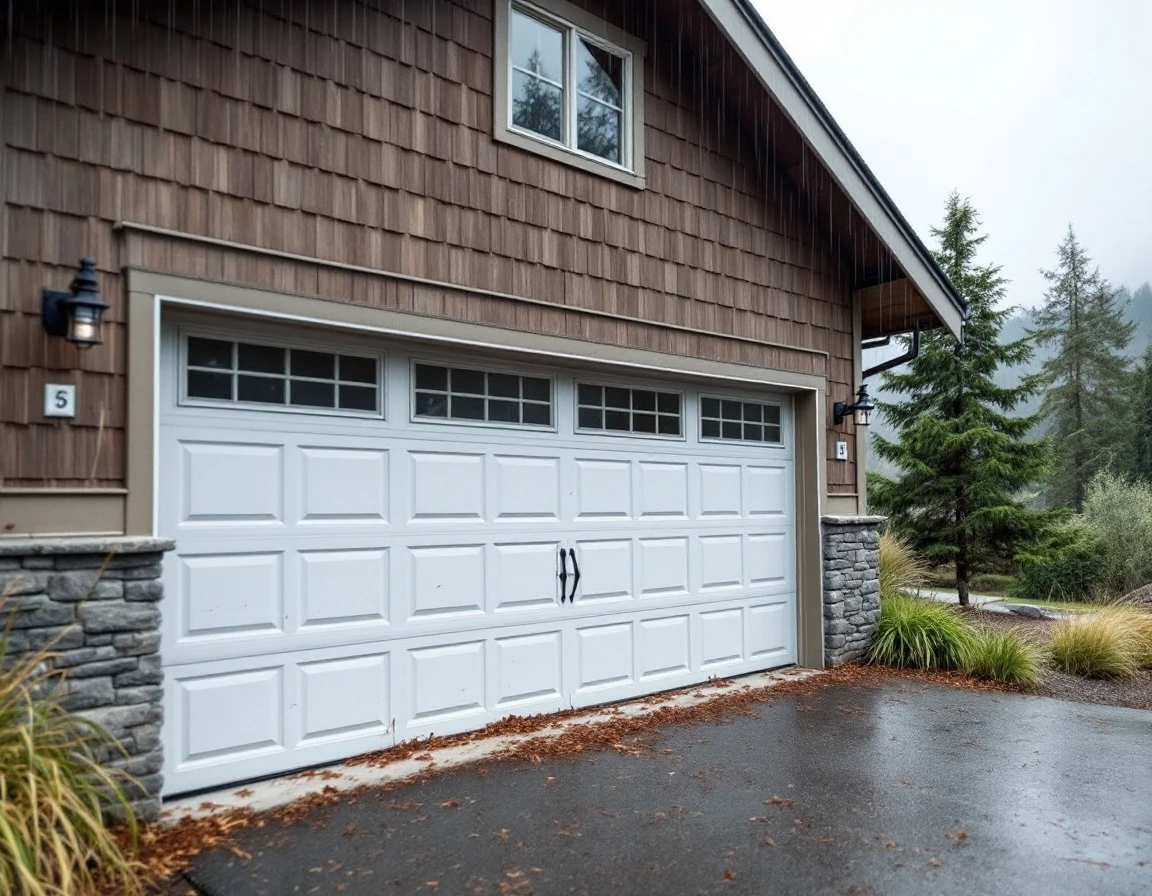
Summer brings kayaks, paddleboards, mountain bikes, and camping gear home to Cascade Locks garages—right when wind damage compounds risk. Pre-summer inspections catch weakened panels and worn weatherstripping before they fail under increased storage loads and persistent Gorge winds.
Wind Damage Signs: How to Identify Wind Damage Garage Doors
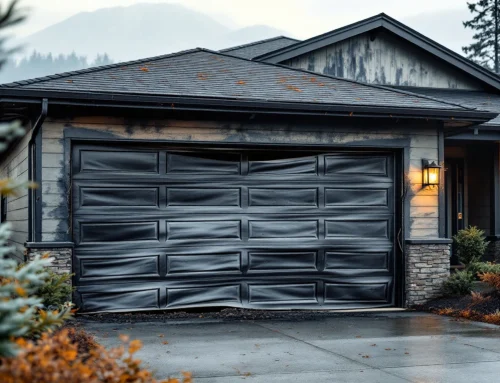
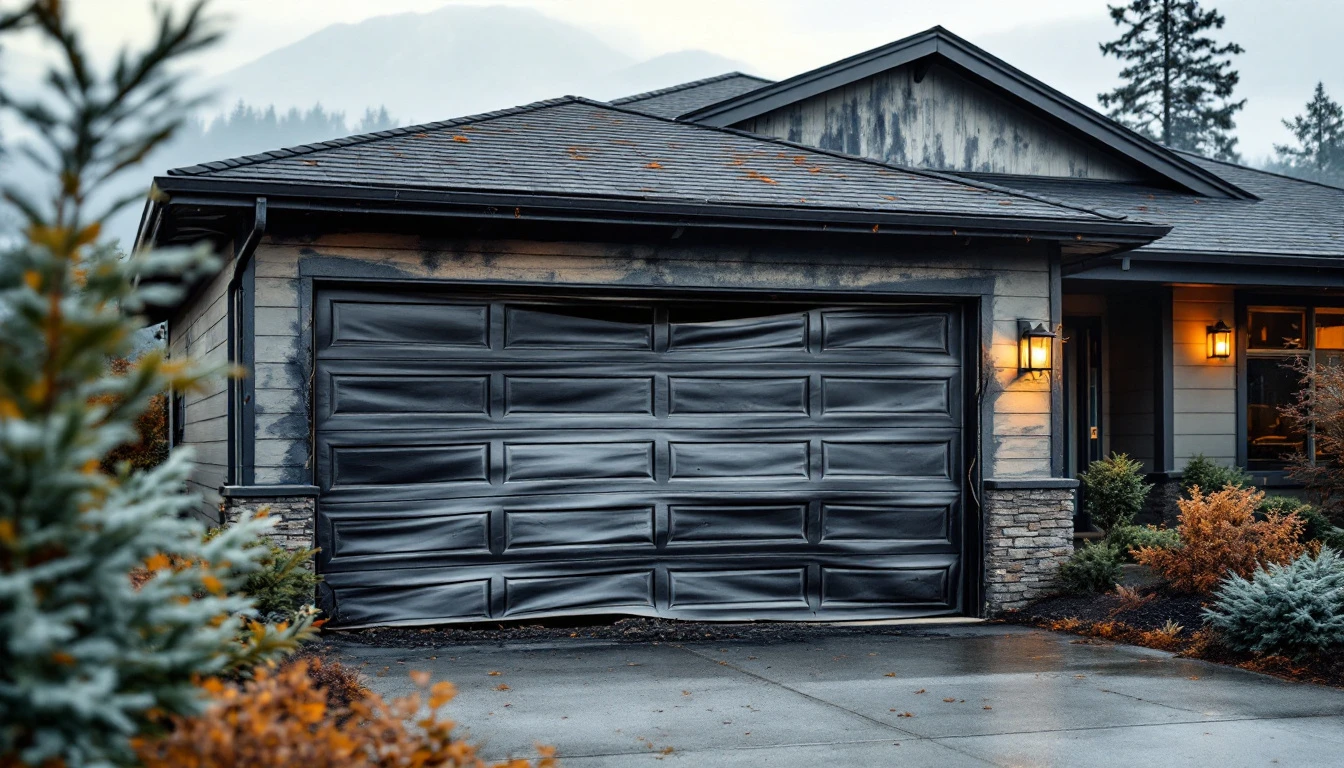
After a major Gorge wind event, homeowners should conduct a systematic inspection to catch damage before it compounds. Start with panel buckling—look for outward bowing or inward denting across door sections, especially on the windward side facing east. Buckled panels compromise structural integrity and create weak points that worsen with each subsequent wind event.
Examine the frame alignment next. Stand inside the garage and close the door, checking for light gaps along the sides or top. Warped frames allow wind infiltration, reduce insulation value, and put additional stress on the opener motor. Run your hand along weatherstripping—if it’s separated, torn, or compressed unevenly, wind has likely forced the door against the frame with enough pressure to damage the seal.
Check all hardware connection points. Bent hinges, loosened mounting brackets, and displaced rollers indicate wind stress that exceeds design limits. These failures create operational problems like binding, jerky movement, or uneven door travel. Before summer storage season begins, use this checklist:
- Inspect panels for dents or cracks
- Verify frame squareness
- Test weatherstripping contact
- Examine hinge condition
- Operate the door manually to detect resistance
Catching these symptoms early prevents catastrophic failure when you need reliable access to recreation equipment.
Wind-Rated Door Specifications
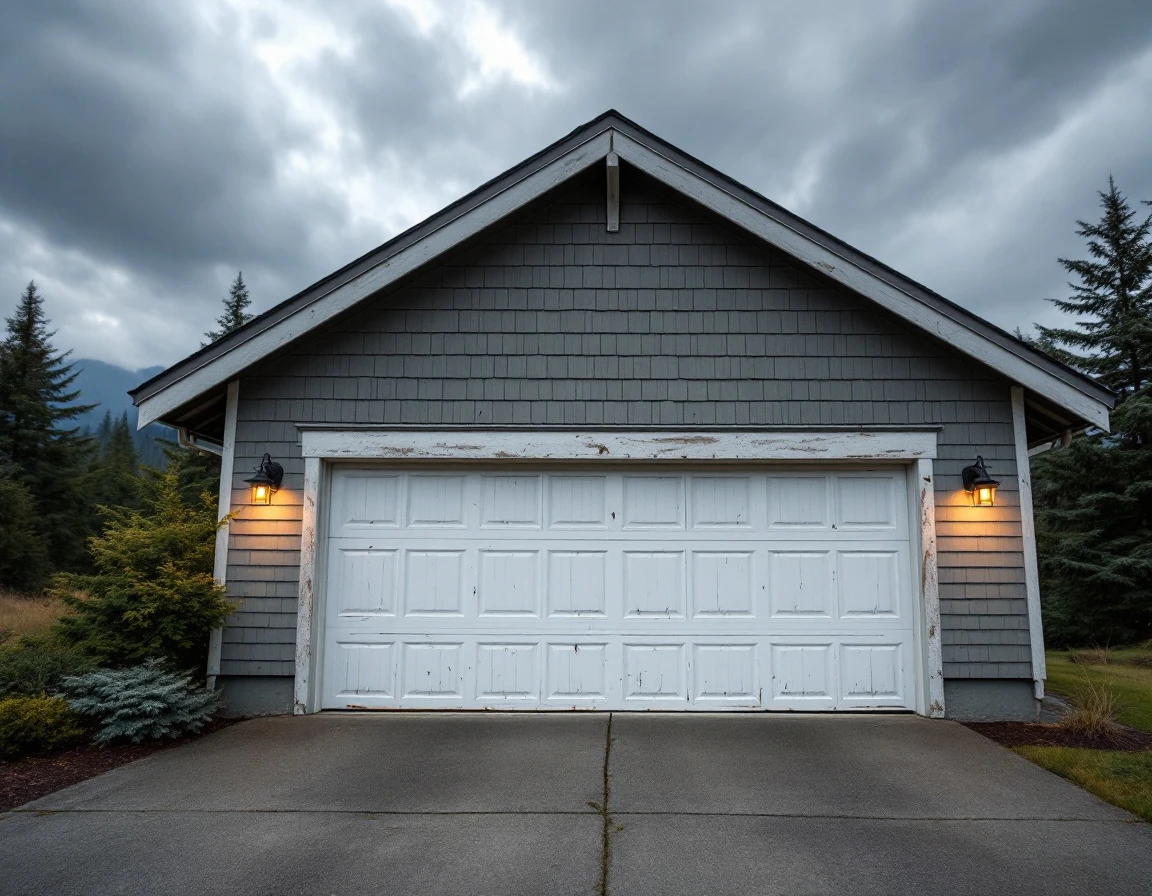
What separates a wind-rated garage door from a standard residential door. The difference comes down to engineered resistance to sustained wind pressure and sudden gusts. Wind-rated doors are tested according to ASTM D7399. A standard that measures how well a door withstands both steady wind loads and sudden pressure changes. When you see a door “rated for 110 mph winds,” that specification refers to the maximum wind speed the door can handle without structural failure.
For Cascade Locks homeowners, the critical threshold is 40+ mph sustained winds with 80+ mph gust capacity. The Columbia Gorge east winds routinely hit these levels throughout the year, making standard non-wind-rated doors a liability. With 40-80 mph wind garage door requirements now the reality in this region, standard doors typically fail at lower wind speeds because they lack the reinforced components that keep wind-rated models intact during storms.
Wind-rated doors achieve their strength through specific upgrades:
- Thicker steel or aluminum panels that resist bending
- Heavier-duty torsion springs designed for increased load cycles
- Reinforced frames with internal bracing
- Enhanced anchoring systems that distribute wind pressure across the entire door structure
These components work together to prevent the catastrophic failures you might witness during Gorge wind events—panels buckling inward, doors ripping from tracks, or frames pulling away from garage openings.
Think of upgrading to a wind-rated door as a preventive investment rather than waiting for emergency repairs. A failed door during summer recreation season means lost access to kayak storage, expensive emergency service calls, and potential equipment damage from exposure.
Addressing wind resistance before peak storage demands arrive helps you protect outdoor equipment garage doors summer season demands place on your property.
Post-Storm Inspection Checklist
After east wind events subside, perform a thorough garage door inspection after storm conditions pass to assess damage before it compounds. Start by listening while operating your door—grinding, scraping, or unusual clicking sounds signal misalignment or hardware stress. Test the complete opening and closing cycle. Does the door hesitate, jerk, or move unevenly? Any hesitation indicates structural stress that requires professional assessment.
Walk around your door and examine each panel for dents, cracks, or buckling patterns. Pay special attention to panel seams where wind pressure concentrates. Check that weatherstripping sits flush against the door frame with no gaps or tears. Inspect all hardware—hinges, brackets, rollers, and tracks—for looseness or displacement. Take photos of any damage you find for insurance documentation and repair quotes.
Timing matters in the Columbia Gorge. June through September represents peak wind season. Coinciding with when kayaks, paddleboards, bikes, and camping gear fill your garage for recreation weekends. Inspect your door in late spring before equipment storage demands peak. If you discover visible panel gaps, dent patterns suggesting frame warping, or any operational hesitation, contact Garage Harmony immediately. Early detection prevents secondary damage and protects the high-value outdoor equipment that makes Gorge living special.
Pre-Summer Scheduling Strategy
Why do so many Cascade Locks homeowners scramble for garage door repairs in July and August? Because they wait until equipment storage needs reveal door problems that have been building since winter’s east winds. May and early June offer a smarter approach.
Schedule your professional garage door assessment now. Before outdoor recreation season peaks. In early summer, local service providers have shorter wait times and can complete repairs before your kayaks, bikes, and camping gear arrive. You’ll have a reliable door when storage demands matter most.
Haven’t had an inspection since last summer’s wind season? That’s nearly a full year of cumulative wind stress on panels, springs, and weatherstripping. Contact a local specialist immediately to book June appointments—wind-rated door installations require advance planning well before fall storm intensity returns.
The practical benefit is clear: address vulnerabilities during the service window when professionals are available, repairs fit your schedule, and your door will function reliably throughout peak summer use. Waiting until equipment needs force the issue guarantees delays, limited appointment availability, and potential security risks during your busiest outdoor season.