Fall Storms and Garage Door Battery Backup for Power Outage
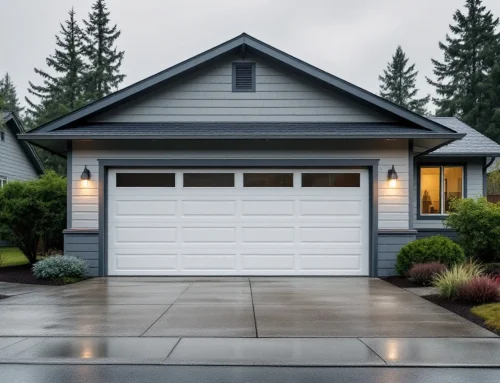
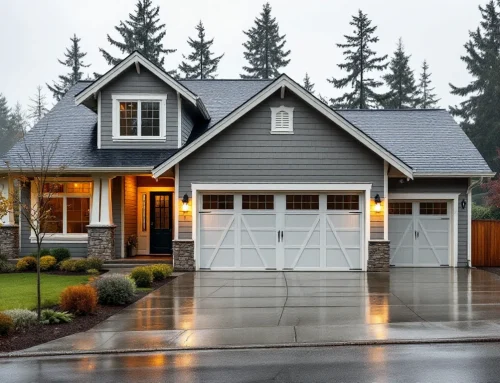
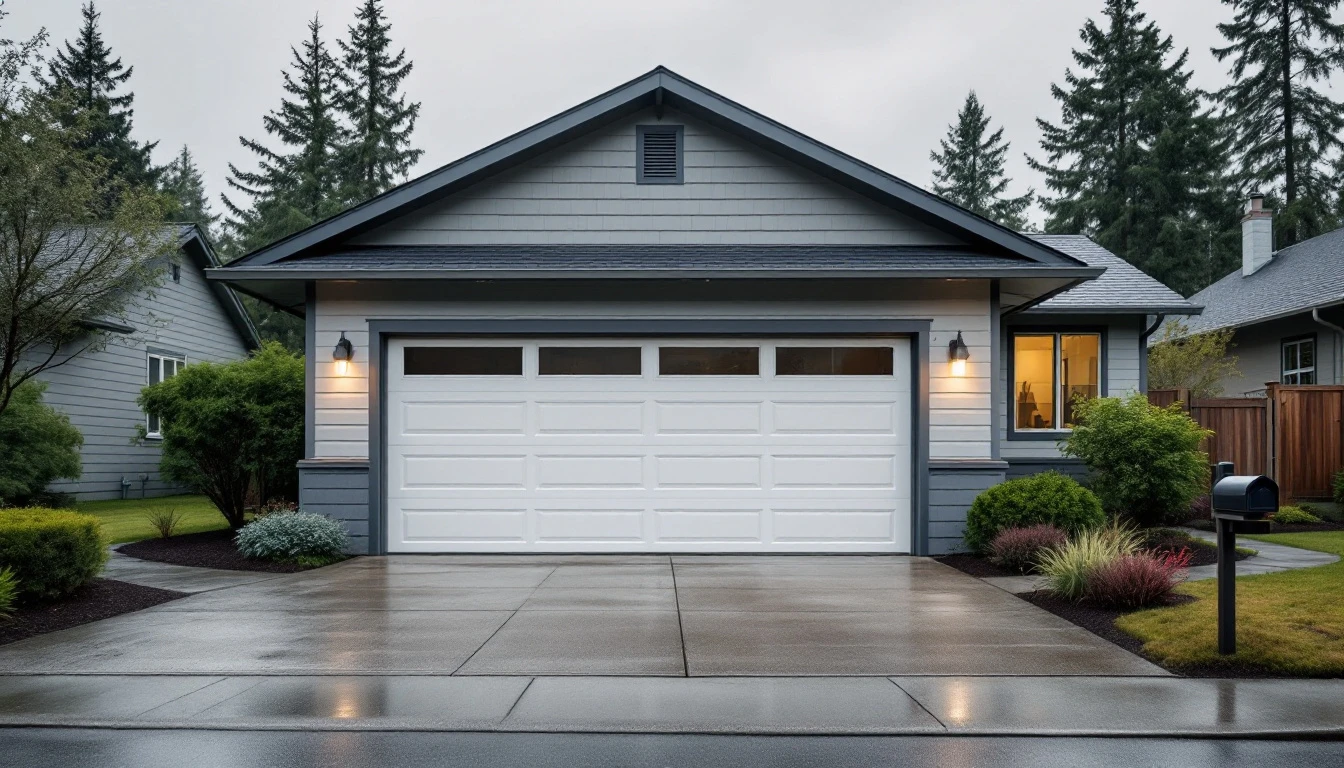
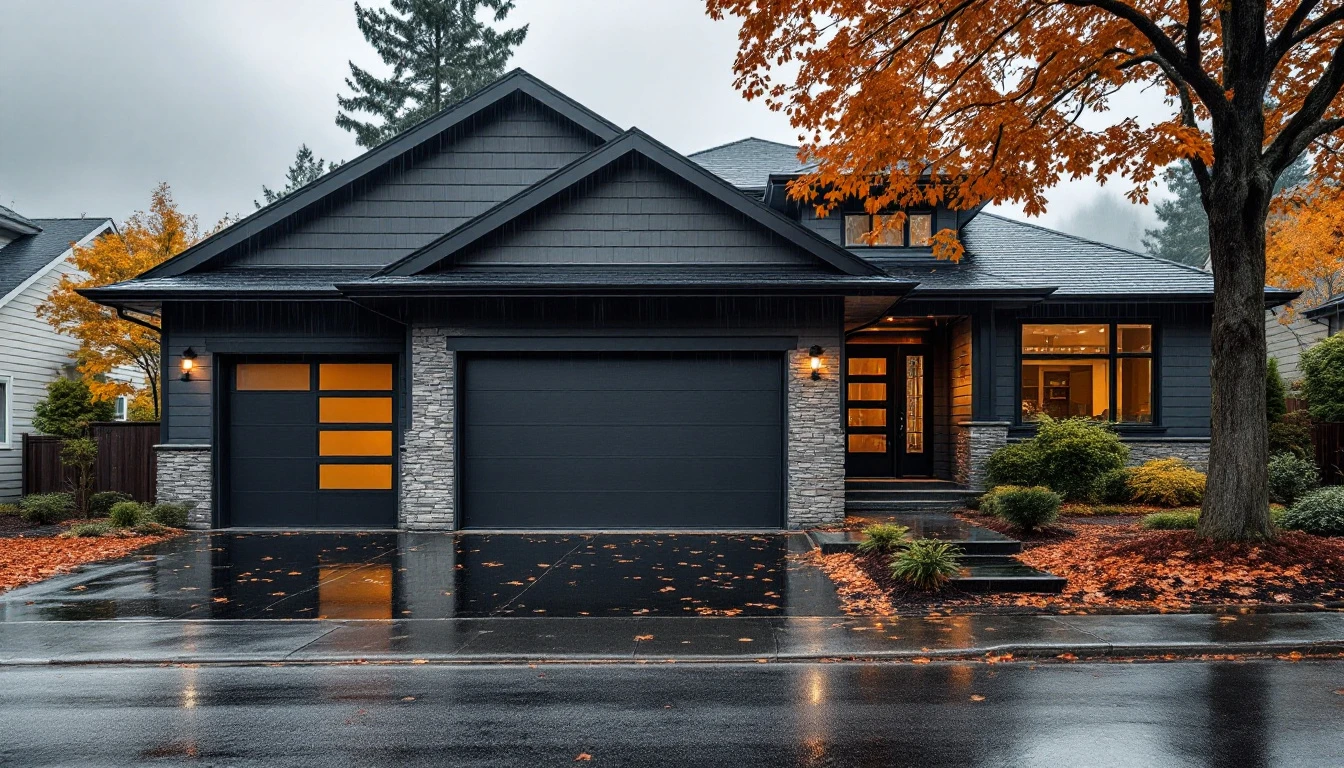
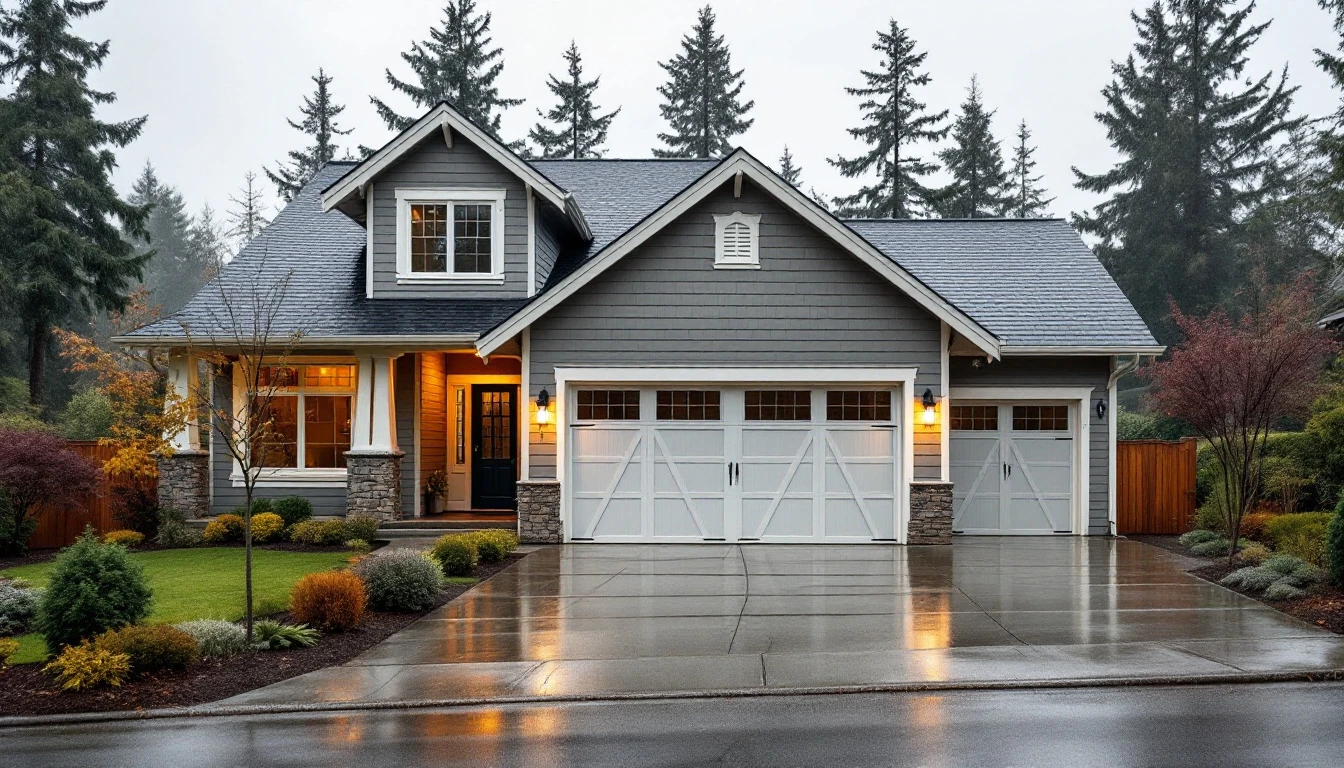
October and November bring predictable storm patterns to the Portland metro area, and with those storms comes a frustrating reality: power outages. These outages typically last anywhere from two to eight hours or longer, depending on wind damage and utility response times. When the grid goes down, your garage door opener stops working—and that creates more than just an inconvenience. A battery backup garage power outage solution prevents the frustration of being locked out or trapped inside.
Think about the difference between being mildly annoyed and being truly stuck. Without backup power, you could find yourself locked out of your home in pouring rain, unable to access your car for work or emergencies. Worse, you might be trapped inside your garage with no manual release knowledge. Disabled openers also create security gaps. Leaving your home vulnerable when the door won’t close properly or at all.
There’s another concern many homeowners overlook: emergency vehicle access. If paramedics or fire personnel need to reach you or move equipment through your garage, a non-functional door becomes a safety liability. Battery backup systems solve this problem by keeping your door operational during grid failures. Installing one before winter storms arrive means you avoid those frantic calls to emergency service providers—and the hefty fees that come with them.
Three Battery Backup Types for Garage Doors
When shopping for battery backup, you’ll encounter three distinct categories, each with different strengths. All three will keep your garage door operating during October storms, but they vary in upfront investment, how many door cycles you’ll get per charge, and whether you can use them for other purposes around your home.
Built-In Battery Modules
Many modern garage door openers come with integrated battery backup or allow you to add a manufacturer-specific module. These plug-and-play units offer the simplest installation—often just snapping into place inside your existing opener. You’ll pay between $50 and $150 for the battery module itself, though some high-end openers include it from the factory.
Runtime is the trade-off. Most built-in modules provide enough power for 20 to 50 door cycles. Which translates to roughly one to two days of typical use during an outage. Maintenance is minimal: you’ll need to replace the battery every two to five years, and replacement batteries can cost nearly as much as the original module. These work best for homeowners who want simplicity and expect only occasional, short-duration outages.
Standalone UPS Systems
Uninterruptible power supply units—the same technology that protects computers—sit between your garage door opener and the wall outlet. You can find models suited to various budgets and power needs, and installation requires no special skills beyond plugging in two cords.
A quality UPS typically delivers extended continuous runtime, supporting multiple door cycles depending on the model and your opener’s power draw. Battery replacement becomes necessary every few years at a modest cost. These systems offer a middle ground: more runtime than built-in modules, easier installation than whole-home solutions, and enough capacity for most Portland storm scenarios without straining your budget.
Portable Power Stations
Portable power stations—essentially large rechargeable battery packs with AC outlets—represent the most flexible option. These units come in various capacities to match your needs, and unlike fixed installations, you’re not locked into garage-only use. Run your garage door during a power outage, then move the unit indoors to power your refrigerator, charge phones, or run a lamp.
Runtime depends on capacity, but mid-range models support 50 to 200 door cycles. Many accept solar panel charging, extending runtime indefinitely during multi-day outages. Maintenance is nearly zero, with most lithium batteries lasting 500 to 2,000 charge cycles before capacity degrades. These suit homeowners who value versatility and want emergency power for multiple applications beyond the garage.
Built-In Opener Battery Modules
If you prefer simplicity over extended runtime, built-in battery modules integrated into LiftMaster, Genie. And Chamberlain openers offer automatic activation the moment your power cuts out. These units deliver 10 to 20 door cycles per charge—enough to get you in and out during one or two emergencies but not suited for sustained outages lasting several days.
Upfront costs range from $150 to $400 depending on the opener brand, and replacement batteries typically run $100 to $250 every three to five years. Installation complexity is minimal since the backup is already part of your opener system.
This option appeals to homeowners with shorter commutes or those who value ease of setup over multi-purpose flexibility, making it a practical choice for budget-conscious Portland residents preparing for October storms.
Standalone UPS Battery Systems
If you need more runtime than a built-in module can deliver, a dedicated uninterruptible power supply (UPS) mounted near your garage door opener offers a solid middle ground. These purpose-built backup systems are hardwired to the opener and provide automatic power switching when the grid goes down—no manual intervention required.
Expect 1 to 3 hours of typical runtime. Which translates to 50 to 200+ door cycles depending on the model and your opener’s power draw. That’s more than enough to handle most October storm outages in the Portland metro area. Upfront costs range from $400 to $900. And you’ll need to replace the battery every 3 to 5 years at a cost of $300 to $600.
Professional installation typically runs $150 to $300 in the Portland area, and some models now include Wi-Fi monitoring so you can check battery status from your phone. This option strikes a practical balance: reliable runtime, focused functionality, and a reasonable price for homeowners committed to garage resilience without needing portability.
Portable Power Station Backup
Portable power stations take garage door backup to the next level, offering rechargeable battery systems ranging from 500W to 3000W that power your opener and other household devices during an outage. These versatile units measure capacity in kilowatt-hours (kWh)—a 1 kWh station typically runs a garage door opener for 4–6 hours while simultaneously charging phones and powering emergency lighting.
How do you size a system for your needs? Calculate your garage door opener’s wattage (usually 300–500W), multiply by your desired runtime in hours, then add capacity for other appliances you want to keep running. A 1.5–2 kWh unit handles most garage door needs plus several small devices.
Expect upfront costs between $300 and $2,000+ depending on capacity, with modular solar charging options available for extended outages. No electrician required—simply plug in your opener and move the station to different rooms as needed. Regular charging between storm seasons extends battery lifespan, making this the best choice for homeowners building broader home resilience beyond just the garage door.
Portland Area Costs and Installation
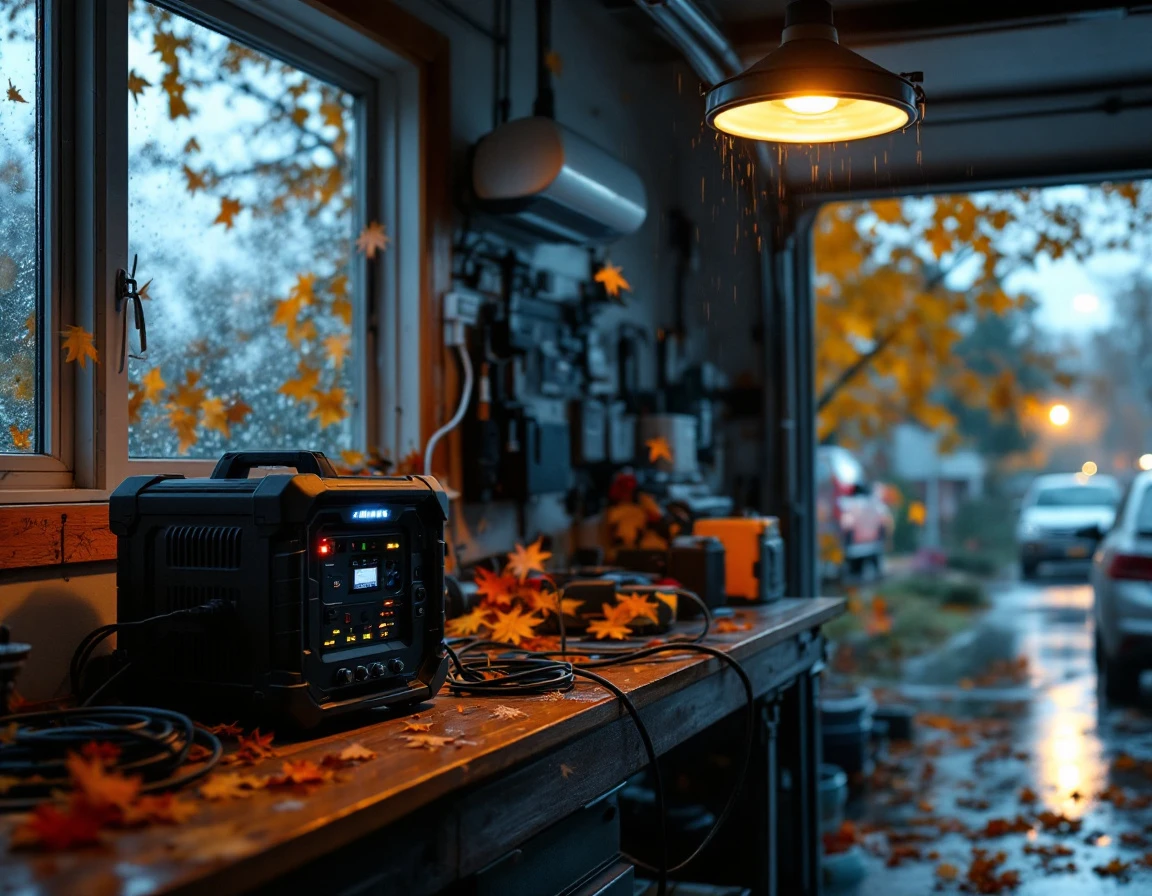
Understanding the full investment helps you choose the right battery backup system for your budget and needs. Built-in battery modules offer the most affordable entry point at $150–$400 upfront. With no installation labor required—just plug in your opener and insert the battery pack. Plan for replacement batteries every three to five years at $100–$250 per cycle.
Standalone UPS systems run $400–$900 for the unit itself. Plus professional installation fees. Portland electricians typically charge $150–$300 for hardwiring a UPS to your garage circuit, depending on panel access and wiring complexity. Battery replacements every three to five years add another $300–$600 to your total cost of ownership.
Portable power stations range from $300 for basic models to $2,000+ for high-capacity units with solar charging capabilities. Optional solar panels add $150–$400 but eliminate ongoing charging costs. Since these systems simply plug into your opener, you avoid installation fees entirely.
Why does October matter for installation timing? Contractors face lighter schedules before the December–January rush, when homeowners scramble for emergency repairs after storm damage.
Winter weather can also delay outdoor electrical work, pushing your installation into February or March—well after you need it most.
Contact several Portland-area electricians for quotes on UPS installation, and compare their availability windows. Getting multiple bids now means you’ll have backup power ready before the next windstorm hits.
Battery Backup vs. Portable Generator
Should you skip the battery backup for garage door opener backup and buy a generator instead? For many Portland homeowners, the question comes down to how you actually use backup power—and what your garage door needs during a typical storm.
Generators offer whole-home backup and can run for days on a tank of fuel, but they come with trade-offs. You’ll need to store gasoline or propane, perform regular maintenance like oil changes and spark plug service, and deal with noise that might disturb neighbors. Most generators take several minutes to start and stabilize, and you’ll need an outdoor installation space protected from rain. During October’s wet weather, refueling in the middle of a storm isn’t fun.
Battery backup systems activate instantly the moment power drops. Require no fuel storage, produce zero emissions, and operate silently—ideal for residential neighborhoods. When your goal is simply keeping the garage door functional during a four-hour outage, a battery system is more practical and hassle-free.
That said, generators excel at extended resilience. If you want to power your entire home through multi-day outages, or if your household includes medical equipment that demands continuous electricity, a generator makes sense. Some homeowners choose a hybrid approach: battery backup for the garage door and immediate needs, paired with a generator for whole-home support during prolonged events. This combination delivers both instant access and long-term capability without over-investing in solutions that don’t match your actual priorities.
Next Steps: Install Before Winter
Ready to protect your garage from Portland’s fall and winter power outages? Start by identifying your current garage door opener model and checking the manufacturer’s website for compatible battery backup options. Many brands offer plug-and-play modules designed specifically for their systems, simplifying your decision.
Next, reach out to local Portland-area garage door professionals for assessments and quotes. Getting estimates from two or three contractors helps you compare pricing, warranty terms, and service plans. At Garage Harmony, we specialize in helping homeowners choose and install the right backup system for their needs and budget. Contact us today for a personalized consultation.
Timing matters more than you might think. Schedule your installation in October to beat the rush and avoid weather-related delays that become common once November storms arrive. Contractors book up quickly as winter approaches, and outdoor installation work becomes more challenging in heavy rain and wind.
Once your system is in place, plan routine battery checks every six months and budget for battery replacements every three to five years, depending on the system you choose. That simple maintenance schedule delivers years of peace of mind, knowing your garage stays accessible no matter what the weather brings.