

Why June Thunderstorms Threaten Portland Garages
Pacific Northwest weather patterns shift sharply in June, bringing heavy thunderstorms that dump more water in minutes than spring’s gentle drizzle delivers in hours. These summer downpours arrive with wind-driven rain that pushes moisture horizontally into vulnerable garage doors during heavy rain events, overwhelming drainage systems designed for typical rainfall.
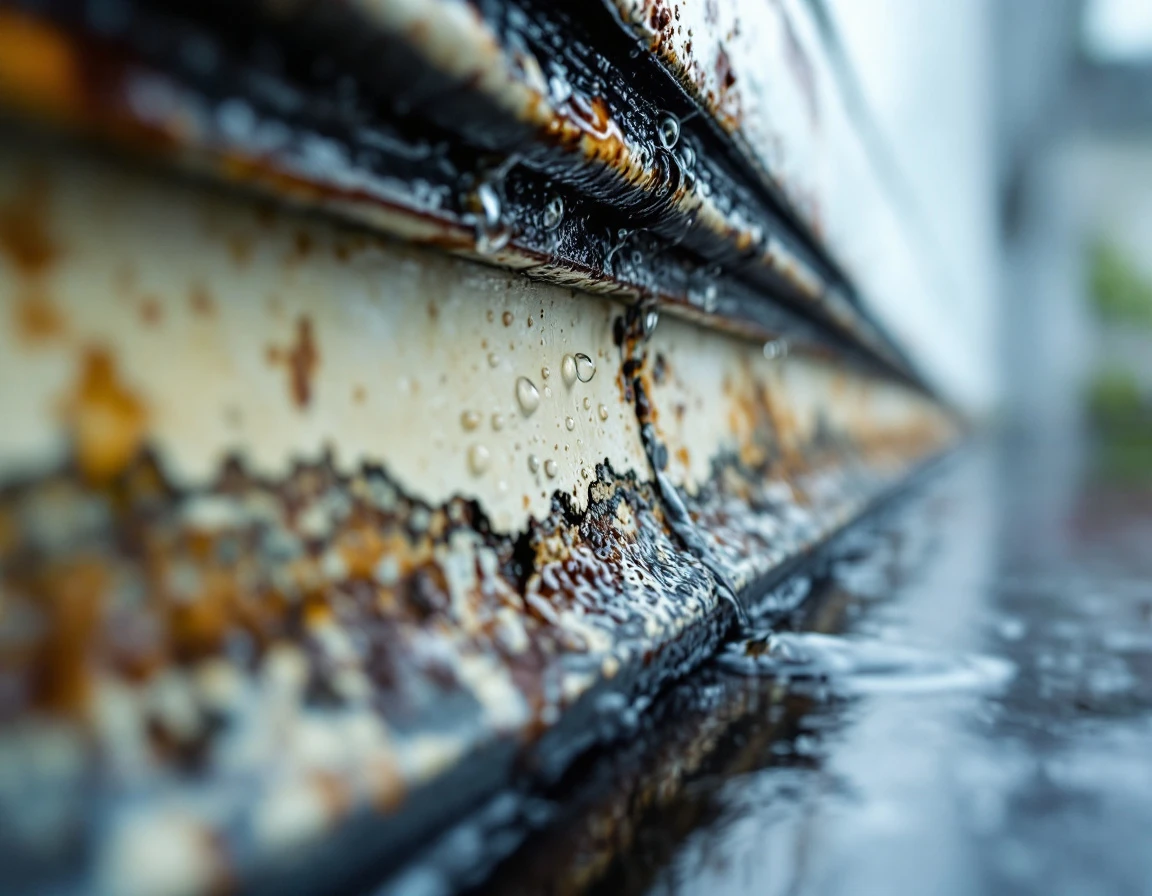
When bottom seals crack or side weatherstripping deteriorates, water finds its way inside—pooling on concrete floors, soaking stored belongings, and creating conditions where mold takes hold. Many Portland homeowners discover these failure points only after water damage demands expensive emergency repairs.
A 90-minute inspection before storm season identifies weak seals, clogged drainage paths, and weatherstripping gaps—preventing the water intrusion that turns a manageable maintenance task into a costly emergency.
Weatherstripping Inspection & Seal Testing
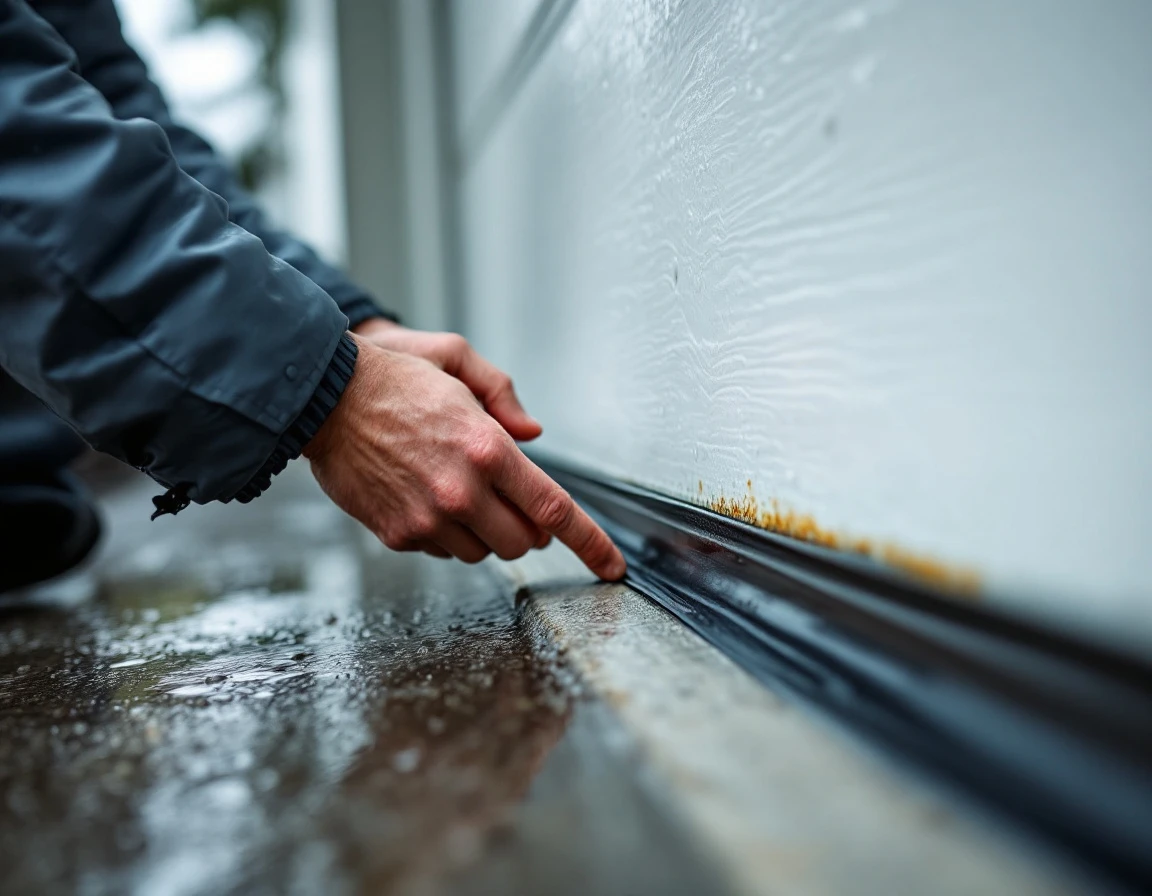
Start your inspection at the bottom seal—the rubber strip spanning the door’s base where water most commonly enters during heavy rain. Look for cracks, tears, or sections where the rubber has hardened and lost flexibility. Run your fingers along the entire length, checking for gaps where the seal has pulled away from the retaining track.
Next, examine the side and top weatherstripping. Close the door and step inside your garage with the lights off. Visible light streaming through indicates compression failure that allows wind-driven rain to penetrate. Press each section with your thumb—healthy weatherstripping rebounds quickly, while degraded material stays compressed or feels brittle.
Ready to test for active leaks? Grab a garden hose set to gentle spray. With a helper inside the garage, systematically spray along each seal for 30 seconds while they watch for water intrusion. This simple test reveals failing seals without waiting for the next storm.
If you find minor gaps where weatherstripping has shifted, check for adjustable mounting brackets—you can often re-seat seals in minutes. Extensive cracking or hardened rubber means full replacement. Full seal kits run $100–300, a modest investment when catching problems now prevents emergency calls during June storms.
Drainage Path Clearing & Water Flow
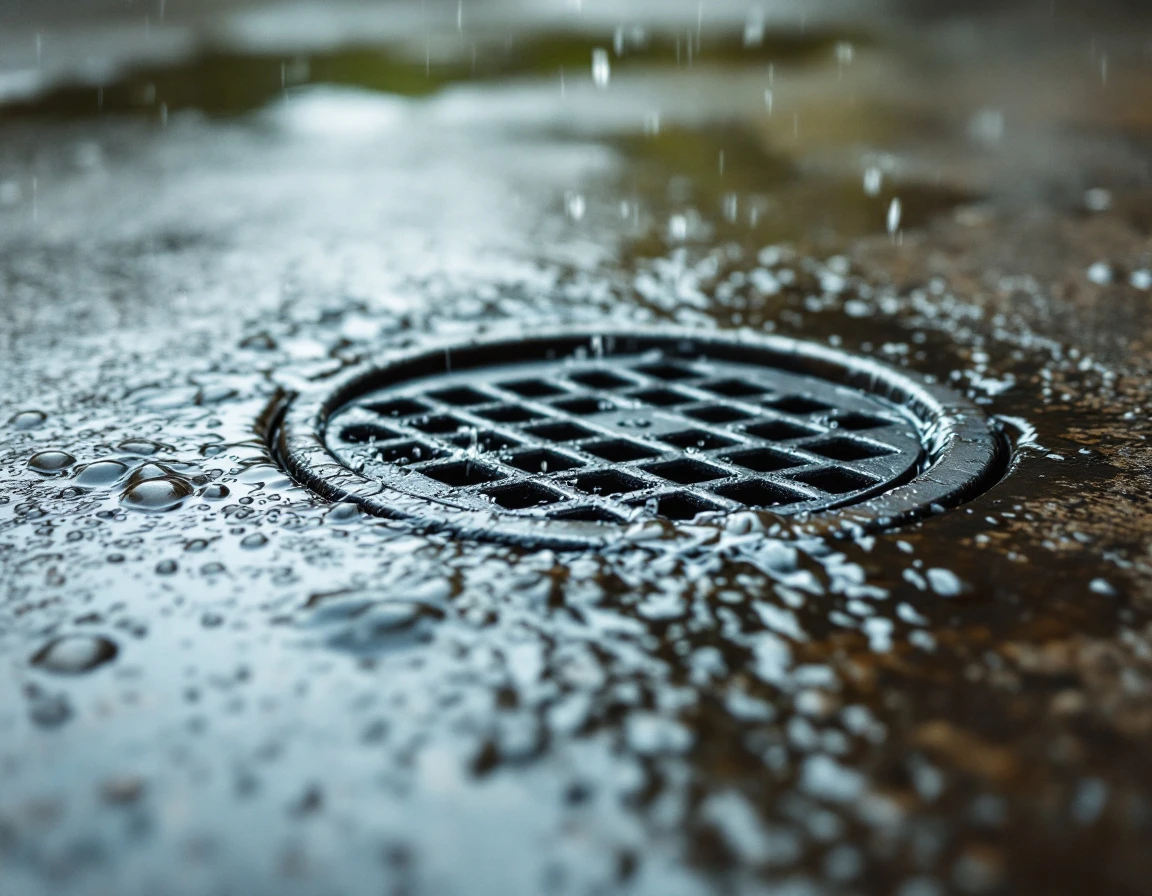
Clogged drainage channels turn moderate rain into a flooding threat. Garage door tracks and ground-level drainage paths collect leaves, dirt, and sediment that block water flow during heavy downpours. When debris builds up, water pools against your garage entry instead of dispersing away from the foundation. Garage door drainage problems are especially acute in Portland during thunderstorm season.
Standing water accelerates weatherstripping failure and creates foundation damage over time. The combination of blocked drainage and compromised seals allows water to infiltrate your garage during Portland’s June thunderstorms.
Clearing debris takes less than 20 minutes but prevents overflow when heavy rain hits. Remove leaves and sediment from track channels, sweep the garage entry area, and check that ground slopes away from your garage rather than toward it. Water should flow away from the foundation naturally.
Homeowners can tackle debris clearing themselves, but grading issues require professional assessment. If water consistently pools near your garage, contact us today for a drainage evaluation before storm season arrives.
DIY vs Emergency Garage Door Repair Portland Oregon
Simple weatherstripping replacement and drainage clearing fall squarely in DIY territory for homeowners with basic tools. If your garden hose test revealed minor seal gaps and your drainage channels just need debris removal, you can handle these tasks yourself this weekend.
Track misalignment, spring issues, or opener problems require professional repair. These systems operate under extreme tension and precise engineering tolerances. Attempting DIY repairs on springs or tracks creates safety risks and often makes the original problem worse.
Scheduling professional repairs now, in June before peak thunderstorm season, costs far less than emergency callouts during July and August when water damage claims spike and emergency repairs carry 50 to 100 percent premium pricing over standard service rates.
Pre-Storm Action Checklist: 90-Minute Prep to Protect Garage Door from Rain
Complete this one-time June checklist before Portland’s summer thunderstorms hit. Print or screenshot this action plan and tackle it this week—waiting until July means you’re already in storm season.
The following steps will prepare your garage door for heavy rain:
- Step 1: Weatherstripping Inspection (15 minutes) – Examine bottom seal for cracks, brittleness, and gaps; check side and top seals for compression and deterioration; mark problem areas with tape for repair
- Step 2: Water Seal Test (10 minutes) – Run garden hose along door perimeter; watch for water entry points inside garage; document leaks with photos
- Step 3: Drainage Clearing (20 minutes) – Remove debris from door tracks and threshold; clear leaves and dirt from entry slope; test water flow with hose
- Step 4: Professional Assessment (15 minutes) – Review findings against DIY vs. pro decision tree; schedule repairs for track, spring, or opener issues; book weatherstripping replacement if needed
- Step 5: Documentation (10 minutes) – Photograph all problem areas; note repair priorities; set calendar reminder for fall re-check
If you found problems during this inspection, contact Garage Harmony today to schedule a professional assessment before peak storm season arrives.




Leave A Comment