

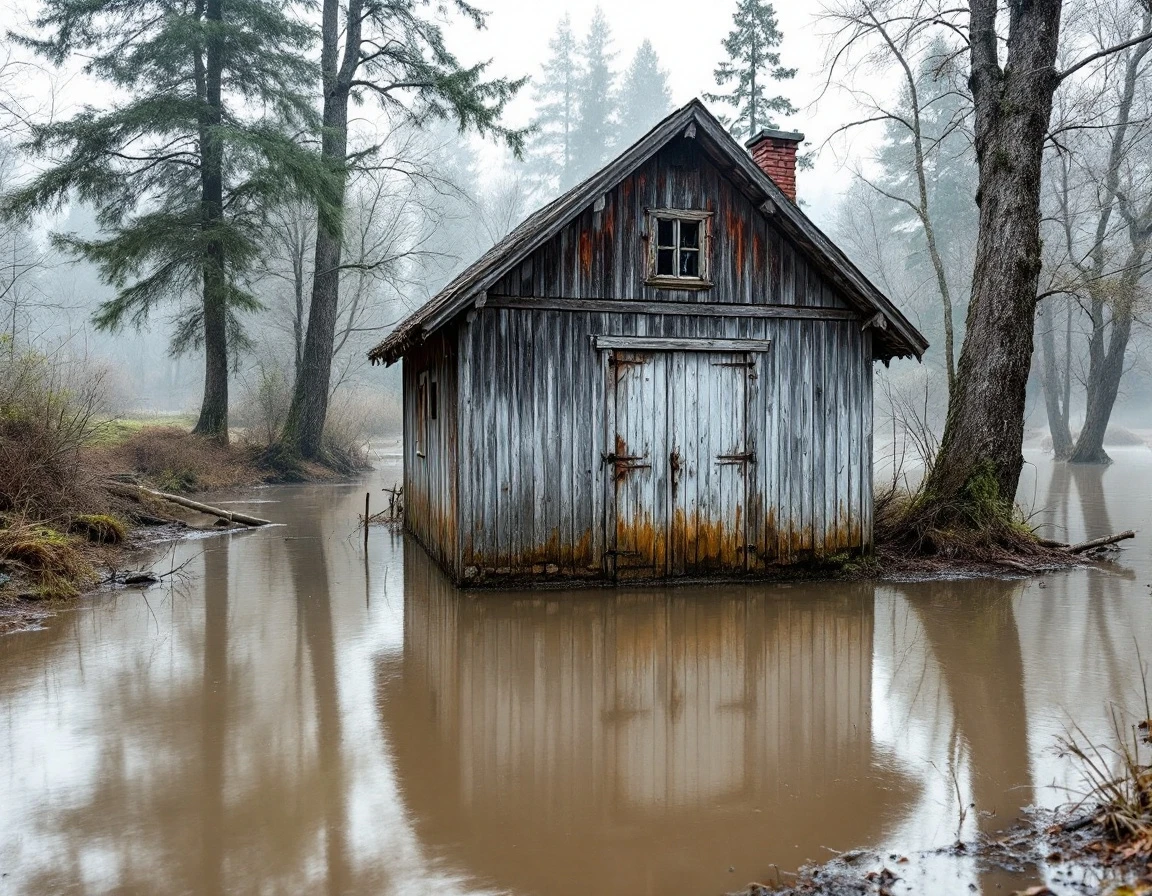
Molalla River Flood Protection for Your Garage
Spring flooding is a real concern for garage owners in Clackamas County. Did you know the Molalla River peaks in June and July? Rising waters threaten detached garages, workshops, and everything stored inside. You can protect your structure with the right preparation.
Molalla River seasonal rise peaks June–July
The Molalla River swells during June and July as mountain snowmelt combines with late-spring rainfall. Water levels rise across floodplain properties throughout Clackamas County. This predictable seasonal pattern creates a narrow window when detached garages and workshop buildings face their greatest risk of damage.
Floodwaters can damage your detached garage quickly. Water creeps through door seals and cracks, ruining stored tools and equipment. Standing water can weaken your concrete foundation and gravel base over time. Floodwater pressure can buckle door panels, warp wood frames, and corrode steel—damage that’s expensive to repair.
Understanding this timing allows you to implement protection measures during the dry spring months of April and May, before peak flows arrive.
Flood zones vary by proximity to riverbed; county
The Clackamas County floodplain maps show a clear gradient of risk based on how close your property sits to the Molalla River. Properties within 500 feet of the riverbed are in high-risk flood zones. Properties farther out have lower risk—but they’re not completely safe. Check your property’s flood zone designation on the county website.
You can access these maps through the Clackamas County Development Services website to determine your garage’s exact flood zone designation and plan protection measures accordingly.
Drainage Solutions for Flood Prevention
The first line of defense against spring flooding starts with managing water before it reaches your garage foundation. Proper grading around your garage directs rainwater and snowmelt away from the structure, preventing pooling and seepage. For properties in Molalla, Estacada, and other foothill communities where the Molalla River drainage basin creates saturated soil conditions, the ground should slope at least six inches over the first ten feet away from your garage slab.
Gutters and downspouts handle the volume of water sheeting off your garage roof during Clackamas County’s heavy spring rains. Standard five-inch gutters often can’t keep pace with April and May downpours, causing overflow that dumps water directly against your foundation. Six-inch gutters paired with downspout extensions that carry water at least six feet from the garage prevent this problem. Check these systems in March before the Molalla River’s snowmelt begins.
For properties with poor natural drainage or those near the Molalla floodplain, French drains are an effective way to manage water underground. Basically, they’re gravel-filled trenches with pipe that catch water before it reaches your garage and send it away to lower ground. Installation of detached garage flood drainage solutions involves digging a trench around the uphill side of your garage, wrapping perforated pipe in filter fabric, and backfilling with gravel.
Install a sump pump if your workshop has a basement or crawl space. It automatically pumps water away when it accumulates. Test your sump pump monthly during flood season and clear the discharge line of debris to keep it working.
Spring maintenance tasks include flushing downspouts, clearing gutter debris, and inspecting French drain outlets for blockages that could redirect water back toward your garage during the critical May-June flood window.
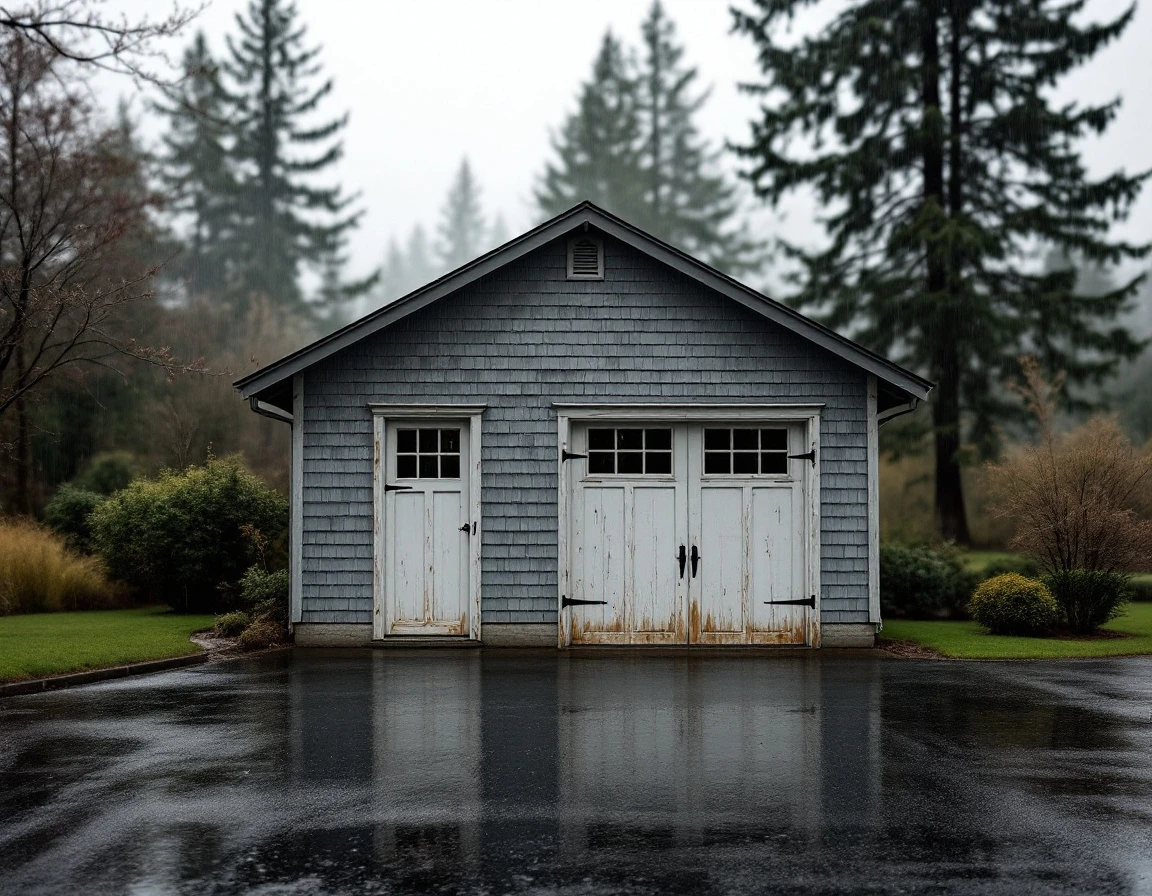
Weatherstripping and Threshold Protection
After establishing proper drainage, the second protection tier focuses on sealing your garage door and entry points against lateral water intrusion. Weatherstripping creates a continuous barrier that prevents floodwater from seeping through gaps between the door and frame during the Molalla River’s spring rise.
Three primary weatherstripping types serve different sealing needs:
- rubber seals provide flexible compression for irregular surfaces
- silicone strips resist UV degradation in exposed areas
- brush seals block water while allowing slight door movement
The bottom seal—often called a threshold or door sweep—is really important. It stops water from creeping up through your concrete floor, which happens on porous concrete during flooding.
Proper threshold installation requires a metal or vinyl track that attaches firmly to the concrete floor, creating a raised barrier that forces water to pool outside rather than migrating under the door. This barrier works in tandem with side and top weatherstripping to form a complete envelope around the entry point.
Schedule your weatherstripping inspection in April or early May. Well before June’s typical flood window. Replace any cracked, compressed, or brittle seals—most materials last two to three years before losing effectiveness. In Clackamas County’s wet climate, deterioration happens faster on north-facing doors that receive less sun exposure.
Fresh weatherstripping paired with functioning drainage helps you protect garage from flood damage and transforms your garage into a sealed unit capable of withstanding spring floodwaters.
Emergency Preparedness and Response
Even the best drainage and weatherproofing can’t stop an exceptional flood. That’s why you need a preparedness plan. When you have clear action steps ready before water rises, you can handle a crisis calmly.
Create a pre-flood checklist in April before the June-July flood window opens. Your checklist should include:
- Move stored vehicles, power equipment, and valuable tools to higher ground or inside your main residence
- Photograph garage contents for insurance documentation, noting serial numbers and purchase dates
- Identify the main water shut-off valve location and make sure all household members know how to operate it
- Disconnect electrical devices from outlets in detached garages to prevent short circuits when water enters
Subscribe to Clackamas County Emergency Alerts through the county website and monitor the U.S. Geological Survey’s Molalla River gauge readings online. These services give you advance warning when river levels get dangerous—usually six to twelve hours to finish your prep work.
After floodwater recedes, remove standing water immediately using pumps or wet vacuums to prevent mold growth within the critical first forty-eight hours. Open garage doors for ventilation and run fans to accelerate drying. Schedule a professional structural assessment with Garage Harmony before using the space again—our experts will check for hidden foundation damage and electrical hazards to protect your investment.
Seasonal Preparation Timeline
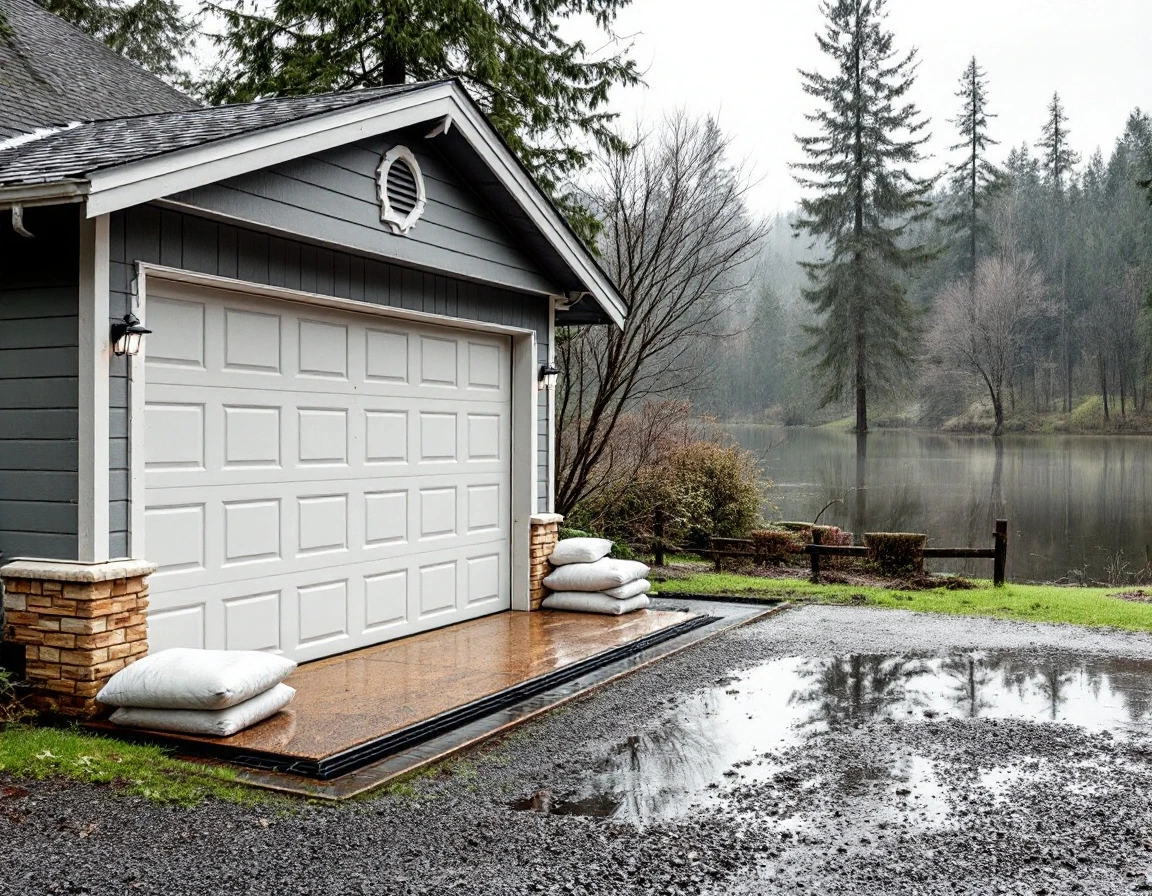
Follow this month-by-month action plan to protect your garage ahead of the Molalla River’s June–July flood window. April through early May is your critical preparation period: inspect all drainage systems, clear gutters and downspouts of winter debris, replace worn weatherstripping around garage doors. And grade soil away from foundations. Schedule professional repairs now, before contractors book up.
By early June. Shift to emergency readiness. Confirm your flood insurance coverage is current, test sump pumps by pouring water into the basin, and verify that emergency supplies including flashlights, batteries, and sandbags are accessible. Review evacuation routes and keep emergency contacts posted inside your garage.
During the June–July flood season. Monitor Clackamas County water level reports and National Weather Service alerts. Stay alert to flood warnings specific to the Molalla River watershed. Keep emergency contacts accessible and document any water intrusion immediately.
Maintain these protections year-round: inspect drainage annually each April, replace weatherstripping every two to three years, and test sump pumps quarterly. Reference the checklist in this guide to track maintenance tasks for spring flooding prevention in the Molalla River area.




Leave A Comment