

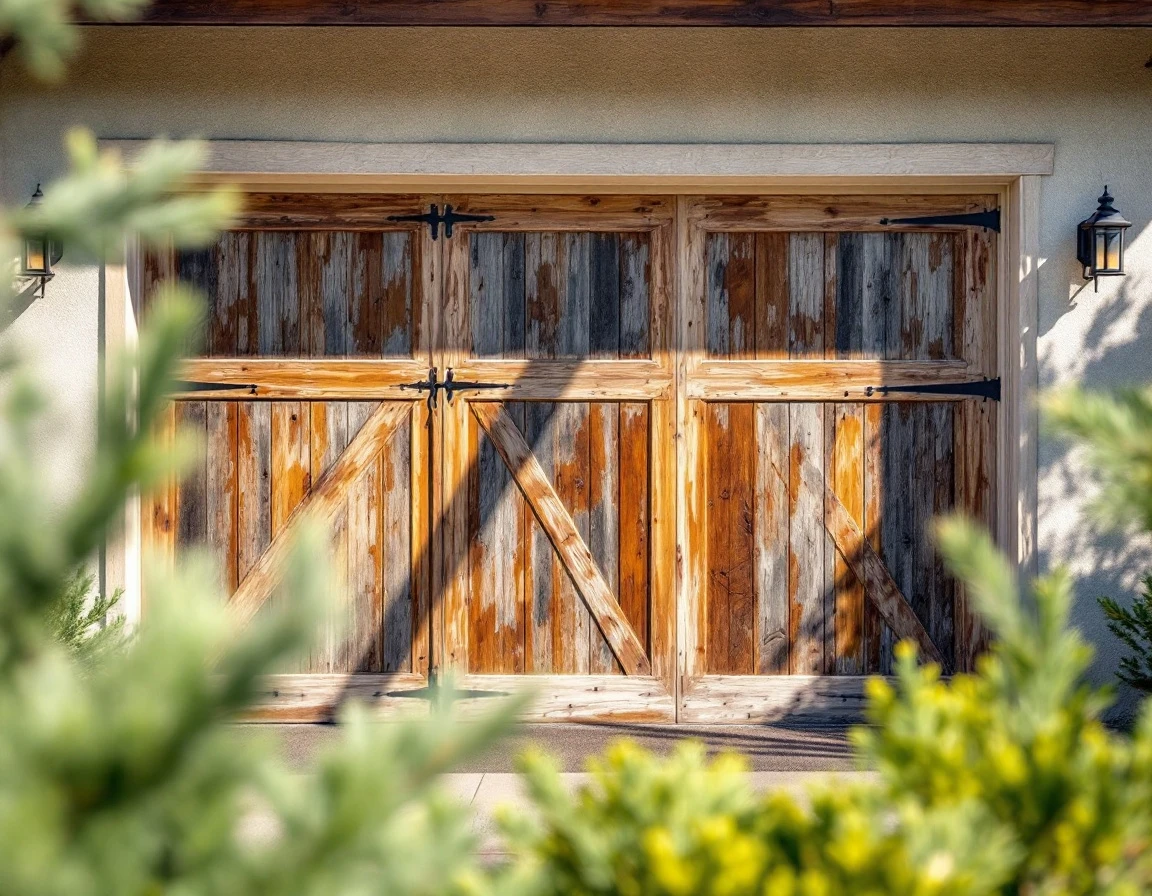
Why Central Oregon Sun Damages Garage Doors
Central Oregon’s high desert geography creates the perfect storm for garage door deterioration. At elevations ranging from 3,200 feet in Sisters to over 4,200 feet in La Pine, homeowners face UV intensity that increases with altitude, actively breaking down the chemical bonds in garage door finishes faster than occurs at sea level. Central Oregon sun garage door damage accelerates here compared to most other regions because of this combination of altitude, dry climate, and extended sunshine.
The chemistry behind this damage is simple. UV radiation attacks the polymer chains in paint and gel coat finishes, causing them to fragment and lose cohesion. This process, called photodegradation, creates the fading and microcracking you see on neglected garage doors. Central Oregon’s bone-dry climate accelerates this breakdown because there’s less atmospheric moisture to filter incoming UV rays before they reach your garage door.
With 300+ days of annual sunshine bathing the region, your garage door faces relentless exposure from late spring through early fall. The combination of intense high-altitude UV, minimal atmospheric filtering, and extended sunny periods means garage door finishes deteriorate faster here than in Portland or Eugene. By the time you notice significant fading or cracking, the damage often requires professional refinishing or complete door replacement—expenses that run into thousands of dollars.
That’s why protective measures applied before summer’s peak sun makes financial sense.
Early Signs of UV Damage
Catching sun damage early can save you hundreds or even thousands of dollars. In Central Oregon’s intense high-altitude UV environment, garage door finishes degrade faster than in lower-elevation regions, so knowing what to look for matters.
The following signs indicate UV damage progression:
- Fading or color change appears first on south- and west-facing doors that receive the most direct sunlight. Dark colors show it most clearly—a rich chocolate brown may turn reddish or tan within 2-3 seasons. This visual shift signals that UV radiation is breaking down the paint’s pigment molecules. UV damage garage door Central Oregon occurs most noticeably on south and west exposures during our intense summer months.
- Fine surface cracks or hairline fractures develop as UV exposure continues. These tiny fissures in the paint or gel coat finish allow moisture infiltration, accelerating deterioration. Once cracking starts, the damage compounds quickly during our freeze-thaw cycles from November through March.
- Loss of gloss or sheen creates a dull, chalky appearance. Run your hand across the surface—if a powdery residue comes off, the finish has begun oxidizing. This chalking phase precedes more serious damage.
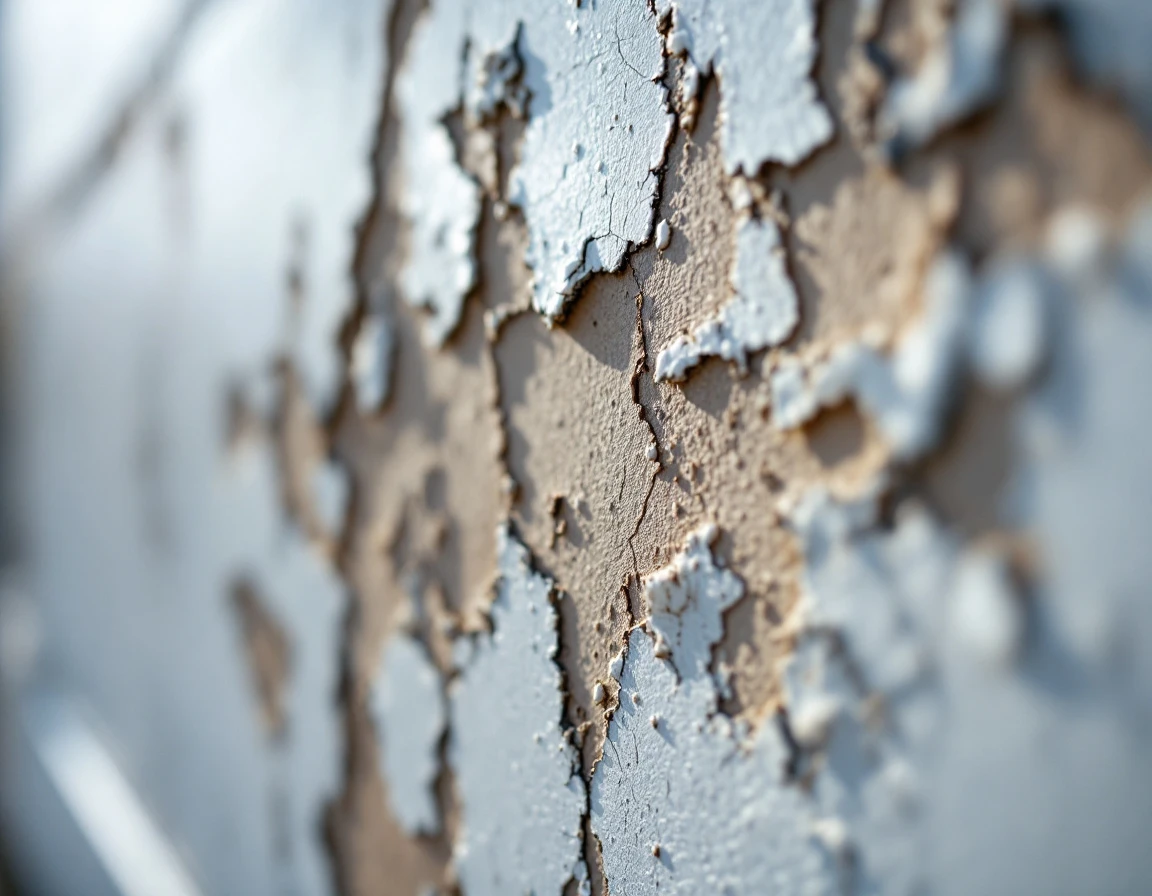
- Peeling or paint separation from the substrate represents advanced damage requiring professional refinishing or panel replacement. At this stage, simple protective treatments no longer work—you’re looking at complete restoration.
June represents your last opportunity to protect doors before July and August bring peak UV intensity.
Address minor fading or gloss loss now, and you’ll avoid costly full refinishing later.
Three Proven Protection Methods
Central Oregon homeowners have three distinct strategies to shield garage doors from UV damage, each with different price points, timelines, and ideal applications. The goal: install protection by early June, before peak summer UV intensity arrives.
UV-Protective Coatings and Sealers
Professional-grade UV coatings create a transparent barrier that absorbs or reflects ultraviolet radiation before it reaches the door’s finish. These products contain UV-inhibiting compounds that bond to the existing paint or gel coat, extending protection for 5–10 years depending on sun exposure.
Application takes 1–2 days and costs $300–$800 for most two-car garage doors — a fraction of refinishing expenses. Best fit: homes with doors in good condition that need preventive protection, or recently refinished doors requiring long-term defense. Coatings work especially well on south- and west-facing doors in Bend’s Old Bend neighborhood or Sisters’ custom homes where afternoon sun hits hardest.
UV-Blocking Window Films
Window films installed on garage door glass panels block UV transmission while maintaining visibility. These adhesive films absorb the UV wavelengths that cause fading and cracking, protecting both the door surface around windows and stored items inside the garage.
Professional installation costs $150–$400 for typical garage door windows and takes half a day. Films last 10–15 years before replacement. Best fit: doors with multiple glass panels, homes storing UV-sensitive items like vehicles or equipment, and garages converted to workshops where interior protection matters. This method addresses the unique challenge of UV entering through glass — common in newer Redmond subdivisions with decorative window designs.
Shade Solutions
Physical shade from mature trees, pergolas, or shade structures prevents direct UV exposure entirely. Strategic planting of fast-growing trees on the south and west sides creates natural protection within 3–5 years.
Costs range from $200–$2,500 depending on the solution: saplings cost $50–$200 each with DIY planting, while custom shade structures run $1,500–$2,500 installed. Timeline matters: plant trees this spring for meaningful shade by 2028. Best fit: rural properties in La Pine or Madras with space for landscaping, homes valuing curb appeal alongside protection, and situations where multiple exterior surfaces need shade.
Compare these protection investments against alternatives: $3,000–$8,000 for professional refinishing every 8–12 years, or $5,000–$15,000 for full door replacement. Early June installation means protection activates before July and August deliver Central Oregon’s most intense UV exposure.
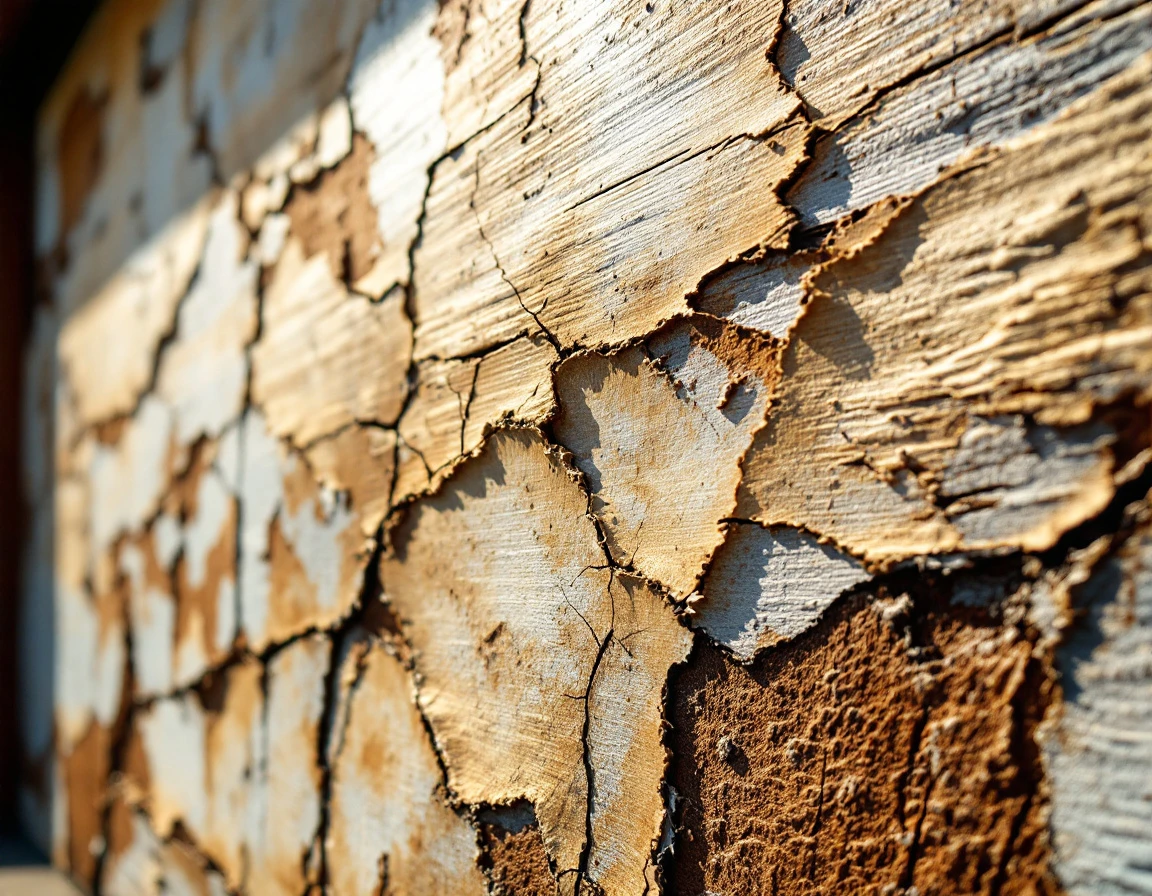
UV-Protective Coatings
Polyurethane or acrylic-based protective coatings create an invisible UV barrier directly on your garage door’s surface, blocking harmful rays before they degrade the finish underneath. These coatings bond to existing painted or stained doors, making them the least invasive protection option—no structural changes or major renovations required.
Professional application delivers the best results. The process starts with light surface prep for proper adhesion, followed by primer on bare spots if needed. Technicians then apply 2–3 even coats, allowing 24–48 hours for full cure. This careful approach prevents streaking and prevents color fading cracking sun damage by creating a protective shield over the original finish.
With proper application, these coatings last several years before reapplication becomes necessary. Professional installation provides cost-effective protection for Central Oregon homeowners. Regular annual inspections catch early wear, extending coating life and preventing the need for expensive refinishing down the road.
UV-Blocking Window Films
For Central Oregon homeowners with contemporary or modern garage doors featuring glass panels, UV-blocking window films offer a targeted protection strategy. These specialty films block 99% of UV-A and UV-B rays where they’re applied, preventing interior items from fading and protecting the glass itself from degradation.
The key limitation? Films only protect glass sections—your door’s painted frame and solid panels remain vulnerable to UV damage. This makes films ideal for partial-glass doors rather than all-wood or solid steel designs common in older Bend and Redmond neighborhoods.
At $200–$400 for a typical garage door with windows. Films cost less than full-door coatings when you only need glass protection. Their 10+ year lifespan with minimal maintenance makes them the longest-lasting option without reapplication, perfect for homeowners who want to install once and forget.
Shade and Structural Solutions
Shade offers Central Oregon homeowners a natural UV protection strategy that complements the region’s open-space aesthetic and low-humidity climate. Mature trees, strategically planted to block south- and west-facing exposure, reduce direct summer sun measurably with zero installation cost—though they require 10+ years of growth to provide meaningful protection. For immediate results, pergolas or shade sails deliver instant coverage at $1,000–$3,000, making them practical when trees aren’t feasible.
In Bend’s dry climate, trees thrive while providing dual benefits: garage door protection and home cooling. However, shade alone won’t stop all UV damage.
Coatings applied to shaded doors still prevent 20–30% of typical fading, making combined strategies the most effective approach.
Shade structures offer the lowest upfront cost but the longest payoff timeline, ideal for homeowners planning long-term residence in Central Oregon’s sun-intensive environment.
Implementation Timeline for June: Protect Against Central Oregon Sun Garage Door Damage
Here’s the reality: June 2026 is your final window to protect your garage door before Central Oregon’s peak UV season arrives in July and August. If you’re choosing protective coatings or window films, schedule installation this week. Professional application takes one to three days total, including a 24-48 hour cure period before your door faces full sun exposure.
Planning a shade structure? Start the conversation now, but don’t panic—pergolas and awnings can be completed through August. The key decision point is this: will you add coating or film first (recommended for immediate protection), or rely solely on shade?
Why the urgency? Even one month of unprotected exposure during peak summer can accelerate fading and polymer breakdown. At Bend’s 3,600-foot elevation, July and August deliver the most intense UV radiation your door will face all year. Waiting until September means your door has already absorbed the worst damage.
Protection implemented in June extends your garage door’s lifespan by five to ten years and prevents expensive refinishing or replacement down the road. Contact us today to schedule your UV protection before Central Oregon’s summer sun arrives!
Cost-Benefit Summary
The financial case for UV protection is clear: spending $300–$1,200 now on coatings, films, or shade structures prevents repair costs of $3,000–$8,000 for refinishing or $5,000–$15,000 for full door replacement.
UV damage doesn’t reverse—once paint polymers break down and gel coats crack, only expensive restoration or replacement can fix the problem.
This insight is from our guide on garage door repair versus replacement.
Consider a typical Bend homeowner who invests $500 in professional UV coatings this June. That protection extends door lifespan by 5–10 years, avoiding $5,000+ in refinishing costs and delaying replacement by a decade. Over that timeframe, the return on investment ranges from $2,700 to $13,700 in avoided costs—money that stays in your pocket rather than going toward emergency repairs.
Ready to protect your garage door investment? Contact Garage Harmony today for a free assessment and protection recommendation matched to your budget and home aesthetic. Our team will evaluate your door’s current condition, sun exposure, and help you choose the most cost-effective solution before Central Oregon’s summer sun takes its toll.


Leave A Comment