

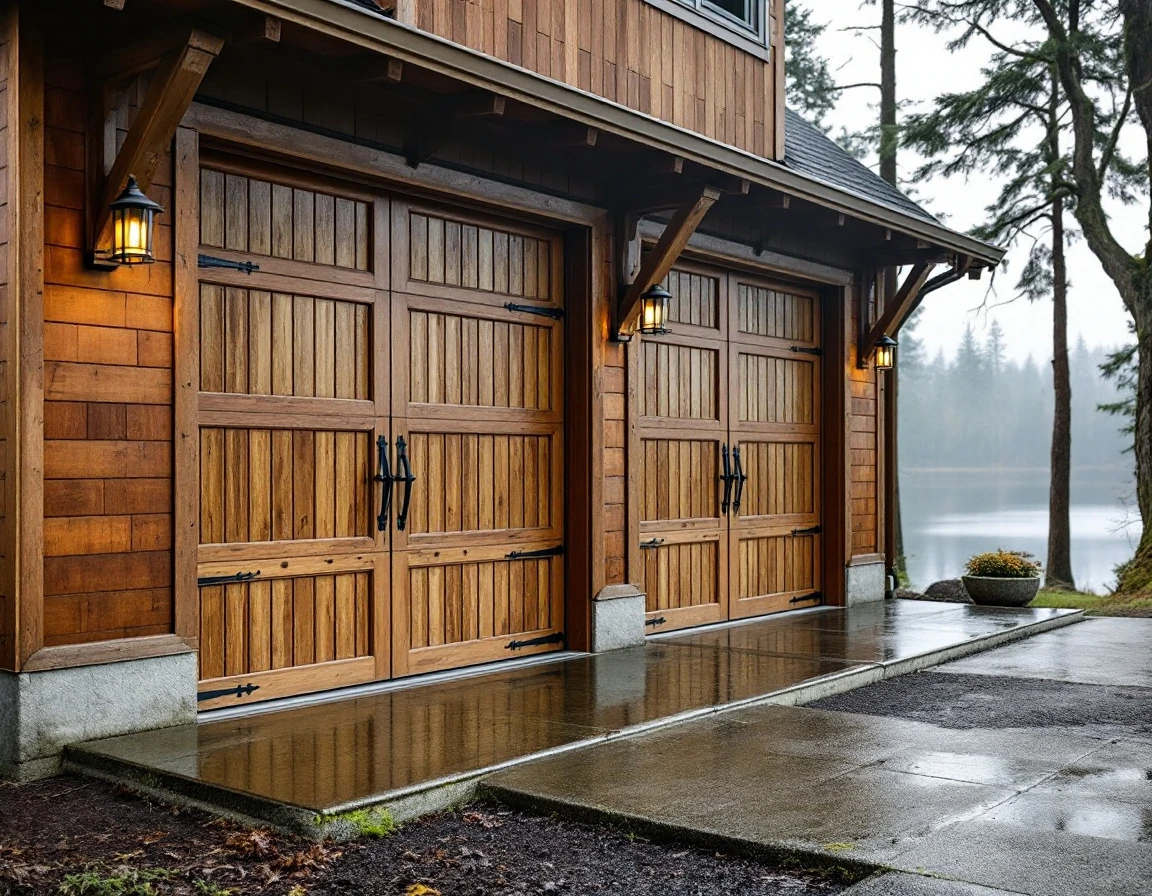
Cowlitz River Flooding Risk
The Cowlitz River poses a real threat to garages in West Kelso and low-lying neighborhoods. Flood-resistant garage doors Kelso homeowners install today protect against tomorrow’s spring flooding. Understanding your property’s flood zone helps determine which protective upgrades make sense for your home.
West Kelso’s proximity to the Cowlitz River
West Kelso sits directly adjacent to the Cowlitz River, placing many properties in seasonal flood zones that threaten garages year after year. Spring snowmelt from the Cascades combines with heavy rainfall to create predictable annual flooding patterns, typically peaking between February and May.
These recurring flood events create standing water that seeps under garage doors, saturates foundations, and damages stored belongings and vehicles. Understanding your property’s specific flood zone classification helps determine which protective measures will work best for your garage’s elevation and distance from the riverbank.
Flood zone designation
Understanding your property’s flood zone designation helps you prioritize which garage upgrades deliver the best protection for your investment. West Kelso properties near the Cowlitz River typically fall into FEMA zones A or AE, which means annual flooding is a documented risk rather than a possibility. Homeowners in these zones benefit most from flood-resistant garage doors with reinforced seals and improved electrical components.
Water intrusion through garage doors and weatherstripping creates more than temporary puddles. When floodwater seeps past worn weatherstripping, it saturates wall materials and creates conditions for mold growth within 24 to 48 hours.
The resulting structural damage often costs more to repair than the upgrades that would have prevented it. Proper weatherstripping and flood-rated garage doors form your first defense against this expensive cycle of water damage and remediation.
Flood-Resistant Garage Doors Kelso: Door Materials
Not all garage door materials respond equally when the Cowlitz River rises. If you’re installing or replacing a garage door in West Kelso, material selection becomes your first line of defense against seasonal flooding.
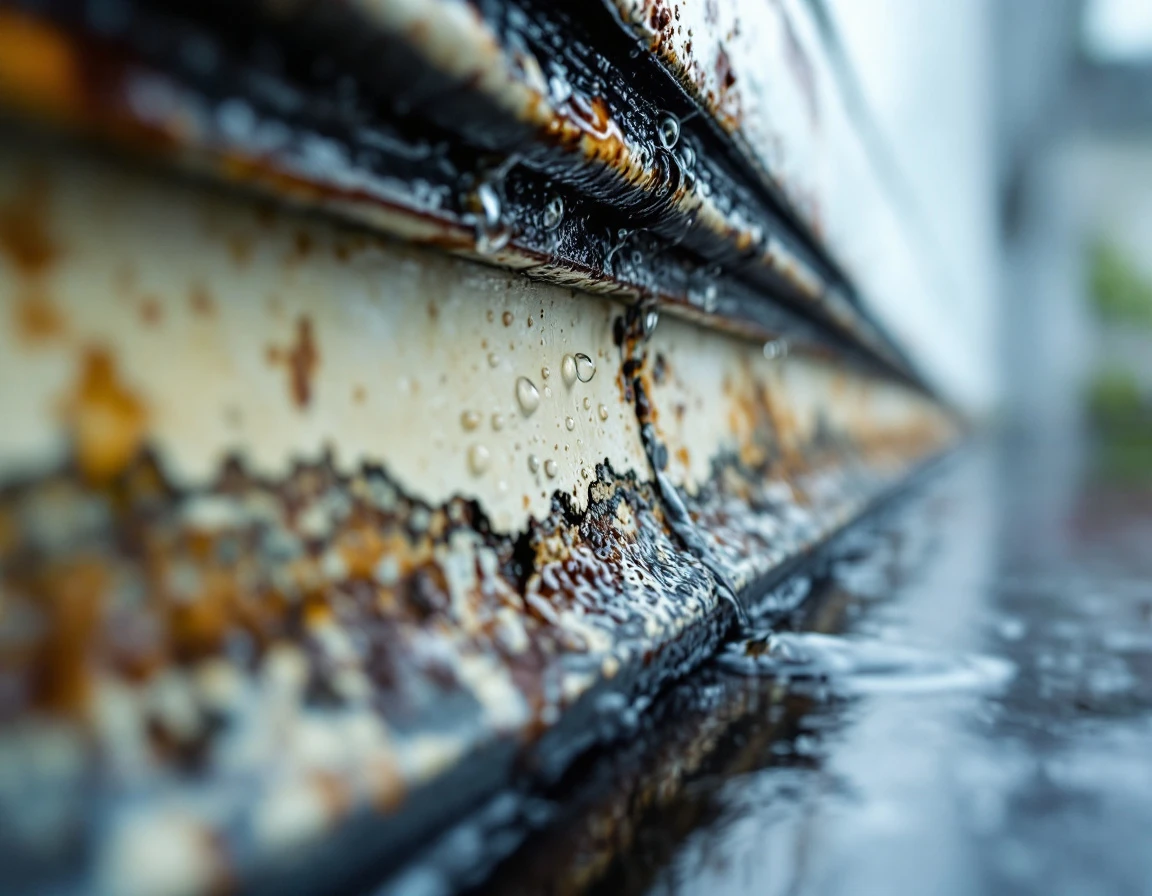
Steel doors with rust-resistant finishes handle moisture exposure far better than unfinished alternatives. Galvanized or powder-coated steel sheds water rather than absorbing it, preventing the corrosion that shortens door lifespan in wet climates. Composite materials offer similar advantages—these engineered products resist water absorption even during prolonged exposure, making them ideal for flood-prone locations near the Cowlitz River.
Wood doors. While aesthetically appealing, pose problems in high-moisture environments. Wood absorbs water, warps over time, and requires constant maintenance to prevent rot. In flood zones, wood doors rarely justify their higher upfront costs or ongoing maintenance demands.
Panel design matters as much as material choice. Hollow panels trap water inside the door structure, creating weight imbalances and promoting rust from the inside out. Solid-core or insulated panels prevent water infiltration through panel seams, maintaining structural integrity even after multiple flood events.
Premium materials only deliver results when paired with proper sealing systems. Rubber-sealed bottom edges and reinforced frames handle hydrostatic pressure that standard weatherstripping cannot withstand.
While flood-resistant garage doors Kelso homeowners choose cost $800-$2,000 more than basic models, this investment prevents the $5,000-$15,000 in structural repairs and mold remediation that water damage typically causes in Cowlitz River flood zones.
Weatherstripping Upgrades
When floodwater rises from ground level, your garage door’s bottom seal and vertical side weatherstripping become the first line of defense against intrusion. Unlike top seals—which rarely encounter water during typical flood events—bottom weatherstripping faces direct pressure as water levels climb. Understanding this pressure pattern helps West Kelso homeowners prioritize where to focus their inspection and upgrade efforts for flood zone garage door installation West Kelso protection.
For the Pacific Northwest’s temperature swings and persistent moisture, EPDM rubber and high-quality vinyl compounds outperform basic materials by maintaining flexibility through wet winters and dry summers. Cheaper weatherstripping hardens after one or two seasons, creating gaps that allow water to seep through. Most flood water entry during Cowlitz River overflow events comes from installation gaps and worn seals rather than door failure.
Conduct your own inspection by running your hand along all weatherstripping surfaces, checking for cracks, separation from the frame, hardening, and visible gaps. Apply light pressure—if the material doesn’t spring back or feels brittle, it needs replacement. Schedule this inspection each spring before the May flooding season, when snowmelt combines with rainfall to raise river levels.
Professional installation comes at a cost that varies with garage size and material quality, though hiring a qualified technician means proper sealing and prevents the gaps you’re trying to eliminate. DIY replacement is feasible for handy homeowners, but improper installation can undermine your efforts. Plan to replace weatherstripping every 2–3 years to maintain protection.
Professional vs. DIY Installation
Should you tackle garage door weatherstripping Cowlitz River flooding concerns yourself or call in professionals? The answer depends on the scope of your project. Full door replacement requires structural knowledge that most homeowners don’t possess—you’re dealing with frame reinforcement, header load calculations, and proper anchoring to handle hydrostatic pressure during flooding events. Weatherstripping upgrades, however, sit comfortably in DIY territory for handy homeowners.
For West Kelso properties in flood zones, professional installation means your garage door can withstand the specific challenges your location presents. A professional assessment evaluates site-specific elevation risk, determines whether your foundation can support flood-resistant doors, and identifies structural concerns that might compromise flood protection. Installing a flood-resistant door without proper frame reinforcement is like putting a high-security lock on a cardboard door—the material benefits vanish if the installation can’t handle the load.
DIY weatherstripping requires basic tools (utility knife, measuring tape, drill) and about two hours for a standard two-car garage. Materials are available at reasonable cost. Common mistakes include cutting seals too short, skipping the corner overlaps, and choosing materials not rated for Pacific Northwest moisture. If you’re replacing an existing door or addressing structural issues, bring in professionals. If you’re maintaining good weatherstripping or upgrading seals on a sound door, DIY saves money.
Consider a hybrid approach: handle weatherstripping maintenance yourself while leaving door installation to professionals. This maximizes value—you avoid service call fees for simple seal replacements while leaving critical structural work to experts who meet flood zone requirements.
Pre-Flood Emergency Checklist
Living near the Cowlitz River means preparing for flood season before water appears. A month-by-month approach keyed to West Kelso’s spring flooding timeline transforms anxiety into actionable steps. Start your preparations in March, well before the February-through-May flood window reaches its April-May peak.
- March: Water-seal your garage doors. Apply fresh weatherstripping sealant to bottom and side seals. Test door closure by placing paper strips along seal lines—trapped paper confirms solid contact. Document this work with photos showing seal condition and door alignment.
- April: Stage emergency equipment. Position sandbags along the garage perimeter at ground level, creating a six-inch barrier. Store submersible pumps, extension cords, and waterproof tarps in an accessible location above potential water lines. Create an emergency contact folder with your insurance agent’s number, policy details, and Garage Harmony’s contact information for post-flood repairs.
- Late April: Final readiness review. Operate your garage door through ten complete cycles, listening for binding or unusual sounds. Check weatherstripping compression one final time. Take detailed photos of your garage interior, stored items, and door condition—these images become essential documentation for insurance claims if flooding occurs.
- May: Annual inspection window. Once flood risk passes, inspect all seals for damage, test door operation again, and note any maintenance needs. This post-season review identifies repairs needed before next year’s cycle begins.

Leave A Comment