

New Construction Garage Doors in Ridgefield
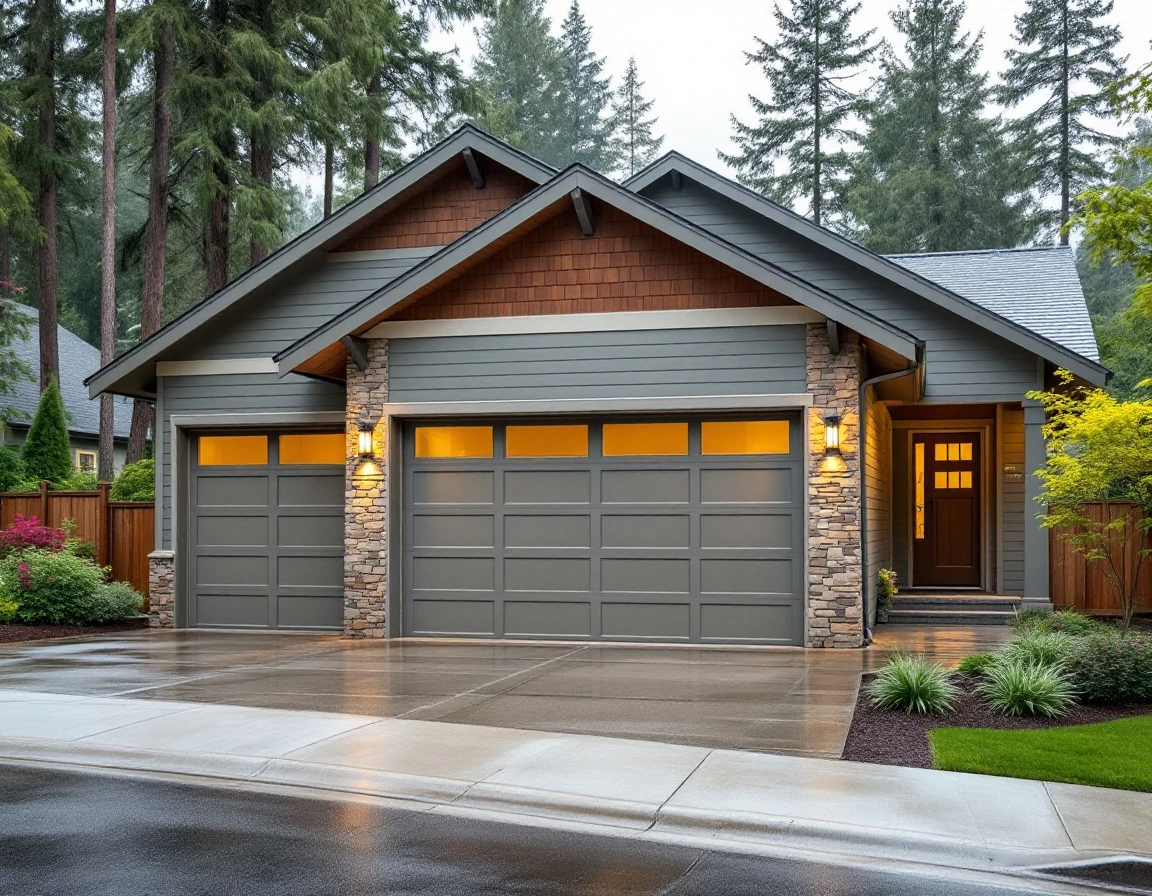
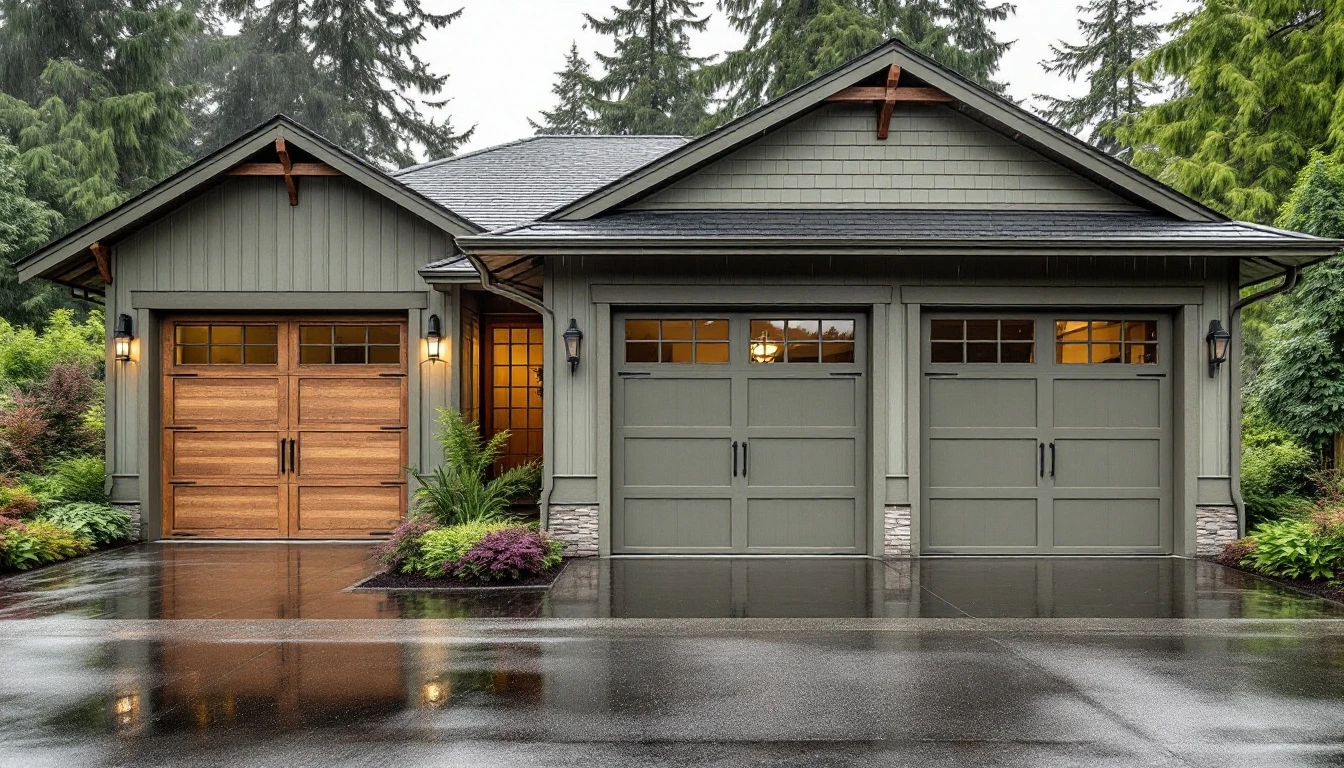
Ridgefield has become one of Washington’s fastest-growing cities, with neighborhoods like Discovery Ridge and Union Ridge built primarily in the 2010s and 2020s. If you’ve purchased a home in these developments, your garage door maintenance in Ridgefield WA needs to address systems that are likely modern two- or three-car units with advanced components differing from older models. These newer systems feature torsion springs rated for specific cycle counts. Wi-Fi-enabled openers with battery backup, and photo-eye sensors that meet current safety standards.
While these modern doors offer better performance and safety features, they also require preventive garage door maintenance suited to the Pacific Northwest climate. The sophisticated components that make your door quieter and more reliable are also more vulnerable to Ridgefield’s wet springs and occasional ice storms. Without regular attention, moisture can corrode sensors, freezing temperatures can strain springs, and accumulated debris can interfere with safety mechanisms. A proactive maintenance approach protects your investment and prevents the emergency repairs that often result from regional weather patterns.
Five Essential Preventive Garage Door Maintenance Tasks
Your modern Ridgefield garage door system needs specific care to handle the Pacific Northwest’s spring weather patterns. These five maintenance tasks take about two hours total and protect against the moisture infiltration, ice damage, and mechanical failures that affect newer construction doors during our wettest months.
1. Track Alignment and Debris Removal
Start by inspecting the vertical tracks on both sides of your door. Use a level to verify they remain plumb—new construction settling can shift tracks over the first few years. Remove leaves, dirt, and moisture buildup with a damp cloth, paying special attention to the bottom track sections where Ridgefield’s spring rains pool. Misaligned or debris-filled tracks cause the door to bind, triggering safety sensor malfunctions that leave your door inoperable. This task requires a four-foot level, cleaning cloths, and about 20 minutes.
2. Spring Tension Inspection
Examine your torsion springs above the door for rust, gaps between coils, or visible stretching. Disconnect the opener and manually lift the door halfway—it should stay in place without assistance. If the door falls or rises on its own, the spring tension has degraded. Spring failure represents the most dangerous garage door malfunction. And catching wear early prevents the sudden breakage that can damage vehicles or cause injury. This garage door spring maintenance inspection takes 10 minutes but should prompt a professional service call if you notice any issues, as spring adjustment requires specialized tools and training.
3. Weatherstripping Replacement
Check the rubber seal along the bottom of your door and the weatherstripping around the sides and top. Ridgefield’s temperature swings cause rubber to crack and lose flexibility within 3-5 years. Press the seal—it should feel pliable, not brittle. Replace any hardened sections to maintain the moisture barrier that protects your garage from spring downpours. Most home improvement stores carry replacement weatherstripping, and installation involves sliding new material into the existing track. Budget 30 minutes and about $25-40 for materials.
4. Roller and Hinge Lubrication
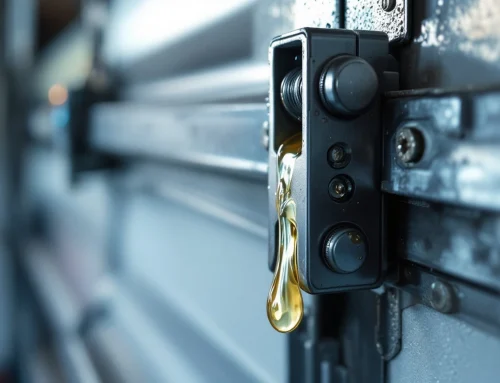
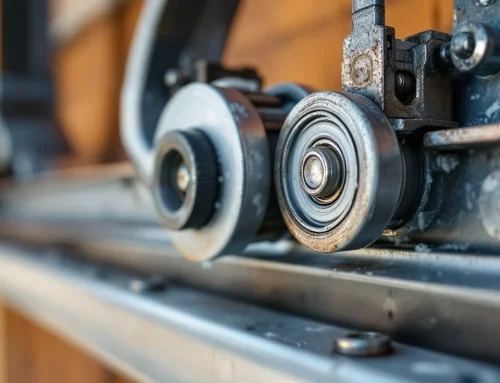
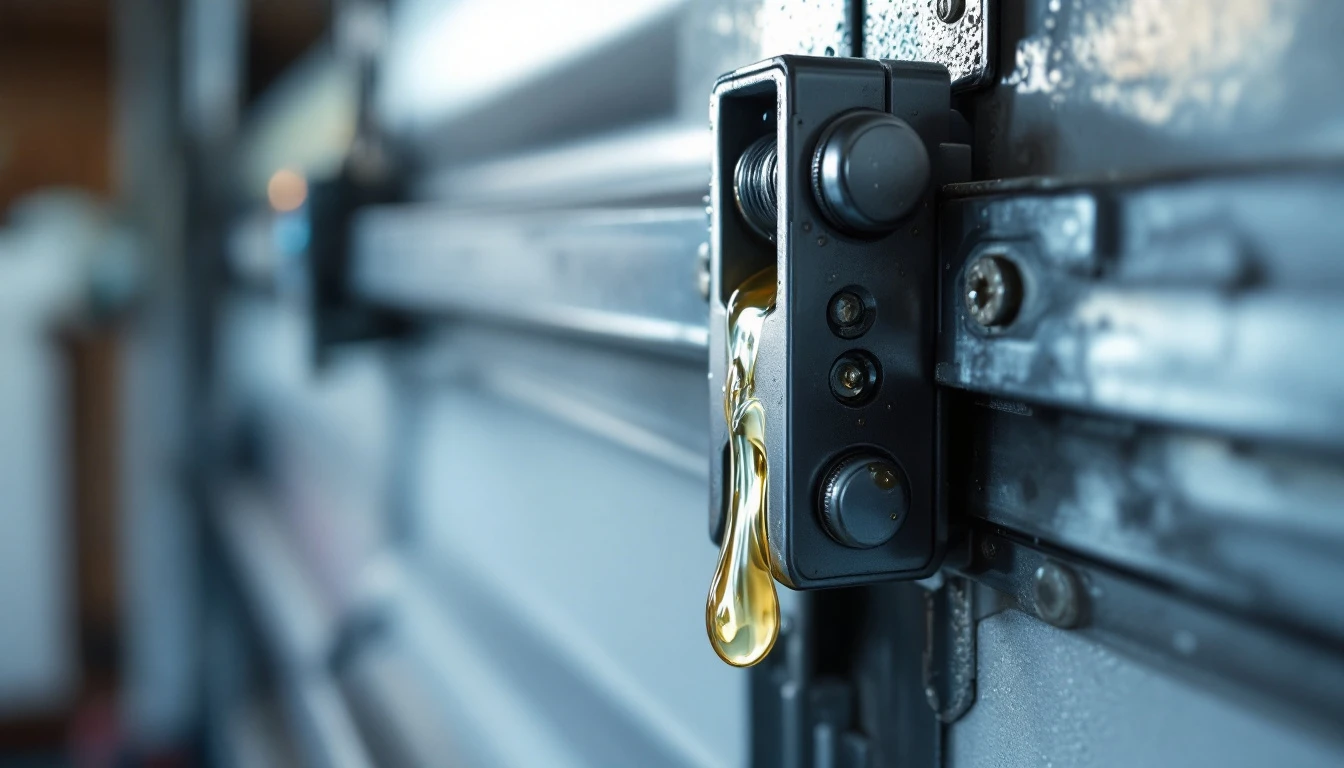
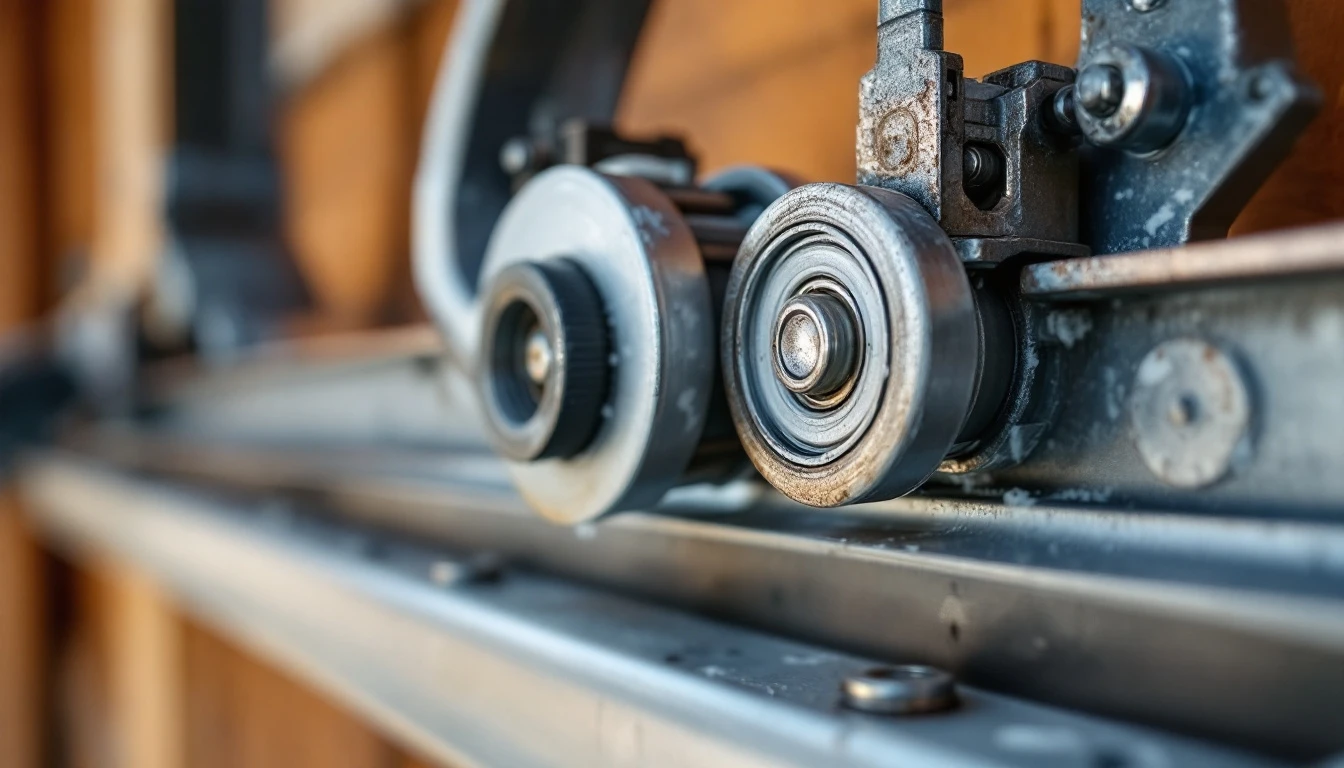
Apply silicone-based garage door lubricant to all rollers, hinges, and the torsion spring shaft. Avoid WD-40, which attracts dirt and breaks down over time. Proper lubrication reduces friction that wears out components prematurely and keeps your door operating quietly. Focus on the roller stems and hinge pins, wiping away excess lubricant. This 15-minute task extends component life and prevents the grinding noises that indicate accelerated wear.
5. Safety Sensor Alignment Check
Test your photo-eye sensors by closing the door and waving an object through the beam. The door should reverse immediately. Clean sensor lenses with a soft cloth and verify both indicator lights are solid, not blinking. Moisture from spring rains can fog sensor lenses or shift brackets, creating dangerous failures. This five-minute check means your primary safety system functions correctly.
Tools and Materials Required
Getting your garage door maintenance kit together won’t break the bank. You can pick up everything you need at local Ridgefield hardware stores like Ace Hardware on Pioneer Street or make a quick trip to Home Depot in Salmon Creek without straining your budget.
Your basic kit should include silicone-based garage door lubricant, weatherstripping replacement material, multi-purpose cleaner, microfiber cloths, and basic hand tools you probably already own—adjustable wrench, screwdriver set, and step ladder. A wire brush rounds out your toolkit for cleaning tracks and completing essential maintenance tasks.
This one-time investment protects garage doors that represent a major home asset requiring expensive replacement. Plus, having supplies on hand means you can tackle maintenance tasks whenever the weather cooperates during Ridgefield’s unpredictable spring conditions.
Spring Season Moisture Damage Prevention
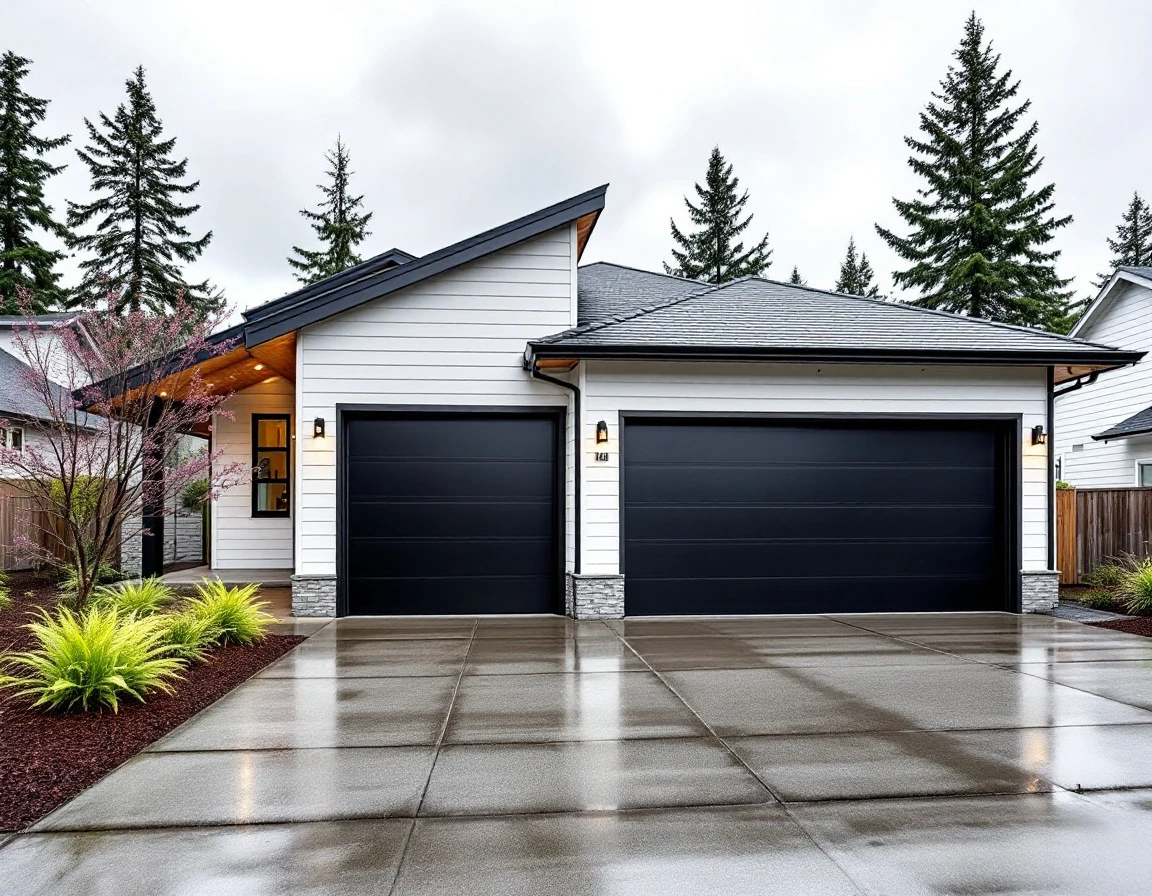
Ridgefield’s rainy springs create serious threats to your garage door’s metal components. When spring storms arrive, water infiltrates through worn weatherstripping gaps and settles on tracks, springs, and sensors. This moisture doesn’t just sit there—it triggers a damaging cycle where rust develops on springs, corrosion attacks tracks, and safety sensors fail from water exposure.
An early May inspection identifies these vulnerabilities before peak rain months hit. During your inspection, check weatherstripping along door edges for cracks or gaps. Apply fresh lubricant to springs and rollers to create a protective barrier against moisture. Clear drainage channels around your garage floor to prevent water pooling near the door mechanism.
The cost difference between prevention and emergency repair is substantial. Preventive weatherstripping replacement and lubrication typically costs $40 to $80 in materials. Which you can apply yourself in an afternoon. Compare that to emergency repairs when corrosion causes spring failure or track misalignment—these repairs range from $300 to $800 including parts, labor, and the urgent service premium. That’s four to twenty times more expensive than simple prevention.
Ice Storm Readiness and Winter Prep for New Construction Garage Door Care
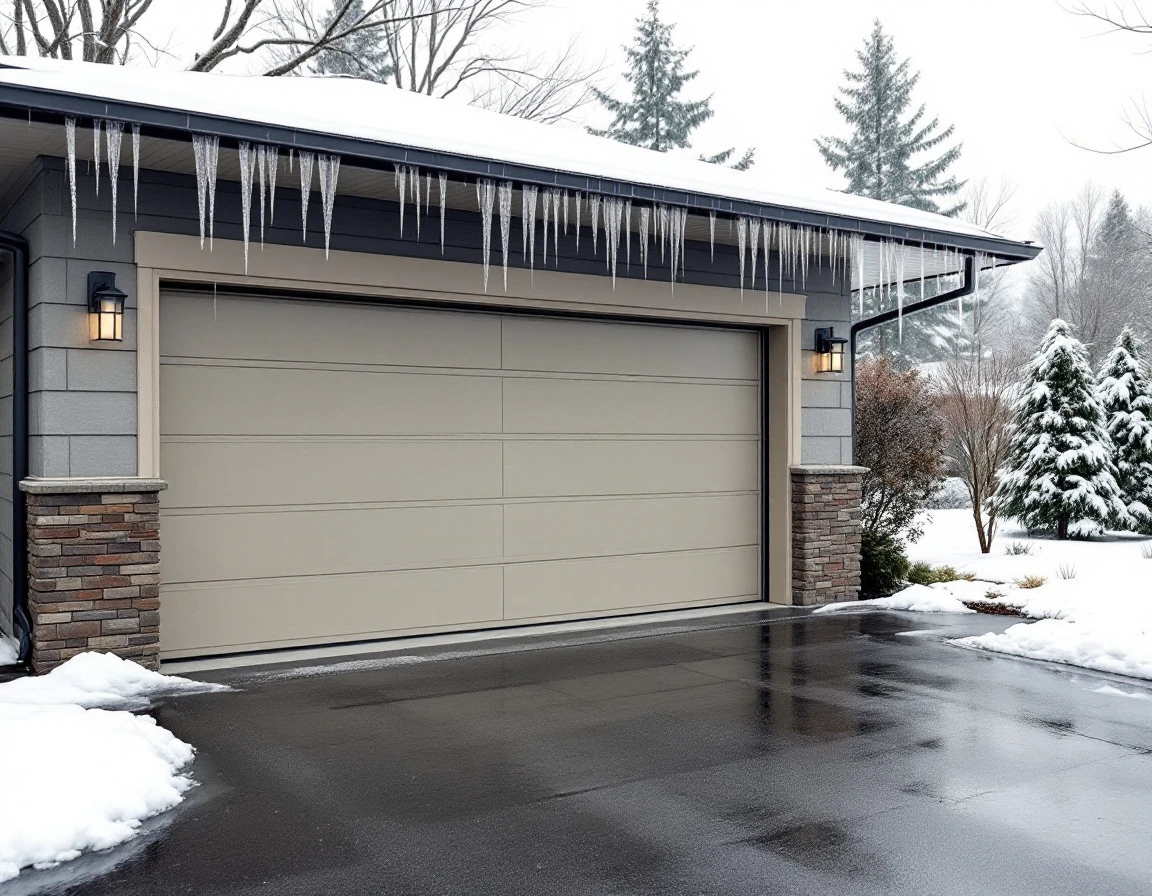
While Ridgefield’s modern construction boom has brought newer, more sophisticated garage door systems to the area, these same systems face a unique Pacific Northwest challenge: occasional ice storms that create intense expansion and contraction stress on metal components. When freezing rain coats your garage door, ice accumulates on springs, rollers, and tracks, adding weight and forcing opener motors to work harder. As temperatures swing from freezing to thawing, metal components expand and contract, weakening springs that were already under tension and potentially misaligning tracks.
This freeze-thaw cycle explains why May maintenance provides such a critical safety window for Ridgefield homeowners. After spring rains subside but before the next ice storm season arrives, you can catch and repair issues while weather conditions still allow safe work. Modern door openers, despite their advanced features, can fail catastrophically if springs are weakened before winter stress arrives. A spring with micro-fractures from expansion stress might hold through summer but snap during the first ice accumulation of December.
New construction garage door care requires special attention to ice load damage. Inspect mounting brackets for any loosening caused by expansion stress, check weatherstripping for gaps where ice can penetrate, and verify that spring tension remains balanced. These inspection points take minutes during favorable May weather but become dangerous or impossible when ice coats your garage during a winter storm. Preventing mid-winter emergency calls starts with addressing wear before frost seasons begin.
DIY vs Professional Repair Triggers
Can you handle garage door maintenance yourself, or should you call a professional? The answer depends on the task. Safe DIY work includes track cleaning, weatherstripping replacement, lubrication, and sensor testing—tasks that keep your hands away from high-tension components. These simple jobs take 15-30 minutes each and require only basic tools from your $75 maintenance kit.
However, spring replacement, tension adjustment, opener motor service, and cable work always require professional help. Springs operate under extreme tension—up to 200 pounds of force—and can cause serious injury if released incorrectly. One wrong move during spring work can result in broken bones or worse. The small savings aren’t worth the risk.
Here’s the cost-benefit reality: investing in DIY maintenance prevents emergency repairs that become far more costly when springs fail or entire systems collapse. Regular monthly maintenance catches problems early when they’re still safe and affordable to fix.
Know when to stop and call Garage Harmony. Red flags include grinding or scraping noises. Springs that appear sagging or stretched, sensor lights that won’t align, and doors that close unevenly. These symptoms indicate component failure requiring professional diagnosis and repair—attempting DIY fixes on failing parts puts you at risk.
Next Steps: Schedule Your Garage Door Maintenance in Ridgefield WA
May is the ideal window for Ridgefield spring maintenance—after winter damage is visible, before peak rain season arrives in late May and June. This week is the perfect time to schedule your maintenance tasks and protect your garage door investment.
Create a simple maintenance calendar: track cleaning in early May, weatherstripping check mid-May, final inspection late May. Print the task list from this guide and hang it in your garage as a reference. Check off each completed task and note the date.
Document all maintenance to support warranty coverage and resale value. Take photos of completed inspections, save receipts for materials, and keep a maintenance log. This documentation proves you’ve maintained your garage door system properly—protecting warranty claims and demonstrating care to future buyers.
Professional inspection is recommended every two years for new construction doors. Our team at Garage Harmony can verify your DIY maintenance and identify issues that require expert attention. Contact us today to schedule an inspection!



Leave A Comment