


Historic Neighborhoods & Slope Settlement
Oregon City’s older neighborhoods present unique challenges for garage doors. If your home sits on a hillside, you’ve likely noticed your garage door doesn’t quite operate smoothly. That’s because the sloping terrain under your foundation shifts constantly, which throws your door’s alignment out of whack. We see this problem often in neighborhoods like McLoughlin and Canemah—especially in detached garages where garage doors steep terrain Oregon City becomes a real headache for homeowners.
Willamette Valley slopes create unique foundation pressures
Oregon City’s historic homes, particularly those built between 1900 and 1950 in neighborhoods like McLoughlin and Canemah, sit on Willamette Valley slopes where the ground itself creates ongoing foundation pressure challenges. The soil here contains a lot of clay and silt that expands when wet and shrinks when dry. This expansion-contraction cycle happens every spring when winter rains soak into the ground, and it pushes against your garage foundation, causing it to shift.
Spring is the problem season. Winter rains saturate the clay beneath your foundation. As the soil swells and shifts, your garage moves with it. You might have had perfect alignment in September. By May, you’ll see binding and gaps appearing out of nowhere. This is why homeowners often call us in May—that’s when the damage from spring movement becomes obvious.
Oregon City’s layered geology (volcanic basalt)
Underneath Oregon City, there’s a layer of hard rock (volcanic basalt) covered by clay. Your garage sits on top of this clay, and clay doesn’t stay put. It moves with moisture and temperature changes. Because of how the soil is layered underground, different parts of your foundation can sink at different rates. On steep slopes—like those in Barclay Hills and Canemah—one side of your garage might settle faster than the other.
Detached garages settle faster than garages attached to your house. Why? Because they don’t have the bracing and weight distribution that come from being connected to the main structure. We often see detached garages shift two to three times faster, which means your door alignment problems show up much quicker on sloped lots.
Slope-Driven Alignment Failure
When your garage sits on sloped terrain, foundation settling doesn’t just affect the structure—it directly disrupts your garage door’s alignment. As the foundation shifts, the door tracks move with it, creating gaps between the track and the door rollers. You’ll notice the door binding as it travels up and down, grinding sounds from rollers rubbing against misaligned tracks, or the door reversing unexpectedly when closing because the safety sensors can no longer maintain proper alignment.
The rate of settling tells you how urgent the problem is. On steep Oregon City hillsides, foundations can drift 0.5 inches per year or more. While homes on flat ground typically experience only 0.1 inch annually. Your garage door system tolerates minimal deviation—even a quarter-inch of frame shift can trigger operational problems. Seeing misalignment problems in May? That’s spring movement in action. Get a professional assessment now, before summer heat adds more stress to your foundation. Consider a spring assessment to identify issues early.
Here’s how to figure out if your problem is serious. Grab a carpenter’s level and check if your garage door frame is still level. Does your driveway slope more than 10 degrees? Are there visible cracks in the foundation or garage slab? These questions separate cosmetic misalignment you can adjust from structural foundation failure requiring professional diagnosis and reinforced footings.
Foundation Settling in 1900s-1950s Homes
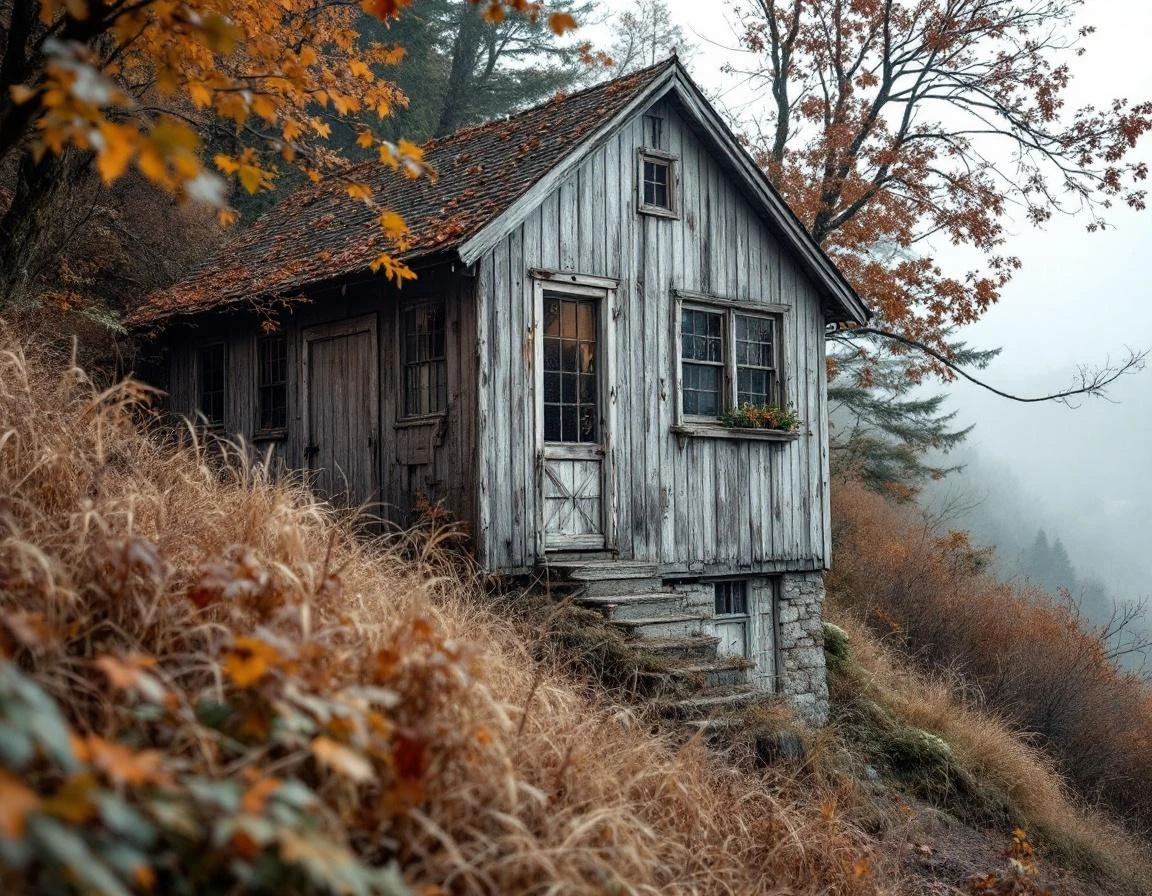
Garages built in the early 1900s usually have very shallow foundations—sometimes only a foot or two deep. That was fine when they were new, but on a hillside, shallow foundations can’t handle the constant shifting of the soil. They don’t go deep enough to anchor your garage. Without proper depth or reinforcement, these foundations can’t resist seasonal soil movement. This challenge is particularly acute for 1900s home garage foundation issues Willamette Valley properties where detached structures face accelerated settling rates.
Willamette Valley clay creates a predictable settling cycle. When spring rains saturate the soil, the clay expands and increases pressure against foundation walls. As summer arrives and the soil dries out, the clay contracts. This expansion-contraction cycle repeats year after year, gradually shifting foundations downslope. Detached garages face the worst conditions because they lack the structural tying that connects attached garages to the main house, which distributes weight and resists lateral movement.
Watch for these visual warning signs: horizontal cracks running along the foundation line, door frames pulling away from walls, and settling marks on exterior siding where the structure has dropped. Spring water table rise intensifies these problems, explaining why May often reveals damage that wasn’t visible in fall. The lack of drainage systems on slopes compounds the issue—water infiltration weakens clay soil beneath footings, accelerating the settling process and creating the misalignment problems that bring most homeowners to call for help.
Detached Garages on Hillsides
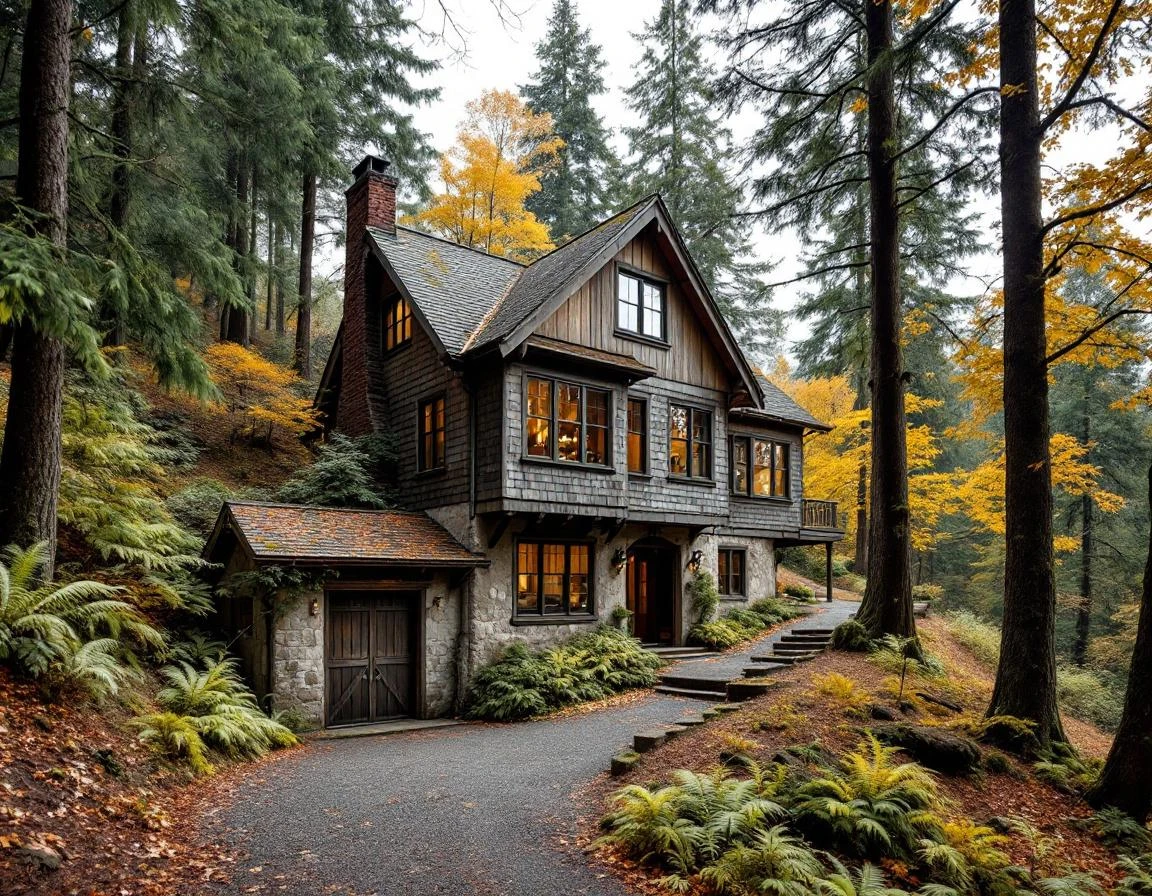
Detached garages on Oregon City’s Willamette Valley slopes have a real problem. They stand alone, without any connection to your house. That means they settle independently, responding directly to every shift in the soil beneath them. Detached garage on slope Oregon installations require specialized attention to foundation depth and drainage management from day one.
The driveway grade differential creates asymmetrical pressure on your garage. The uphill side experiences constant soil loading from above, while the downhill side bears the weight of water runoff channeling down the slope. During May’s spring runoff season, water flowing from upper terrain concentrates near the downhill footings, saturating the clay soil and destabilizing the foundation on one side faster than the other.
This creates a predictable failure pattern: the downhill side settles faster, causing the entire structure to tilt. Your door frame tilts with it, making the door bind on one side while leaving gaps on the other. Hinges tear from the added stress as the door tries to operate in an increasingly distorted opening. Does your driveway slope toward the garage? Is water pooling near the foundation after rain? Does one side of the door bind more than the other while the opposite side swings freely?
Detached structures on slopes require specialized solutions beyond standard repairs. Reinforced footings on the downhill side compensate for accelerated settling. French drains intercept water before it reaches the foundation. Flexible door installations accommodate minor movement without binding. These slope-specific interventions address the root cause rather than repeatedly adjusting misaligned hardware.
For professional guidance, consult specialized garage door alignment resources that account for slope conditions.
Specialized Solutions for Clackamas County
Oregon City homeowners face a critical first step before selecting any repair: diagnose the settling source. Is your garage foundation moving due to Willamette Valley clay expansion cycles, drainage failure pooling water against footings, or insufficient footing depth on your slope? The answer determines whether you need to stop the movement or accommodate it. Specialized garage solutions steep terrain differ based on whether you’re addressing active foundation movement or seasonal misalignment.
For stopping the settling, two approaches work in Clackamas County soil conditions: reinforced footings using concrete piers that extend below the regional clay frost line at 18-24 inches, anchoring your structure to stable basalt layers beneath the expansive clay, and drainage systems like French drains and surface grading to prevent water from destabilizing the footing soil during spring moisture cycles.
May offers the ideal installation window—complete drainage work before summer stress begins and water tables stabilize in July.
For accommodating ongoing minor movement, flexible garage door installations with articulated frames absorb slope shifts without binding. Professional releveling services assess foundation drift and install adjustable posts or concrete shims to restore alignment. This is homeowner-safe territory: you can handle door balance adjustment. Foundation reinforcement requires a licensed contractor.
Cost indicators matter. Drainage systems run lower than complete footing replacement, but both prevent future misalignment that compounds repair expenses. The question isn’t whether to address settling—it’s which path matches your specific geology and drainage situation. Get the diagnosis right, and you’ll select solutions that actually work on Oregon City slopes.
Spring Diagnostic Checklist
May is the best month to diagnose garage door problems sloped driveways in Oregon City. Spring moisture and temperature cycling place peak stress on hillside foundations, and inspecting now gives homeowners summer and early fall to complete repairs before winter rains return.
Start with a visual assessment homeowners can perform:
- Measure the foundation level using a 4-foot carpenter’s level along all four walls
- Check the driveway slope where it meets the garage apron
- Photograph any cracks in the foundation, floor slab, or surrounding concrete
- Document whether the garage door binds at specific points or if gaps appear between the door and frame
These photos help you track what’s happening over time—whether the settling is getting worse or staying stable.
When you’re ready for a professional opinion, Garage Harmony can assess whether your situation needs immediate attention or can wait a few months for repair. Cosmetic misalignment—doors that close with minor adjustment, hairline cracks, or gaps under half an inch—can be scheduled within two months for correction. Structural failure—doors that won’t close, foundation cracks wider than a quarter-inch, or visible lean in garage walls—requires immediate professional review to prevent further damage.
Understanding whether the problem stems from slope settling or standard wear determines your next step. Door binding from track misalignment. Garage Harmony can handle it. Foundation cracks and progressive tilt? We can recommend the foundation specialist you need. Have both problems? That’s when you need professional help coordinating the fix. Contact Garage Harmony today—we can connect you with the right specialists and oversee the solution.







Leave A Comment