

Why May Matters for Portland Homeowners
Portland metro homeowners face three distinct summer challenges that make May the critical month for garage door preparation and implementing a summer garage door maintenance checklist. First, Pacific Northwest summer heat peaks in July and August, with temperatures occasionally soaring above 100°F—conditions that stress garage door springs, operators, and weatherstripping already working overtime during frequent daily use. Second, wildfire smoke from regional blazes regularly blankets the metro area during late summer, creating air quality emergencies that require functional weatherseals to protect stored items and maintain indoor air quality. Third, Memorial Day weekend kicks off peak vacation season, when families head to the Oregon Coast, Mount Hood, and beyond—making garage door failures both dangerous and inconvenient when you need to secure your home.
May offers a practical advantage that June through August simply don’t: Garage Harmony and other service providers operate below capacity before summer vacation season hits.
Schedule a spring garage door inspection with Garage Harmony today, and you’ll avoid the rush that arrives when broken springs and failed operators send desperate homeowners scrambling for appointments.
Completing maintenance in May means your garage door is ready before the first heat wave, before smoke season begins, and before you’re stuck with a malfunctioning door during peak vacation season.
The 10-Task Priority Checklist
At Garage Harmony, we’ve prioritized this checklist by each task’s ability to prevent costly breakdowns during Portland’s summer season. Tasks appear in order of urgency and repair cost risk, not alphabetical convenience. Complete critical systems first, then move to secondary maintenance that supports comfort and security.
Critical Tasks (Complete First)
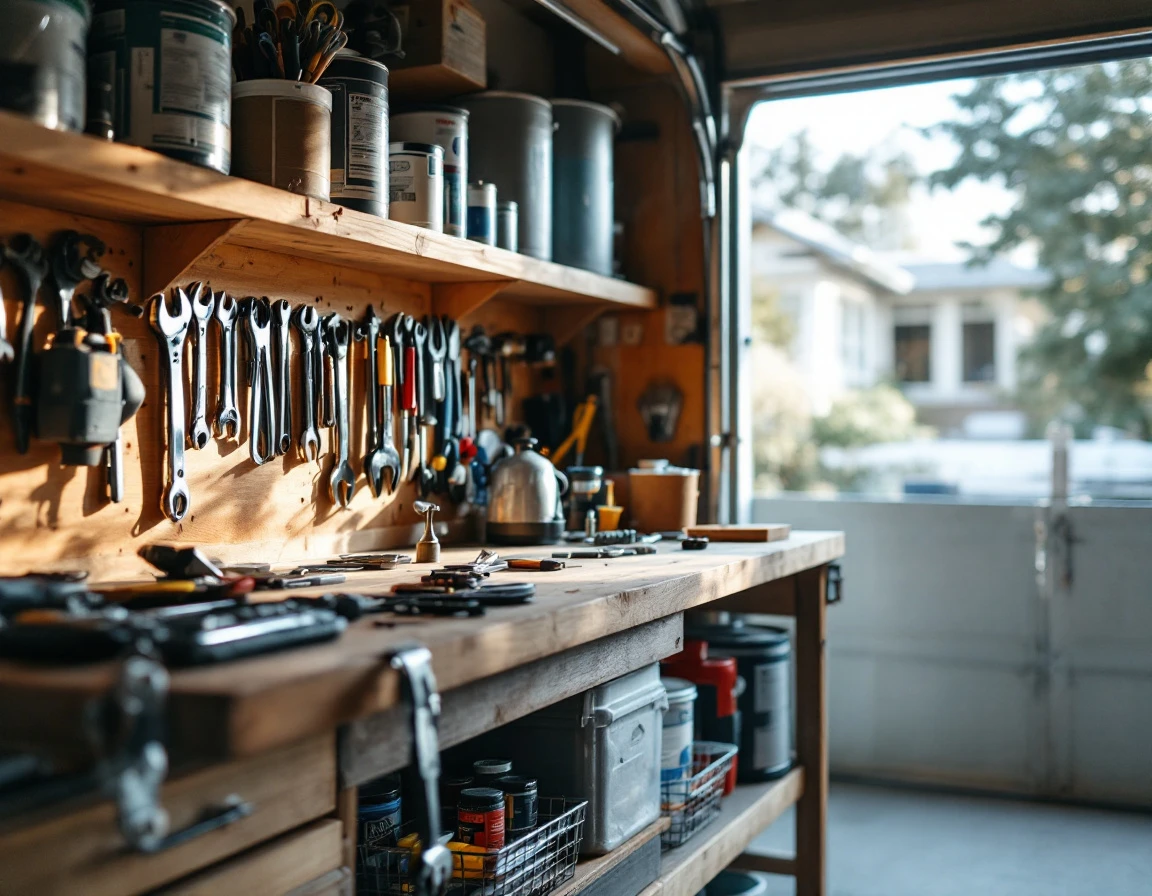
1. Spring Inspection: Check spring tension, inspect cables for fraying, and look for rust or corrosion on hardware. Portland summers regularly hit 95°F with occasional days above 100°F, putting maximum stress on springs and cables during frequent daily operation. Shop required for load testing and tension adjustment. Verification: No visible fraying, springs appear evenly wound without gaps.
2. Safety Sensor Check and Alignment: Safety sensors prevent the door from closing on objects or people. Test sensors by placing an object in the door’s path—the door should reverse immediately. Shop recommended for complete sensor replacement or realignment. Verification: Sensors respond instantly to obstructions, indicator lights show proper alignment.
3. Weatherstripping Inspection and Replacement: Check bottom seal and side weatherstripping for cracks or gaps using visual inspection. Extended exposure to summer heat degrades rubber seals, allowing smoke, pests, and heat into your garage. DIY-friendly for replacement on most standard doors, shop required for custom installations. Verification: All weatherstripping shows flexibility, no visible cracks or gaps when door is closed.
4. Operator Test: Heat accelerates motor failure. Test the opener at full operation to check its lifting power and safety reversal function. Shop recommended for motor inspection and drive system assessment. Verification: Opener lifts door smoothly without straining or hesitating.
5. Door Balance Performance: Disconnect the opener and manually lift your door halfway—it should stay in place. An imbalanced door means worn springs that will fail during summer heat waves. Shop required for spring adjustment or replacement. Verification: Door remains stationary when manually lifted to mid-point, requires minimal force to operate.
Important Secondary Tasks
6. Hardware Tightening: Vibration from daily use loosens bolts and brackets over time. Inspect and tighten all visible hardware including hinges, brackets, and track mounting bolts. DIY-friendly—requires only basic socket set or wrench. Verification: All bolts and brackets show firm connection without visible movement.
7. Track Cleaning and Alignment: Debris in tracks causes binding and uneven wear. Clean tracks with damp cloth and verify alignment with level. DIY-friendly on most standard installations. Verification: Tracks show no debris buildup, door rolls smoothly without catching.
8. Lubrication of Moving Parts: Apply garage door lubricant to springs, hinges, rollers, and tracks. Summer heat breaks down old lubricant faster. DIY-friendly—spray lubricant packages include instructions. Verification: All moving parts operate quietly without grinding or squeaking.
9. Remote and Wall Switch Test: Verify all remotes, keypads, and wall switches operate consistently. Replace batteries in remotes before summer travel season. DIY-friendly for battery replacement and testing. Verification: All controls activate door from maximum expected distance without delay.
10. Visual Panel Inspection: Look for cracks, dents, or warping on door panels. Heat causes rapid deterioration of already-damaged components. DIY-friendly for visual inspection, shop required for panel replacement. Verification: No visible damage, panels sit flush with no warping or separation.
Critical Systems: Springs & Safety Sensors
Two systems stand between you and a summer breakdown: your spring assembly and your safety sensors. Portland’s transition from cool, wet spring to hot summer accelerates spring metal fatigue. High temperatures cause expansion and increased stress on springs already weakened by winter operation, leaving your garage door vulnerable to failure when you’re preparing to leave for vacation.
Safety sensors present an equally urgent concern. The Pacific Northwest’s spring humidity means sensor alignments can shift as mounting brackets expand and contract. Misaligned sensors compromise safety features, risking injury when your garage door fails to reverse upon detecting obstructions. Contact Garage Harmony today for professional sensor testing and alignment verification.
Check your spring condition by visually inspecting for gaps between coils when the door is closed. Properly functioning springs appear evenly wound without separation.
Watch for warning signs: door closing faster than normal, difficulty lifting manually, grinding noises during operation, or one side lifting faster than the other.
Air Quality & Weathersealing
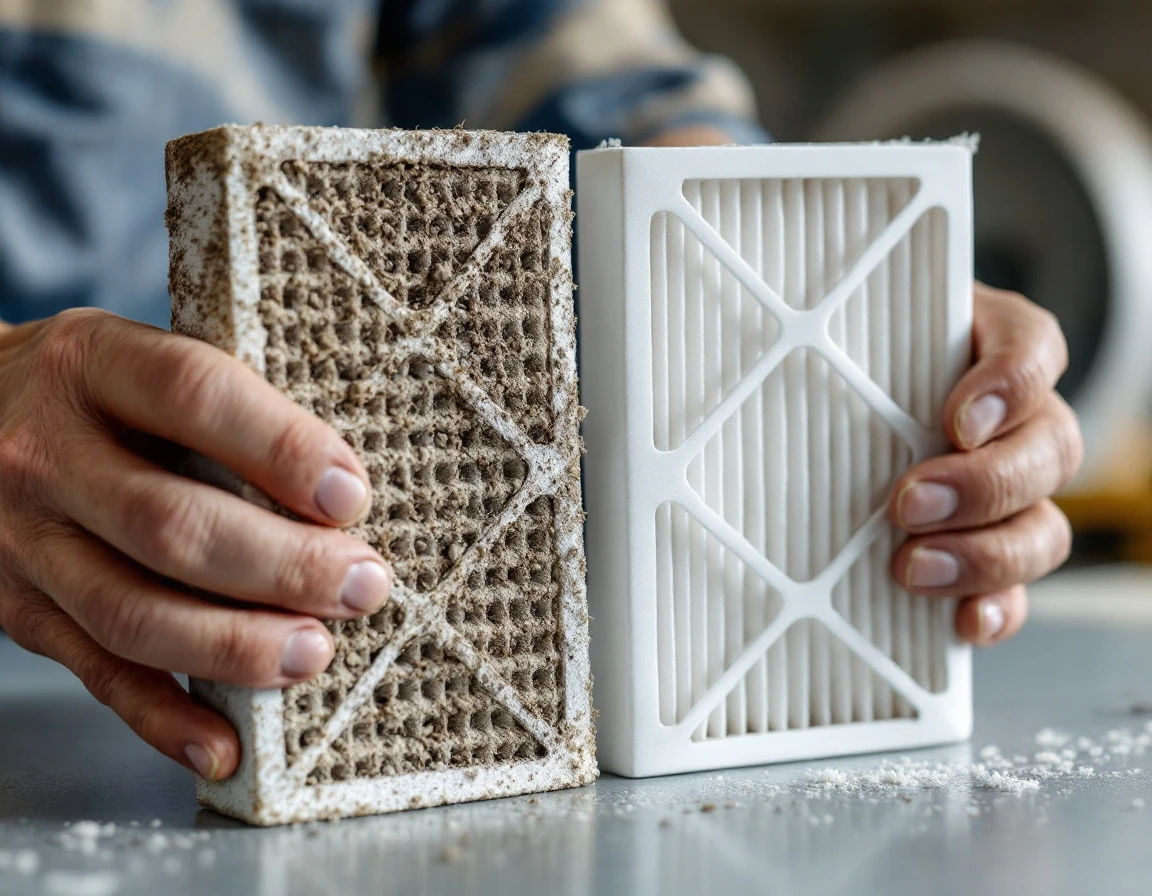
Portland’s summer wildfire smoke creates a unique maintenance priority: weatherstripping replacement. Garage weatherseals prevent smoke particulates from entering your garage and home through gaps around the door, but degraded seals allow contaminated air to circulate freely. Compromised weatherstripping forces your HVAC system to work harder filtering smoke that enters through the garage during late summer smoke events.
When maintaining your weathersealing system during May, focus on these key tasks:
- Replace bottom weatherstripping before smoke season begins
- Check side and top seals simultaneously for cracks or separation
- Verify door-to-frame contact is uniform across entire perimeter
- Maintain all seal connections are secure and properly installed
Many homeowners skip this task entirely, not realizing how much air infiltration occurs through garage gaps. Verify your door closes flush against weatherstripping around the entire perimeter. During smoke season, proper sealing prevents outside air from entering your garage and home, but only if your weatherstripping isn’t cracked or separated from last season. Fresh seals paired with proper door alignment protect both air quality and energy efficiency throughout summer. Not sure about your weatherstripping condition? Contact Garage Harmony today for a professional assessment.
Summer Garage Door Maintenance Checklist: Hardware & Panel Readiness
Summer heat accelerates metal expansion in springs, hinges, and track hardware—meaning components that functioned properly in April may fail under July’s sustained high temperatures and daily operation cycles. Before Portland’s summer travel season begins, check each hardware connection’s tightness and condition. Mounting brackets should sit flush against framing with no visible movement when the door operates. Track bolts should remain tight without backing out from vibration. Hinges should show no cracks or stress marks around screw holes.
Panel condition deserves particular attention because warped panels create binding and uneven operation during hot weather. Inspect door panels for cracks, dents, or separation between sections. Steel panels can develop rust spots that spread rapidly in summer humidity. Wood panels may show warping or water damage that worsens under heat exposure. Use visual inspection when the door is fully closed and again at mid-height to catch issues not visible from one position alone.
This 15-minute inspection costs nothing but prevents expensive emergency repairs. A $500+ spring replacement on an emergency weekend call or a $300 panel repair from warping damage far outweigh the cost of May preventive maintenance. Establish baseline inspection records now, before heat and heavy use test every component of your garage door system.
Shop Work vs DIY: When to Call a Pro
While homeowners can handle visual inspections, weatherstripping replacement, and hardware tightening at home, certain tasks demand professional equipment and expertise. Spring tension adjustment requires specialized tools that measure torque and load safely—something basic hand tools cannot replicate. Cable replacement needs proper drum positioning and tension calculation to prevent catastrophic failure. Opener motor diagnostics require testing equipment that measures amperage draw and identifies failing components before complete breakdown.
Unusual noises and erratic operation signal problems that diagnostic experience and trained technicians must decode. Grinding sounds could mean worn rollers or bearing failure, while jerky operation might indicate spring imbalance or track misalignment. Missing a failing spring or frayed cable strands homeowners with an inoperable garage door during summer vacation departures—dangerous and expensive. Missing a lubrication schedule is merely inconvenient.
Garage Harmony and other Portland metro service providers book solid June through August as homeowners rush for last-minute service. Contact us today to schedule your May inspection before peak season arrives. Our experts catch small issues before they become dangerous failures.
Before You Leave for Vacation
Before any summer vacation—whether you’re heading to the coast, Bend, or Crater Lake—take five minutes to run a pre-departure garage door safety check. This quick verification catches issues that may have developed since your May maintenance and builds homeowner confidence in your security system.
Complete these verification steps before departing:
- Test your opener with remote and wall switch to verify reliable operation
- Activate the safety reversal by placing an object in the door’s path
- Listen for unusual grinding or squeaking during full operation cycle
- Visually inspect weatherstripping for proper seal when door is closed
- Verify all locks and latches engage properly if you disable the opener while away
Save Garage Harmony’s number in your phone for emergency garage door repairs. And know we’re your local expert for spring replacement, sensor adjustment, and safety inspections throughout Portland metro. Ready to protect your garage door this summer? Request a garage door quote today from our experts—before peak season arrives.






Leave A Comment