


Agricultural Garage Demands
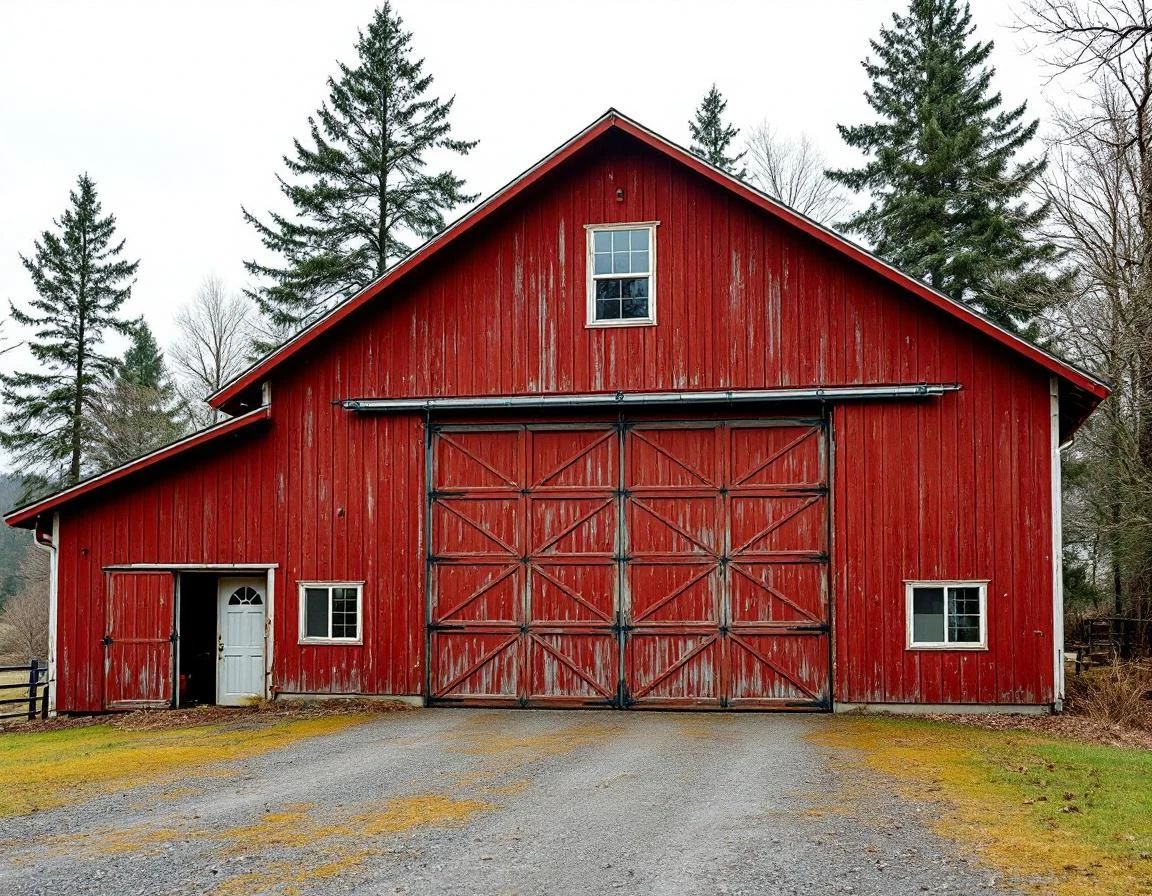
Farm and ranch properties need garage doors that handle heavy equipment traffic, dust, moisture, and temperature extremes that would overwhelm residential hardware.
Farm equipment storage requires doors
Agricultural buildings face demands that go far beyond typical residential garages. Farm equipment storage requires doors that withstand repeated heavy loading cycles as tractors, harvesters, and implements move in and out throughout planting and harvest seasons. Each cycle places stress on springs, tracks, and opener systems that residential doors rarely experience.
Moisture from stored materials and seasonal weather creates corrosion pressures that accelerate wear on metal components. Hay, grain, and fertilizer release humidity while North Plains’ wet winters add external moisture exposure. This combination attacks springs, cables, and hardware, making corrosion-resistant components essential for buildings that protect valuable farm equipment.
Freeze-thaw cycles in North Plains stress springs
North Plains experiences the temperature swings that punish garage door springs and mechanical components. When moisture penetrates metal parts during wet winter months, then temperatures drop overnight and rise during the day, springs undergo expansion and contraction cycles that accelerate metal fatigue. This weather pattern hits agricultural properties especially hard because farm equipment garages often lack the climate control of attached residential garages.
When a spring fails during planting season or harvest, the financial impact extends far beyond the repair cost. Equipment locked behind a non-functioning door can delay time-sensitive farming operations, potentially affecting an entire season’s revenue. Installing heavy-duty springs and openers before fall weather arrives prevents these mid-winter failures when farmers need reliable access most.
Spring Failure Patterns
Standard residential garage door springs typically rated for 10,000 cycles fail in just 2-3 years on farm doors that open and close multiple times daily for equipment access. Agricultural operations accelerate wear through constant heavy loading cycles that push springs beyond their designed tolerances.
North Plains’ freeze-thaw cycling creates a particularly destructive environment for metal components. When temperatures swing from below freezing at night to above freezing during the day, moisture penetrates microscopic cracks in spring coils. This water expands when frozen, weakening the metal micro-structure and accelerating spring degradation with each temperature cycle.
Winter failures create dangerous downtime when farm operations cannot tolerate delays. Emergency repairs during harvest prep or critical equipment maintenance windows cost far more than planned spring replacement.
May installations offer a strategic advantage—farms face lower operational pressure during late spring, and technicians can complete work without disrupting fall readiness.
The cost differential between proactive May replacement and emergency winter repair extends beyond the service call. Planned maintenance prevents equipment access disruptions during seasons when every operational hour matters for agricultural revenue.
Heavy-Duty Opener Specifications
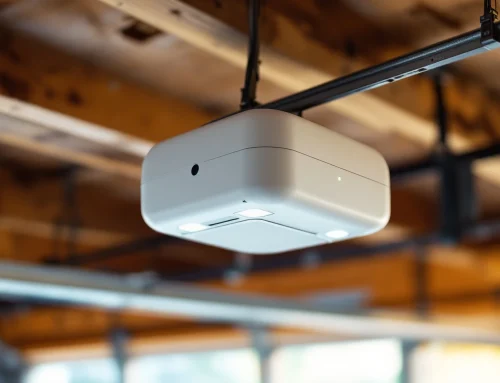
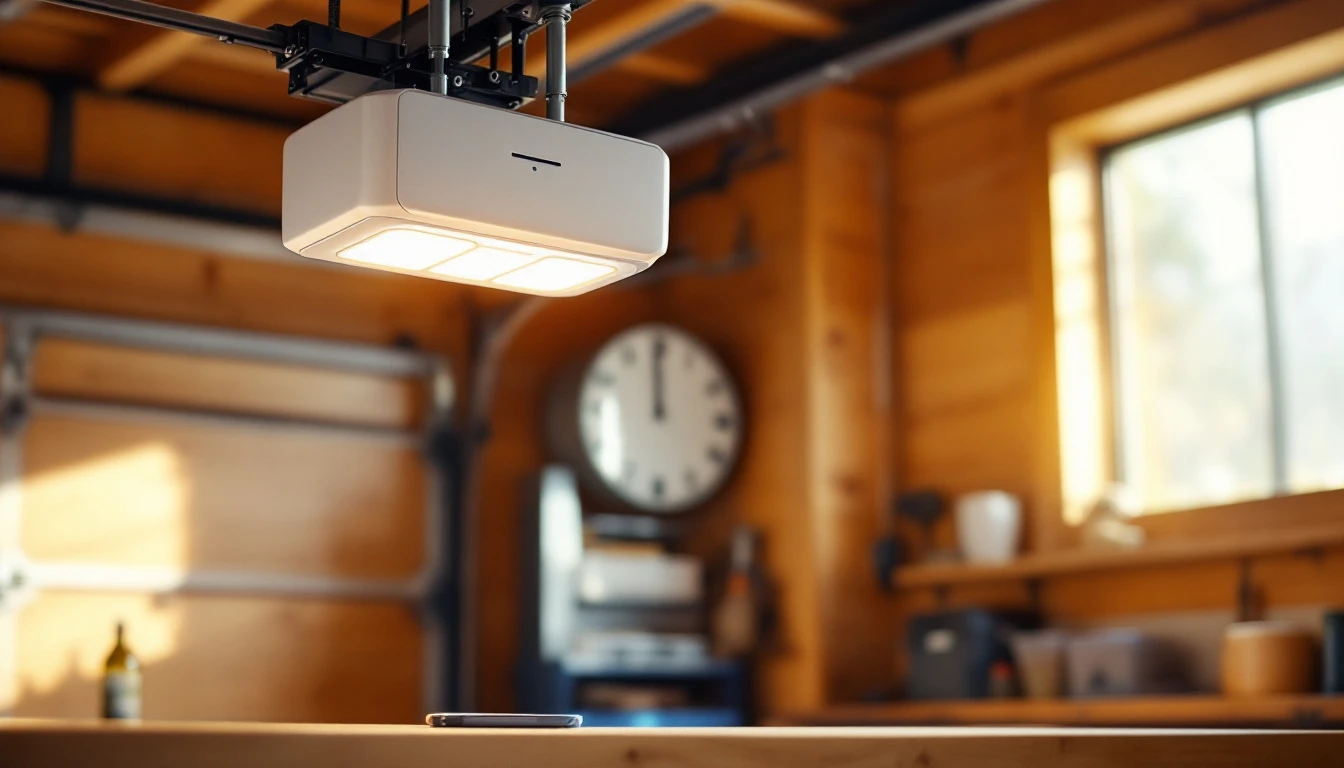
Agricultural doors require 1/2 to 3/4 HP openers rated for continuous duty cycles—not the 1/3 HP residential models common in suburban garages. Why does this power difference matter? Farm buildings see dozens of opening cycles daily during harvest or equipment rotations, and underpowered openers burn out under this sustained workload.
Commercial-grade models with reinforced gearing handle the weight and frequency demands of agricultural doors. Look for moisture-resistant construction with sealed motors and stainless steel hardware—features that prevent corrosion in damp storage environments where hay, grain dust, and seasonal moisture accumulate. Sealed bearings extend service life in North Plains’ wet winters.
A properly specified heavy-duty opener is an investment in reliability and safety, directly preventing the catastrophic spring failures and motor burnouts that strand equipment during critical farming windows.
When your operation cannot afford downtime, choosing the right opener specification matters.
Spring Replacement Checklist
Before scheduling spring replacement, conduct a thorough visual inspection of your agricultural garage door springs. Look for the following warning signs:
- Rust spots that indicate moisture penetration
- Visible kinks or gaps in the coils
- Uneven compression where one section appears tighter than another
These warning signs mean your springs are approaching failure and need immediate replacement.
Determining the correct spring specification requires knowing your door’s weight and selecting an appropriate cycle rating for farm use. Agricultural doors need springs rated for commercial-duty cycles because frequent equipment movement wears springs faster than typical residential use. Never install undersized springs—they create dangerous situations when heavy farm doors drop unexpectedly or strain opener systems beyond their limits.
Spring replacement is not a DIY project. The high tension required for heavy agricultural doors, combined with the weight of the doors themselves and hazards in farm environments, makes professional installation essential. Schedule your spring replacement in May so it will be completed before your July-August equipment maintenance windows when you need reliable garage access most.
Installation Timeline & Cost Benefit
Scheduling garage door spring replacement and heavy-duty opener installation in May positions North Plains property owners to avoid the fall rush while preparing equipment storage buildings for occupancyor harvest-season access demands. A planned spring replacement typically costs $800–$1,500. While combining it with a heavy-duty opener upgrade runs $1,500–$2,500 installed. Compare this to emergency winter repair. Which often exceeds $2,000 once you factor in after-hours service charges and limited technician availability during ice storms.
The true cost calculation extends beyond parts and labor. When a garage door fails during equipment inventory, harvest prep, or winter maintenance windows, the operational downtime can halt critical farm work. A three-day delay waiting for emergency service during these peak periods creates revenue impacts that dwarf the upfront investment in proactive replacement.
May installation takes advantage of a lower-pressure period in the agricultural calendar, allowing you to schedule work without competing against harvest deadlines or weather emergencies. Contact Garage Harmony to schedule an assessment and receive a detailed estimate for your workshop or equipment storage building.




Leave A Comment