

Hillsboro Garage Door Winter Weather & Tualatin Valley Fog & Ice
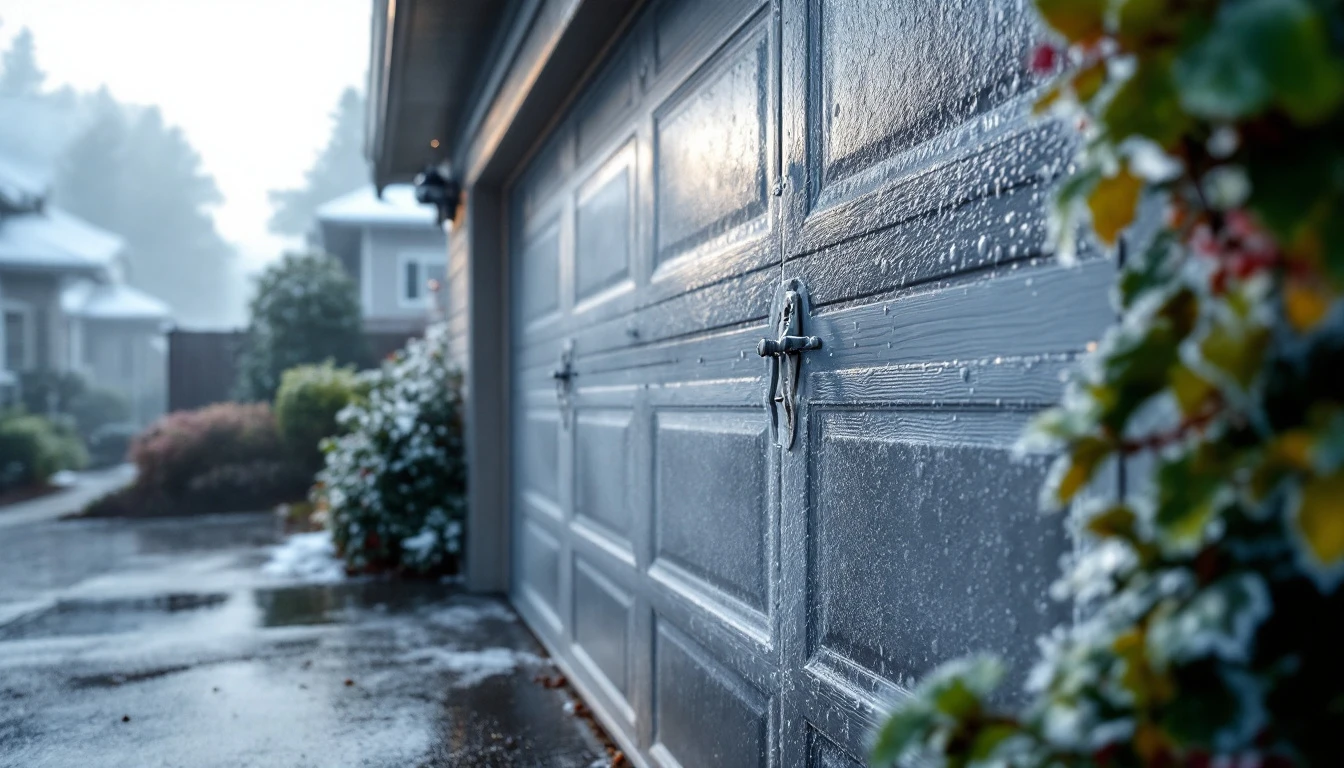
Hillsboro sits on the Tualatin Valley floor, where dense fog settles from October through March and lingers far longer than in nearby Portland neighborhoods at higher elevations. Understanding how hillsboro garage door winter weather affects your garage is critical for homeowners in this region. This isn’t just visibility fog — it’s moisture-saturated air that penetrates garage door tracks, accumulates on metal springs, and coats safety sensors with condensation. When homeowners in Orenco Station or Tanasbourne open their garage doors on foggy mornings, that moisture works its way into every mechanical component, creating rust and corrosion that standard maintenance schedules don’t anticipate.
Ice storms add another layer of stress. When temperatures plunge and freezing rain coats your garage door, the added weight strains torsion springs already weakened by months of fog exposure. The rapid temperature swings — freezing overnight, thawing by afternoon — create expansion and contraction cycles that fatigue metal components. Springs that would last seven years in drier climates fail in five here.
Local garage door professionals see this pattern repeatedly:
valley floor locations experience two to three times more moisture-related failures than homes just a few miles up the hillside.
The combination of persistent fog and occasional ice creates a perfect storm for component breakdown. That’s why early-season inspections in March or April matter so much. Catching spring fatigue or sensor corrosion before the weather fully clears prevents emergency calls when springs snap during your morning commute — repairs that run $1,500 or more when you need same-day service.
Spring Stress from Cold & Moisture
Hillsboro’s winter climate creates a perfect storm for garage door spring failure. When temperatures drop below 32°F—common during those foggy valley mornings from October through March—torsion springs lose elasticity as the metal contracts and becomes brittle. The dense fog that settles across Orenco Station and Tanasbourne doesn’t just reduce visibility; it coats your springs with moisture that accelerates rust formation, eating away at the metal’s structural integrity.
What makes this particularly dangerous is the freeze-thaw cycle. As temperatures fluctuate between overnight lows and daytime warming, springs expand and contract repeatedly. This creates micro-fractures in the coils that you simply can’t see during a casual visual inspection. The damage accumulates silently until one morning your spring snaps—usually when you’re rushing to get to work or when you need to leave for an important appointment. Winter garage door maintenance Hillsboro residents perform in fall can prevent these failures entirely.
When a spring fails, your garage door becomes completely inoperable and creates a serious safety hazard. A broken spring releases tremendous tension instantly, and if you’re standing nearby, the flying metal can cause injury. Emergency spring replacement typically costs $400–$800 per spring, plus the inconvenience of waiting for a technician to arrive.
You can avoid this scenario with a simple pre-April inspection. Stand at least six feet back from your door and look for rust spots, corrosion on the spring coils, or gaps between coils that suggest tension loss. If you notice any of these warning signs, or if your door hesitates when opening, call a professional immediately.
Hillsboro’s varying climate conditions can affect garage door components. Making spring inspection and preventive replacement cost far less than emergency repair—and keeps your family safe.
Visual Inspection
Safety first: perform your spring inspection with the garage door fully closed and keep your hands at least six feet away from the springs at all times. Never touch or attempt to adjust springs yourself—their tension can cause serious injury.
Stand back and look for three warning signs:
- Rust streaks or brown discoloration on the spring coils indicate corrosion from Hillsboro’s winter fog, which weakens the metal
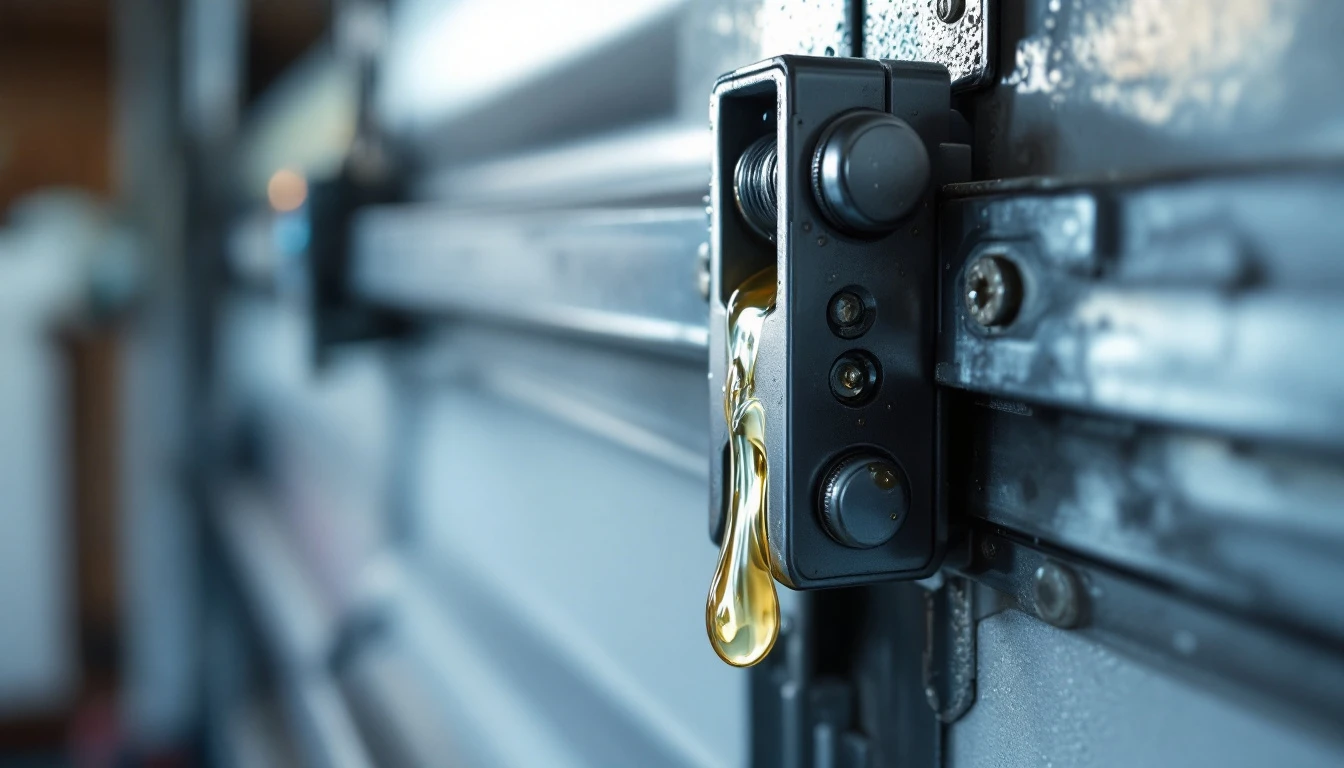
- Oil or grease spots beneath the springs suggest lubricant breakdown, meaning the spring is working harder and wearing faster
- Gaps between coils, kinks, or stretched sections that weren’t there before
If you have two springs, compare them side by side. Do they look identical in color, spacing, and coil tightness? Uneven appearance means one spring is failing while the other compensates—a setup for sudden failure. This five-minute inspection catches most problems before they become emergencies. Spot any of these red flags? Contact Garage Harmony for professional service before the spring breaks.
When to Call a Professional
Some inspection findings require immediate professional attention. If you spot visible rust patches, oil streaks beneath the springs, gaps in the coils, or any kinks in the metal, stop using your door and call for service right away. Operating a garage door with compromised springs creates a genuine safety hazard.
Does your door open unevenly on one side, or worse, slam down unexpectedly? These symptoms indicate spring tension loss and represent an emergency situation. Similarly, if your door feels unusually sluggish during cold mornings despite no visible damage, you need a professional tension test.
A professional spring inspection costs $75 to $150 in the Hillsboro area. This preventive service identifies failing springs before they snap, helping you avoid emergency repair bills that typically exceed $400. Early professional evaluation protects both your budget and your family’s safety.
Weatherstripping & Seal Protection Against Fog and Ice Damage
Hillsboro’s persistent valley fog creates a unique challenge for garage door weatherstripping. Unlike simple rain that drains away, dense fog saturates rubber seals repeatedly throughout the winter months, forcing moisture into microscopic cracks and compression damage. Garage door fog and ice damage in the Tualatin Valley frequently begins with failed weatherstripping, which allows moisture infiltration. When ice storms arrive, they compound the problem by physically compressing weakened seals against door frames, reducing their effectiveness and creating permanent deformities that never fully recover.
The damage cascade starts small but accelerates rapidly. Moisture that penetrates damaged weatherstripping doesn’t just raise heating costs through cold air infiltration—it corrodes metal tracks from the inside out, triggers rust formation on springs, and damages insulation batting. Inside your garage, fog-driven moisture attacks drywall, compromises electrical wiring, and ruins stored belongings. What begins as a minor weatherstripping replacement can escalate into extensive interior repairs if left unaddressed.
Inspect your weatherstripping for these warning signs:
- Visible gaps between the seal and door frame when closed
- Cracks or splitting in the rubber material
- Permanent compression damage where the seal no longer springs back
- Discoloration or brittleness indicating UV and moisture degradation
To measure for replacement, close your garage door and shine a flashlight along all edges—any light penetration indicates seal failure. Most weatherstripping attaches via a T-shaped groove and slides out with moderate pulling. Check the weather stripping and bottom seal for cracks, gaps, or areas that feel stiff rather than flexible. When dealing with frozen seals, corroded attachment points, or complex threshold systems, contact Garage Harmony for professional replacement that means proper compression and complete moisture protection.
Safety Sensors in Fog & Ice
Hillsboro’s dense valley fog creates a hidden danger for garage door safety sensors. When moisture condenses on the small glass lenses that send and receive infrared beams across your doorway, those beams get blocked. The sensors can’t “see” each other, and your garage door loses its ability to detect obstacles in the path. Tualatin Valley garage door safety sensors in winter face additional challenges when ice storms add a second problem: falling ice or wind-driven debris physically knock sensor brackets out of alignment, breaking the beam connection even when lenses stay clear.
Without functioning sensors, your garage door cannot reverse when it hits an obstacle. That auto-reverse feature protects children, pets, vehicles, and anything else in the door’s path from being crushed.
A door that fails to reverse creates an immediate safety hazard, yet sensor failure often goes unnoticed until someone places something in the doorway and the door keeps closing.
Test your sensors monthly with this simple check: Press the close button, then immediately place a cardboard box or similar object in the door’s path. The door should reverse within one second of contacting the box. If it doesn’t, you have a sensor problem requiring immediate attention.
Clean sensor lenses monthly by wiping both units with a soft, dry cloth to remove condensation and dirt. Check that bracket screws stay tight and sensors point directly at each other. Watch for warning signs like doors that won’t close unless you hold the button, or sensor lights that blink red instead of showing solid green. These symptoms indicate misalignment or component failure requiring professional realignment or replacement, which involves costs that vary depending on whether brackets need adjustment or complete sensor units need replacement.
March Inspection Checklist & Action
Before April’s heavy rain season arrives in the Tualatin Valley, complete this three-step DIY inspection in just 15 minutes. First, perform your visual spring inspection, checking for rust, gaps, and oil leakage. Second, examine your weatherstripping around all four sides of the door, looking for compression, cracks, or gaps. Third, test your safety sensors by placing a cardboard box in the door’s path during closing to confirm auto-reverse engages.
For each finding, follow this decision tree: No red flags? Continue monthly monitoring through spring. One or more issues detected? Schedule a professional assessment within two weeks. Rust on springs, compressed weatherstripping, or failed sensor tests require expert evaluation before the rainy season intensifies these problems.
A professional inspection costs $100–$150 and identifies hidden damage your visual check might miss, including internal spring wear. Track misalignment, and electrical connections. Preparing your garage door for spring and summer in Oregon prevents costly emergency repairs when winter-weakened components fail under seasonal storm loads. Complete all repairs before April to protect your Hillsboro garage from seasonal moisture damage. Contact Garage Harmony today to schedule your pre-spring inspection.

Leave A Comment