


Why Multi-Door Systems Fail
When you have multiple garage doors, each system depends on the others for balanced operation—and when one fails, it often triggers problems in the remaining doors through shared electrical loads and coordinated opener circuits. Three-car garage maintenance in West Linn requires understanding these interdependencies to prevent cascading failures across your entire system.
Three-car garages create interdependent spring
Three-car garages in West Linn neighborhoods like Bolton and Robinwood face unique strain patterns that single-door systems never encounter. When one spring weakens, the other doors compensate by cycling more frequently, spreading deterioration across the entire system. This interdependence means spring balance issues compound quickly across multiple doors.
Seasonal temperature swings hit three-door configurations especially hard. As spring weather alternates between cool mornings and warm afternoons, metal springs expand and contract at different rates depending on sun exposure. This uneven thermal stress accelerates wear, pushing already-compromised springs toward failure when you need reliable access most.
Opener coordination breakdown causes binding
In Bolton and Robinwood three-car configurations, when one opener falls out of sync with the others, the entire system experiences binding at connection points where wall framing shares structural loads. This misalignment creates dangerous safety hazards as doors strain against each other during operation, forcing motors to work harder and increasing the risk of sudden cable failures.
March weather transitions in Clackamas County amplify these three-car garage door coordination problems as temperature swings cause metal components to expand and contract at different rates throughout the day. Systems neglected during winter months reach peak failure conditions when warming trends expose weakened springs and worn drive mechanisms that couldn’t handle the seasonal stress.
Spring Balance Inspection Steps
Start with a manual balance test on each of your three doors. Disconnect the opener by pulling the red emergency release handle, then lift each door halfway by hand. A balanced door should stay in place when you let go, neither rising nor falling. Does it feel surprisingly heavy? That indicates weak or broken springs. Does it shoot upward on its own? The springs have too much tension. This hands-on test reveals spring tension mismatches across your system that threaten stability and strain openers.
Next, perform a thorough visual inspection of each spring assembly. Look for the following indicators:
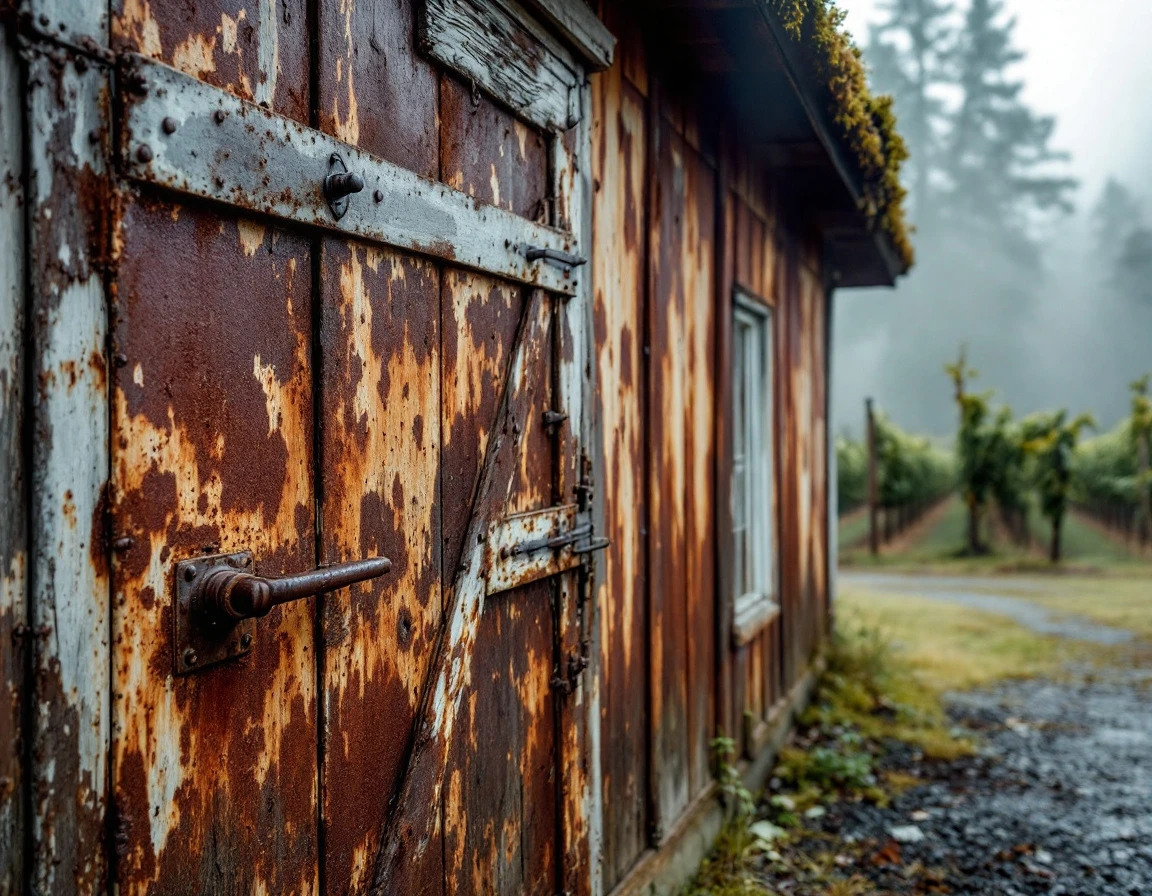
- Rust streaks running down the springs—these indicate internal corrosion that weakens metal coils
- Visible gaps between coils, which signal stretching and imminent failure
- Jerky or hesitant door movement, or one side lifting faster than the other—uneven movement points to springs near their failure point
In Bolton and Robinwood homes with premium three-car setups, spring coordination problems become obvious when you compare how each door operates.
An imbalanced door feels distinctly different from a balanced one. Balanced springs create smooth, even resistance throughout the lift cycle. Imbalanced systems feel jerky, require extra effort at certain points, or seem to fight you as you lift. Compare the feel across all three doors—differences indicate coordination problems before your openers strain under uneven loads.
Safety reminder: Never attempt to adjust, remove, or replace torsion springs yourself. These components store hundreds of pounds of tension and cause serious injuries when handled improperly. If your inspection reveals rust, gaps, or imbalance, stop immediately and call a professional. This inspection process helps you decide whether routine maintenance suffices or professional repair becomes necessary.
Opener Coordination Troubleshooting
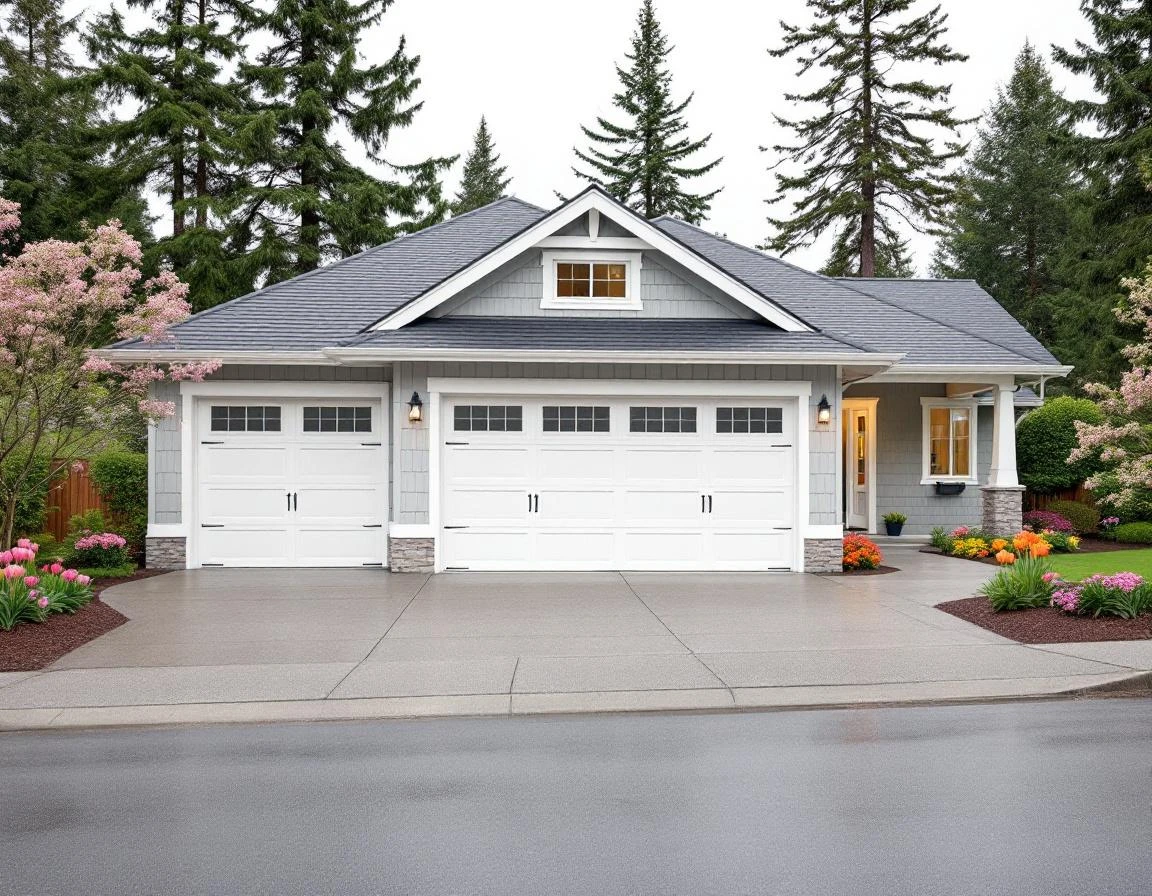
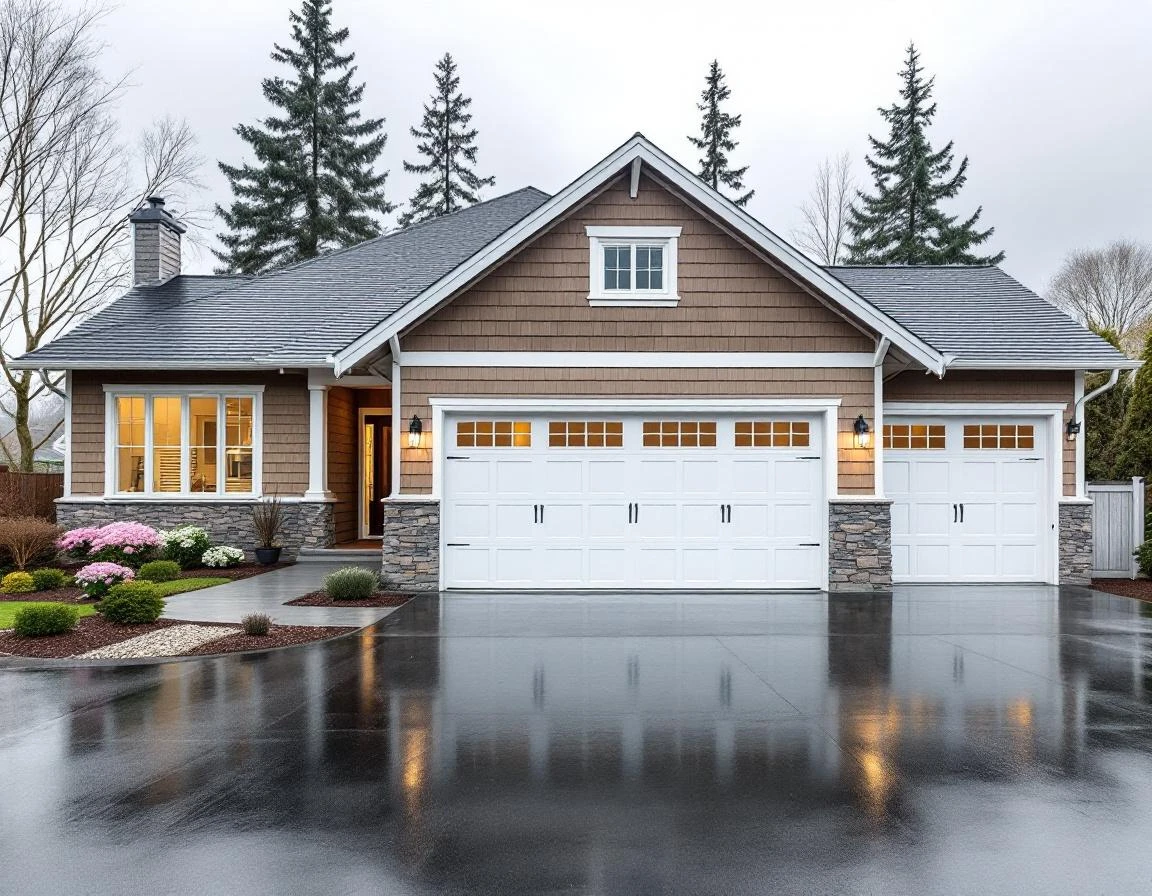
In three-car garage systems like those common in Bolton and Robinwood neighborhoods, your openers must work together as a coordinated team. When one opener pulls harder or faster than its neighbors, the entire system experiences binding, uneven wear, and accelerated component failure. Think of it like three horses pulling a wagon—if one gallops while the others trot, the rigging tears apart.
Start your coordination check by testing each door independently. Open and close one door at a time using its wall button, watching for smooth motion from start to finish. Does the door move at a consistent speed, or does it jerk and hesitate? Time each door’s full cycle with your phone’s stopwatch. If one door takes 15 seconds while another takes 22 seconds, you’ve found a timing mismatch that creates strain across the system.
Next, test all remotes on each door. Programming inconsistencies cause some openers to respond instantly while others delay, creating the jerky start-stop motion that damages cables and rollers. Stand near each opener during operation and listen for unusual motor strain—a grinding hum or labored sound indicates the opener is fighting against resistance, often because springs elsewhere in the system have failed.
Here’s the critical insight: coordination problems rarely exist in isolation. That delayed response or asymmetrical motion you’re observing is usually a warning sign of deeper spring or cable issues developing in the system. Any door that moves unevenly, responds sluggishly, or produces unusual sounds during operation warrants immediate professional inspection.
Catching these warning signs now prevents catastrophic failure when spring weather places additional strain on already-compromised systems. When coordination breaks down, the question isn’t whether to call for help—it’s how soon you can schedule that inspection before something fails completely.
DIY vs Professional Repair Decisions
For multi-door garage opener repair in three-car systems, knowing which tasks you can safely handle yourself and which require professional expertise protects both your safety and your wallet. Never attempt spring adjustment or replacement yourself — these components store enough tension to cause severe injury or death, and proper installation requires specialized tools and training that even experienced DIYers don’t possess.
That said, several maintenance tasks are perfectly safe for homeowners to perform:
- Lubricate hinges and rollers with garage door-specific lubricant
- Clean debris from tracks using a damp cloth
- Test safety sensor alignment by placing an object in the door’s path
- Conduct visual inspections for rust, fraying cables, or worn rollers
These simple tasks take minimal time and help you spot developing problems before they become emergencies.
For three-car systems in Bolton and Robinwood, coordination issues often signal deeper problems that only professionals can diagnose properly. What appears to be a simple programming glitch might actually mask failing springs, worn cable drums, or motor strain patterns that require diagnostic tools and experience to identify. If one door consistently lags behind others or you hear unusual grinding sounds, schedule a professional inspection rather than attempting fixes yourself.
The cost-benefit analysis favors preventive professional service. A March inspection — scheduled before West Linn’s spring weather creates peak demand — costs far less than emergency service calls during busy season or the expense of replacing multiple springs that failed due to neglect. If you’re uncertain whether a repair is within your skill level, that uncertainty itself is your answer: call Garage Harmony. Our team has seen too many injuries and expensive damage from well-intentioned DIY spring work to ever recommend it.
Three-Car Garage Maintenance Checklist for West Linn
Spring weather in West Linn brings temperature swings that stress garage door components weakened during winter months. March is your critical window to inspect all three doors before peak season demand drives up repair costs and extends wait times. Start with a spring balance test on each door: disconnect the openers and manually lift each door halfway. A properly balanced door stays in place; one that falls or rises indicates spring wear requiring professional attention.
Next, test each opener’s speed and response consistency. Press each remote and watch how quickly each door responds. Uneven speeds between doors signal motor strain or spring imbalance. Walk to each door and listen for grinding or hesitation during operation. These sounds indicate track misalignment or worn rollers that will worsen as usage increases through spring and summer.
Complete your inspection with three quick checks: apply lithium-based lubricant to tracks, hinges, and rollers on all doors; verify that safety sensors align properly by testing the auto-reverse function; and examine weatherstripping along each door bottom for cracks or gaps that will allow water intrusion during Clackamas County’s approaching rain season.
Here’s your decision tree:
- If springs fail the balance test, schedule professional service immediately—spring failures happen without warning and can cause injury
- If you notice uneven door speeds, coordination problems, or grinding sounds, plan professional service within two weeks before the issue cascades to other doors
- Surface rust, minor squeaking, or worn weatherstripping gives you time to schedule routine maintenance within the month
West Linn’s capital improvement planning emphasizes proper maintenance of city facilities and vehicle maintenance systems, principles that apply equally to residential garage door systems requiring regular inspection and preventive care.


Leave A Comment