


Spring Rain Risk in Portland Metro
Portland metro homeowners face peak rainfall challenges in March and April. When the region typically receives 5-6 inches of precipitation. During these months, garage doors without proper weatherproofing become vulnerable entry points for water infiltration that can damage panels, corrode openers, and compromise structural components. To prepare garage door systems before spring rain arrives, homeowners must address these vulnerabilities early. The consequences extend beyond cosmetic issues—water damage often affects electrical systems, motor housings, and the wooden framing around door openings.
Typical water-damage repairs range from $500 to $2,000. Depending on the extent of deterioration. These costs reflect not just the immediate fix but the cascading problems that water creates: rusted springs that snap prematurely, warped panels that bind in tracks, and opener circuit boards that short out from moisture exposure. By contrast, completing a focused inspection and maintenance routine in early March takes just 1-2 hours and protects your $3,000-$5,000 garage door investment throughout the wettest season.
The timing matters. Addressing weatherproofing gaps before the heaviest downpours arrive prevents emergency service calls during peak rain periods when availability becomes limited and water has already penetrated vulnerable areas. This proactive approach extends equipment life and maintains the barrier that keeps your garage—and everything stored inside—dry.
Five-Point Spring Inspection Checklist
This five-point checklist takes about 30 minutes to complete and gives you a clear picture of your garage door’s readiness for spring weather. Schedule this inspection for early March, before the heaviest rainfall arrives.
Point One: Weatherstripping and Seals
Check the rubber seal along the bottom of your door for cracks, gaps, or compressed sections that won’t rebound. Press your thumb into the material—it should spring back quickly. Inspect the weatherstripping along the sides and top of the door frame for separation or deterioration.
DIY or professional? Replacing bottom seals and side weatherstripping can be installed by most homeowners without difficulty. Professional help makes sense if you notice water stains on interior walls near the garage door, which may indicate hidden seal failures.
Point Two: Panel and Hardware Inspection
Look for rust spots on metal panels, particularly along bottom sections that contact ground moisture. Check all visible bolts, brackets, and hinges for rust or looseness. Examine panels for dents, cracks, or separation at joints.
DIY or professional? Tightening loose hardware is a simple DIY task. Call our team if you spot rust spreading across panels, significant dents affecting door operation, or cracked panel sections.
Point Three: Balance and Operational Testing
Disconnect your opener and manually lift the door halfway. A properly balanced door stays in place. If it drops or shoots up, your springs need adjustment. Test the auto-reverse safety sensors by placing a cardboard box in the door’s path during closing.
DIY or professional? Spring adjustment requires specialized tools and knowledge of high-tension components. Contact us today if your door fails the balance test—this prevents opener motor burnout during heavy spring use.
Point Four: Lubrication and Track Alignment
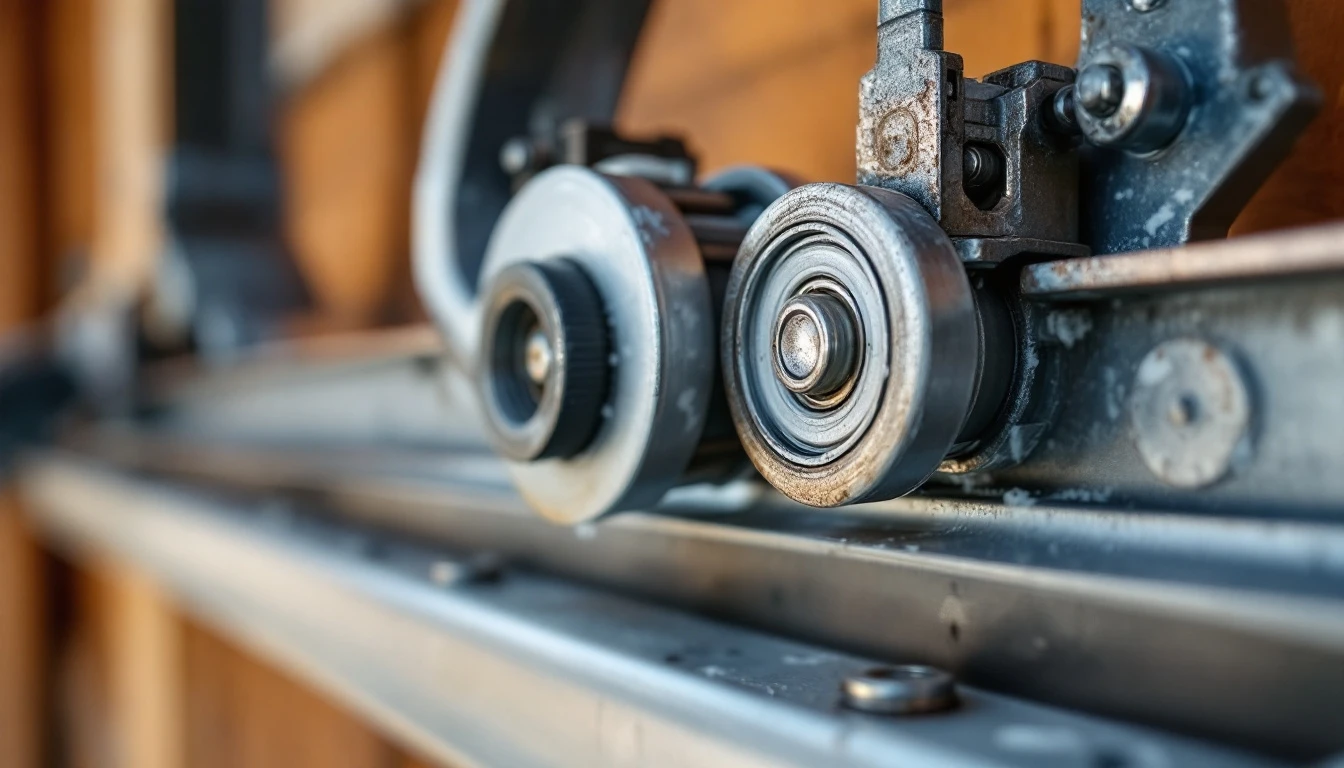
Apply garage door lubricant to rollers, hinges, and springs. Check tracks for alignment by measuring the distance from the track to the door edge at multiple points—measurements should match. Look for gaps between rollers and tracks.
DIY or professional? Lubrication is simple homeowner maintenance. Track realignment requires professional expertise to avoid creating binding points that stress the opener.
Point Five: Opener Responsiveness
Time how long your opener takes to fully open and close the door. Listen for grinding, clicking, or labored operation. Test your wall button and remote from various distances.
DIY or professional? Slow or noisy operation often signals worn gears or motor issues. Reach out to us today for further guidance if your opener struggles or makes unusual sounds.
Weatherstripping and Seal Replacement
Start your pre-season inspection by examining the rubber seals running along the sides, top, and bottom of your garage door. Look for visible cracks, hardening, or compressed sections where the material no longer springs back to its original shape. Portland’s wet climate is particularly demanding on weatherstripping—moisture and temperature fluctuations accelerate deterioration.
Perform the dollar-bill test to gauge seal effectiveness: close your garage door on a dollar bill, then try to pull it out. If it slides out easily without resistance, your seals are worn and allowing moisture to enter. Failed weatherstripping permits water staining on interior panels, rust formation on metal tracks and hardware, and corrosion of your opener’s electrical components—problems that cost far more to repair than preventive seal replacement.
For Pacific Northwest conditions, choose EPDM rubber or vinyl weatherstripping rated for continuous moisture exposure. DIY replacement typically costs $150-$300 for materials and runs about two hours for confident homeowners with basic tools. Professional installation runs $300-$500 and makes sense if you’re uncomfortable working on ladders or if your door requires specialized seal profiles. Contact us today if you need expert guidance on material selection or how to weatherproof garage door systems effectively.
Panel and Track Condition Assessment
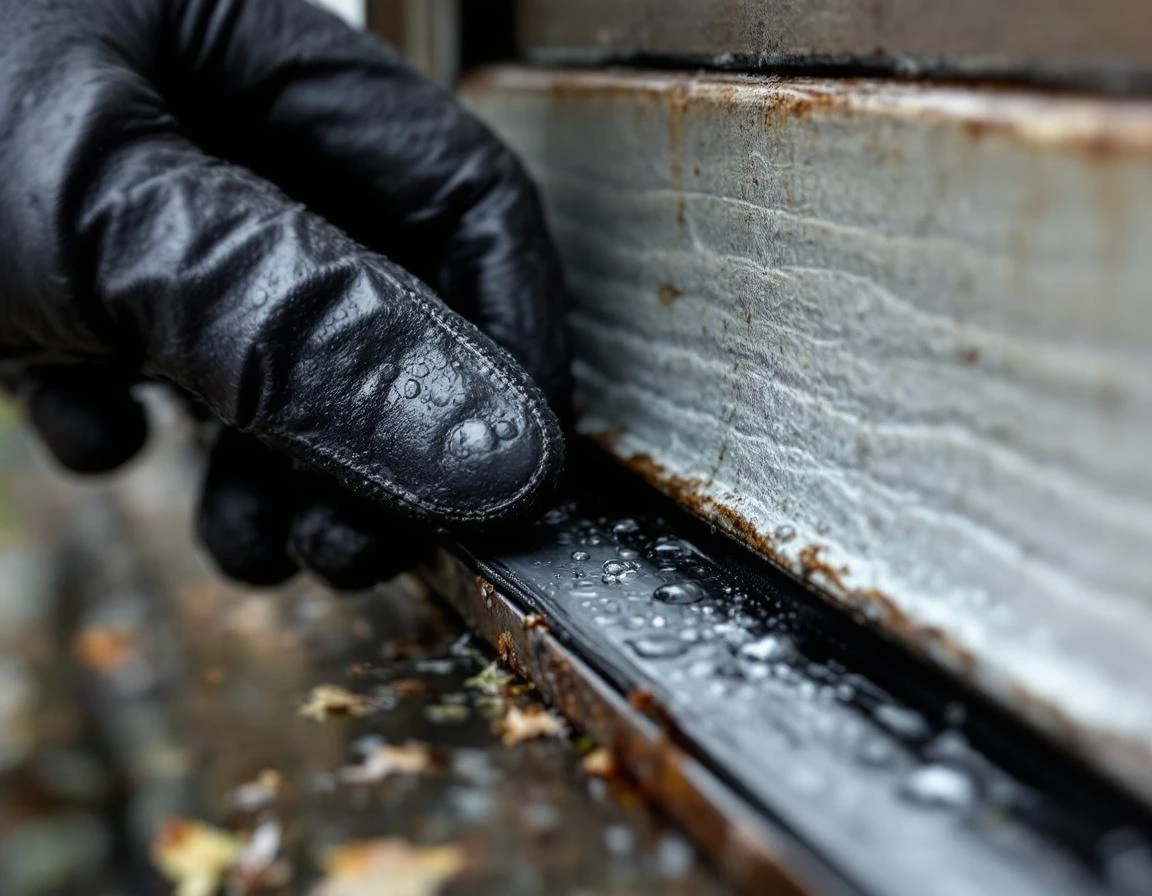
Walk around your garage door and examine the panels closely. Look for rust stains that bleed through paint, warping in wood panels, visible dents, or soft spots that indicate rot. These aren’t just cosmetic issues—water seeps through damaged panels, soaking insulation and promoting mold growth inside your garage.
Next, inspect the vertical tracks on both sides. Check for rust spots where moisture collects, debris trapped in the channels, and alignment issues that create water-trapping pockets. Pull out your phone and photograph any damage you find—these images help repair professionals provide accurate estimates without an initial site visit.
How do you know if damage needs immediate attention? Structural issues like warped panels that prevent proper closure, tracks pulled away from the wall. Or wood rot that compromises door integrity demand professional repair before spring rains arrive. Surface rust or minor dents can typically wait until after storm season.
Operational Testing and Maintenance for Spring Garage Door Inspection
Before Portland’s heaviest rains arrive in late March and April, your garage door needs functional testing to verify all mechanical systems will hold up under wet conditions. These four operational checks take about 20 minutes and reveal problems that worsen quickly once exposed to moisture.
Test your door’s balance first. Disconnect the opener by pulling the red release handle, then manually lift the door to waist height (roughly four feet up). A properly balanced door should stay in place without drifting up or down. If the door drops or shoots upward, your springs need adjustment—this is a job for professionals like our team at Garage Harmony, as spring tension exceeds 200 pounds and poses serious injury risk. An unbalanced door pools water at the bottom seal during rain and strains the opener motor, shortening its lifespan.
Next, check your safety sensors. Place a cardboard box in the door’s path and press the close button. The door should reverse immediately when it contacts the box. If sensors don’t respond, wipe the sensor lenses with a dry cloth and verify they’re aligned—both indicator lights should glow steadily. Damp Portland conditions cause sensor misalignment through wood framing expansion, and malfunctioning sensors create dangerous closing failures.
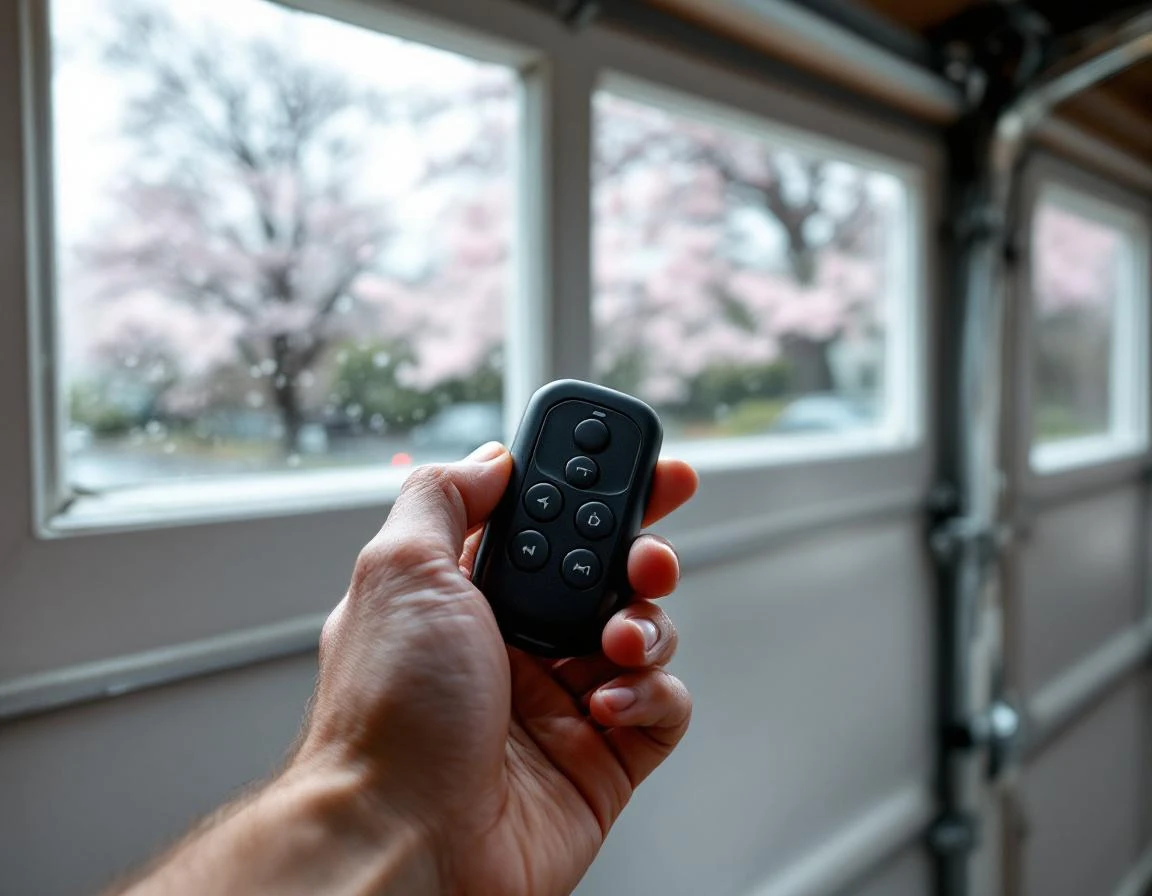
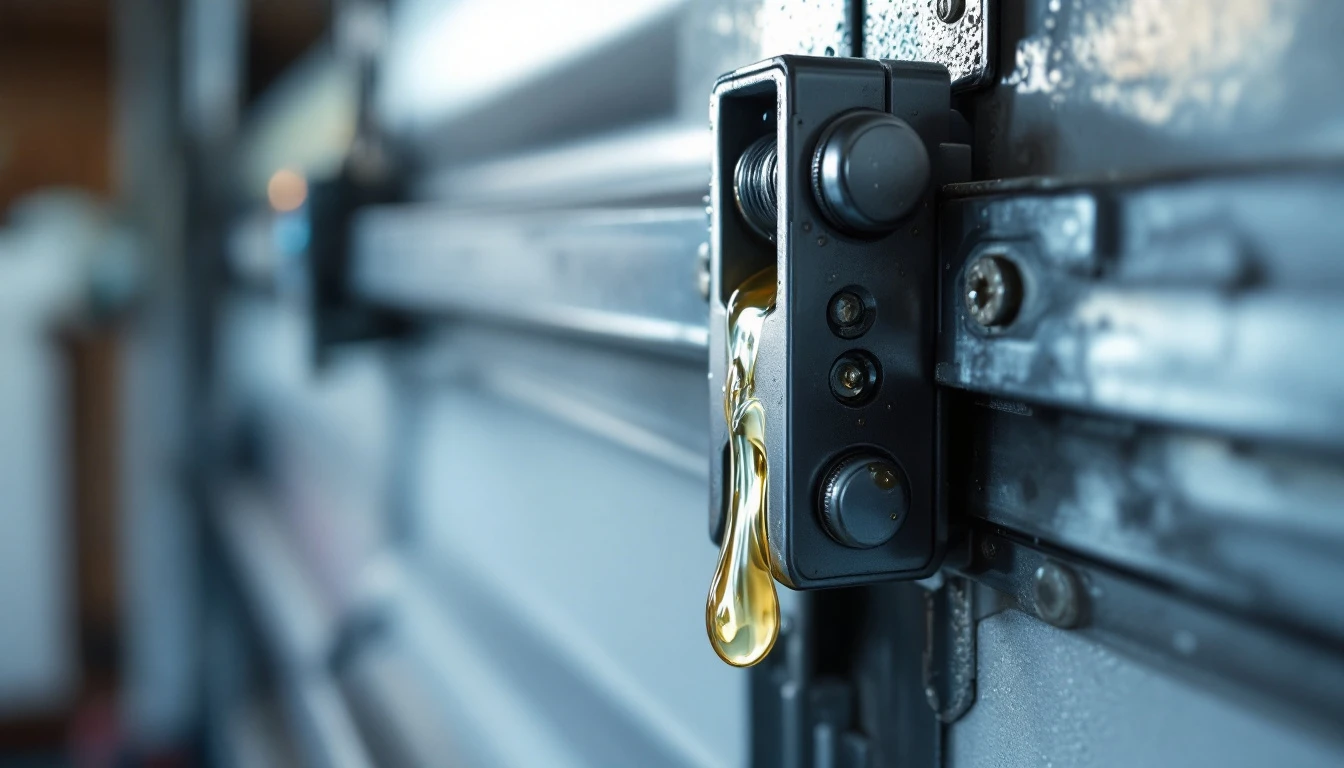
Listen to your opener’s operation. Does it grind, hesitate, or vibrate excessively? These sounds indicate worn gears or a struggling motor. Finally, lubricate all moving parts with garage door-specific lubricant (around $10 at hardware stores). Apply a light coat to springs, roller bearings, hinges, and the opener’s drive chain or screw. Skip WD-40—it attracts dust and dries out quickly. Proper lubrication prevents accelerated corrosion during wet months and keeps metal components moving smoothly. If operational tests reveal issues beyond alignment or lubrication, contact us today for professional assessment before spring rains compound the damage.
Professional Repair Costs and Timeline
Understanding repair costs helps you budget appropriately. Weatherstripping replacement typically runs $300-$500 installed, while panel repair or replacement ranges from $500-$2,000 depending on the extent of damage and whether you need one panel or a full section. Sensor realignment or replacement falls in the $150-$300 range. These prices vary based on material quality, labor complexity, and regional service demand.
Timing matters in Portland. Professional garage door companies book quickly in late February and early March as homeowners prepare for spring rains. Delaying your inspection past early March means you may face longer wait times when you discover a problem that needs immediate attention. Schedule appointments in February or early March to avoid the peak-season rush and have your door ready before the heaviest April downpours arrive.
Ready to schedule a professional inspection? Contact Garage Harmony today to book your pre-season maintenance appointment.
Next Steps and Spring Protection
With your five-point inspection complete, you have a clear roadmap to protect your garage door before Portland’s heaviest rains arrive. Finish your inspection by early March. Giving yourself time to address issues before April’s downpours test every seal and moving part. Take photos of any damage you discovered—these images become valuable documentation for warranty claims or insurance purposes if problems escalate.
Your action plan breaks into three simple steps: inspect, decide whether to handle repairs yourself or call professionals. And schedule work immediately. High-priority items like failed weatherstripping and balance issues demand attention within two weeks. Contact Garage Harmony today to schedule repairs before our calendar fills with peak-season service calls.
During March and April, recheck your weatherstripping and lubrication monthly. This ongoing attention catches small problems before they become emergency repairs. That 1-2 hour inspection you completed prevents the $3,000+ in water damage and last-minute service calls that unprepared homeowners face. Climate plays a direct role in garage door performance and longevity. Especially in the Pacific Northwest. You’ve invested in protecting your home—now enjoy the peace of mind that comes with a rain-ready garage door.


Leave A Comment