


Why Winter Storms Damage Eugene Garage Doors
Oregon’s winter weather creates unique challenges for garage door systems that require thoughtful garage door winter storm preparation Oregon homeowners shouldn’t ignore. When temperatures swing from freezing nights to warmer days, ice forms in tracks and around weatherstripping, then melts and refreezes. This freeze-thaw cycle strains springs, warps door panels, and causes misalignment.
High winds compound these problems by forcing doors against their frames, while snow and ice accumulation adds weight that fatigues opener motors and stressed springs. The result? Preventable damage that costs $500 to $3,000 or more in emergency repairs during storm season—when technicians charge premium rates for urgent calls.
Most Eugene homeowners don’t realize which maintenance tasks actually prevent these failures. Five pre-storm checks catch the vast majority of weather-related problems before they happen, saving you money and stress.
Five Critical Winter Checks for Garage Door Winter Storm Maintenance Eugene
This pre-winter checklist takes about 90 minutes to complete and can prevent most cold-weather garage door failures. Work through each check systematically, and you’ll know exactly when to handle maintenance yourself versus when to call Garage Harmony.
- Weatherstripping Inspection and Replacement (20 minutes): Run your hand along the rubber seals at the door’s bottom and sides, checking for cracks, gaps, or brittleness. You’ll need only a flashlight and replacement weatherstripping if needed. If you see daylight or feel drafts, replace the seal. Call a professional if the door frame itself appears damaged or warped.
- Spring Tension and Balance Testing (15 minutes): Disconnect the opener and manually lift your door halfway. It should stay in place without assistance. If it slams down or shoots up, your springs need adjustment. Never attempt spring repairs yourself—these components store dangerous tension. Contact our team immediately for spring service.
- Track Alignment and Debris Removal (20 minutes): Use a level to verify tracks are plumb, and vacuum out leaves, dirt, and ice. Loose tracks can be tightened with a wrench, but if tracks are bent or severely misaligned, professional realignment is necessary to prevent door derailment.
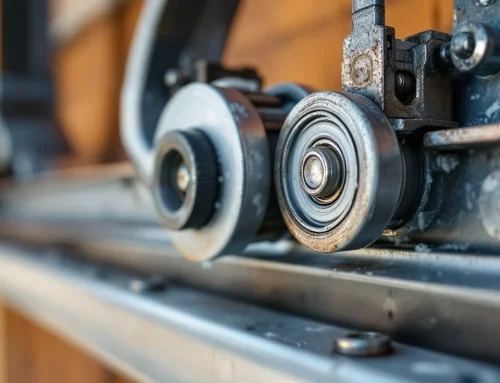
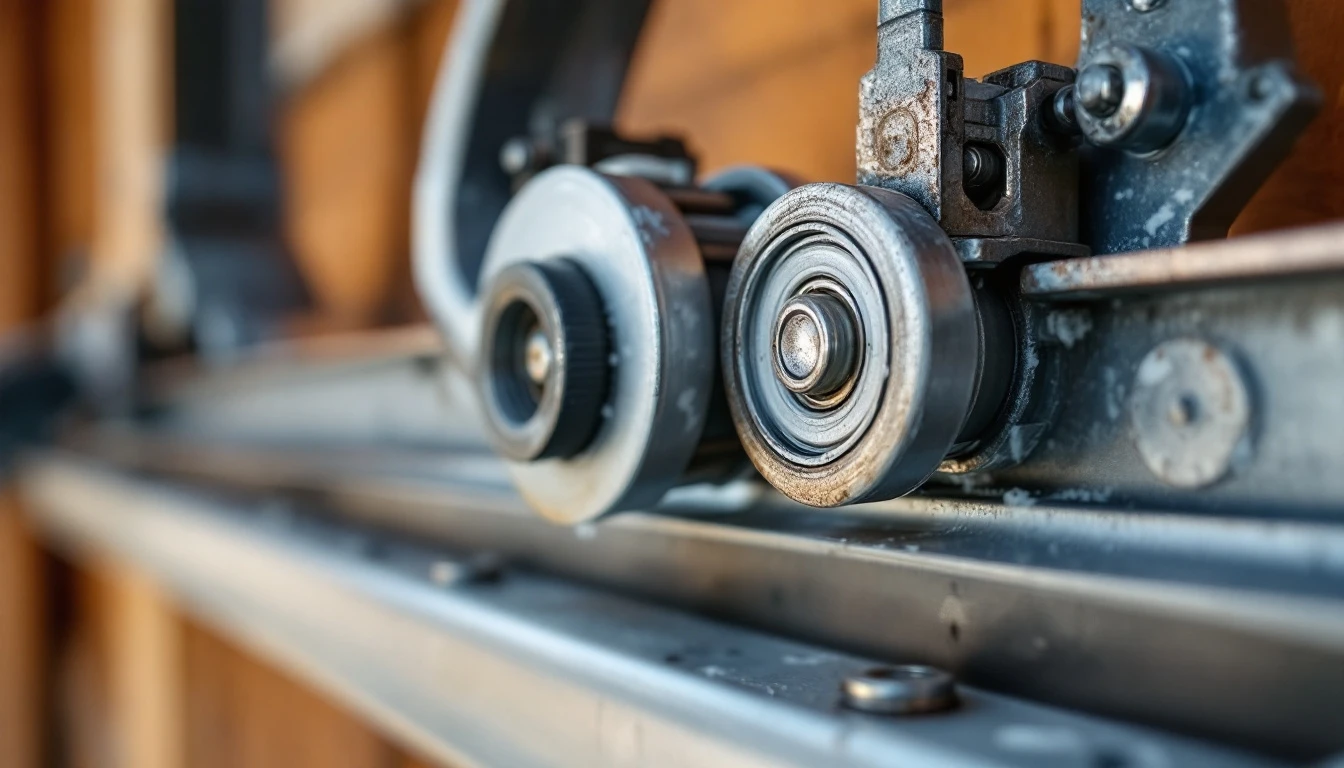
- Hardware Tightening (20 minutes): With a socket wrench, systematically tighten all roller brackets, hinges, and mounting bolts. Replace any visibly worn rollers. If you discover stripped bolt holes or cracked brackets, these structural issues require professional replacement.
- Safety Sensor Testing and Cleaning (15 minutes): Wipe sensor lenses with a soft cloth, then place an object in the door’s path during closing. The door should immediately reverse. Sensors that fail this test or have misaligned beams need expert troubleshooting.
Check 1: Weatherstripping and Seal Gaps
Start by inspecting the rubber weatherstripping along the bottom and sides of your garage door. Look for cracks, hardening, or compressed rubber—all signs that seals have failed. Close your garage door completely, then walk around inside looking for light entering from outside. Any visible light indicates broken seals that will allow ice and moisture inside.
Replacement weatherstripping strips cost $20–$50 at hardware stores and prevent ice damming that damages your opener and springs. If your door frame appears warped, contact Garage Harmony for professional assessment. Caulking and weather-stripping doors is a key step in preparing your home for Oregon’s winter storms.
Check 2: Spring Tension and Door Balance
Open your garage door halfway manually, then release it. Does it stay level, or does it sag and close? A properly balanced door should hold its position without drifting. If it drops or creeps closed, one or both springs are losing tension.
Never attempt spring repairs yourself. Garage door springs operate under extreme tension—hundreds of pounds of force—and improper handling causes serious injuries every year.
Imbalanced doors strain your opener motor and are far more likely to jam or fail completely during freezing weather, leaving you stranded. Contact Garage Harmony for professional spring inspection and replacement.
Track Alignment, Hardware Tightening, and Sensors
Three quick checks requiring no special tools can prevent serious winter failures. Start with track alignment by visually inspecting the gap between your door and the vertical tracks—it should be consistent from top to bottom. Use a level to confirm the tracks are perfectly vertical. Even slight misalignment causes binding that worsens dramatically when temperatures drop below freezing.
Next, grab a wrench and check all visible bolts, hinges, and roller brackets for tightness. They should feel snug without requiring excessive force—if you can turn a bolt more than a quarter turn by hand, it needs tightening. Loose hardware amplifies winter stress on your system and creates dangerous failure points. However, leave track bracket adjustments to professionals, as improper changes can create new alignment problems. Cold weather increases friction and causes metal parts to bind more easily, making proper lubrication and hardware maintenance essential for winterize garage door Oregon success.
Finally, inspect the photo-eye sensors mounted on each side near the bottom of your door opening. Clean both lenses with a soft cloth, then test by blocking one sensor with your hand while closing the door—it should immediately reverse. Dirty or misaligned sensors prevent your door from closing during winter emergencies.
When to Call a Professional Before Winter Arrives
Your five-point inspection helps you spot problems, but some issues require immediate professional attention. Call a professional immediately if you notice spring failure signs—doors that won’t stay balanced, popping sounds during operation, or visible cracks on springs.
Cable damage, severe track misalignment, bent rollers, and opener malfunctions also warrant professional service. A professional inspection costs $75–$150 but prevents $2,000+ emergency repairs during storm season.
Schedule your appointment in October or early November, before Eugene’s winter weather arrives. Storm season creates long wait times and emergency pricing. Regular maintenance before harsh weather hits helps slow down wear and tear, keeping your door running longer. Completing these five checks helps you communicate problems clearly to professionals, which leads to faster diagnosis and efficient repairs before severe weather tests your garage door system. For complete winter preparation, review Oregon’s official guide to getting your home winter-ready.

Leave A Comment