


How Pacific Northwest Humidity and Rain Damage Garage Door Components
Portland’s relentless rain and humidity create a perfect storm for garage door deterioration, causing garage door problems wet weather Portland residents face every winter. With more than nine months of wet weather annually, moisture infiltrates every vulnerable component—torsion springs, galvanized tracks, and garage door openers—silently undermining their structural integrity.
Consider this scenario: In September, your garage door opens smoothly every morning. By November, after weeks of constant rain, you press the opener button and nothing happens. The springs have developed surface rust, the tracks have shifted from repeated thermal contraction, and moisture has corroded the opener’s electrical contacts. This isn’t a hypothetical situation—it’s a pattern our team sees throughout Portland, Beaverton, and Gresham every winter.
Rust formation accelerates dramatically on metal components exposed to Pacific Northwest moisture. Torsion springs, which bear the full weight of your garage door, can lose 40-many their expected lifespan when rust weakens the coiled steel. Galvanized tracks fare slightly better initially, but persistent humidity eventually penetrates the protective coating, causing corrosion that leads to misalignment and jerky door operation.
The cold, wet conditions create additional problems through thermal cycling. Metal components contract in the cold while wooden door panels absorb moisture and swell. This constant expansion and contraction throws precision-aligned systems out of balance. Meanwhile, garage door openers—essentially computers in a box—suffer electrical failures when moisture seeps into circuit boards and sensor connections.
Moisture-Vulnerable Garage Door Parts: Why Garage Door Issues Pacific Northwest Winter Occur
Three critical components in your garage door system are particularly vulnerable to Pacific Northwest moisture, and understanding how they fail gives you the power to prevent costly breakdowns. Let’s examine exactly what happens when rain and humidity attack these parts.
Torsion Springs: The Hidden Rust Problem
Torsion springs rust from the inside out, where you can’t see the damage developing. Moisture enters through the coils and attacks the steel core, causing internal corrosion that weakens the spring’s tension. When a rusted spring finally snaps under the door’s weight, it often happens without warning—leaving your vehicle trapped inside or your door dangling dangerously.
Galvanized Steel Tracks: When Protection Fails
Even galvanized tracks aren’t immune to Portland’s relentless wet winters. Water pools in track drainage channels and seeps through weatherstripping gaps, gradually corroding the zinc coating. The tracks warp slightly as corrosion progresses, preventing smooth door travel. You’ll notice the door jerking or catching at specific points along its path—a key sign of garage door moisture damage Portland Oregon homeowners should address immediately.
Garage Door Openers: Electrical Vulnerability
Opener motors have ventilation holes that allow humid air to penetrate the housing. When moisture condenses on circuit boards and electrical connections, short-circuits become inevitable. A Lake Oswego homeowner might notice why garage door won’t open in rain as humidity affects the motor in October. By January, after months of moisture exposure, that same opener could fail completely—often during a rainstorm when you need it most.
The Four Critical Pre-Winter Weatherization Tasks
Protecting your garage door from Portland’s rainy season doesn’t require expensive professional services or specialized equipment. Four targeted maintenance tasks, performed at specific times before winter rains arrive, prevent the moisture-related failures we’ve discussed and save you hundreds or thousands in emergency repairs.
Task 1: Apply Weatherstripping and Replace Worn Seals by Mid-September
Before Portland’s heavy rains begin, inspect and replace all weatherstripping along the bottom seal and sides of your garage door. Look for cracks, brittleness, or gaps where water could penetrate. Quality weatherstripping is available at a modest cost for DIY installation or at a higher expense if professionally installed. This single task prevents water intrusion that causes track corrosion and opener electrical failures. Rain can affect both the aesthetics and functionality of your door, making proper sealing essential for Oregon homeowners.
Task 2: Lubricate All Moving Parts with Moisture-Resistant Grease Before October Rains
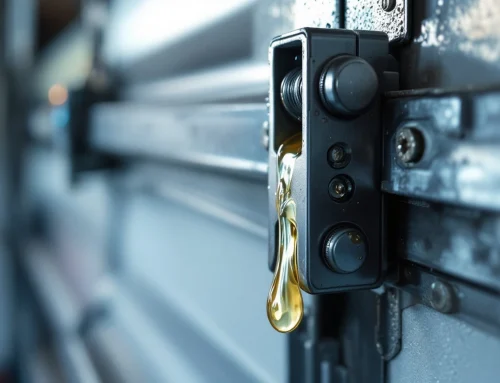
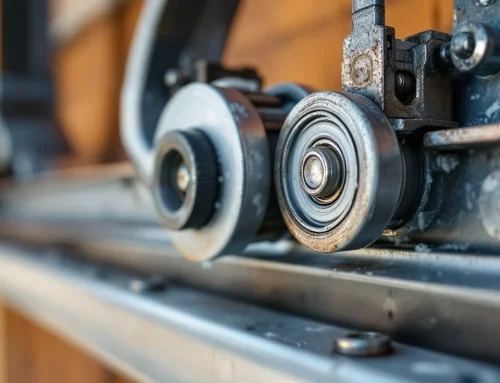
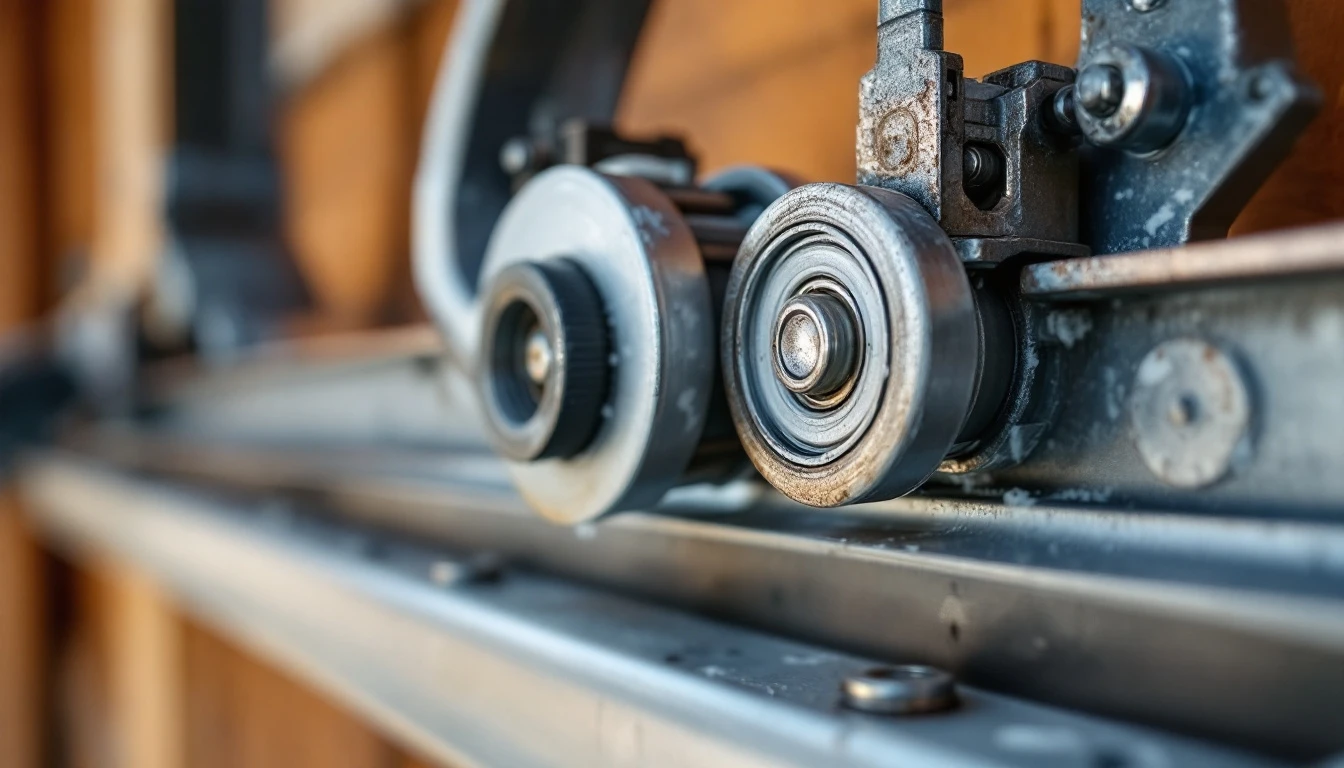
By early October, apply silicone-based or lithium-based lubricant to all hinges, rollers, springs, and bearings. Avoid WD-40, which attracts moisture and dirt. Professional-grade lubricants are reasonably priced and prevent the rust formation that weakens torsion springs. This simple maintenance task protects springs that would otherwise require substantial investment to replace.
Task 3: Inspect and Clean Track Drainage by Late September
Clear all debris from track channels and verify drainage holes aren’t clogged with leaves or sediment. Use a damp cloth to remove accumulated grime where moisture can collect. This free maintenance task prevents the track misalignment and binding that can lead to substantial replacement costs. Pay special attention if your garage sits in low-lying areas common in parts of Milwaukie or Gresham where water accumulation is more severe.
Task 4: Check Opener Motor Vents and Seals Before November
Inspect your opener motor housing for cracks, verify ventilation slots are clear, and confirm moisture seals are intact around wiring entry points. Replace damaged seals with weatherproof electrical tape or caulk, which requires only modest material investment. This prevents the circuit board corrosion that causes substantial opener replacement costs.
Performing all four tasks requires a modest investment and several hours of your time. Neglecting them can result in substantial costs from emergency repair calls when failures occur during Portland’s wettest months. The choice is yours, but the financial implications are clear.
DIY vs. Professional Help: When to Call Garage Harmony
Tasks 1 and 2—weatherstripping replacement and basic lubrication—are safe DIY projects for Portland homeowners comfortable with a ladder and basic hand tools. These tasks require no special equipment and carry minimal risk of injury or component damage.
Tasks 3 and 4, however, demand professional expertise. Spring tension assessment requires specialized tools and training to avoid serious injury from stored energy in torsion springs. Opener motor seal inspection involves electrical components and precise diagnostic equipment. If you’re uncertain about track alignment or haven’t worked on garage door mechanisms before, it’s time to call the professionals.
Here’s a simple decision framework: Can you safely climb a ladder and follow step-by-step instructions? Handle Tasks 1-2 yourself. Do you lack experience with mechanical components or feel unsure about any step? Contact us today for professional service that protects both you and your garage door investment.
Preventive Maintenance ROI: Avoiding $1,000+ Winter Emergency Repairs
The financial case for fall maintenance is clear: spending a modest amount on preventive care avoids substantially higher costs in emergency winter repairs. Consider this realistic Portland scenario: a homeowner skips weatherstripping replacement in September, saving a minimal sum. In January, on a rainy Sunday morning, their garage door freezes shut due to moisture infiltration. The emergency service call costs a considerable amount just to show up, plus rushed parts and labor.
Emergency pricing transforms routine repairs into budget disasters. Spring replacement during a mid-winter breakdown costs $300-600, compared to $200-350 for a scheduled fall replacement. Track realignment during emergency calls doubles labor costs from $200-250 to $400-500 because technicians work in cold, wet conditions with limited access. Opener motor replacement in December carries a 40% premium over fall service calls due to holiday scheduling and urgent parts shipping.
Winter weather presents unique challenges for garage doors, from shrinking metal and brittle springs to doors freezing shut.
This preventive approach protects both your convenience and your wallet. By completing the four-task checklist before November rains arrive, you’re making Portland’s highest-ROI home maintenance investment—one that prevents mid-winter lockouts and expensive emergency visits from garage door repair wet climate issues.
Your Pre-Winter Garage Door Checklist: Start This Week
Portland’s heavy rains typically begin in late October, which means you need to start your garage door weatherization now. Here’s your four-week timeline to complete everything before the weather turns:
- Week 1 (Now): Inspect all weatherstripping around your garage door perimeter and bottom seal. Look for visible gaps, cracks, or compressed sections that won’t bounce back. Order replacement weatherstripping immediately—shipping can take 7-10 days.
- Weeks 2-3: Install your new weatherstripping, working section by section to maintain a seal. Then lubricate all moving parts: torsion springs, rollers, hinges, and tracks. Use garage door-specific lubricant, not WD-40.
- Weeks 3-4: Clean your track drainage channels and check that water flows away from your garage. Most importantly, schedule a professional spring tension and opener motor inspection. Choosing materials that withstand Oregon’s rain and humidity is crucial for long-term performance, particularly when addressing rainy season garage door maintenance tips.
Here’s the critical timing issue: If you schedule professional service by October 15, you’ll typically get an appointment within 3-5 days. Wait until November or December, and you’re looking at 2-3 week delays as companies handle emergency calls from people whose doors have already failed.
Ready to protect your garage door before Portland’s winter weather hits? Schedule your professional inspection with Garage Harmony today and avoid the winter rush.




Leave A Comment