


How Long Do Garage Door Openers Last and Why Replacement Matters
Most residential garage door openers reach end-of-life around 10-15 years, with motor failure becoming inevitable as internal components degrade. For Portland-area homeowners, understanding your opener’s age and recognizing garage door opener replacement signs isn’t just about convenience—it’s about making smart financial decisions and avoiding safety hazards.
The Pacific Northwest’s climate accelerates this wear significantly. Our constant humidity and dramatic temperature swings—from summer heat waves exceeding 100°F to winter ice storms—put extraordinary stress on opener motors and electronic components. That steady dampness promotes corrosion on circuit boards and gears, while temperature extremes cause expansion and contraction that loosens connections faster than in drier climates.
Why does this matter? When an aging opener fails unexpectedly, emergency repairs typically cost significantly more than planned replacements. You’re paying premium rates for after-hours service, and technicians may spend billable time diagnosing a motor that’s simply too far gone to save. Even worse, a failing opener can create genuine safety risks—erratic door movement, failure to reverse when obstructed, or complete door drops.
The key is distinguishing between problems worth repairing and failures that signal it’s replacement time. A five-year-old opener with a worn gear? That’s repairable. A thirteen-year-old unit with intermittent motor function? You’re likely throwing money at a dying system.
Five Diagnostic Signs Your Garage Door Opener Motor Is Failing
How can you tell if your garage door opener needs replacement rather than a simple repair? These five specific failure patterns indicate your motor has reached end-of-life and require replacement instead of additional repair attempts. Recognizing these garage door opener replacement signs helps Portland homeowners avoid costly emergency repairs.
1. Grinding, Squealing, or Humming Sounds
When your opener produces grinding, squealing, or persistent humming noises during operation, you’re hearing internal motor wear that goes far beyond what lubrication can fix. These sounds indicate worn gears, damaged bearings, or motor windings beginning to fail. If you hear these noises consistently during every opening cycle, the internal components have degraded to the point where repair costs would exceed replacement value.
2. Safety Sensor Failures Without Visible Obstructions
Does your garage door reverse repeatedly even when nothing blocks the sensors? Have you cleaned the sensor lenses and realigned them, yet the problem persists? This indicates control board degradation rather than a sensor alignment issue. The circuit board that processes sensor signals deteriorates over time, especially in Portland metro area garages where humidity exposure accelerates electronic component failure after year 10.
3. Slow Operation or Jerky Movement
When your garage door moves sluggishly, operates in jerky starts and stops, or can’t complete a full opening or closing cycle, the motor has lost torque capacity. This isn’t a spring tension issue—it’s the motor itself failing to generate sufficient power. You might notice the door stops halfway up or struggles to lift from the closed position despite balanced springs. A noticeable decrease in operating speed is one of the more telling signs of a garage door opener nearing the end of its useful life.
4. Remote Control Unresponsiveness
Have you replaced the batteries in your remote control, yet it still doesn’t work reliably? Does the wall button work while remotes fail? This points to receiver circuit failure within the opener unit itself. The radio frequency receiver circuit degrades over time, and replacing it costs nearly as much as a new opener installation.
5. Burning Smells or Visible Sparks
If you smell burning plastic or electrical odors from your opener, or if you see sparks from the motor housing, stop using the opener immediately. These signs indicate serious electrical failure that poses fire risk. This requires immediate replacement—not repair attempts. Contact Garage Harmony today if you notice these emergency warning signs.
Motor Age vs. Repair Cost: When Replacement Makes Financial Sense
How old is your garage door opener? This simple question determines whether you should repair or replace. Understanding the financial thresholds helps Portland homeowners make smart investments rather than throwing money at a failing system.
- If your opener is under 8 years old, repairs almost always make financial sense. Most issues at this age involve minor component failures covered under warranty or simple fixes. A $150-250 repair on a relatively new unit protects your original investment.
- For openers between 8-12 years old, you’re in the gray zone when considering garage door opener repair vs replacement. Compare the repair estimate against $300-500 for a complete replacement with installation. If the repair exceeds half the replacement cost, you’re likely better off upgrading to a newer, more efficient model with current safety features.
- Openers over 12 years old should almost always be replaced when major repairs are needed. At this age, fixing one component often reveals additional failures within months. If you have not replaced your garage door opener in more than 10 years, consider replacing the opener with a new one rather than investing in costly repairs. Emergency service calls for motor failure typically cost 50-100% more than planned replacements, making proactive replacement the economical choice.
Repair vs. Replacement Decision Checklist for Portland Homeowners
Ready to make your decision? Follow this simple four-step process to determine whether repair or replacement makes financial sense for your garage door opener.
- Find your opener’s age. Check the label on the motor housing or dig out your purchase receipt. If your opener came with the house, assume it’s at least as old as your last home inspection reported.
- Count your symptoms. Are you experiencing one isolated problem, or multiple issues from the diagnostic list? A single symptom might indicate a fixable component failure. Two or more symptoms typically signal that the motor has reached end-of-life.
- Get professional diagnosis. Before committing to a $200 repair on a 13-year-old opener, invest in a diagnostic visit. Our team can identify whether a simple fix or systemic failure is needed.
- Factor in future risk. Consider the cost of another emergency service call next month. If your aging opener fails during Portland’s winter rainstorms, you’ll pay premium rates for urgent repairs—money better spent on planned replacement.
Pacific Northwest Climate Factors That Accelerate Garage Door Opener Wear
If you’re wondering why your garage door opener seems to be failing earlier than the national 10-15 year average, Portland’s unique climate is likely the culprit. The Pacific Northwest creates a perfect storm of conditions that accelerate wear on opener motors and electronics, often bringing them to end-of-life by year 10-12.
High humidity and persistent moisture are the primary offenders across the Portland metro area. Unlike drier climates where garage door openers might reach 15 years, our region’s year-round dampness corrodes motor contacts and circuit boards significantly faster. This moisture exposure is especially intense in older neighborhoods like Sellwood, Laurelhurst, and Milwaukie, where detached garages lack climate control entirely.
Temperature swings compound the problem. When winter temperatures drop to 30°F and summer heat waves push past 80°F—or even exceed 100°F during those brutal August days—opener components expand and contract repeatedly. This thermal stress weakens internal mechanisms more aggressively than in temperature-stable regions.
Poor garage ventilation, common in Portland-area homes built before modern building codes, traps moisture directly on motors and encourages seasonal mold growth. This accelerates electrical failures in older openers. While proper ventilation and seasonal maintenance can extend your opener’s life, they cannot prevent eventual motor failure. That’s why recognizing the garage door opener troubleshooting guide signs we’ve covered becomes especially critical for Portland homeowners—you need to catch problems earlier than homeowners in drier climates.
Next Steps: When to Call a Professional and What Comes Next
If you’ve identified two or more of the diagnostic symptoms from earlier sections, it’s time to schedule a professional inspection immediately. A diagnostic service call is a modest investment in the Portland metro area and can yield substantial savings by confirming whether repair or replacement is the right move. Acting now means avoiding emergency repair premiums that often run significantly higher than scheduled service.
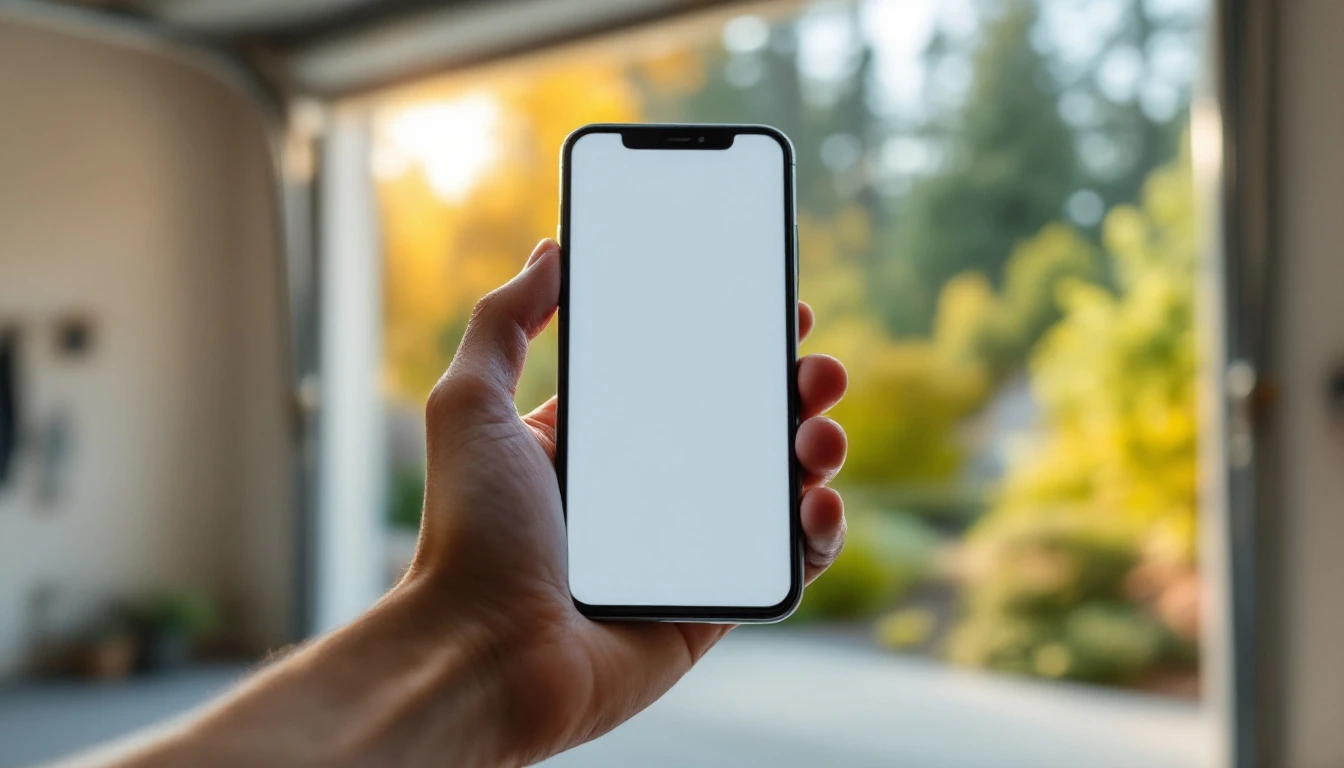
Once you’ve decided that replacement is necessary, you’ll benefit from modern openers that offer significant safety improvements over older units. Today’s models include battery backup systems for power outages, enhanced safety sensors, and optional smart features that let you control and monitor your garage door from your phone—conveniences that older openers simply can’t match.
Portland-area homeowners who act on replacement diagnosis early avoid both the expense of unnecessary repairs on dying motors and the stress of emergency calls when openers fail completely.
Contact us today to schedule a diagnostic inspection, or reach out to learn about the garage door opener options available for your home.



Leave A Comment